
Table of Contents
The Ethics Behind the Ban
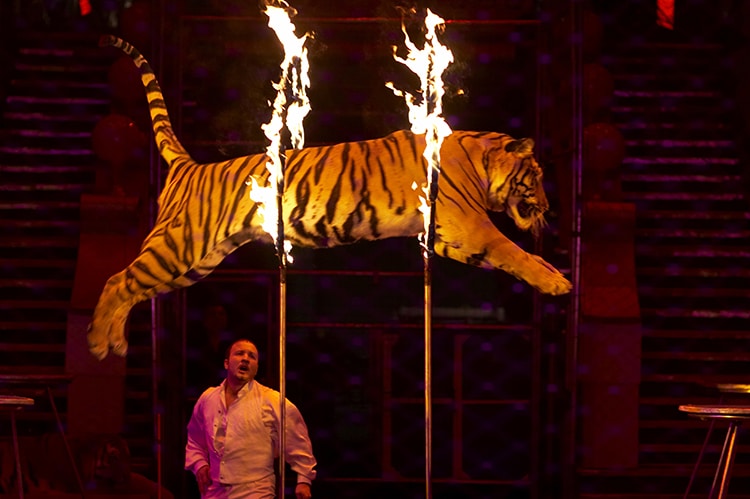
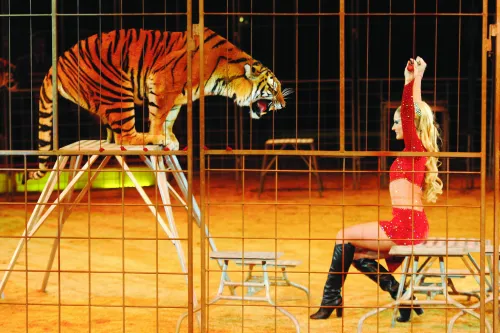
The decision to ban wild animals in circuses is based on ethical concerns about their well-being. Wild animals like tigers, lions, elephants, and bears typically roam vast distances in their natural habitats. In circuses, however, these animals are confined to small cages and subjected to harsh training methods to perform tricks for the audience. Critics argue that such conditions lead to physical and psychological distress, a view supported by numerous animal rights organizations.
Minister Pompili, speaking at a press conference, emphasized the urgency of the issue. “It is time that our ancestral fascination with these wild beings no longer translates into situations where their captivity is favored over their welfare,” she stated. This sentiment has been echoed by animal welfare activists across Europe, who have long campaigned for the end of wild animal performances in circuses.
A Step Toward Progress
France is not the first country to impose such a ban. Over 20 European nations have already implemented similar policies, reflecting a growing consensus that wild animals should no longer be used for entertainment purposes. The trend is also driven by a broader societal shift toward more humane treatment of animals and the increasing awareness of the cruelty involved in using them in circuses and marine parks.
This movement has gained momentum in recent years as more people have become aware of the suffering animals endure in these environments. The public’s growing concern for animal welfare has forced governments to reevaluate the ethics of using wild animals for commercial purposes, leading to significant changes in laws and regulations.
The Impact on French Circuses and Marine Parks
The new rules in France will not only affect circuses but also marine parks, known as dolphinariums, which house dolphins and other marine mammals. These parks will be required to stop the breeding of dolphins and captive killer whales, and the animals will be relocated to wildlife sanctuaries. The goal is to provide a more natural environment for these animals, where they can live out their lives in a setting that more closely resembles their natural habitats.
In response to the new regulations, the French government has allocated eight million euros to help retrain the circus and dolphinarium workforce. This funding will help workers transition to new roles within the entertainment industry, ensuring that they are not left without employment as these industries undergo significant changes. Minister Pompili stressed that the government is committed to supporting circuses during this transition and emphasized the importance of collaboration to ensure a smooth shift toward more ethical practices.
A Long Road to Reform
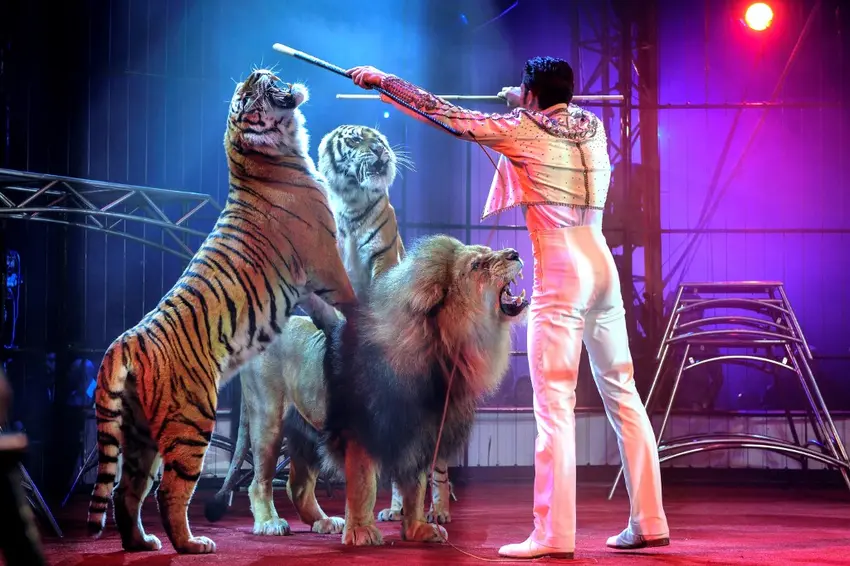
The process of phasing out wild animals in circuses and marine parks will take several years. The French government has set a timeline for these changes, allowing circuses and marine parks time to adjust and make the necessary alterations to their operations. During this period, these institutions will be required to adapt their shows to feature only human performers or domesticated animals, such as dogs and horses, rather than wild animals.
The gradual implementation of these rules reflects the complexities involved in such a widespread shift. While the ethical concerns are clear, the impact on the circus and marine park industries must be carefully managed to minimize disruption. The French government is working closely with stakeholders in the entertainment industry to ensure that they can continue to operate successfully without relying on wild animals for performances.
The Role of Public Opinion in the Ban
The public’s role in pushing for this ban cannot be understated. Over the years, numerous petitions and campaigns have been launched by animal rights groups, pushing for the end of wild animal performances in circuses. These efforts have been bolstered by increasing media coverage of the issue, which has helped raise awareness about the conditions faced by circus animals. Public opinion has increasingly turned in favor of animal rights, and the French government’s decision to implement this ban is a direct result of this shift in public sentiment.
The ban also reflects a broader cultural change in attitudes toward animals and their treatment. As societies become more conscious of the need to protect animal rights, governments are beginning to pass laws that reflect these changing values. The move to ban wild animals in circuses is a symbolic victory for animal welfare advocates, signaling that the welfare of animals is becoming a priority in policymaking.
France’s Role in Animal Welfare Advocacy
France has long been at the forefront of animal welfare advocacy in Europe. In addition to the ban on wild animals in circuses, the country has passed numerous laws aimed at improving the treatment of animals. These include stricter regulations on animal testing, the banning of fur farming, and the promotion of animal-friendly practices in agriculture. France’s commitment to animal welfare is further demonstrated by its decision to close down several dolphinariums and transition them to wildlife sanctuaries.
This leadership in animal welfare advocacy is not only a reflection of France’s cultural values but also an important example for other countries to follow. By enacting these reforms, France is setting a precedent for the rest of the world, showing that it is possible to balance entertainment and ethical considerations while prioritizing the well-being of animals.
Challenges and Criticism of the Ban
While the ban on wild animals in circuses has been widely praised by animal rights groups, it has not been without its critics. Some argue that the ban will harm the circus industry and lead to job losses for performers and workers. Others claim that the government’s intervention in this matter infringes on personal freedoms and the right of businesses to operate as they see fit.
However, these criticisms are generally outweighed by the broader ethical concerns regarding the treatment of animals. While the ban may cause temporary disruptions in the circus industry, it is ultimately a necessary step toward ensuring that animals are not subjected to cruel conditions for entertainment purposes. By providing financial support for workers and encouraging a shift toward more humane practices, the French government is demonstrating its commitment to both animal welfare and the livelihoods of those affected by the changes.
The Global Impact of the Ban
The ban on wild animals in French circuses is not just a national issue; it has global implications for the future of animal entertainment. As more countries follow France’s lead, the use of wild animals in traveling circuses and marine parks may soon become a thing of the past. This shift represents a fundamental change in how society views the exploitation of animals for entertainment purposes, reflecting a growing understanding that animals deserve better treatment.
The global movement to protect animals in entertainment is gaining momentum, and France’s decision to ban wild animals in circuses is a significant victory for animal rights advocates. As more countries adopt similar measures, the future of circuses and marine parks will be shaped by the principles of compassion and respect for animal welfare.
Conclusion:
France’s ban on wild animals in traveling circuses and marine parks marks a turning point in the global conversation about animal welfare. By taking this bold step, the French government is prioritizing the well-being of animals and leading the way for other countries to follow. This change not only reflects evolving public attitudes but also serves as a reminder that animals should never be subjected to cruelty for the sake of entertainment.
As the ban is implemented over the coming years, it will be important to ensure that the transition is smooth for both the animals and the workers affected by the changes. France’s leadership in this area sets a powerful example for the rest of the world, showing that it is possible to create a future where animals are treated with dignity and respect.