
Table of Contents
- The Discovery of the Triangular Molecule
- How the Bacteria Generate High-Energy Molecules
- The Role of Polyketide Synthases in Fuel Production
- The Potential of Bacteria-Based Jet Fuel
- The Environmental Impact and Sustainability of Biofuels
- Scaling Up the Process for Commercial Use
- The Geopolitical Implications of Sustainable Fuel Production
- The Future of Bacteria-Based Biofuels
- The Challenges and Opportunities Ahead
- A Step Towards Sustainable Aviation
The Discovery of the Triangular Molecule
The discovery was made by researchers at Lawrence Berkeley Lab, who were investigating ways to replicate the energy-releasing properties of petroleum-based jet fuel without the long time frame required for fossil fuels to form. The team, led by chemical engineer Jay Keasling, focused on a molecule called “Jawsamycin,” named after the iconic movie “Jaws” due to its triangular, bite-like shape. This molecule is created by the bacterium Streptomyces, a common organism found in soil.
The Jawsamycin molecule contains a structural feature known as cyclopropane rings — rings made of three carbon atoms arranged in a triangle. This unique arrangement of carbon atoms makes the bonds in the molecule bent and strained, which in turn requires energy to maintain. When ignited, these strained bonds release a tremendous amount of energy, much like the combustion of jet fuel. The researchers hypothesize that this molecule could be engineered to create a biofuel with similar energy potential to that of jet fuel.
How the Bacteria Generate High-Energy Molecules
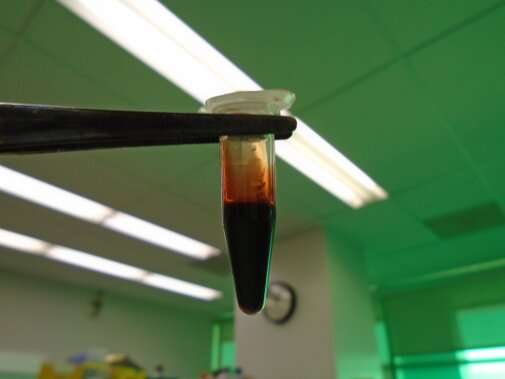
The process by which the bacteria produce the cyclopropane ring involves breaking down glucose and amino acids, converting them into building blocks for carbon-to-carbon bonds. This process is similar to how fats are produced in the human body. What sets this bacteria-based process apart is its ability to generate these high-energy molecules in a way that could be harnessed for fuel production.
In the case of the Jawsamycin molecule, the bacterial metabolism produces a compound that is naturally rich in energy due to the tension in the carbon-carbon bonds created by the triangular structure. These bonds are not flexible like in regular chains of carbon atoms, making them highly reactive and energy-dense. The innovation here is that scientists were able to isolate and synthesize this molecule in a lab, potentially creating a new class of biofuels for use in various industries, particularly aviation.
The Role of Polyketide Synthases in Fuel Production
To synthesize this complex molecule, researchers identified the key enzymes involved in its creation: polyketide synthases. These enzymes are crucial biological tools for making organic chemistry, allowing the bacteria to create the necessary carbon-carbon bonds that give the molecule its explosive properties. Polyketide synthases are part of a larger family of enzymes involved in the biosynthesis of a wide range of biologically active compounds, including antibiotics and other secondary metabolites.
By understanding how these enzymes work, the researchers at Lawrence Berkeley Lab were able to manipulate the bacterial metabolic pathways to generate high-energy molecules like Jawsamycin more efficiently. This represents a significant step forward in biofuel production, as it opens up the possibility of using bacterial systems to produce sustainable fuels at scale.
The Potential of Bacteria-Based Jet Fuel
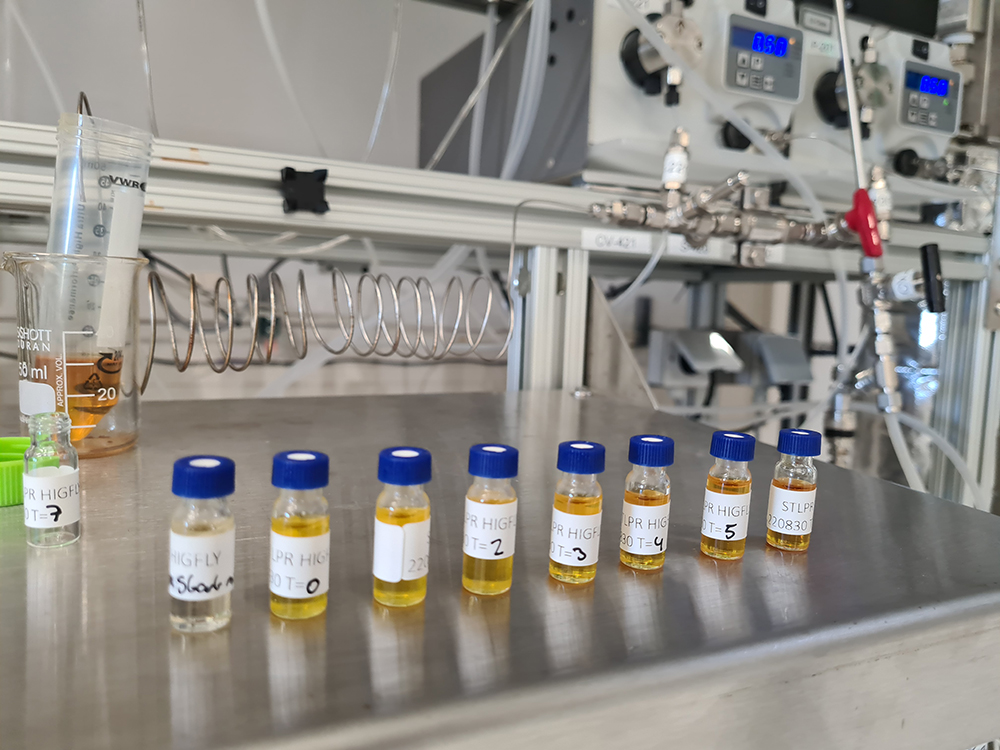
Once the molecule has been synthesized, it can be treated and processed to create a biodiesel-like fuel that could power aircraft. The key challenge is modifying the molecule to ensure it ignites at a lower temperature than traditional fossil fuels. However, when properly treated, this biofuel could have the energy density required to power large-scale engines, including jet engines.
The real advantage of this approach is that it could provide a sustainable and renewable source of fuel for the aviation industry, which is responsible for a significant portion of global carbon emissions. Unlike petroleum-based jet fuels, which take millions of years to form, this bacteria-based fuel could be produced on a much shorter timescale, helping to reduce the environmental impact of air travel.
The Environmental Impact and Sustainability of Biofuels
One of the most exciting aspects of this discovery is its potential to help mitigate the environmental impact of aviation. Airplanes are one of the largest contributors to global carbon emissions, and finding an alternative fuel that can provide the same level of energy while being produced sustainably is a critical step in reducing the industry’s carbon footprint.
By producing jet fuel from bacteria, scientists could potentially eliminate the need for fossil fuels in aviation, making the industry more sustainable in the long term. Additionally, this biofuel could be produced using renewable resources, such as agricultural waste or other organic materials, further reducing its environmental impact.
Scaling Up the Process for Commercial Use
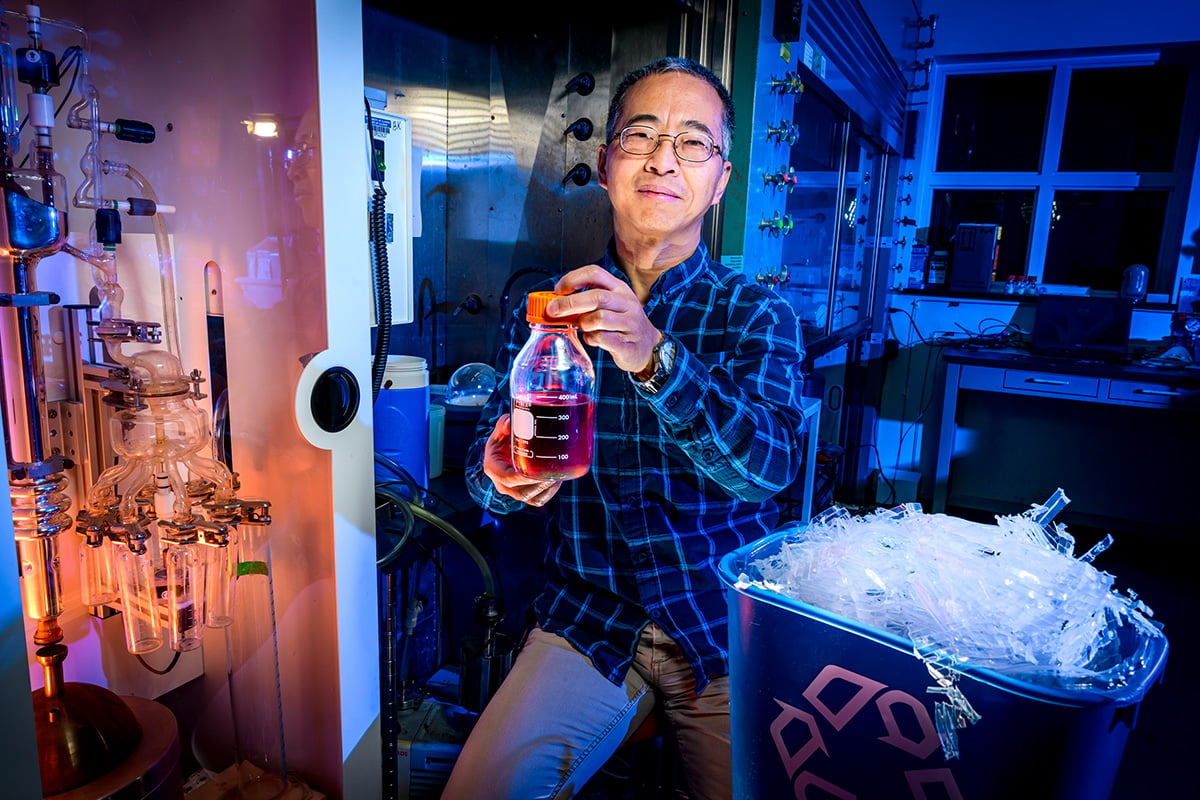
While the research team has demonstrated the feasibility of this biofuel, the next challenge is scaling up the process to produce fuel in the quantities required by the aviation industry. Cruz-Morales and his colleagues are optimistic that this technology can be scaled up, but they acknowledge that there are several hurdles to overcome, including the cost and efficiency of production.
At present, the process for synthesizing these high-energy molecules is still in the laboratory stage. However, with further research and development, this bacterial-based biofuel could one day become a viable alternative to petroleum-based jet fuel, providing a sustainable solution to the growing demand for air travel while reducing the industry’s reliance on fossil fuels.
The Geopolitical Implications of Sustainable Fuel Production
The potential for biofuels to replace petroleum-based fuels in aviation is not just an environmental issue; it is also a geopolitical one. The global reliance on oil has created complex political dynamics, with countries vying for control over oil reserves and transportation routes. By developing alternative fuels that do not rely on oil, countries could reduce their dependence on politically volatile regions and create a more stable and secure energy future.
Furthermore, the ability to produce biofuels domestically could provide countries with more control over their energy resources, reducing the need for costly imports and increasing energy security. As the world moves toward renewable energy sources, the development of biofuels like this bacteria-based jet fuel could play a key role in reshaping global energy markets.
The Future of Bacteria-Based Biofuels
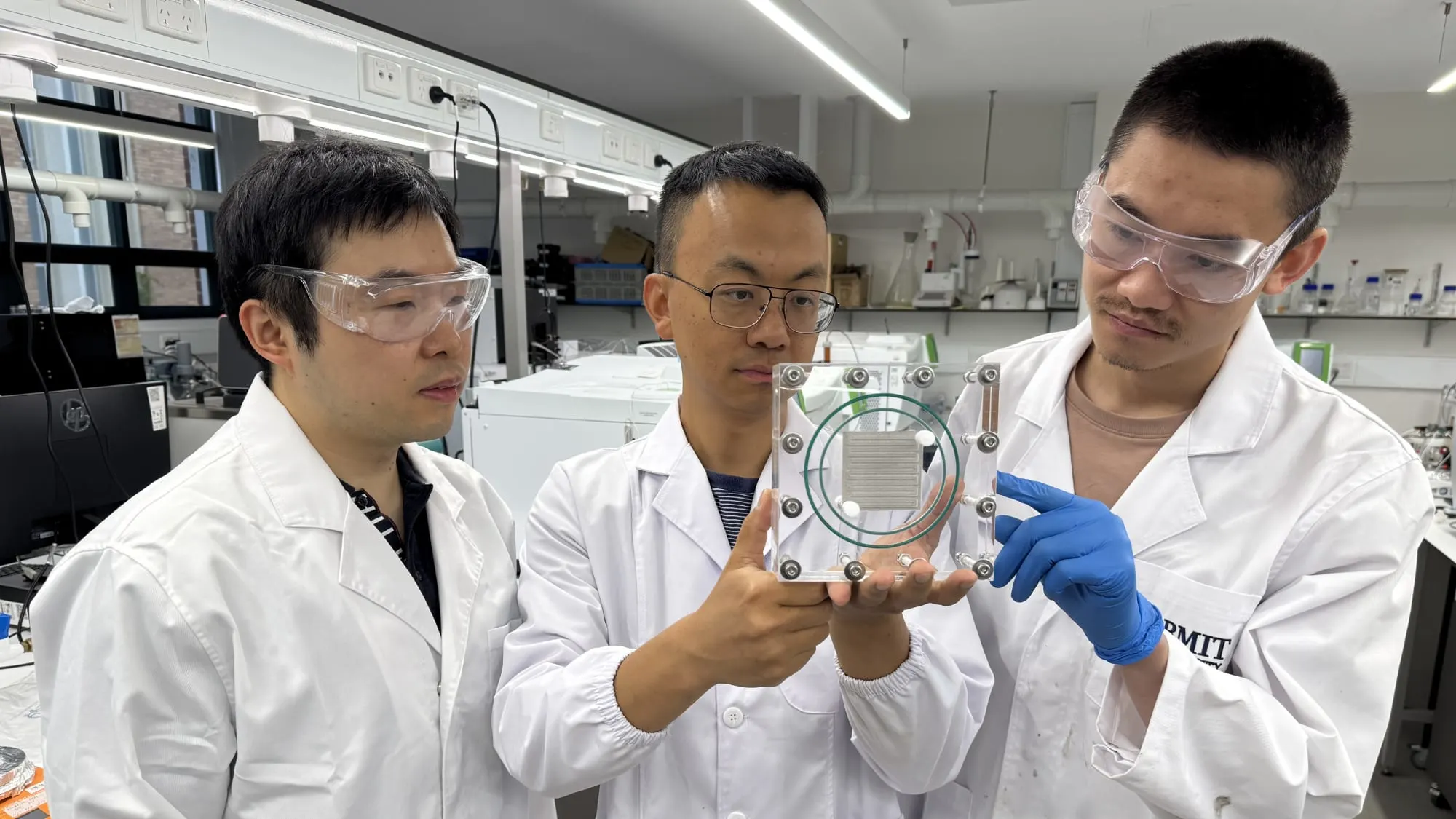
Looking ahead, the team at Lawrence Berkeley Lab hopes to continue refining the production process and explore ways to make this biofuel more cost-effective. While the technology is still in its early stages, the potential benefits of bacteria-based fuels are clear. If successful, this research could pave the way for a new era of sustainable energy production that could extend beyond aviation and into other industries, such as shipping and manufacturing.
The team also envisions a future where this biofuel is produced on a large scale, using bacteria or other microorganisms to generate the necessary molecules for fuel production. This would allow for a more decentralized and resilient energy system, where biofuels are produced locally and sustainably.
The Challenges and Opportunities Ahead
While the potential for bacteria-based jet fuel is immense, there are still several challenges to overcome before it can be used in commercial aviation. These include scaling up production, ensuring that the biofuel meets the necessary performance standards for jet engines, and reducing the cost of production to make it competitive with fossil fuels.
Despite these challenges, the discovery represents a major step forward in the search for sustainable aviation fuels. With continued research and innovation, this biofuel could one day play a central role in the transition to a greener, more sustainable aviation industry.
A Step Towards Sustainable Aviation
The discovery of a bacteria-based jet fuel is a groundbreaking development that could revolutionize the aviation industry and help mitigate its environmental impact. By harnessing the power of microorganisms to produce high-energy molecules, scientists have opened the door to a sustainable and renewable source of fuel for aircraft. While there are still hurdles to overcome, the potential benefits of this biofuel are clear, and it represents a critical step in the fight against climate change.
As the aviation industry looks for ways to reduce its carbon footprint and reliance on fossil fuels, bacteria-based fuels like this one could provide a viable alternative. By continuing to refine the process and scale up production, researchers could help usher in a new era of sustainable aviation, ensuring that the industry can continue to grow while minimizing its environmental impact.