
Table of Contents
- The Claim of $2 Million Transit Fees
- The Strategic Importance of the Strait of Hormuz
- Selective Access and Political Alignment
- The Economic Impact of Disrupting Maritime Traffic
- Iran’s Use of Economic Leverage in the Conflict
- Global Reactions and the Role of the United States
- Iran’s Military Threats and the Potential for Conflict
- The Role of Israel in the Tensions
- The International Impact and the Risk of War
- Diplomatic Solutions and Continued Tensions
- Conclusion
The Claim of $2 Million Transit Fees
The report of Iran charging $2 million for ships to pass through the Strait of Hormuz originated from Alaeddin Boroujerdi, a member of Iran’s parliamentary national security committee. According to Boroujerdi, the high transit fee is part of a wartime strategy to recover some of the financial costs incurred by the ongoing conflict with the United States and its allies. He stated, “War has costs, and naturally, we must do this and take transit fees from ships passing through the Strait of Hormuz.”
While this declaration has added fuel to an already volatile situation, it remains unclear whether such fees are being applied universally or are selectively enforced on certain vessels. The selective application of the fee suggests that it could be a strategic maneuver rather than a blanket policy.
The Strategic Importance of the Strait of Hormuz

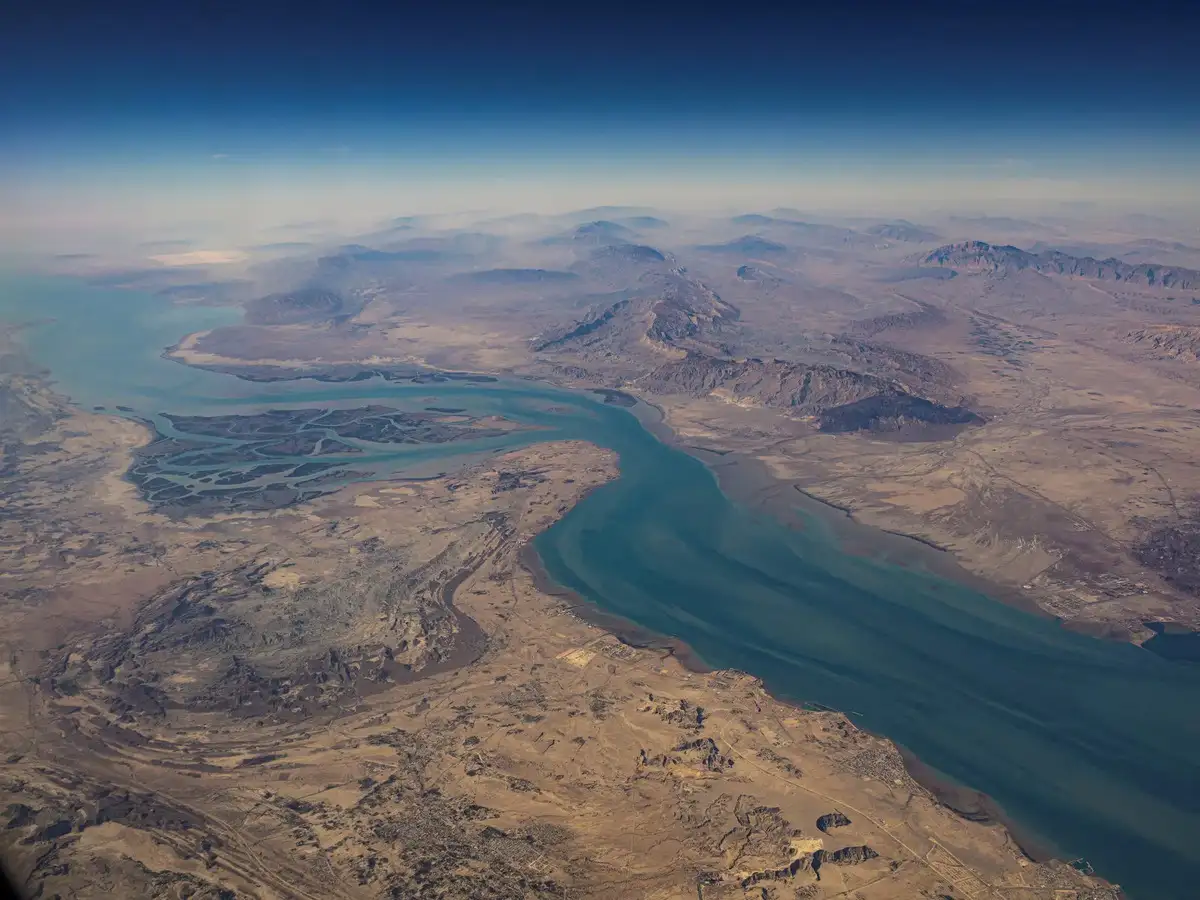
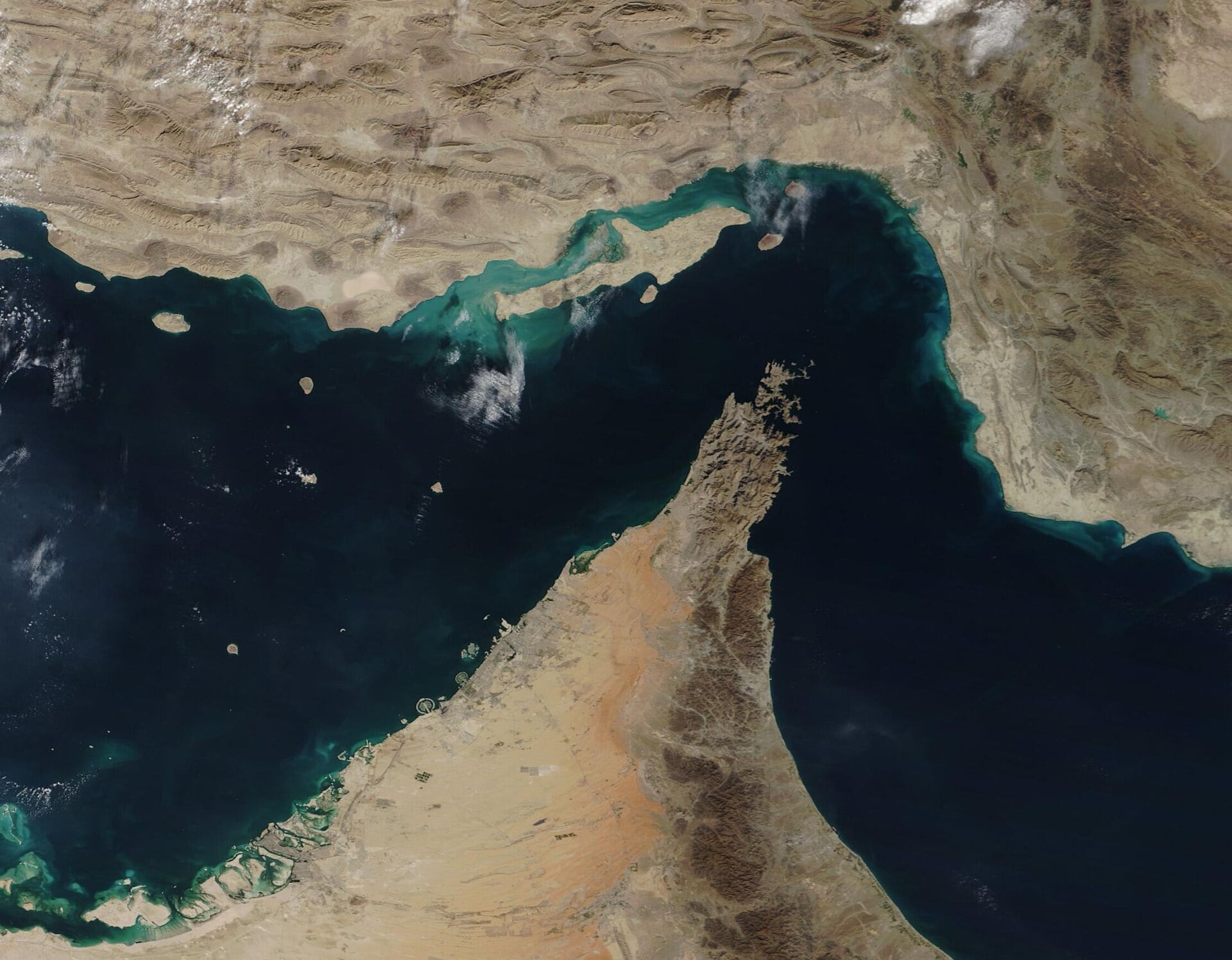
The Strait of Hormuz is one of the most critical shipping lanes in the world, linking the Persian Gulf with the Gulf of Oman and the Arabian Sea. Every day, millions of barrels of oil pass through this narrow waterway, making it indispensable to the global energy market. The potential closure or disruption of this passage has far-reaching consequences for global oil prices, trade, and maritime security. With Iran’s recent actions, the strait has become a focal point in the escalating tensions between Iran, the U.S., and Israel.
Iran has long maintained that it has the right to control access to the Strait of Hormuz, asserting that it is within their sovereign rights to impose conditions on vessels passing through, especially if they are associated with nations they consider adversaries.
Selective Access and Political Alignment
While the claim of a uniform $2 million fee has yet to be proven, it is clear that Iran has been using selective access to the Strait of Hormuz as a political tool. Iranian officials have stated that the strait is not closed but that access is dependent on political alignment. Vessels from nations considered hostile, particularly the U.S. and Israel, may be denied passage, while others may be granted access under specific security arrangements.
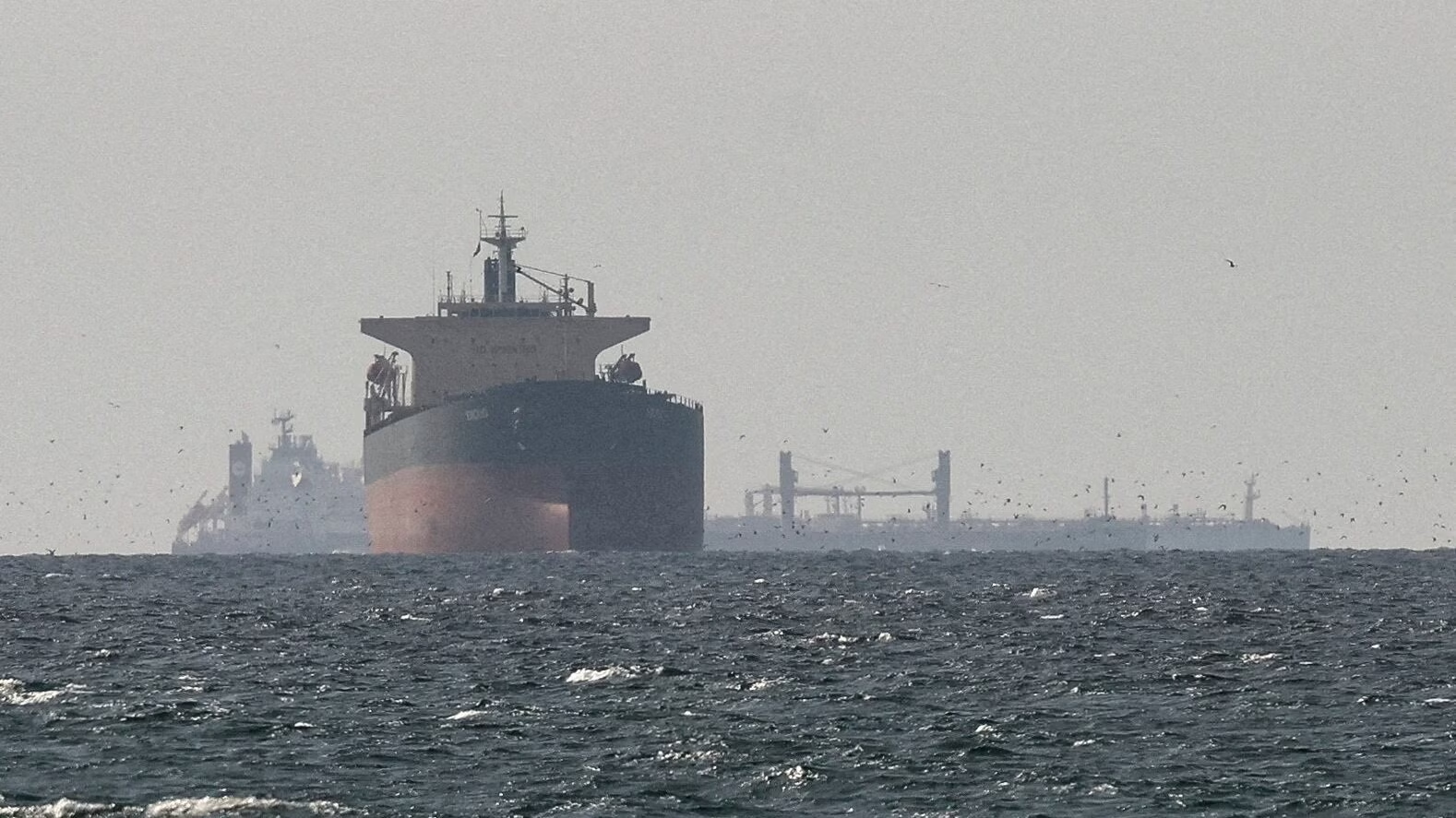
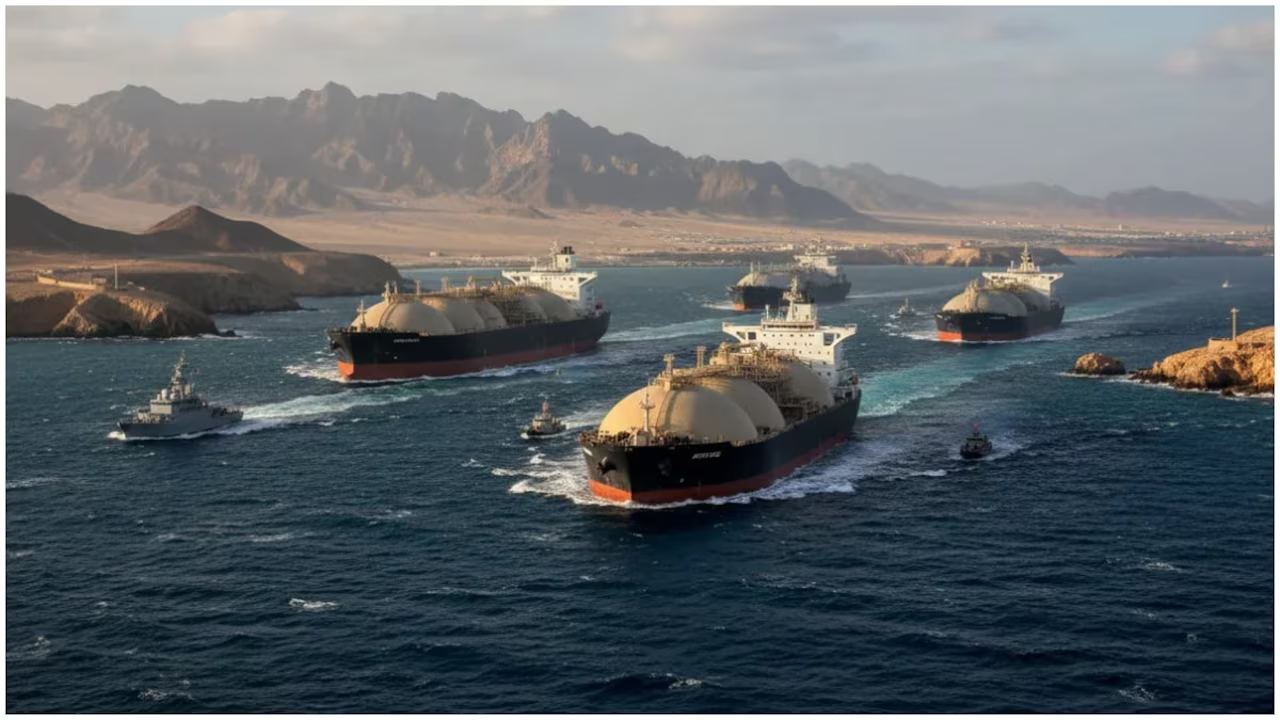
Iran has insisted that ships must coordinate with Iranian authorities and comply with the country’s security protocols to navigate the strait safely. This selective approach has already been evidenced by reports of certain vessels, such as Indian-flagged ships carrying liquefied petroleum gas, being granted permission to pass.
The Economic Impact of Disrupting Maritime Traffic

The disruption of traffic through the Strait of Hormuz would have profound implications for global energy markets. The waterway is crucial for the transport of oil and natural gas, particularly from the Gulf states to global markets. As tensions in the region escalate, fuel prices have surged, and the potential for prolonged supply constraints has raised alarm in international markets.
Reports indicate that the impact of these disruptions is already being felt, with European gas prices rising sharply and other countries experiencing significant increases in fuel costs. The uncertainty surrounding the fate of the Strait of Hormuz is contributing to market volatility, further exacerbating inflationary pressures and threatening global economic stability.
Iran’s Use of Economic Leverage in the Conflict
The potential $2 million transit fee, if enforced, would represent Iran’s attempt to leverage its control over this vital chokepoint as a form of economic warfare. By imposing such a fee, Iran would generate significant revenue while simultaneously exerting pressure on countries involved in the ongoing conflict. While the fee may seem exorbitant, it reflects the growing economic burden of the war and Tehran’s desire to secure financial support from those who depend on the strait for oil shipments.
In addition to the transit fee, Iran has also taken steps to restrict maritime traffic through the strait, further tightening its control over this vital route. This strategy reflects Iran’s broader goal of asserting its influence in the region, particularly in the face of U.S. military presence and its partnership with Israel.
Global Reactions and the Role of the United States
The United States, under President Donald Trump, has expressed its concerns over Iran’s actions in the Strait of Hormuz. Trump issued a direct ultimatum to Iran, demanding that it fully reopen the waterway within 48 hours, threatening military action if Iran did not comply. The U.S. has made it clear that it will not tolerate Iran’s selective control over the strait and has deployed military assets to the region in response to the escalating situation.
In addition to the U.S. response, countries that rely on the Strait of Hormuz for oil shipments, such as Japan and India, have raised concerns about the potential disruption to global trade. These nations, along with international organizations, are closely monitoring the situation and pushing for de-escalation to ensure the free passage of vessels through this crucial waterway.
Iran’s Military Threats and the Potential for Conflict
In response to the mounting pressure, Iran has issued its own warnings, vowing to retaliate if its energy infrastructure is attacked. Iranian officials, including military spokesman Ebrahim Zolfaqari, have stated that the country will target U.S. and Israeli infrastructure in the region if attacks on its power plants or energy facilities occur.
Iran has also threatened to close the Strait of Hormuz entirely until its damaged infrastructure is repaired. This move would have catastrophic consequences for global energy markets, as the disruption of oil supplies would trigger price hikes and fuel shortages across multiple sectors. The possibility of such a drastic action has added a layer of uncertainty to the situation, as countries brace for the potential fallout from any escalation.
The Role of Israel in the Tensions
Israel has been a key ally of the United States in the conflict with Iran. Over the past several months, Israel has conducted military operations against Iranian targets, including missile facilities and military bases. These strikes have significantly reduced Iran’s missile capabilities but have also heightened tensions in the region.
Israeli officials have expressed support for U.S. efforts to curb Iran’s influence in the region, but there are growing concerns about the impact of Israeli actions on the broader Middle East. As Israel continues its military operations, the situation in Lebanon and other countries supporting Iran, such as Hezbollah, is also deteriorating, raising the possibility of a broader regional conflict.
The International Impact and the Risk of War
The standoff in the Strait of Hormuz is more than just a regional conflict; it has global implications. The tension over control of this key maritime route is threatening to destabilize international energy markets, and countries around the world are closely monitoring the situation. The risk of full-scale war looms large, with the potential for military action escalating further if diplomatic efforts fail.
The economic consequences of such a conflict would be felt across the globe, from rising fuel prices to increased inflation. For countries that rely heavily on oil imports, such as those in Europe and Asia, the stakes are even higher. As the situation unfolds, the world watches closely to see whether diplomacy can avert disaster or if military escalation will follow.
Diplomatic Solutions and Continued Tensions
The future of the Strait of Hormuz remains uncertain, with Iran’s selective control over the waterway continuing to raise concerns. While the U.S. has made it clear that it will not tolerate Iran’s actions, there is still hope that diplomatic negotiations can provide a peaceful solution. However, the situation remains fragile, and the possibility of military escalation remains a real threat.
As countries like the United States, Israel, and Iran continue to jockey for influence in the region, the international community will need to work together to de-escalate tensions and ensure the continued free flow of trade through the Strait of Hormuz. The stakes are high, and the outcome of this conflict will shape the future of global energy markets and geopolitical stability.
Conclusion
The situation in the Strait of Hormuz is a critical one for global trade, energy, and security. Iran’s actions, including the alleged imposition of a $2 million fee for ships passing through the waterway, have added a new layer of complexity to an already volatile region. With the potential for military escalation and the disruption of global oil supplies, the world must closely watch the developments in this key chokepoint. The path ahead is uncertain, and the international community will need to work together to prevent further conflict and ensure the stability of global energy markets.