
Table of Contents
- Record-Breaking Mission
- The Pay Scale for NASA Astronauts
- NASA’s Pay Scale and Compensation
- The Role of Training in Astronaut Pay
- The Unique Case of Jeremy Hansen
- The Personal Preferences in Menu Selection
- The Astronauts’ Experiences in Space
- The Global Importance of the Artemis II Mission
- The Importance of Public Engagement with Space Missions
- The Future of Space Exploration and Astronaut Compensation
- Conclusion
Record-Breaking Mission
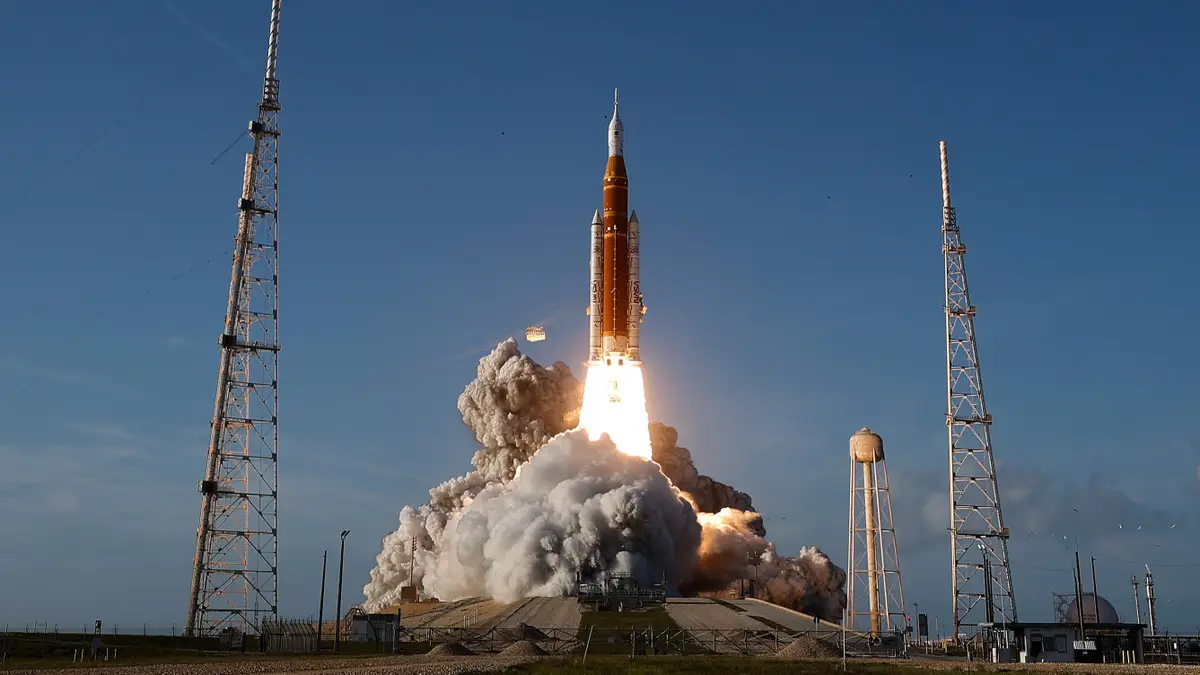
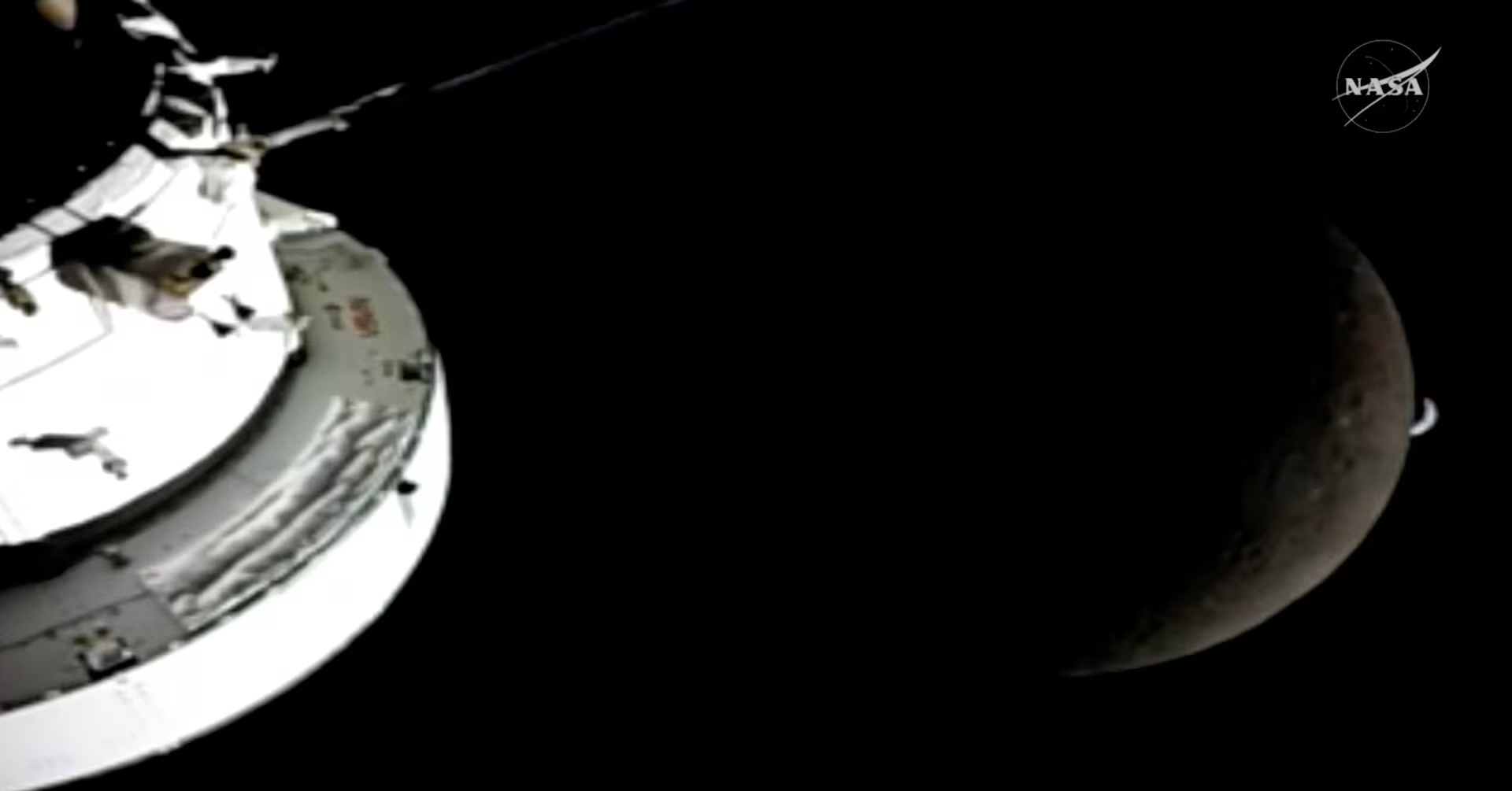
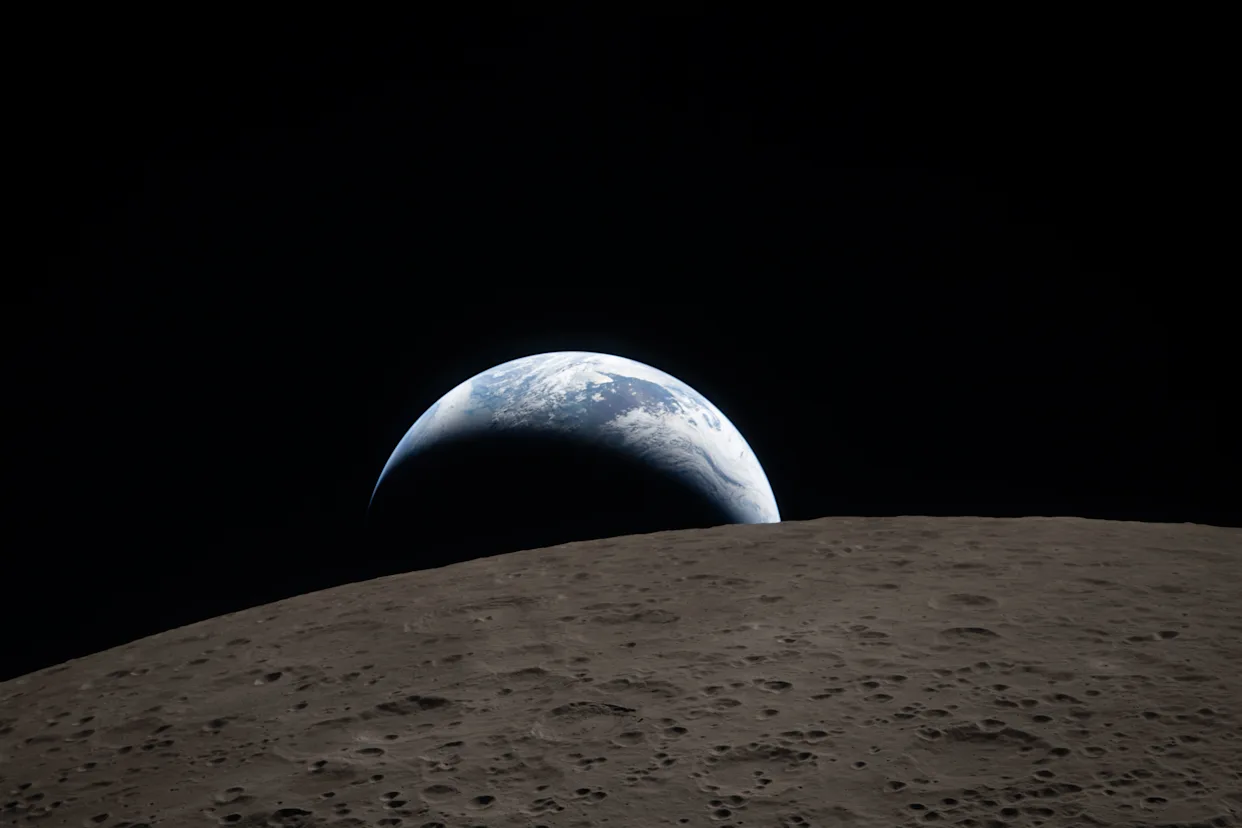
On April 1, 2026, the Artemis II crew launched into space, taking a historic flight to the Moon. Their mission is the first crewed lunar flyby since Apollo 17 in 1972, marking a significant milestone in NASA’s plans to return humans to the Moon and eventually send astronauts to Mars. As the astronauts journey into deep space, they have already passed the furthest point that any human has ever traveled from Earth. This groundbreaking achievement has captured the attention of people around the world, as the crew’s work takes them into uncharted territory.
The Pay Scale for NASA Astronauts
Astronauts working for NASA are compensated according to the U.S. government’s General Schedule (GS) pay scale, which covers federal employees. The exact salary of each astronaut depends on their rank, experience, and qualifications. Most astronauts fall within the GS-13 to GS-14 range, which is standard for highly skilled professionals with years of training and expertise. Depending on their position within the GS scale, the astronauts on Artemis II could expect to earn between $120,000 and $190,000 annually.
NASA’s Pay Scale and Compensation

NASA astronauts are typically paid between GS-13 and GS-14, with the starting salary for a GS-13 astronaut being around $120,000 a year. A GS-14 astronaut, on the other hand, can earn up to $190,000 annually, depending on their experience and other factors. The base salary is determined by the GS pay scale, which ranges from GS-1 to GS-15. However, additional benefits such as health insurance, retirement plans, and bonuses are also part of the overall compensation package for astronauts.
NASA has been transparent about astronaut salaries, and in 2025, it was revealed that the average salary for an astronaut is around $152,000 per year. This figure is an approximation based on the 2024 pay schedule and can vary depending on the astronaut’s individual circumstances, such as seniority and specialization. It’s important to note that this salary is fixed, with no additional pay for the long hours and strenuous training astronauts undergo.
The Role of Training in Astronaut Pay

Becoming a NASA astronaut is no easy feat. The rigorous selection process ensures that only the most qualified individuals are chosen for space missions. Astronauts must undergo years of training, which includes physical fitness tests, survival training, and mastering complex systems such as robotics and space technologies. They also need a strong background in science, engineering, or piloting. The amount of time and effort invested in preparing for a mission such as Artemis II is immense, but despite this, astronauts are compensated according to the federal pay scale, not their personal sacrifices or the dangers they face.
While the job itself is prestigious and highly sought after, the pay is not typically considered high compared to the skills and training required. Former astronaut Nicole Stott, in an interview, said, “Not a lot of people become astronauts for the money. It’s a government civil servant position.” Astronauts are motivated by their passion for space exploration and the opportunity to contribute to humanity’s knowledge, not by financial incentives.
The Unique Case of Jeremy Hansen
One astronaut on the Artemis II mission is on a different pay scale. Jeremy Hansen, the Canadian astronaut, is being compensated by the Canadian Space Agency (CSA), rather than NASA. According to 2023 data, CSA astronauts earn between $97,100 and $189,600 annually, depending on their experience and tenure. While Hansen’s pay scale is different from his American counterparts, the pay range is still competitive, reflecting the specialized skills and extensive training required for space missions.
Hansen’s inclusion on the Artemis II mission marks a significant moment for Canadian space exploration, as it highlights the strong partnership between NASA and the Canadian Space Agency. The pay disparity between U.S. and Canadian astronauts is a result of the different national pay structures but does not diminish the crucial role that Hansen plays in the mission.
The Personal Preferences in Menu Selection
Astronauts on the Artemis II mission were able to select personal food preferences for the mission, which adds another layer of personalization to their experience. Among the 189 items on the crew’s menu, Nutella became an unexpected star after a jar of the chocolate hazelnut spread floated through the spacecraft during a livestream, going viral on social media. The selection of Nutella for the mission menu suggests that astronauts are given a degree of input into their onboard experience, which includes choosing comfort foods that can help with morale during the long and isolating journey.
Alongside Nutella, the menu also included a range of other foods that were carefully chosen to meet both nutritional needs and the specific requirements of the spacecraft. These items, which ranged from vegetable quiche to mango salad, were designed to be shelf-stable and easy to prepare in microgravity. Comfort foods like Nutella, along with other sweet treats, offer astronauts a taste of home during their journey to the Moon and back.
The Astronauts’ Experiences in Space
For the Artemis II astronauts, the journey to the Moon is more than just a professional achievement; it is a deeply personal and emotional experience. Christina Koch, who made history in 2019 as part of the first all-female spacewalk crew, has shared her excitement about returning to space for this mission. The mission’s significance goes beyond the astronauts’ paychecks; it represents the realization of decades of hard work and dedication to advancing human space exploration.
The crew has faced challenges along the way, such as a malfunctioning toilet on board the spacecraft, which added an element of stress to the mission. Despite these setbacks, the astronauts remain focused on their goals, knowing that their work will pave the way for future missions to the Moon and Mars.
The Global Importance of the Artemis II Mission
The Artemis II mission is more than just a personal achievement for the astronauts; it is a crucial step in NASA’s long-term plans for lunar exploration. The mission serves as a test for the Orion spacecraft, which will be used in future missions to the Moon and beyond. The success of Artemis II will set the stage for NASA’s Artemis III mission, which aims to land the first woman and the next man on the Moon by 2025.
As the crew flies farther into space than any humans before them, they are making history not only for the United States but for the entire world. The mission represents the collective effort of countless scientists, engineers, and astronauts, all working together to push the boundaries of human knowledge and capability.
The Importance of Public Engagement with Space Missions

The Artemis II mission has captured the public’s imagination, with many people following the crew’s progress through live streams and social media updates. The viral moment with Nutella is just one example of how social media has brought space exploration closer to the public. By engaging with these moments, NASA and other space agencies are able to inspire a new generation of scientists, engineers, and explorers.
Public interest in space exploration is crucial for securing funding and support for future missions. As humanity looks to expand its reach beyond Earth, missions like Artemis II serve as a reminder of the importance of continued investment in space technology and exploration.
The Future of Space Exploration and Astronaut Compensation

As NASA continues its plans for future space missions, including plans for Mars exploration, the role of astronauts will continue to evolve. The pay structure for astronauts may also change, reflecting the increasing complexity and scope of space missions. However, as astronauts like those on the Artemis II mission demonstrate, the true rewards of space exploration are not financial. The opportunity to make history and contribute to humanity’s understanding of space is a powerful motivator for these astronauts, who are willing to sacrifice their time and effort for the greater good.
Conclusion
The pay for Artemis II astronauts, while based on a standard government pay scale, is far from the main driver of their participation in this groundbreaking mission. Their journey represents the culmination of years of training and dedication, as well as the realization of a historic goal for human space exploration. As NASA pushes forward with plans for lunar and Martian exploration, the sacrifices and achievements of astronauts like Reid Wiseman, Christina Koch, Victor Glover, and Jeremy Hansen will continue to inspire future generations of explorers.