
Table of Contents
- The Anti-Muslim Remarks
- CAIR Labels Tuberville an Extremist
- Tuberville’s Reaction
- The Backlash from Political Opponents
- Legislative Proposals Targeting Muslims
- The Controversial Nature of Sharia Law Bills
- Tuberville’s Comments on Immigrants
- The Islamic Academy of Alabama Controversy
- Broader Implications for the State and Nation
- Moving Forward: Calls for Accountability
- Conclusion
The Anti-Muslim Remarks
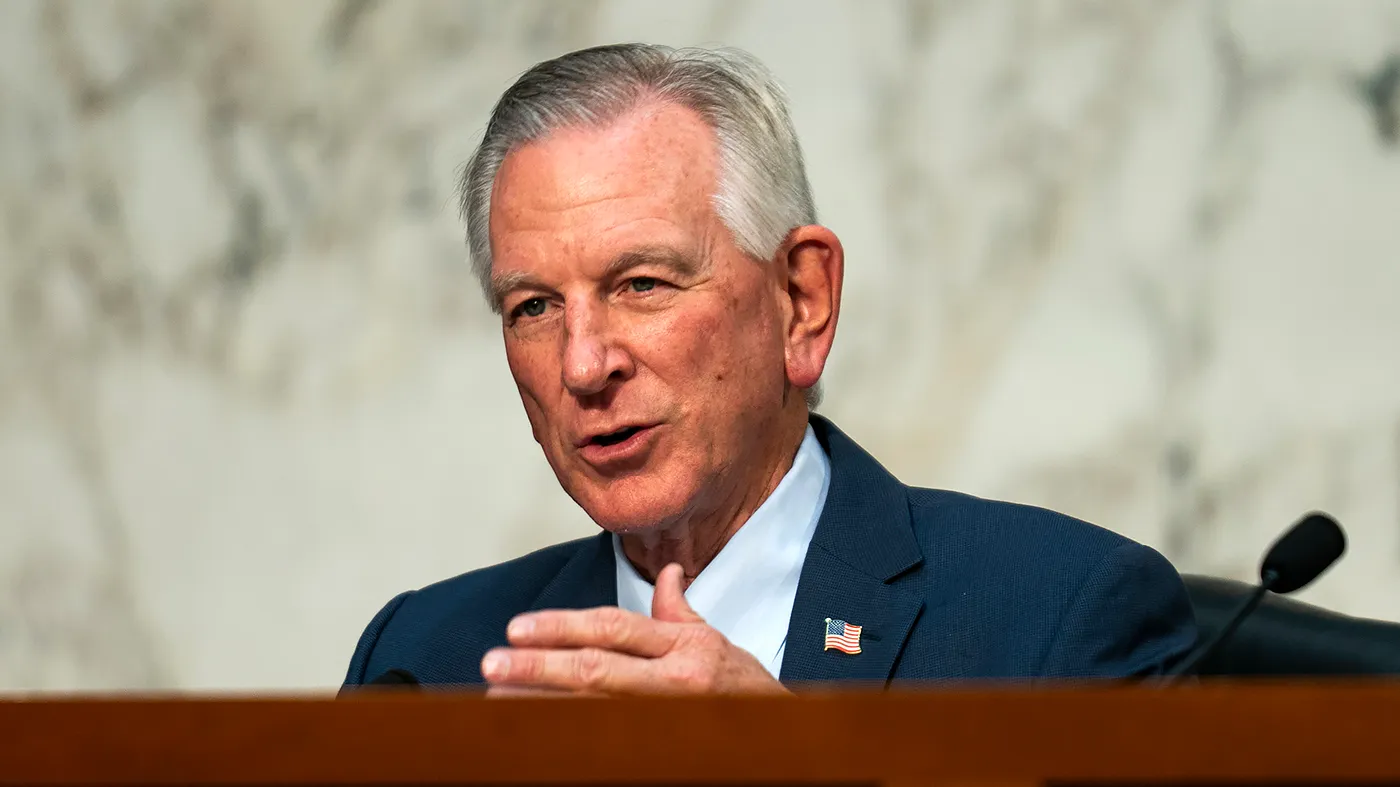
Senator Tuberville’s recent actions have sparked significant public outcry. His controversial statements included a call for the deportation of Muslims living in the United States, as well as disparaging remarks about the Islamic faith. The remarks followed the introduction of two bills targeting Muslims in the U.S., marking a significant escalation in Tuberville’s verbal assaults on the Muslim community. Tuberville’s inflammatory rhetoric has drawn widespread condemnation, with critics accusing him of promoting religious intolerance.
CAIR Labels Tuberville an Extremist
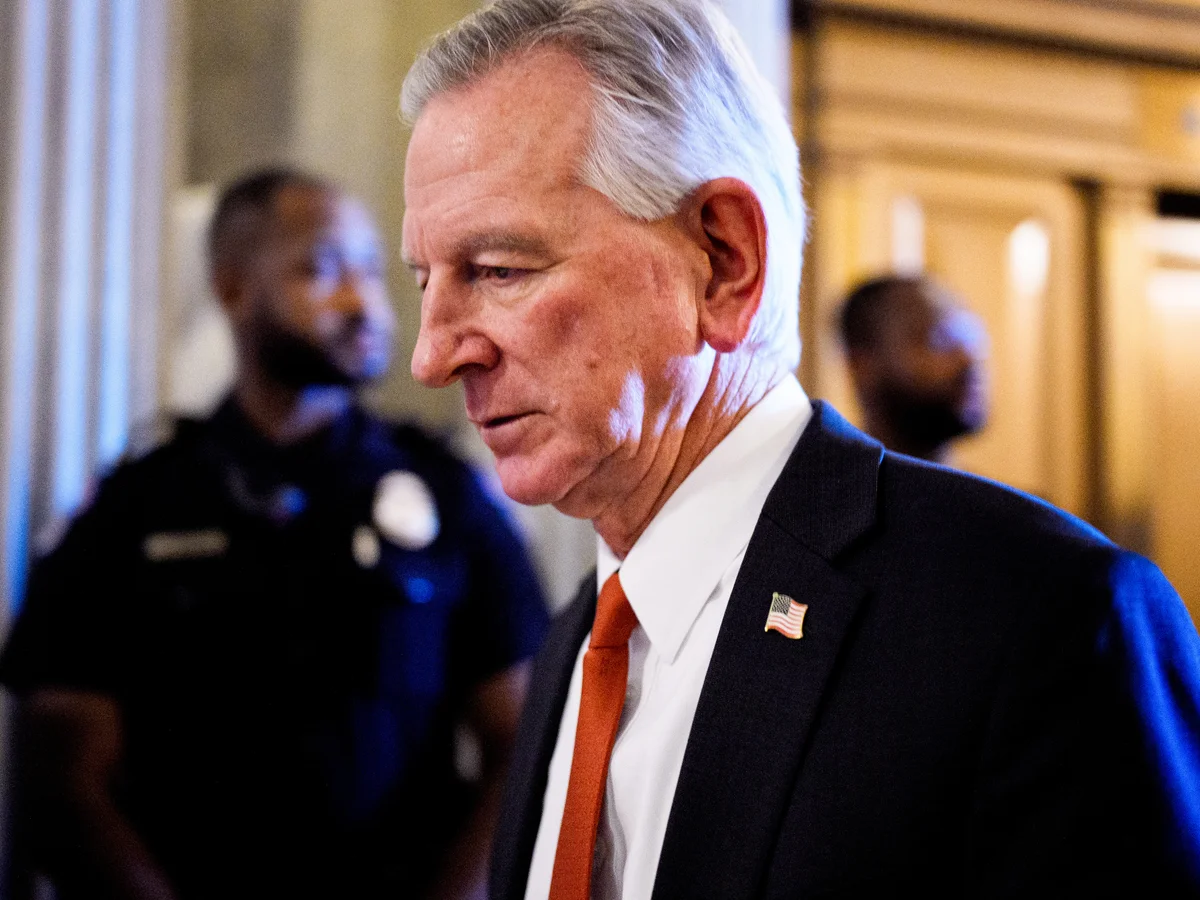
The Council on American-Islamic Relations (CAIR), a leading civil rights organization that advocates for the rights of Muslim Americans, quickly responded to Tuberville’s remarks by placing him on its list of anti-Muslim extremists. Corey Saylor, CAIR’s research and advocacy director, described Tuberville’s actions as a full-blown attack on Muslims and called his behavior Islamophobic. Saylor’s comments underscore the gravity of the situation, with Tuberville’s actions being recognized as a direct assault on the Islamic faith and its followers in the United States.
Tuberville’s Reaction
In a move that only further fueled the controversy, Tuberville reacted to his placement on the extremist list by embracing the label. In a post on X (formerly Twitter), he claimed that being labeled an extremist by CAIR was a “badge of honor.” This response has drawn even more ire from critics, many of whom argue that such an attitude only exacerbates the divisions and distrust between different communities in the U.S.
The Backlash from Political Opponents

Former U.S. Senator Doug Jones, a Democrat from Alabama, has been vocal in his condemnation of Tuberville’s remarks. In an interview, Jones expressed his disbelief that a sitting U.S. senator would engage in such bigoted behavior, calling Tuberville’s comments “sad” and “divisive.” Jones also stressed the importance of creating an inclusive and welcoming state for all, regardless of religious background. Jones’s criticism has been echoed by other political figures, who have raised concerns about Tuberville’s ability to represent all of his constituents fairly.
Legislative Proposals Targeting Muslims
In addition to his controversial statements, Tuberville has introduced legislative measures that target Muslims in the U.S. One such bill, the “No Sharia Act,” seeks to prohibit courts from enforcing foreign laws, including Islamic law (Sharia), within the U.S. The bill also aims to invalidate any contract that violates U.S. law by involving Sharia. Another bill, the “Preserving a Sharia-Free America Act,” seeks to restrict immigration benefits for individuals who advocate for Sharia law or fail to disclose such support to U.S. authorities. These bills have drawn sharp criticism from both Muslim advocacy groups and lawmakers who view them as discriminatory.
The Controversial Nature of Sharia Law Bills
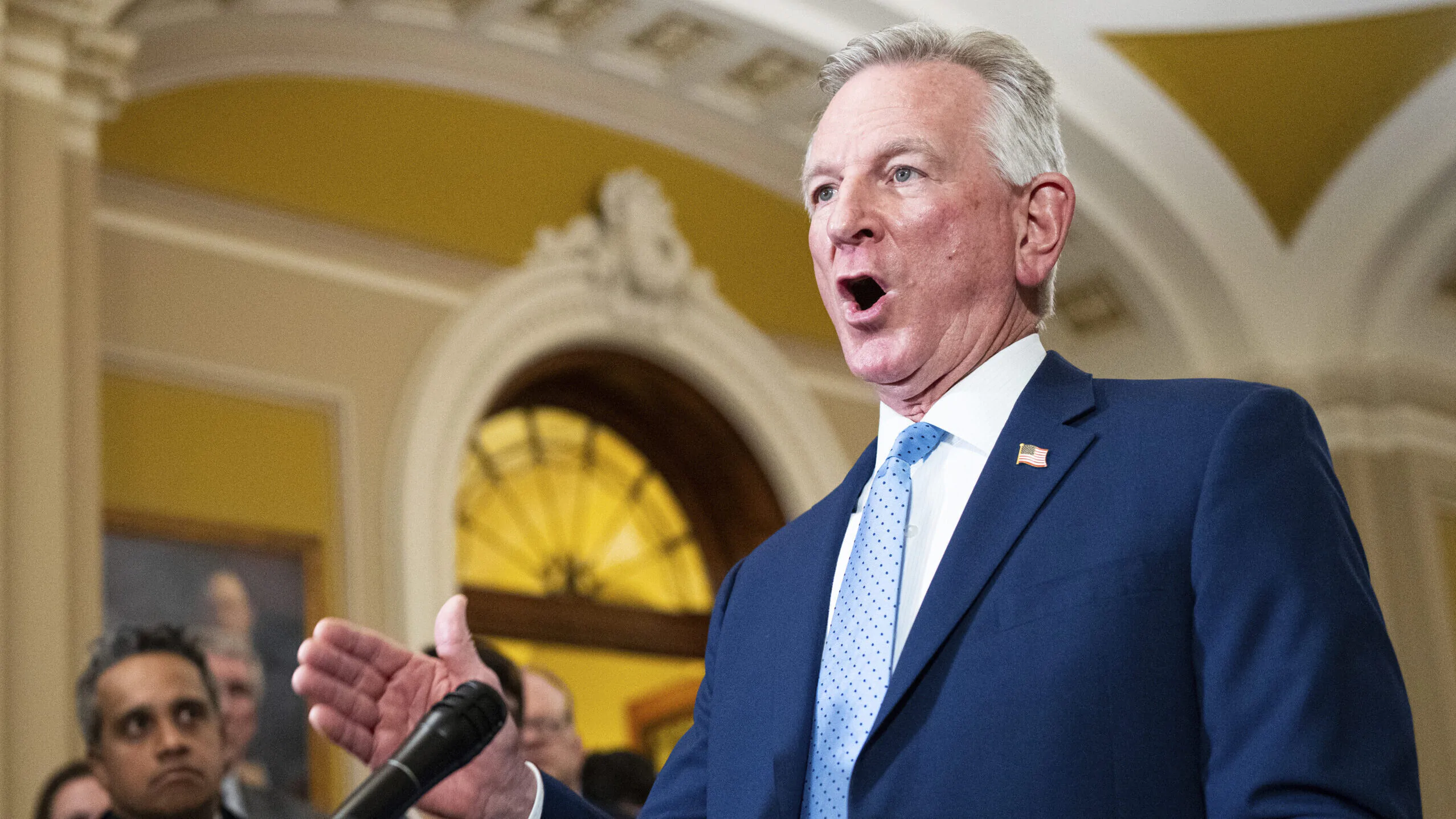
The bills introduced by Tuberville have sparked heated debate, particularly among legal experts and religious freedom advocates. Sharia law, which is derived from Islamic texts and traditions, varies in interpretation and application across different countries and communities. Tuberville’s bills have been criticized for oversimplifying the complexities of Sharia law and for framing it as a threat to American values. Critics argue that such measures are based on fear and misinformation, leading to the stigmatization of an entire religious group.
Tuberville’s Comments on Immigrants
Tuberville has also made inflammatory remarks about Muslim immigrants, particularly those from Somalia, who have settled in Minnesota. He has accused them of stealing from taxpayers and sending money to terrorists. These claims, which were made without evidence, have been debunked by numerous fact-checkers and community leaders. The senator’s rhetoric has fueled stereotypes and mistrust, particularly against Somali-American communities, who have long been the subject of baseless accusations from anti-immigrant groups.
The Islamic Academy of Alabama Controversy
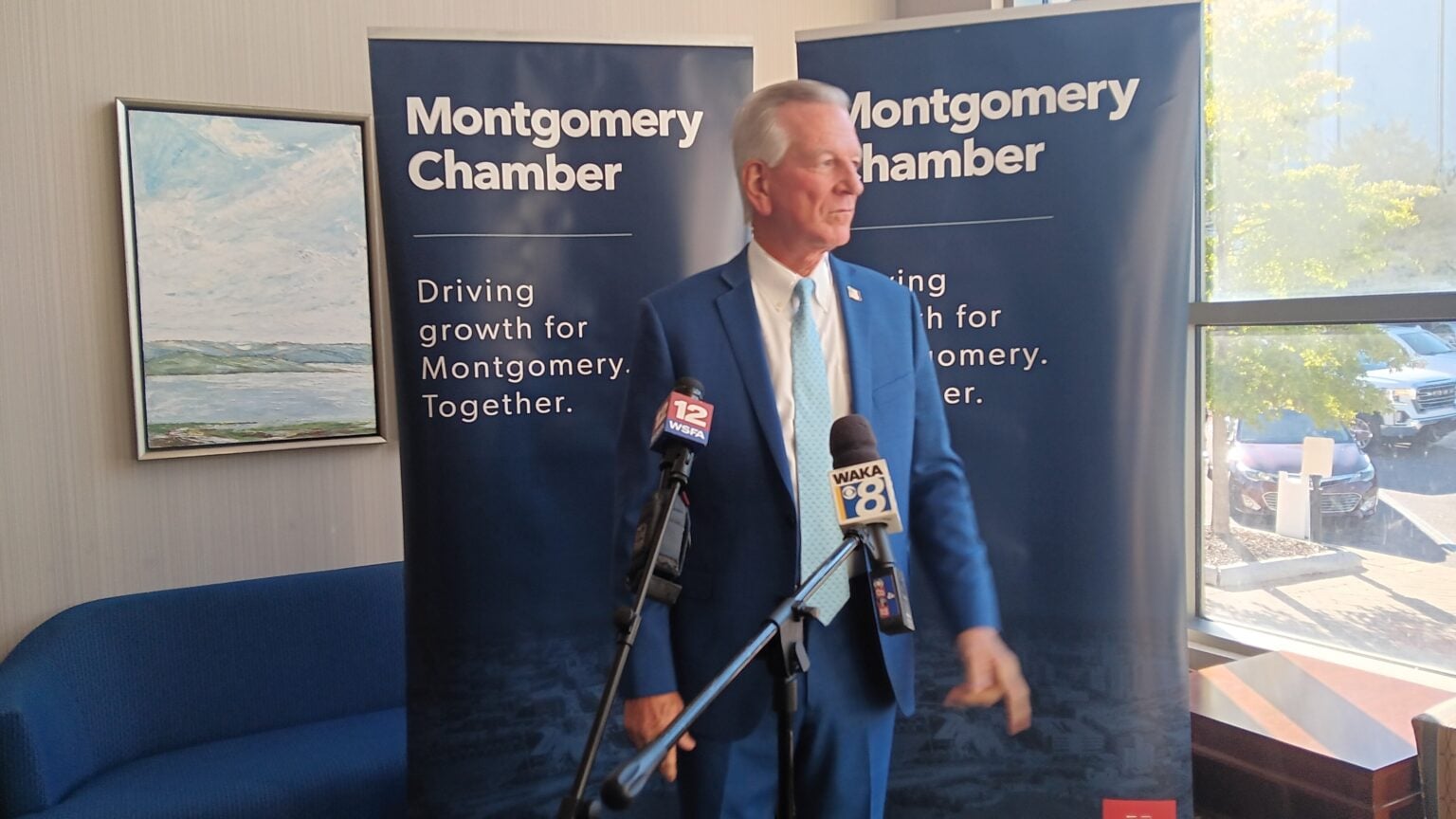
Another flashpoint in Tuberville’s anti-Muslim campaign occurred when he commented on the Islamic Academy of Alabama. The school, which had proposed relocating its facilities to Hoover, Alabama, faced opposition from Tuberville and others who have made unfounded allegations about the school’s purpose and activities. Tuberville openly called for the school’s closure, stating that the academy should be “moving out of Alabama and out of our country.” The comments led to threats and increased tension in the community. The school’s administration denied all allegations, stating that the claims were unfounded and that their mission is to educate students while teaching them about their faith.
Broader Implications for the State and Nation
Tuberville’s actions have raised important questions about the role of elected officials in fostering religious tolerance and inclusion. His remarks and proposals are not just attacks on Muslims, but on the values of equality and respect that many Americans hold dear. As the nation grapples with issues of religious freedom and the treatment of immigrants, Tuberville’s behavior serves as a stark reminder of the challenges facing Muslim communities in the U.S. today. His actions threaten to deepen divisions and undermine the progress made in promoting tolerance and understanding.
Moving Forward: Calls for Accountability
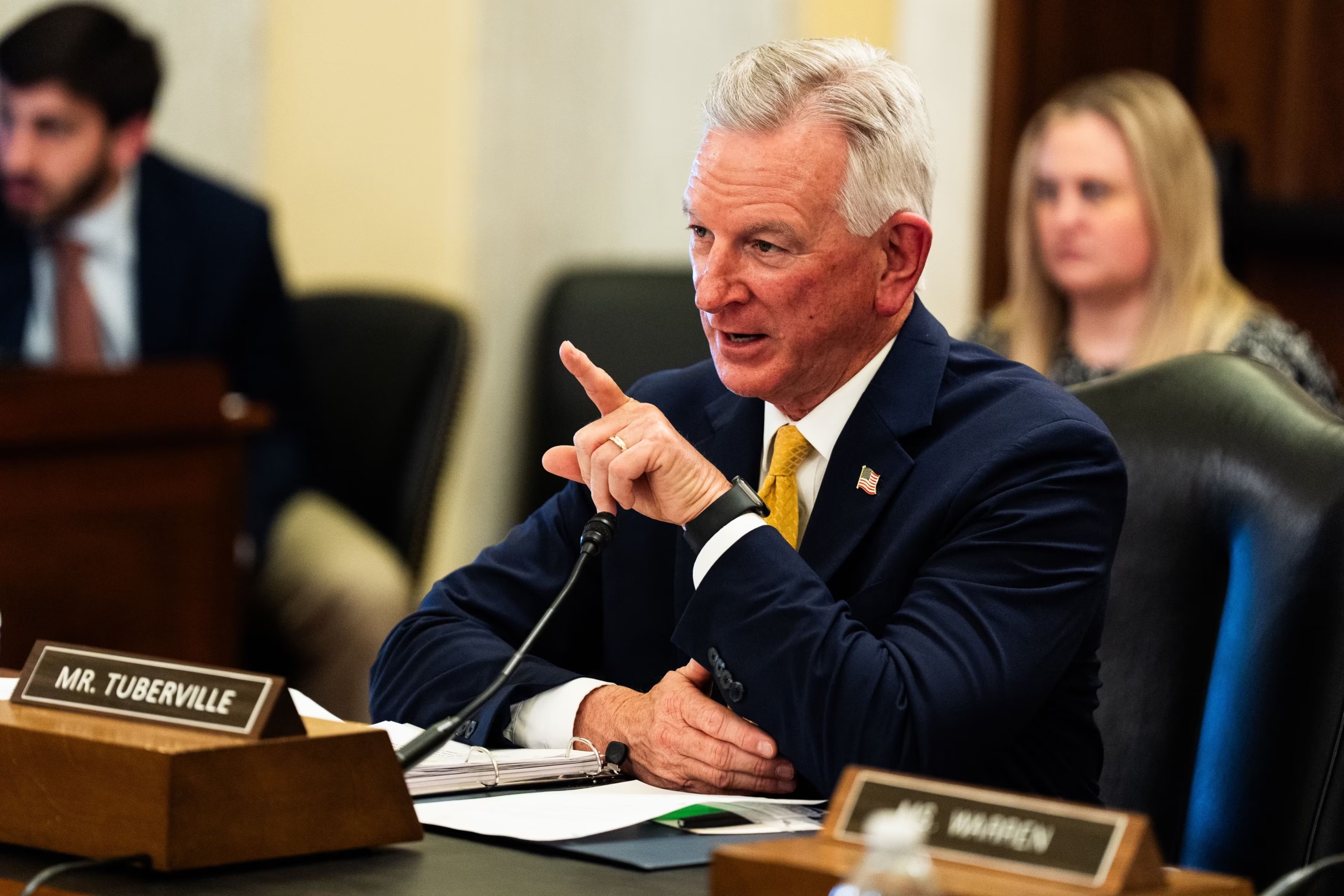
As the backlash against Tuberville continues to grow, calls for accountability are mounting. Advocates for religious freedom and civil rights groups are urging the Senate to take action against Tuberville’s rhetoric and his discriminatory legislative efforts. While the senator remains defiant, his words and actions have exposed a troubling strain of Islamophobia that continues to thrive in certain corners of American politics. The hope is that this moment will serve as a catalyst for greater awareness and action to combat bigotry in all its forms.
Conclusion
Senator Tommy Tuberville’s inflammatory remarks and anti-Muslim legislative proposals have sparked widespread controversy, earning him a spot on CAIR’s list of anti-Muslim extremists. While Tuberville embraces the extremist label, political opponents, religious groups, and civil rights advocates are calling for accountability. His remarks about Muslim Americans, immigrants, and institutions like the Islamic Academy of Alabama have only fueled divisions within Alabama and the wider U.S. The situation highlights the ongoing struggle for religious tolerance in America, and the need for lawmakers to lead by example in promoting unity and respect for all faiths.