
Table of Contents
- When a Draft Debate Became Personal
- Why Barron Trump Became Part of the Conversation
- The Height Issue Behind the Exemption Talk
- Public Anger Over Draft Fairness
- The Shadow of Donald Trump’s Draft History
- A Young Adult in a Political Storm
- Why the Draft Fear Feels So Powerful
- What Military Exemptions Really Mean
- The Role of Social Media Outrage
- A Debate Bigger Than One Family
When a Draft Debate Became Personal
When talk of a possible military draft began spreading across social media, one name quickly became part of the national conversation: Barron Trump. The youngest son of President Donald Trump suddenly found himself at the center of a heated debate after online users questioned whether members of the Trump family would be expected to serve if the United States entered a larger military conflict.
The discussion grew louder after reports of American involvement in strikes connected to Iran raised public anxiety about war, troop deployment, and the possibility of expanded military action. As fear and anger moved across social platforms, many Americans began asking a simple but emotionally charged question: if ordinary families are expected to send their sons and daughters to war, should political families be held to the same standard?
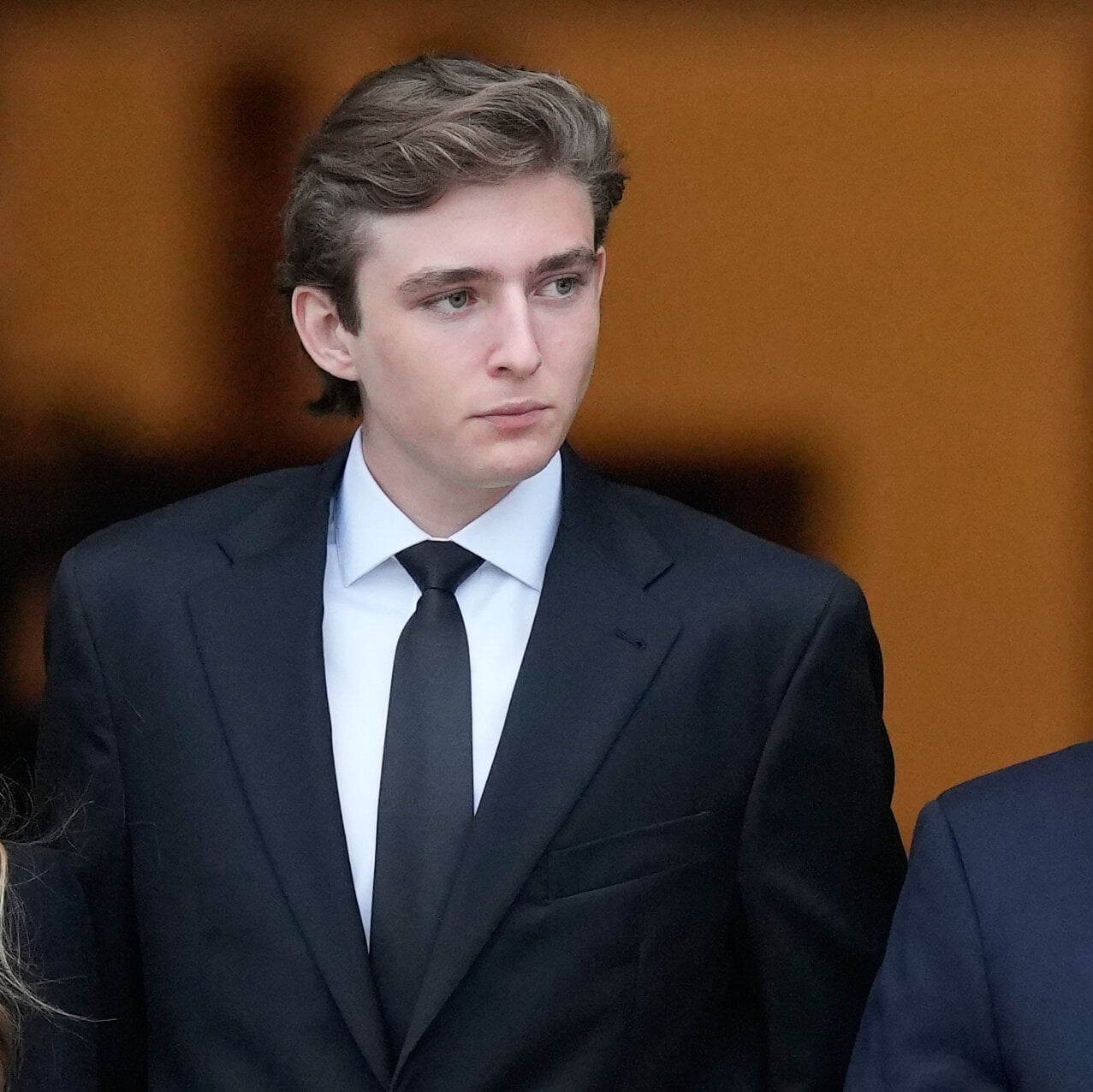
That question became even more complicated when attention turned to Barron Trump’s physical profile. At around 6 feet 7 inches tall, he may exceed certain military height standards for specific roles, especially those involving confined spaces, vehicles, aircraft, or specialized equipment. While that does not automatically mean he would be exempt from every form of service, it sparked intense speculation that his height could become a medical or administrative barrier to military enlistment.
Why Barron Trump Became Part of the Conversation
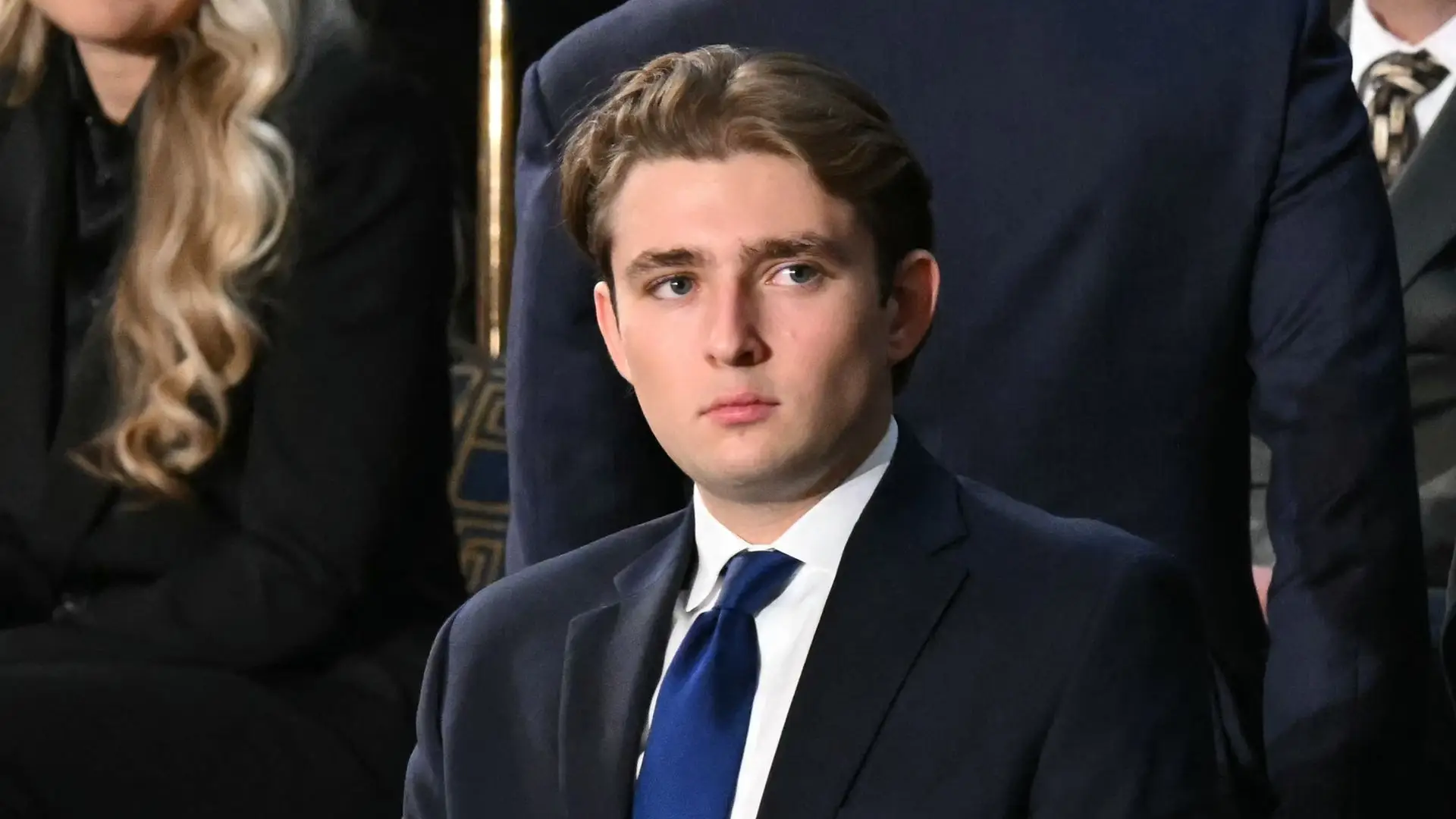
Barron Trump is not a politician, and at 19 years old, he has largely stayed outside the public fights that surround his family. Still, being the son of a sitting president places him in a unique and highly visible position. In moments of national crisis, political symbolism often becomes just as powerful as policy, and his name became a lightning rod for frustration over war, privilege, and sacrifice.
The hashtag #SendBarron began circulating as users expressed anger over the possibility of another military conflict. Some framed the phrase as a challenge to President Trump, suggesting that leaders who support military action should also be willing to see their own family members serve. Others used it as a broader criticism of elite families who are often seen as insulated from the consequences of decisions made in Washington.
The tone online was emotional, sharp, and deeply political. For many critics, Barron’s name was less about him personally and more about what he represents: the distance between those who decide on war and those who may be asked to fight it. That gap has always been one of the most sensitive issues in American politics, especially during periods of international tension.
The Height Issue Behind the Exemption Talk
The most widely discussed point in the article was Barron Trump’s height. Reports have often described him as unusually tall, around 6 feet 7 inches. In military settings, height can matter because service members must safely fit into vehicles, aircraft, uniforms, protective gear, and operational equipment.
Military standards are not always as simple as one fixed rule for every person and every job. Some branches and roles have different physical requirements. A person who is too tall for one role may still qualify for another, depending on the standards in place and whether waivers are available. However, extreme height can create real safety and operational issues, particularly in tanks, armored vehicles, submarines, aircraft, or other tight spaces.
This is why the claim that Barron could face a medical or physical exemption gained attention. The idea was not that height alone always eliminates someone from military service, but that his height could limit eligibility or require special review. In the middle of a viral political debate, that technical detail quickly became a symbol of something much bigger.
Public Anger Over Draft Fairness
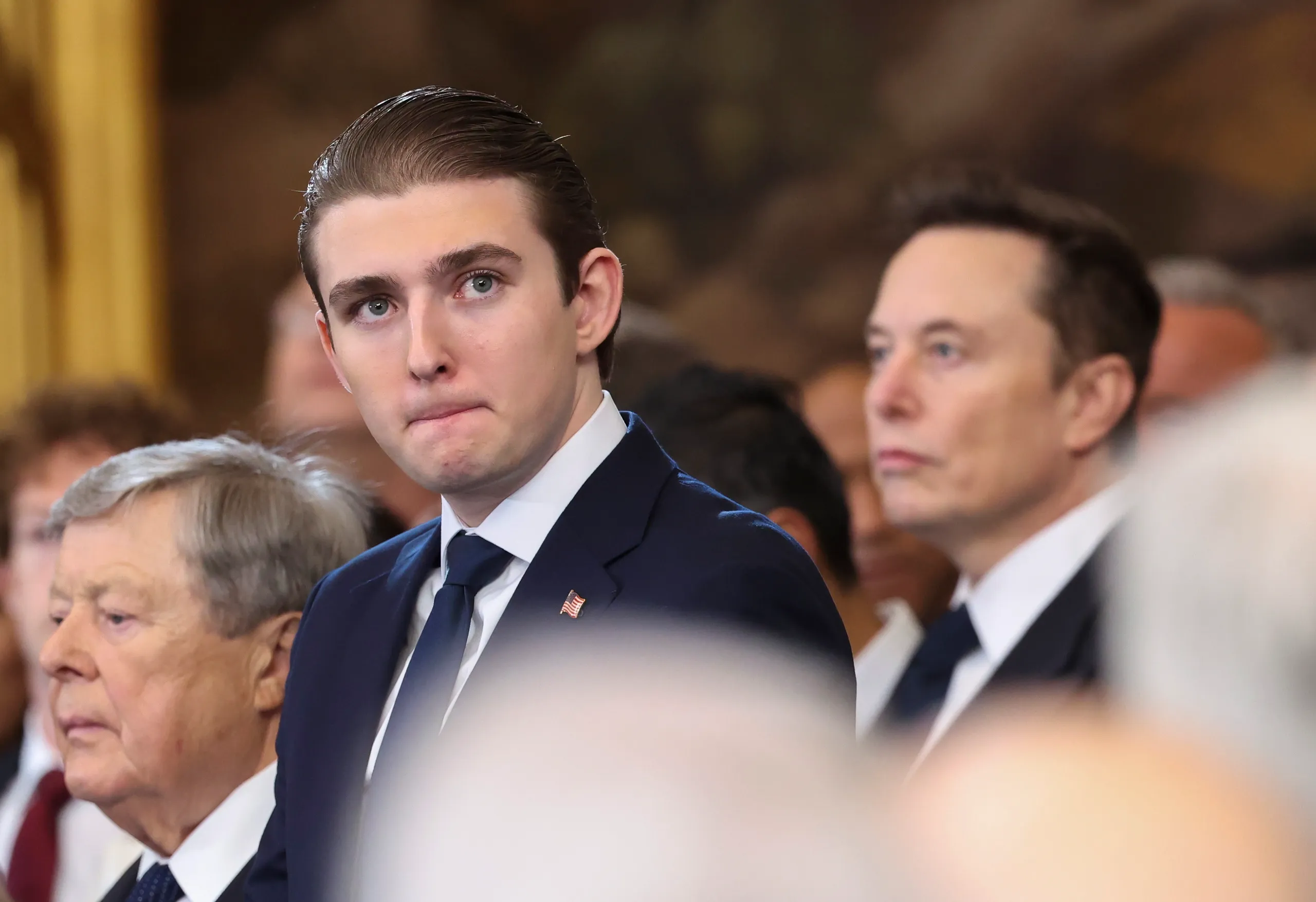
The emotional force behind the debate comes from America’s long and complicated history with military service. Drafts have always raised questions about fairness. Who gets called? Who gets deferred? Who gets exempted? Who has the money, connections, education, or medical paperwork to avoid service?
For many Americans, the idea of a draft touches a deep nerve because military sacrifice is often carried unevenly. Working-class families, rural communities, and families with long military traditions have historically supplied a large share of service members. Meanwhile, wealthy and politically connected families have often faced accusations of avoiding the same risks.
That is why Barron Trump’s situation became more than a question about height. It became a debate about whether the children of powerful leaders should face the same expectations as ordinary citizens. Even if Barron himself has done nothing wrong, his name became part of a larger argument about privilege, patriotism, and accountability.
The Shadow of Donald Trump’s Draft History
The debate also revived long-standing scrutiny of Donald Trump’s own history during the Vietnam War era. Trump received multiple student deferments while attending college and later received a medical deferment related to bone spurs in his heels. That history has followed him throughout his political career, especially when he has spoken about military strength, patriotism, or foreign conflict.
Reports in past years have claimed that a podiatrist who knew the Trump family may have helped provide the diagnosis that allowed Trump to avoid military service. Family members of the doctor have publicly suggested that the diagnosis was done as a favor to Trump’s father, Fred Trump. Trump himself has said he had a medical issue but has also been unable to clearly recall some details, including the doctor’s name.
This history matters because it shapes how the public reacts now. For Trump’s critics, the possibility that Barron could also be exempt from service fits into a broader narrative about powerful families avoiding the risks of war. For supporters, the attacks on Barron are unfair and politically motivated, especially because he is not responsible for his father’s decisions.
A Young Adult in a Political Storm
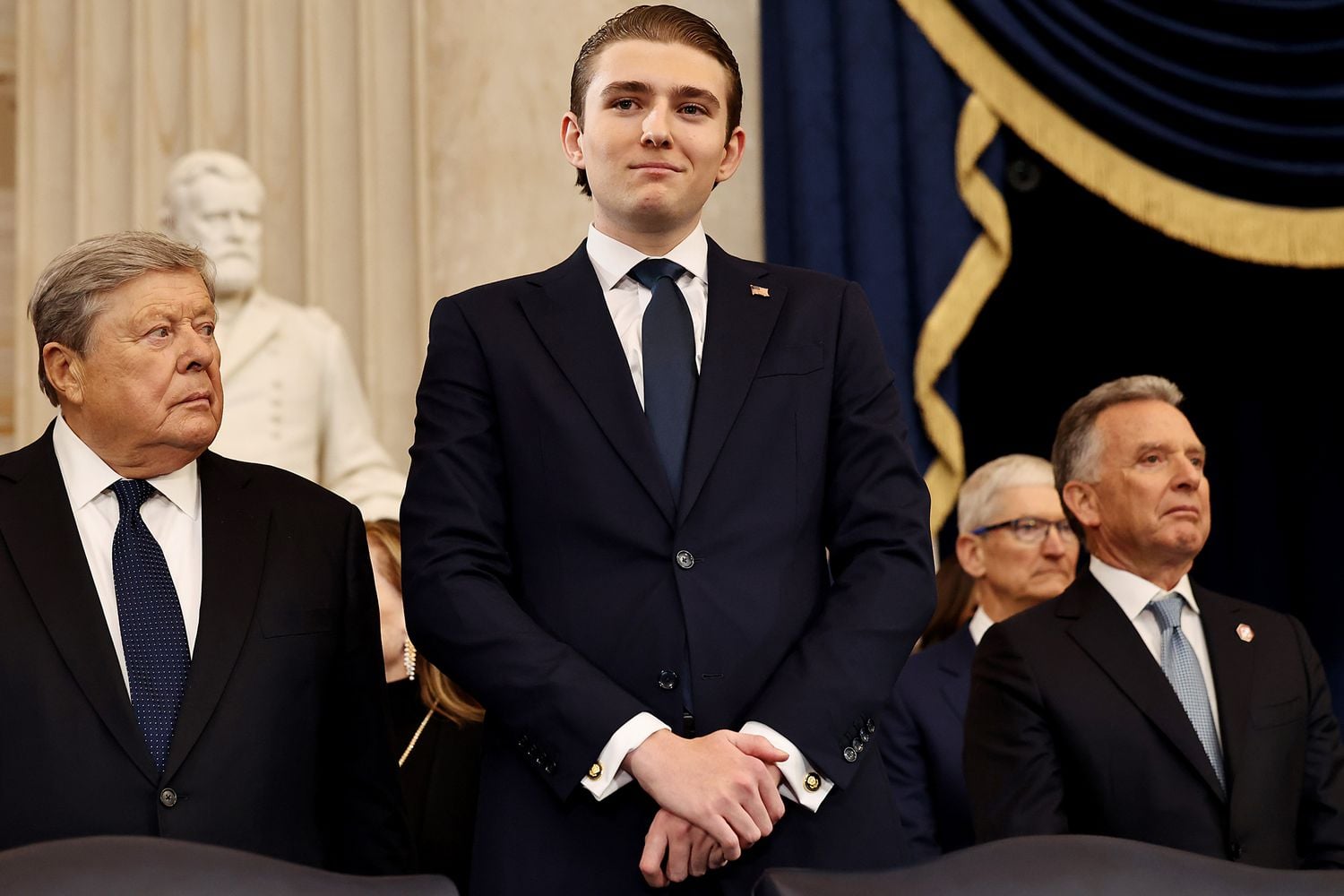
One of the more complicated parts of the debate is Barron’s age and role. He is legally an adult, but he has not chosen a public political career. Unlike Donald Trump Jr., Eric Trump, or Ivanka Trump, Barron has remained mostly private. That makes the public targeting of him more controversial.
Critics argue that the children of presidents inevitably become symbols in national debates, especially when the topic is war. Supporters argue that Barron should not be dragged into political anger, particularly when he has not made policy decisions or public statements about military action.
Both sides reveal something important about modern politics. In today’s media environment, public anger often searches for a face, and the family members of political leaders can quickly become part of the story. That can make a private young adult into a national talking point almost overnight.
Why the Draft Fear Feels So Powerful
The draft has not been used in the United States since the Vietnam War era, but the fear of being forced into military service still carries enormous emotional weight. Even rumors of a draft can create panic because they connect directly to family, survival, and the possibility of young people being sent into danger.
During moments of international conflict, social media often accelerates that fear. Videos of explosions, reports of casualties, and dramatic political statements can make people feel that war is closer than it actually is. In that environment, hashtags like #SendBarron become a way for people to express anger, fear, and distrust.
The debate is not only about Barron Trump’s eligibility. It is also about whether Americans believe their leaders are sharing the risks they ask others to carry. That is why the story traveled so quickly.
What Military Exemptions Really Mean
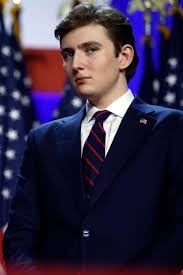
A military exemption does not always mean someone is avoiding service unfairly. Medical and physical standards exist for practical reasons. The military must decide whether a person can safely perform duties without creating risk for themselves or others. Height, vision, hearing, mobility, mental health, and other factors can all become part of that evaluation.
Still, exemptions become controversial when people believe the system favors the wealthy or politically connected. The issue is not just whether a person qualifies or does not qualify. The issue is whether the public trusts the process.
If Barron Trump were ever evaluated for service, his height and overall physical qualifications would likely be reviewed according to existing standards. But the public debate is already moving faster than any official process. Online, the story has become less about technical military rules and more about moral symbolism.
The Role of Social Media Outrage
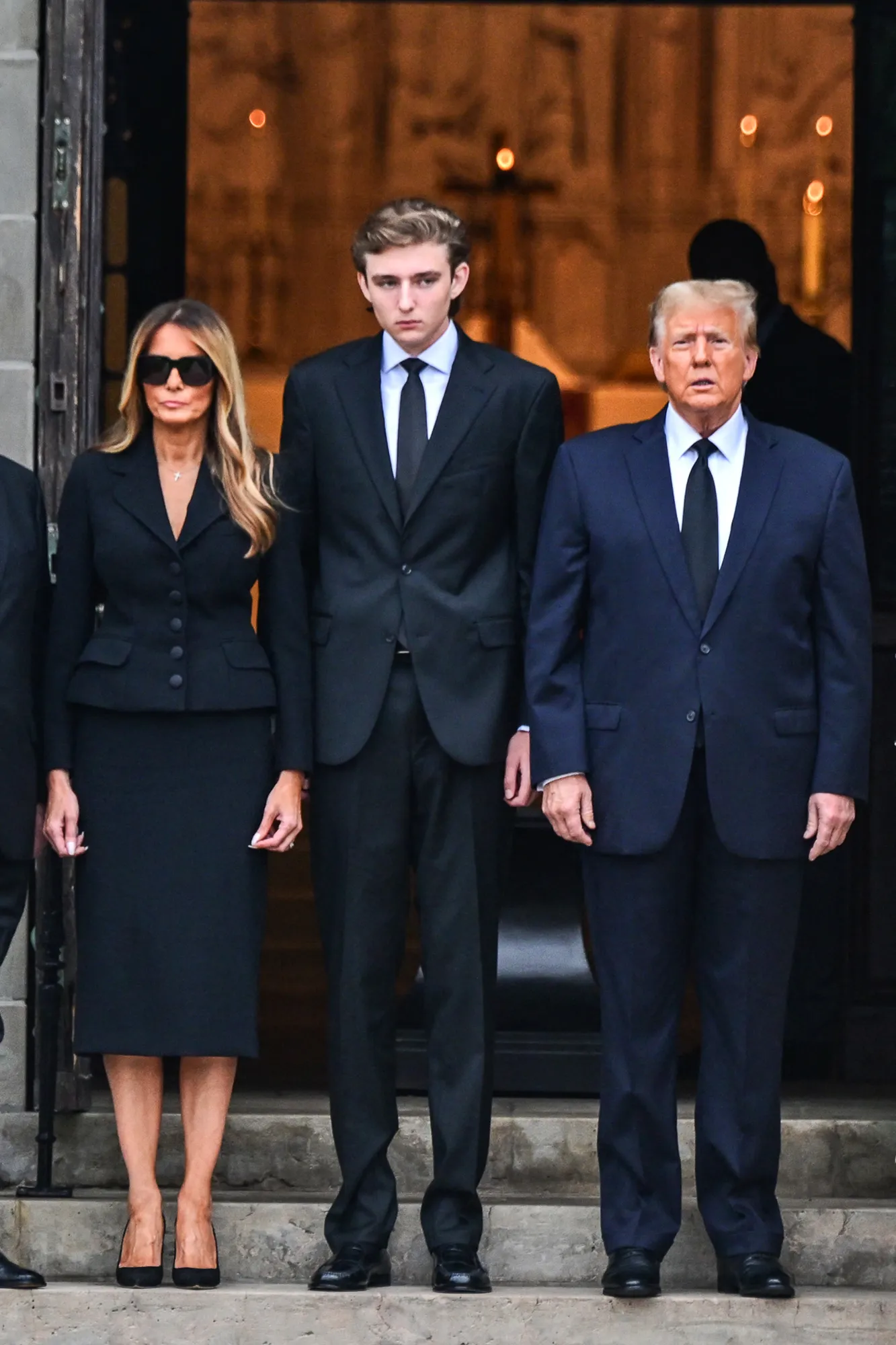
The speed of the Barron Trump draft debate shows how quickly political anger can attach itself to a single detail. A height measurement, a draft rumor, and a military conflict can combine into a viral national argument within hours.
Social media rewards simple messages. #SendBarron is short, emotional, and easy to understand. It does not require a long policy explanation. It turns frustration into a slogan. That is why it spread quickly, even though the reality of military eligibility is more complex than the hashtag suggests.
This is one of the defining features of modern political debate. Complex questions about war, law, military standards, and family privacy often get compressed into a few words. Those words can then shape public perception before facts are fully understood.
A Debate Bigger Than One Family
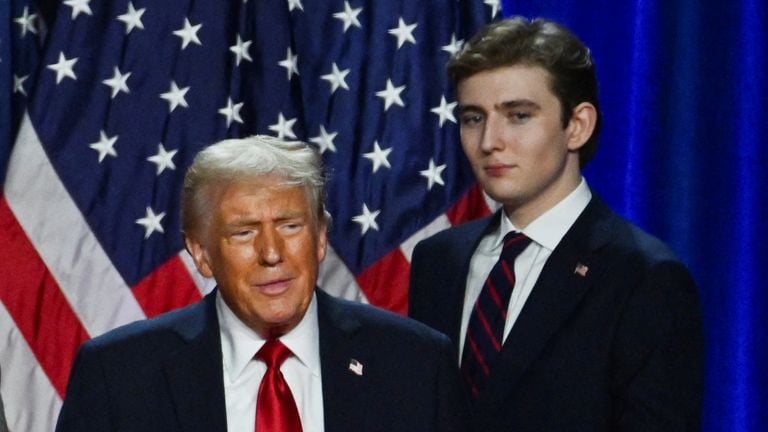
The controversy surrounding Barron Trump’s possible military exemption is ultimately about more than one young man’s height. It is about how Americans view war, sacrifice, privilege, and leadership. It is about whether citizens believe the burden of conflict is shared fairly or passed down to those with less power.
For Trump’s critics, the story is a reminder of old frustrations about elite families and military avoidance. For Trump’s supporters, it is another example of political opponents targeting a family member who has not chosen public life. For many ordinary Americans, it reflects a deeper anxiety about being asked to bear the cost of decisions made far away from their homes.
As tensions continue and debate over military involvement grows, Barron Trump’s name may remain part of the conversation. But the larger question will not disappear with him. In every generation, Americans return to the same uncomfortable issue: when war comes, who is expected to serve, who is allowed to stay home, and who decides the difference?