
Table of Contents
- When a High-Profile Event Turns Into a National Shock
- A Suspect With an Unexpected Background
- The Attack at the Correspondents Dinner
- Political Connections and Public Reactions
- A Manifesto and Claimed Motives
- Education, Intelligence, and Contradictions
- Security Response and Immediate Aftermath
- Community Shock and Personal Accounts
- Investigating Motive and Mental State
- Broader Implications for Security and Society
- A Moment That Leaves Lingering Questions
When a High-Profile Event Turns Into a National Shock
When news broke that a gunman had breached security at one of Washington’s most prestigious gatherings, the shock rippled far beyond the ballroom walls. The incident unfolded during the annual White House Correspondents’ Association dinner, an event known for bringing together politicians, journalists, and influential figures. What began as a night of speeches and networking quickly turned into a scene of chaos and urgency. The suspect, later identified as Cole Tomas Allen, was described as a quiet and intelligent individual with no prior criminal record, leaving many to question how such an event could occur in a highly secured environment and what it reveals about deeper societal tensions.
A Suspect With an Unexpected Background
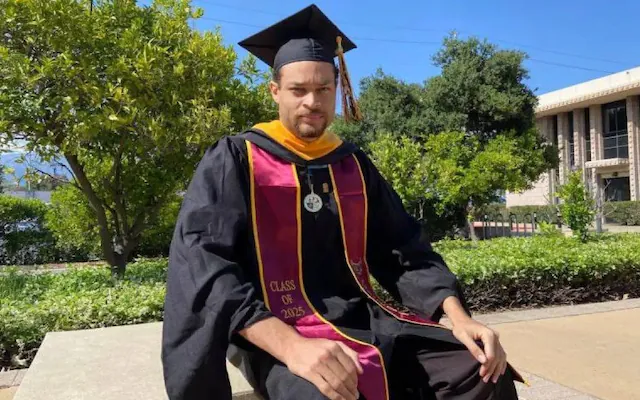
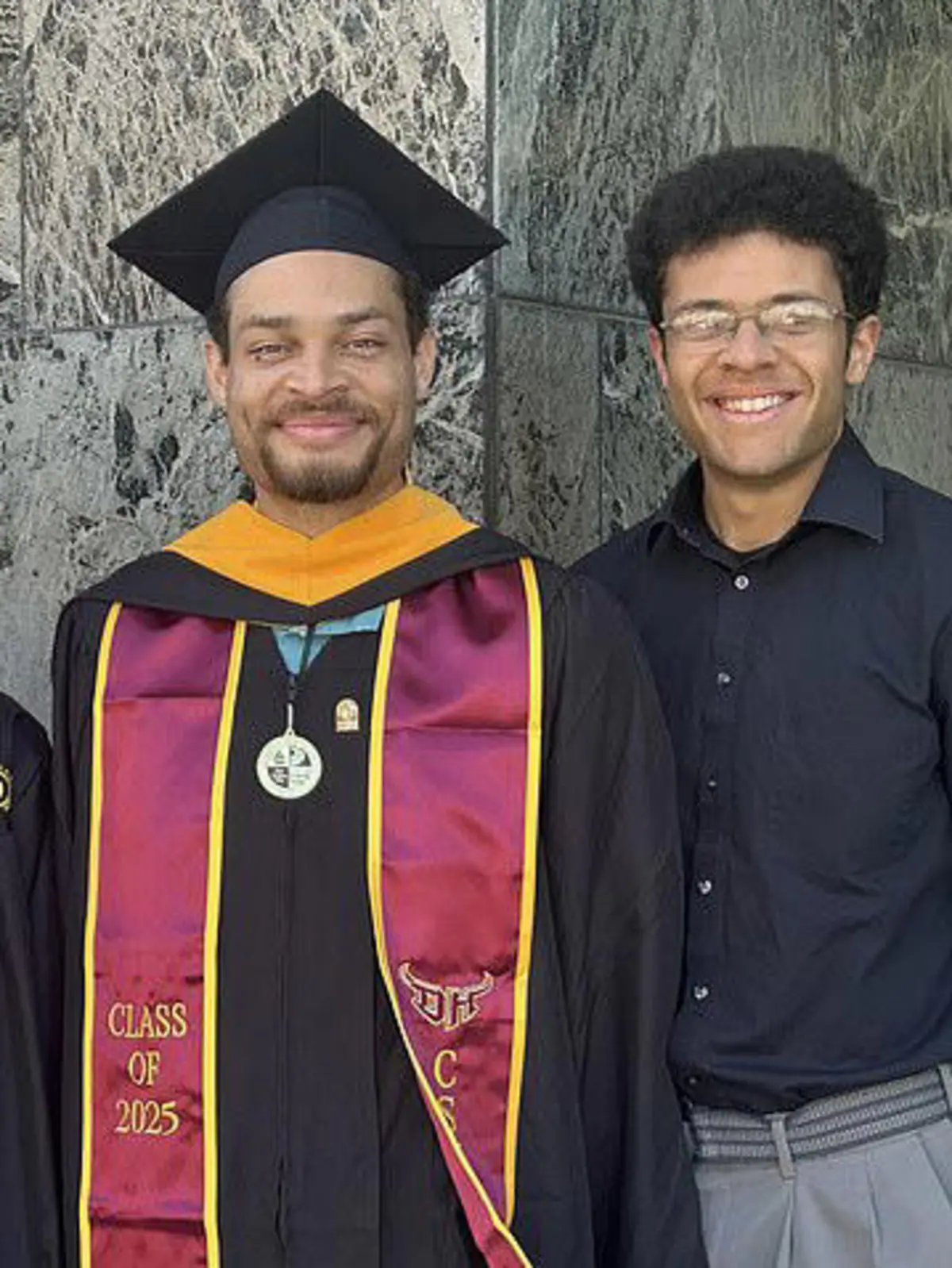
Authorities identified the suspect as Cole Tomas Allen, a 31-year-old from California with an academic and professional background that appeared, on the surface, unremarkable. He had studied mechanical engineering and computer science and later pursued work as a part-time educator. In fact, he had even been recognized as a “teacher of the month” at a tutoring organization, highlighting his contributions to education and mentorship.
This contrast between public perception and alleged actions has become one of the most discussed aspects of the case. Friends, colleagues, and former classmates described him as intelligent, reserved, and stable. Many expressed disbelief that someone with such a profile could be involved in an act of violence at a national event. The gap between who he appeared to be and what he is accused of doing has fueled widespread debate about hidden struggles and the unpredictability of human behavior.
The Attack at the Correspondents Dinner
The incident took place at the Washington Hilton, where the White House Correspondents’ Association dinner was being held. According to reports, Allen forced his way through a security checkpoint before opening fire. He was allegedly armed with multiple weapons, including a shotgun, a handgun, and knives.
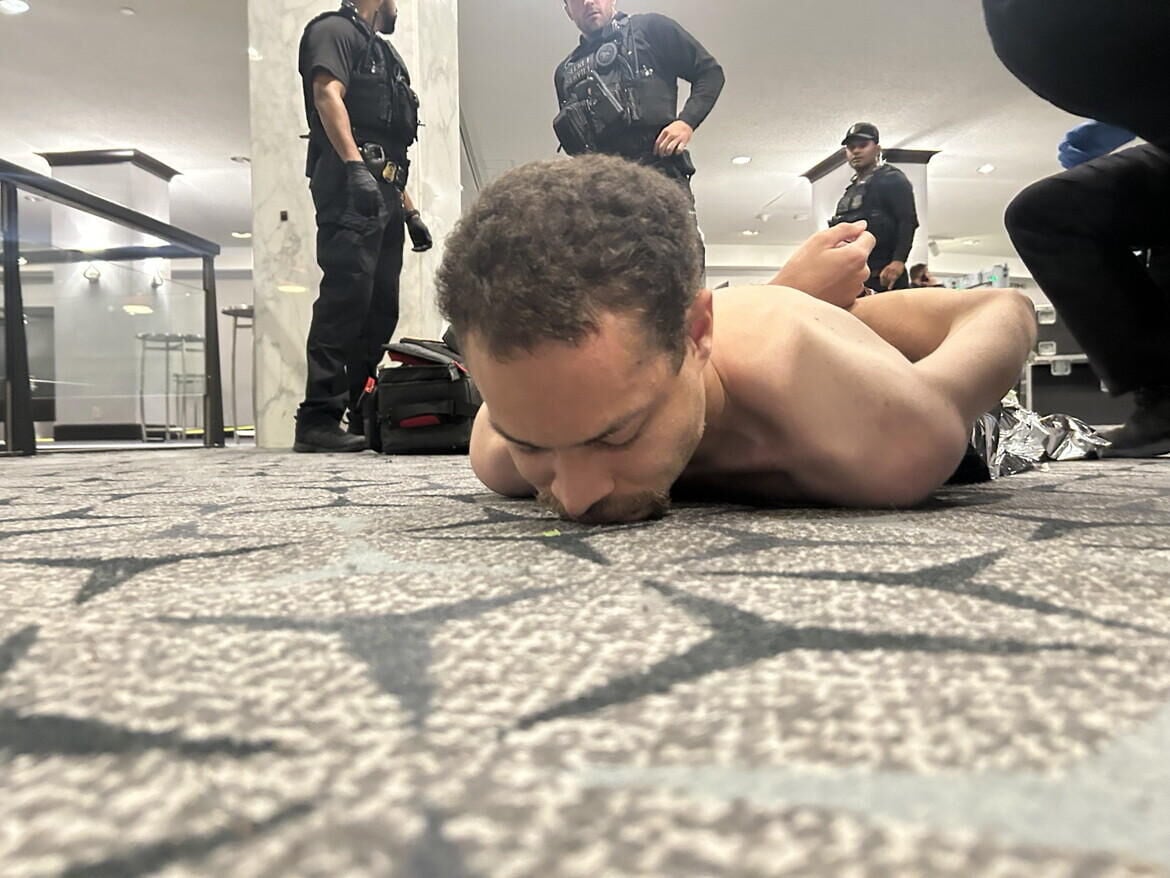
Security personnel responded quickly, preventing the situation from escalating further. One officer was shot but survived due to protective gear, and no fatalities were reported. The rapid response was later praised by officials, who emphasized that the outcome could have been far worse.
White House Correspondents’ Association dinner has long been considered a high-security gathering due to the presence of top political figures, including the President of the United States. This breach has raised serious concerns about how the suspect managed to approach the checkpoint armed and what vulnerabilities may exist in even the most tightly controlled environments.
Political Connections and Public Reactions
One detail that quickly gained attention was the suspect’s minimal political footprint. Records indicate that he had made a small donation to Kamala Harris during the 2024 presidential campaign. While the amount was modest, the information sparked widespread discussion online and in media circles, with many questioning whether it had any relevance to the motive behind the attack.
At the same time, officials have cautioned against drawing conclusions based solely on isolated actions such as a single political donation. Investigators continue to examine the suspect’s digital footprint, personal writings, and communications to better understand his motivations.
Meanwhile, Donald Trump, who was present at the event, described the suspect as a “lone wolf” and praised the swift response of security forces. His remarks reflected both relief and concern, emphasizing that while the situation was contained, it highlighted the unpredictable nature of modern threats.
A Manifesto and Claimed Motives
One of the most troubling developments in the case was the discovery of a manifesto allegedly sent by the suspect shortly before the attack. In it, he expressed anger toward government officials and referenced controversial issues such as foreign policy, immigration, and alleged misconduct by public figures.
The manifesto suggested that his intended targets were “administration officials,” though it did not clearly indicate a specific individual. This ambiguity has complicated the investigation, as authorities attempt to determine whether the attack was driven by personal grievances, ideological beliefs, or a combination of factors.
The language used in the document has been described as intense and emotional, reflecting a mindset that investigators are now working to understand. Experts note that such writings often provide insight into a suspect’s worldview but do not always offer clear answers about intent or planning.
Education, Intelligence, and Contradictions
Allen’s academic background has become a focal point in discussions surrounding the case. He graduated from the prestigious California Institute of Technology with a degree in mechanical engineering, a field that requires significant analytical ability and discipline. He later pursued further studies in computer engineering, adding to his profile as a highly educated individual.
Former classmates described him as exceptionally intelligent, someone who grasped complex concepts with ease. Some even referred to him as a “borderline genius.” These descriptions have added to the confusion and concern surrounding the incident, challenging assumptions about who is capable of committing acts of violence.
The contradiction between intellectual achievement and alleged criminal behavior has prompted broader conversations about mental health, social isolation, and the pressures faced by high-performing individuals in modern society.
Security Response and Immediate Aftermath
The response by security personnel was widely praised for its speed and effectiveness. Officers managed to subdue the suspect before he could reach the main event area, preventing what could have been a far more devastating outcome.
Officials later confirmed that the suspect had not breached the ballroom where key figures, including the President, were located. This detail has been emphasized repeatedly to reassure the public that existing security protocols, while not flawless, were ultimately successful in preventing a larger tragedy.
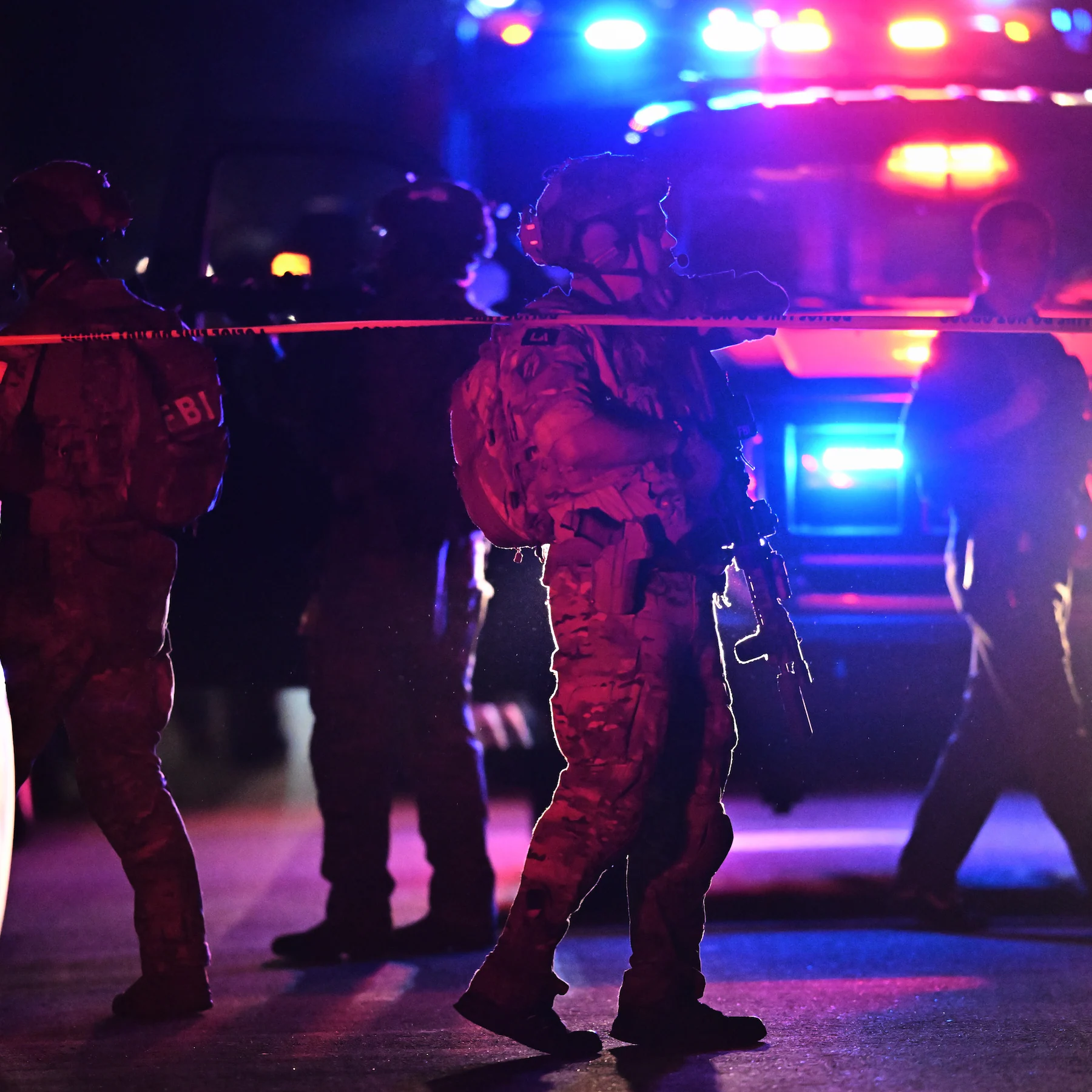
Emergency services were quickly deployed, and the injured officer received medical attention. The situation was brought under control within minutes, allowing authorities to secure the area and begin their investigation.
Community Shock and Personal Accounts
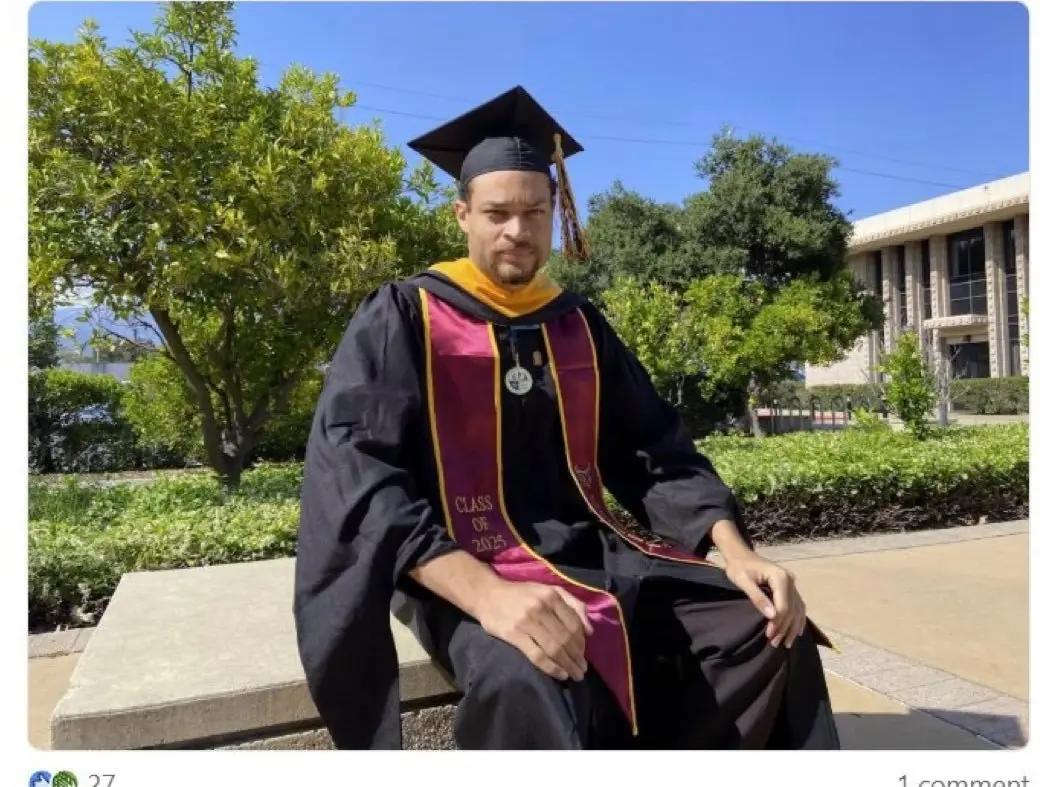
Back in Torrance, California, where Allen lived, the reaction was one of disbelief. Community members described him as quiet, polite, and academically focused. Many struggled to reconcile these impressions with the allegations.
Local educators and students who had interacted with him expressed shock, noting that he had been seen as a positive influence in academic settings. This sense of disbelief is a common theme in cases involving individuals who do not fit the typical profile of a violent offender.
These personal accounts highlight the complexity of human behavior and the difficulty of identifying warning signs in advance. They also underscore the emotional impact such incidents have on communities, where trust and familiarity can suddenly be replaced by uncertainty and fear.
Investigating Motive and Mental State
As the investigation continues, authorities are focusing on understanding the suspect’s mental state and motivations. This includes examining his online activity, personal communications, and any signs of radicalization or distress.
Experts in criminal psychology emphasize that acts of violence often stem from a combination of factors rather than a single cause. These may include personal grievances, ideological influences, mental health challenges, and situational triggers.
In this case, the presence of a manifesto suggests a level of planning and intent, but it does not provide a complete picture. Investigators are working to piece together a timeline of events leading up to the attack, including any interactions or experiences that may have influenced the suspect’s actions.
Broader Implications for Security and Society
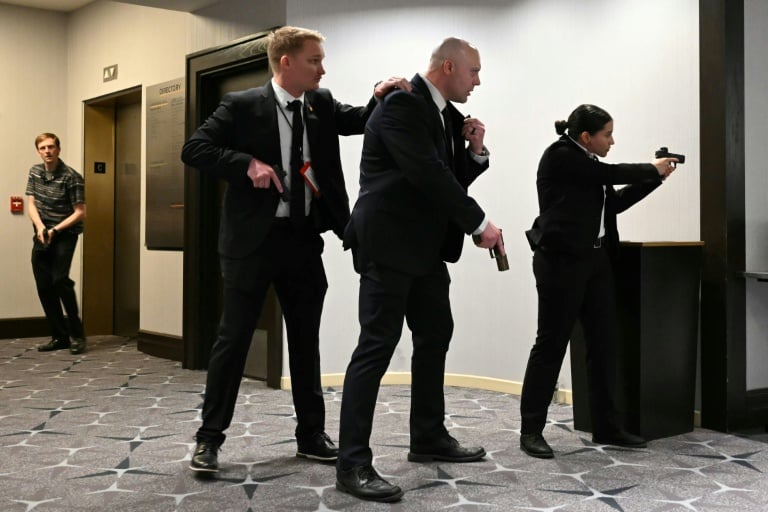
The incident has reignited discussions about security at high-profile events, particularly those involving political figures. While the rapid response prevented a larger tragedy, the breach itself has raised questions about how such incidents can be prevented in the future.
It has also highlighted the challenges of identifying potential threats in a society where individuals can appear outwardly stable while harboring internal conflicts. The case underscores the importance of early intervention, mental health support, and community awareness.
Beyond security concerns, the event reflects broader societal tensions, including political polarization and the impact of online discourse. As debates continue, the focus remains on understanding not only what happened, but why it happened and how similar incidents can be avoided.
A Moment That Leaves Lingering Questions
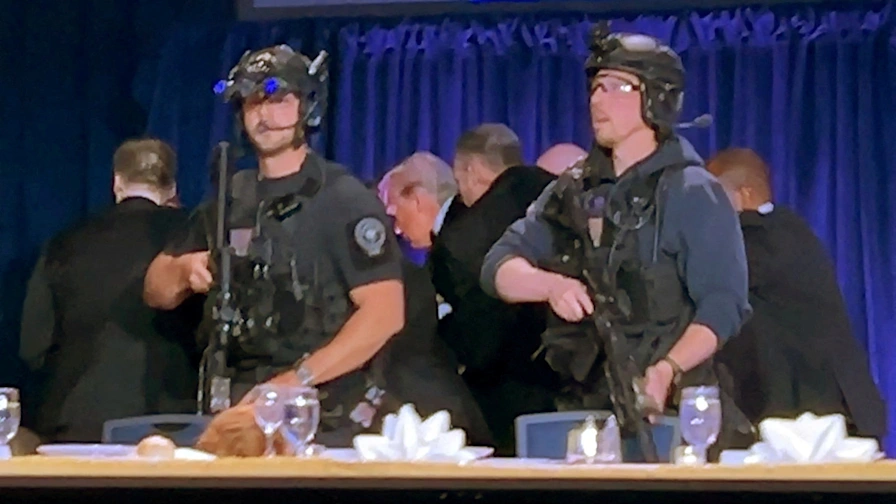
In the days following the attack, the sense of shock has gradually given way to reflection. The incident serves as a reminder of the unpredictability of violence and the importance of vigilance, even in settings that are considered secure.
While the immediate danger has passed, the questions raised by the event continue to resonate. What drives an individual to such actions? How can warning signs be identified earlier? And what steps can be taken to ensure that public spaces remain safe?
As investigations proceed and more details emerge, the story of this incident is likely to evolve. For now, it stands as a stark example of how quickly a moment of celebration can turn into a national crisis, leaving behind not only relief that lives were spared but also a deeper awareness of the challenges that lie ahead.