
Table of Contents
- The Trump Gold Card: An Expedited Path to U.S. Residency
- The Gold Card’s Cost and Its Ambitious Promise
- The Unprecedented Slow Start of the Program
- A Glimpse into the Vetting Process
- The Arrival of the Platinum Version: A More Expensive Alternative
- The Future of EB-1 and EB-2 Visas: The Gold Card’s Competition
- A Strained Relationship Between Immigration and Wealth
- The Political Implications of the Gold Card Program
- Conclusion: What Does the Future Hold for the Gold Card?
- Closing Thoughts:
The Trump Gold Card: An Expedited Path to U.S. Residency
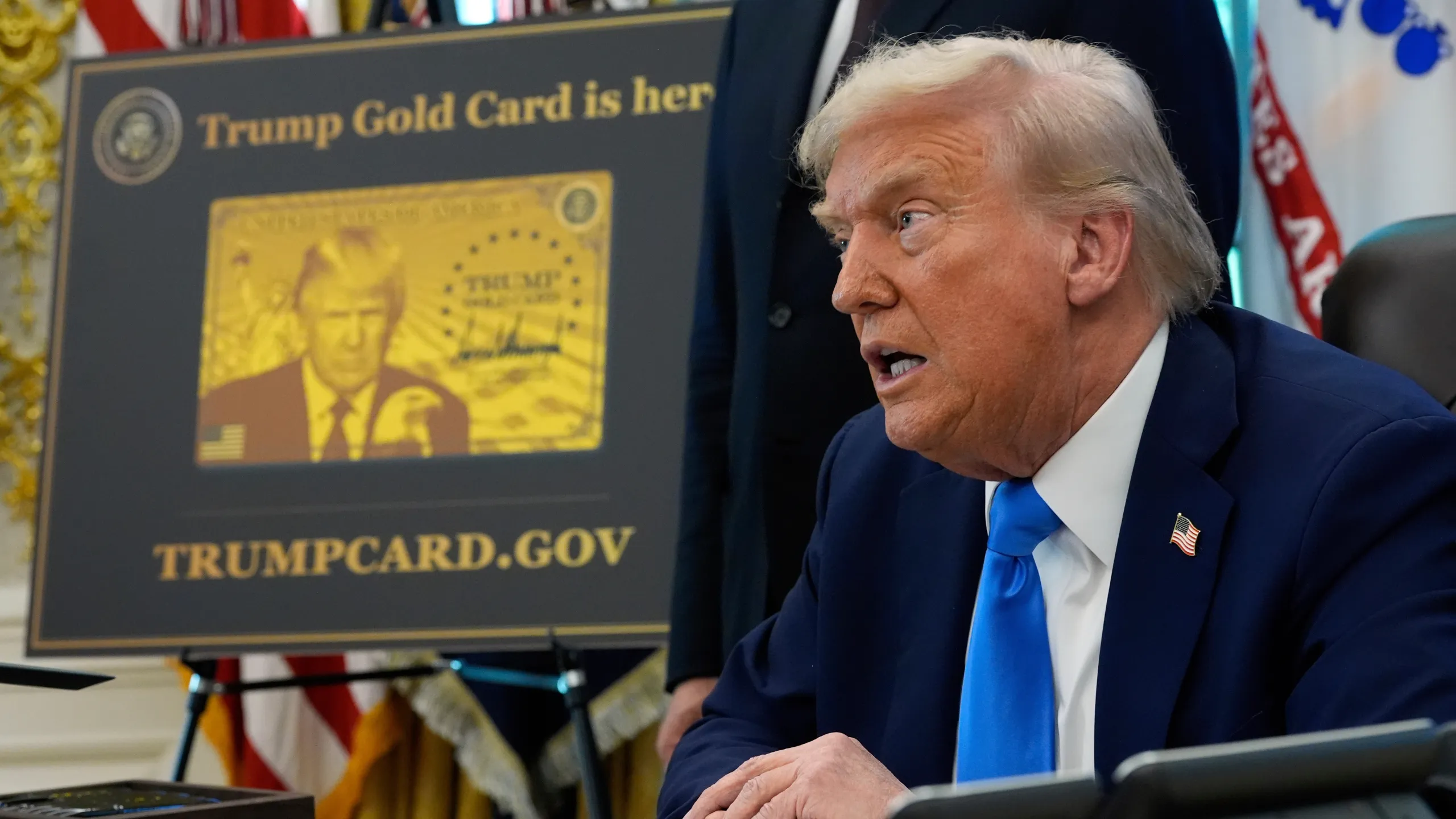
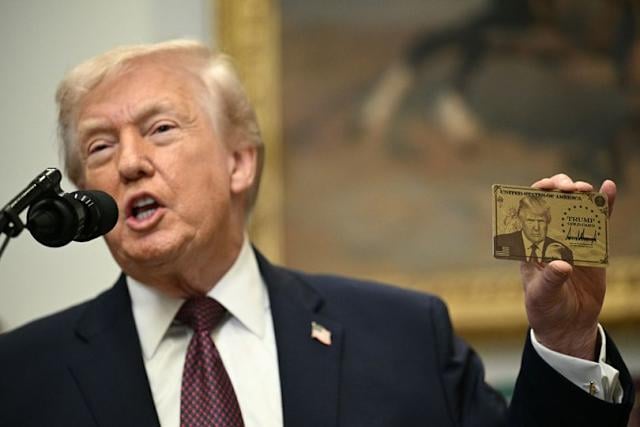
In a move that shocked many, U.S. President Donald Trump introduced the concept of the Gold Card last year—an expedited visa program that would allow individuals or companies to gain residency in the United States by making a substantial monetary contribution. The Gold Card, available for $1 million for individuals and $2 million for companies, promises an expedited pathway to U.S. residency, accompanied by a vetting fee of $15,000.
While it was initially expected that thousands of people would apply for the Gold Card, only one person has so far been approved for the visa, raising questions about the program’s efficiency, eligibility criteria, and the true intentions behind it.
The rollout of the Gold Card visa comes as part of Trump’s broader attempt to overhaul the U.S. immigration system, and its introduction has sparked controversy and intrigue across the nation. What does this mean for the future of the program, and how might it shape U.S. immigration policies in the years to come?
The Gold Card’s Cost and Its Ambitious Promise
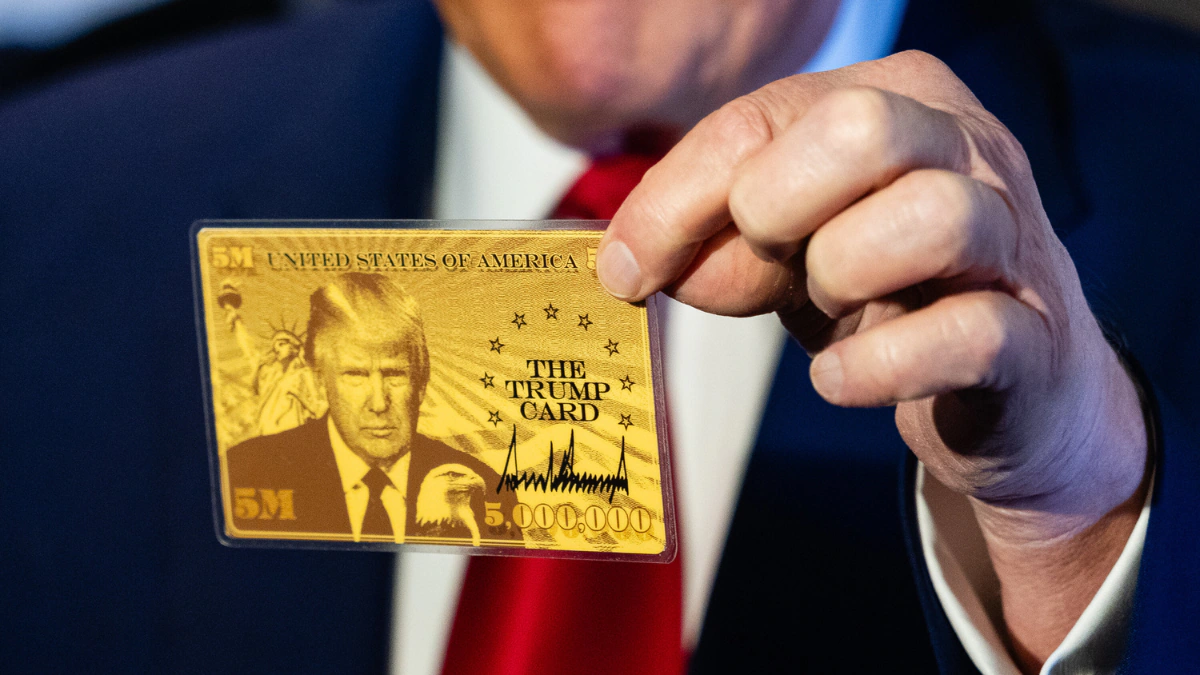
The Gold Card visa isn’t just another ordinary residency permit—it’s an exclusive program that comes with a hefty price tag. Individuals looking to secure a Gold Card are required to pay a $1 million fee, while companies hoping to sponsor their employees must pay $2 million. Additionally, applicants must also cover a $15,000 vetting fee, making the total cost of the program significant for both individuals and corporations.
Despite its high price, the Gold Card was pitched as a means of bringing “exceptional individuals” into the country who could offer a substantial benefit to the U.S. economy. When the program was first introduced, Commerce Secretary Howard Lutnick suggested that the U.S. could make as much as $100 billion from the Gold Card program—potentially a significant source of funding for the American government, with Trump even suggesting that the proceeds could be used to reduce the national debt.
However, the initial excitement surrounding the program has now given way to confusion, with many wondering why only one person has been approved for a Gold Card, despite the program being available for several months. What is happening behind the scenes, and what does this mean for future applicants?
The Unprecedented Slow Start of the Program
When the Gold Card program was first announced, it was hailed as a revolutionary step in U.S. immigration policy. The idea of paying for residency seemed to offer a practical and lucrative alternative to the traditional visa application process. But as time has passed, it has become clear that the program has not attracted as much interest as initially anticipated.
As of now, only one unnamed individual has been approved for a Gold Card, according to reports from The Independent. This raises questions about the vetting process and the stringent eligibility requirements that have likely contributed to the slow start of the program.
Lutnick, who has been closely involved in the program’s development, has suggested that the approval of only one individual is a result of the rigorous vetting process. “This is a new program, and they’ve just set it up, and they wanted to make sure they did it perfectly,” Lutnick explained. This suggests that the Trump administration may be carefully reviewing each application, which could explain the slow approval rate.
A Glimpse into the Vetting Process

The rigorous vetting process associated with the Gold Card has played a significant role in its slow rollout. The website for the program outlines the detailed process that applicants must go through to be considered for approval. This includes submitting a nonrefundable $15,000 processing fee, followed by a comprehensive vetting process to assess whether the applicant can provide a substantial benefit to the United States.
Once the vetting is completed, applicants must then make a $1 million gift to demonstrate their commitment to benefiting the U.S. The vetting process is designed to ensure that applicants are thoroughly assessed for their value to the U.S. economy and society, but it has also contributed to the delay in the approval of applicants.
Despite the promise of expedited processing, the reality is that the vetting process is demanding and time-consuming. As the program continues to evolve, it remains to be seen whether this lengthy approval process will discourage potential applicants or if it will lead to more substantial benefits for the U.S.
The Arrival of the Platinum Version: A More Expensive Alternative
In addition to the Gold Card, the Trump administration has hinted at the upcoming release of a platinum version of the visa. Set to cost a staggering $5 million, the platinum Gold Card will allow holders to spend up to 270 days in the U.S. without being taxed on non-U.S. income. This version of the visa will be aimed at even wealthier individuals and companies looking to gain residency in the U.S. under favorable conditions.
The introduction of the platinum version raises several questions. Will it be as exclusive as the Gold Card? And will it attract more individuals and businesses willing to pay the steep fee for expedited residency? Only time will tell, but it’s clear that the Trump administration is committed to offering a variety of options for those with the financial means to secure their place in the U.S.
The Future of EB-1 and EB-2 Visas: The Gold Card’s Competition
Currently, there are two other primary visa categories for individuals seeking to immigrate to the U.S.: the EB-1 and EB-2 visas. These employment-based visas are typically reserved for individuals with advanced degrees or extraordinary abilities in their fields. They provide a clear path to U.S. citizenship, and many people seeking permanent residency have successfully navigated this process in recent years.
The Gold Card visa is being positioned as a replacement for these visas for those who can demonstrate exceptional value to the U.S., but this shift is not without controversy. Critics argue that the introduction of the Gold Card could make it more difficult for skilled workers and entrepreneurs to gain access to the U.S. through traditional visa routes. This raises questions about the long-term effects of the Gold Card on U.S. immigration policy and its impact on individuals who may not be able to afford the high cost of entry.
A Strained Relationship Between Immigration and Wealth
The Gold Card program also highlights the growing divide between wealth and immigration opportunities in the U.S. By placing such a high price tag on residency, the Trump administration is reinforcing the notion that immigration is a privilege reserved for the wealthy elite. This has sparked backlash from critics, who argue that immigration should not be based on one’s ability to pay, but rather on one’s qualifications and contributions to society.
At the same time, proponents of the Gold Card argue that it will allow the U.S. to attract top talent from around the world, helping to fuel economic growth and innovation. The question remains: will the program create more opportunities for individuals and companies to benefit from the U.S. immigration system, or will it deepen inequalities in access to citizenship?
The Political Implications of the Gold Card Program
The introduction of the Gold Card is also politically significant, as it underscores the Trump administration’s ongoing efforts to reshape U.S. immigration policy. The Gold Card is part of a broader push to overhaul the U.S. immigration system, with a particular focus on attracting wealthier individuals and investors. This shift in policy is likely to have lasting implications for future administrations and the direction of U.S. immigration law.
Opponents of the Gold Card argue that the program is an attempt to prioritize the interests of the wealthy, leaving the needs of lower-income immigrants behind. With the upcoming election on the horizon, the Gold Card is likely to be a topic of debate among political candidates and their platforms.
Conclusion: What Does the Future Hold for the Gold Card?

As the Gold Card program continues to develop, its future remains uncertain. The slow approval rate, the introduction of the platinum version, and the competition with existing visa categories all raise questions about the long-term viability of the program. While the Trump administration has been vocal in its support of the Gold Card, critics argue that it reinforces inequality and undermines the principles of fairness in the U.S. immigration system.
Ultimately, the success of the Gold Card will depend on its ability to balance the interests of wealthy individuals with the needs of the broader population. If the program is successful in attracting high-value individuals to the U.S. while also benefiting the nation as a whole, it could have lasting impacts on U.S. immigration policy. However, if it becomes a symbol of elitism, it could face significant challenges in the years to come.
Closing Thoughts:
The Gold Card represents a bold shift in U.S. immigration policy, offering a faster route to residency for those with the financial means to pay. But its slow start and the introduction of even more expensive options raise questions about its future. As the U.S. continues to grapple with its immigration system, the Gold Card will likely remain at the center of political and public debate.