

Table of Contents
- The Beagles’ Life in the Research Facility
- An Agreement to Rescue 1,500 Beagles
- The Rescue Begins
- Organizing the Rescue
- The First 300 Beagles Rescued
- Preparing the Beagles for Adoption
- Overwhelming Support for the Beagles
- Why They’re Chosen for Testing
- Ridglan Farms and the Fallout
- A New Beginning for 1,500 Beagles
The Beagles’ Life in the Research Facility
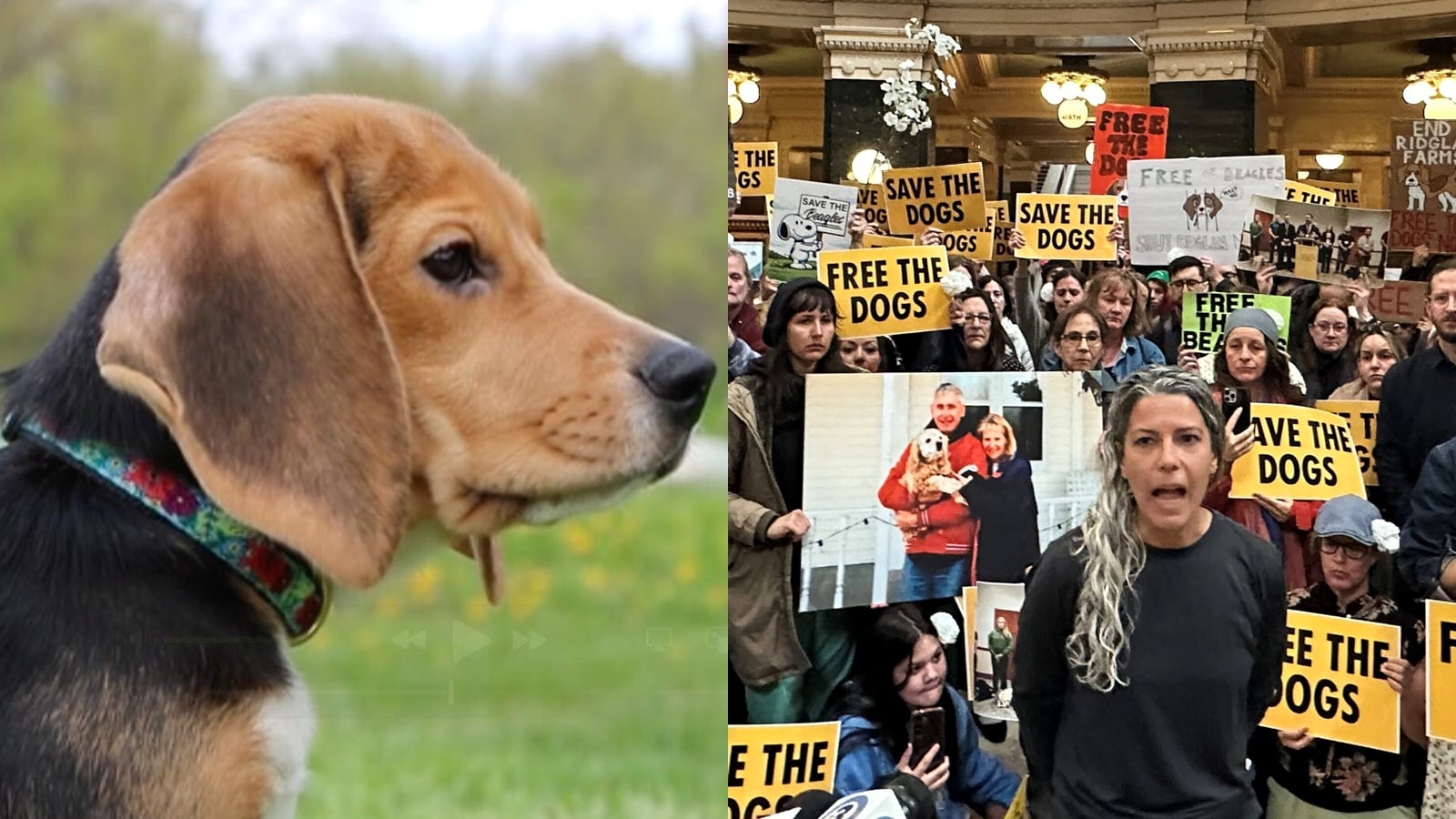
Beagles are commonly used in animal testing due to their small size, calm demeanor, and gentle nature. For decades, Ridglan Farms, a Wisconsin-based dog breeding and research facility, supplied beagles for various animal testing purposes, subjecting them to experiments that left them confined and deprived of the love and freedom every dog deserves. The facility came under fire after reports surfaced that its practices violated veterinary standards, particularly after it was revealed that the beagles were subjected to invasive procedures, including eye testing, without proper care. Despite public outrage and protests, Ridglan Farms continued its operations until a historic agreement was reached to remove the dogs and find them new homes.
An Agreement to Rescue 1,500 Beagles
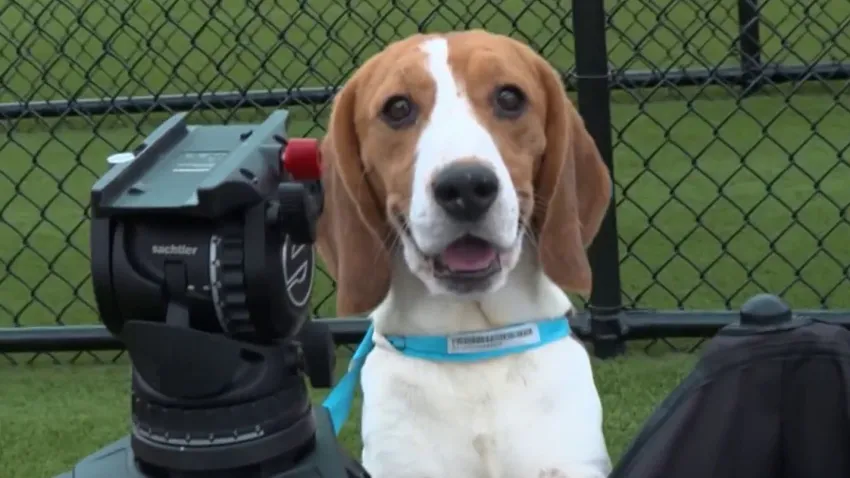
Animal welfare groups have been working tirelessly to secure the release of the beagles from Ridglan Farms. Big Dog Ranch Rescue and the Center for a Humane Economy negotiated an agreement to purchase all 1,500 beagles, a process that began months before the protests that intensified in early 2026. The groups took it upon themselves to raise the funds needed to rescue the dogs, while ensuring that each beagle would be vaccinated, microchipped, spayed or neutered, and cared for before being placed for adoption. These organizations knew that the work would be difficult, but they also knew how critical it was to give these dogs the life they deserved.
The Rescue Begins
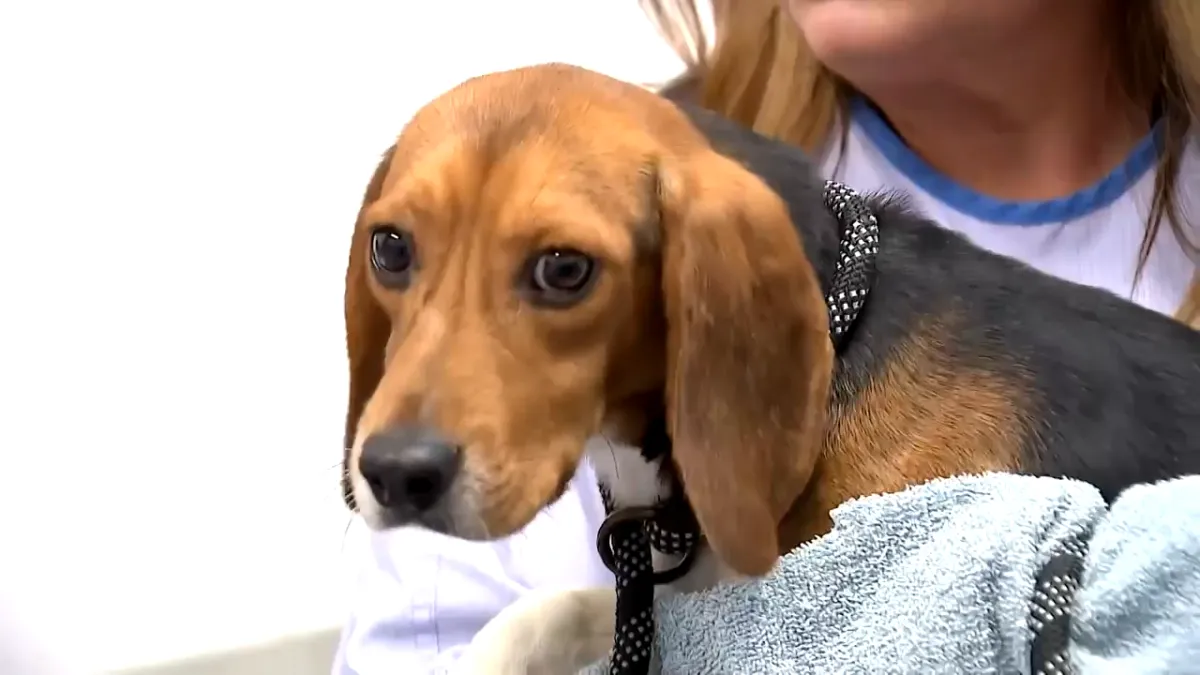
The first 300 beagles were rescued on May 1, 2026, and the remainder are set to follow in the coming weeks. The dogs were transported to shelters around the country where they would receive immediate care, including medical treatment and socialization. Lauree Simmons, president of Big Dog Ranch Rescue, shared that the dogs immediately began seeking human affection, with many crawling into people’s laps, eager for attention and comfort. “They started within an hour or so coming up to us, wanting attention. Some crawled in people’s laps. Every single one of them are super sweet,” she said. For the beagles, the adjustment was immediate: they knew they were finally safe.
Organizing the Rescue
Big Dog Ranch Rescue and its partner organizations set up a staging area in Wisconsin, where the dogs were vaccinated, microchipped, and prepared for transport. Volunteers worked around the clock to ensure that each beagle was cared for. The dogs, many of whom had never experienced the warmth of a loving home, were slowly introduced to play yards and given the opportunity to roam and explore. As the dogs were transported to shelters across the U.S., the rescue groups received over 700 adoption applications, a testament to the widespread support for these dogs’ new beginning. However, the process would take time as each beagle had to be carefully screened for adoption, and potential dog parents had to be vetted to ensure the best possible match.
The First 300 Beagles Rescued
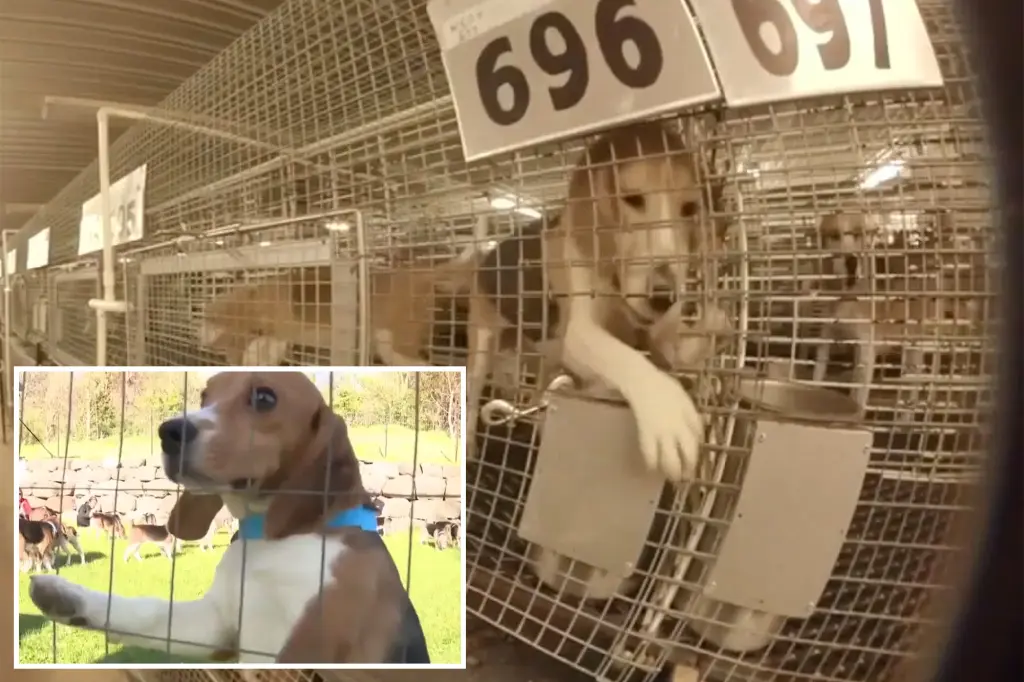
The first 300 beagles were removed from the facility on May 1, 2026. As they arrived at their temporary shelters, the transformation was evident. Many of the beagles had never known the outside world, having spent years in confined spaces without access to fresh air or open spaces. The dogs were nervous but curious, as if they instinctively knew they had been freed from their cages. The arrival of these first 300 beagles was a powerful moment for everyone involved. It marked not only the beginning of their journey to new homes but also a victory for animal rights activists and the organizations that fought tirelessly to bring them to safety.
Preparing the Beagles for Adoption
Despite the overwhelming joy of rescuing these dogs, there is still much work to be done. Many of the beagles are adjusting to their new lives slowly, as they were used to the routine and confinement of the research facility. Some of the dogs are younger and more adaptable, while others, especially the older dogs, may take more time to adjust to life outside the facility. Big Dog Ranch Rescue has already begun the process of housebreaking the beagles, ensuring that they are ready for adoption once they are medically cleared and adjusted. It’s a slow but steady process, and the work of the animal welfare groups continues.
Overwhelming Support for the Beagles
The rescue operation has sparked an outpouring of support from across the country. Over 700 adoption applications have already been received, and the beagles are expected to find loving homes soon. The generosity of people willing to open their homes to these dogs speaks volumes about the compassion that exists in the community. As animal welfare organizations continue their efforts, they remain hopeful that all 1,500 beagles will find homes where they can live out the rest of their lives in peace, surrounded by love and care.
Why They’re Chosen for Testing

Beagles are the most common breed used in animal testing, primarily because of their docile temperament and manageable size. These characteristics make them ideal for research, but they also make them some of the most vulnerable animals in testing facilities. “Beagles are just so trusting and docile and calm and forgiving, so they are the most chosen dogs for animal testing,” said Lauree Simmons. It’s a tragic irony that one of the sweetest, kindest, and most trusting breeds is often subjected to cruelty. The rescue of these 1,500 beagles serves as a poignant reminder of the need to end animal testing once and for all.
Ridglan Farms and the Fallout
Ridglan Farms, the research facility that bred and sold the beagles, has been at the center of controversy for years. In October 2025, the company agreed to give up its state breeding license by July 2026 as part of a settlement to avoid prosecution on charges related to animal mistreatment. The agreement followed a series of incidents, including police using tear gas and pepper spray to repel activists who attempted to rescue the beagles. Despite the public outcry and protests, Ridglan Farms has denied mistreating the animals, but a special prosecutor found that the facility violated state veterinary standards. The facility’s actions sparked a nationwide debate about animal testing and the ethical treatment of animals.
A New Beginning for 1,500 Beagles

As the first beagles are welcomed into their new homes, the world watches with a sense of hope. These dogs, who spent the majority of their lives in captivity, are finally free. They will experience love, comfort, and affection for the first time in their lives. The rescue operation, made possible by the efforts of Big Dog Ranch Rescue, the Center for a Humane Economy, and countless volunteers, is a triumph of compassion over cruelty. While there is still much work to be done, the successful rescue of 1,500 beagles marks the beginning of a brighter future for these animals, and a significant step forward in the fight to end animal testing.