
Table of Contents
A Floating Health Hazard
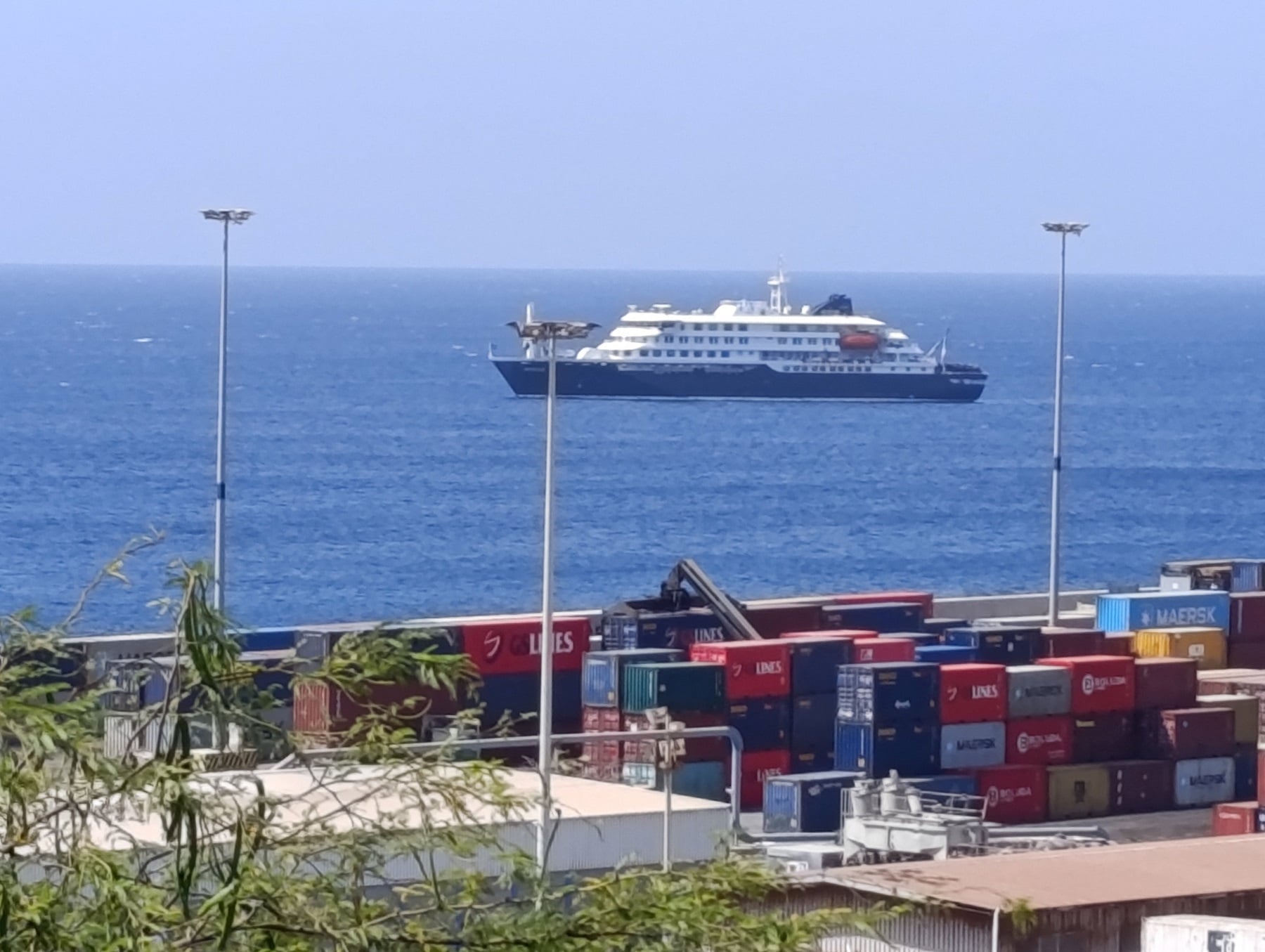
It all started as a dream vacation for many passengers aboard the MV Hondius, operated by Oceanwide Expeditions. However, things took a grim turn when the ship was hit by a suspected hantavirus outbreak. According to the World Health Organization (WHO), six individuals on board have been infected, with three of them tragically losing their lives. One person remains in intensive care in South Africa, as authorities work tirelessly to determine the severity of the outbreak and prevent further loss of life. Hantavirus, though rare, is a dangerous virus typically transmitted through contact with infected rodent droppings or urine. It can cause severe respiratory illness and has a high mortality rate if not treated promptly.
From Dream Cruise to Nightmare
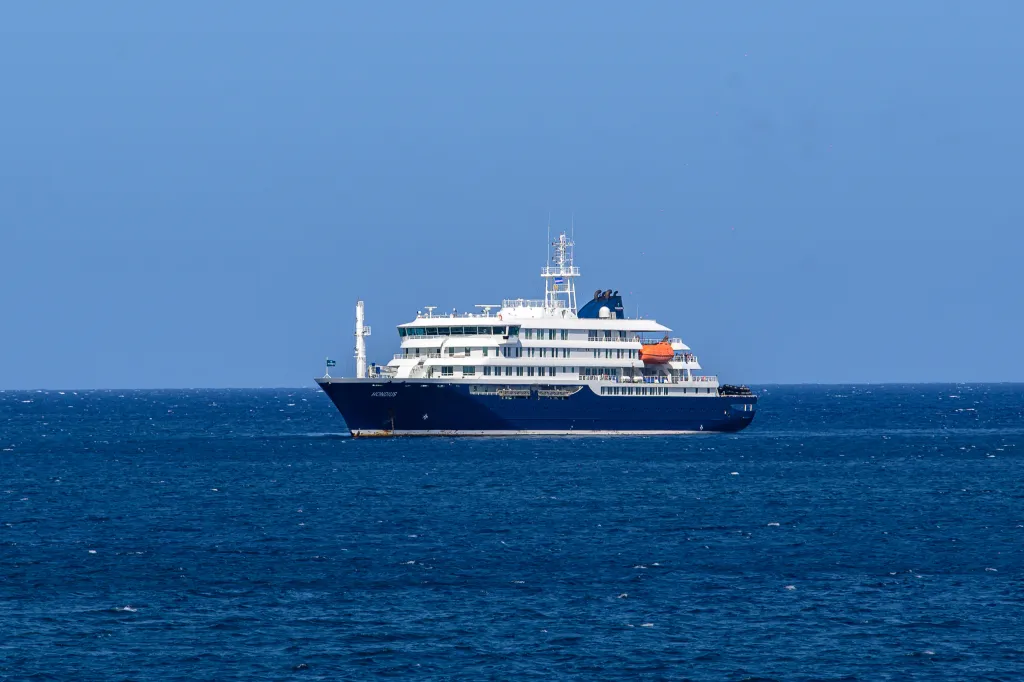
The MV Hondius, which was originally set to offer a peaceful, luxurious journey for its passengers, has become the epicenter of an emerging health crisis. The ship was sailing off the coast of West Africa, heading towards the Atlantic, when the first signs of the virus began to surface. Infected passengers started exhibiting symptoms of severe respiratory distress, prompting the cruise line to call for medical assistance. The situation quickly escalated, and health authorities boarded the ship to investigate and contain the spread of the virus. However, as of now, the passengers remain trapped aboard the vessel, as local authorities in Cape Verde have not yet approved any evacuations for medical treatment.
Hantavirus and Its Deadly Impact
Hantavirus, the suspected culprit behind the outbreak, is not commonly found on cruise ships. This rare but dangerous virus typically spreads through contact with infected rodent droppings, urine, or saliva. It can lead to hantavirus pulmonary syndrome (HPS), a severe respiratory illness that often results in death. The WHO has issued a warning about the severity of the virus, noting that early intervention is crucial for survival. Unfortunately, there is no specific cure for hantavirus, and treatment is generally supportive, focusing on maintaining respiratory function and managing symptoms. With limited medical resources available on the ship, the outbreak has become a critical situation requiring immediate action.
Passengers Awaiting Medical Evacuation
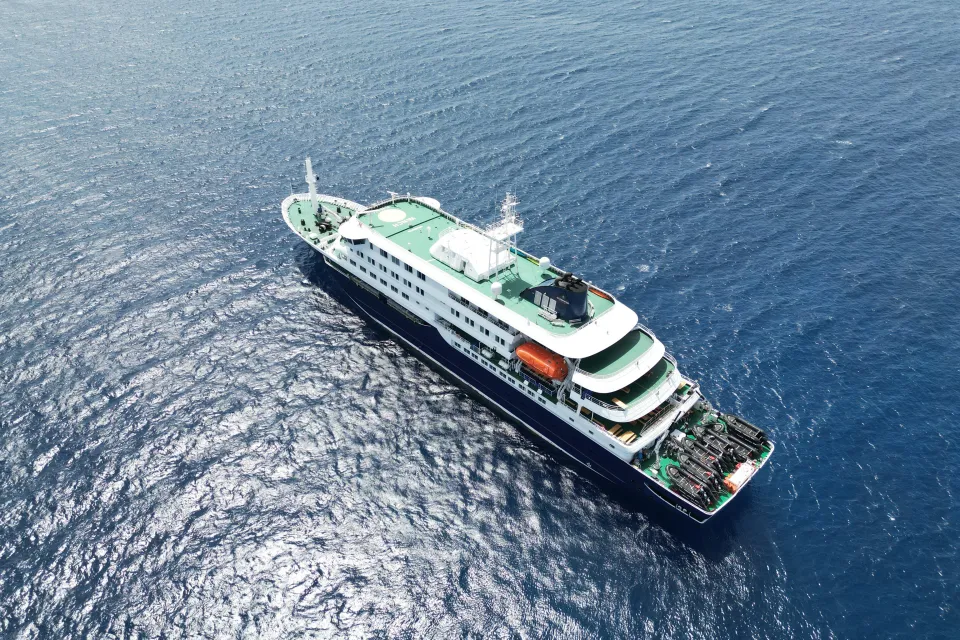
As the virus continues to spread, the situation aboard the MV Hondius grows increasingly dire. The passengers and crew members are still stranded at sea, with no clear path to evacuation. The ship had already been in the Atlantic for days before the outbreak was confirmed, and now, with local health authorities refusing to allow passengers to disembark in Cape Verde, the fate of those infected is uncertain. WHO officials are working with governments across the region to facilitate a medical evacuation plan, but the lack of available resources and the urgency of the situation have complicated efforts. In the meantime, the ship remains stranded, and passengers continue to worry about their health and safety as the virus spreads.
Deaths and Illnesses
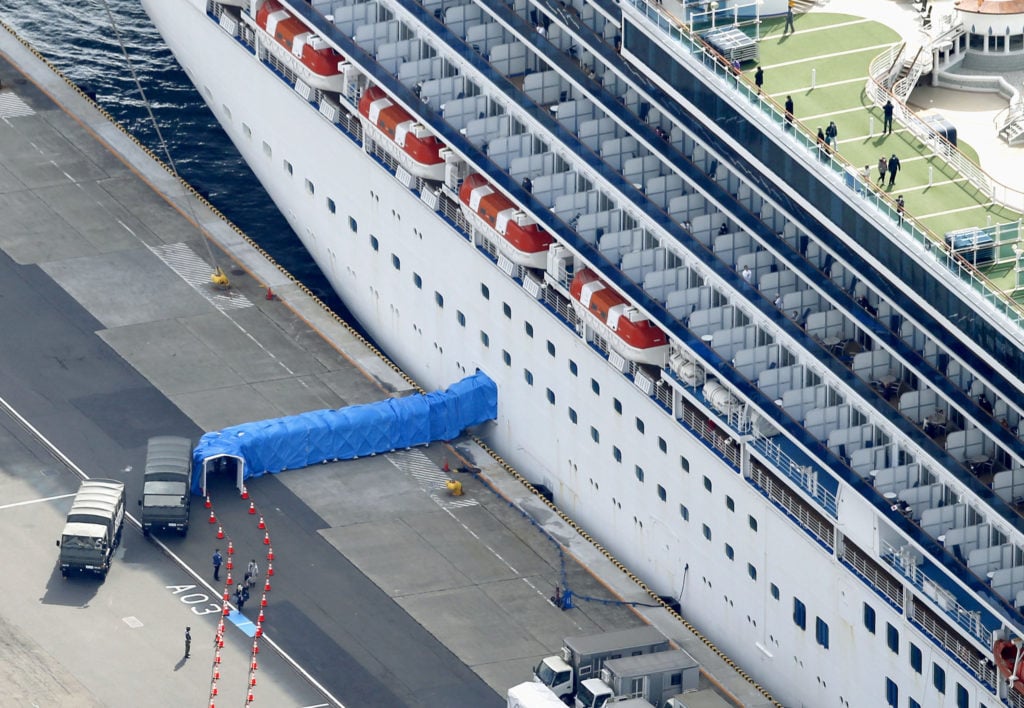
The outbreak has already claimed the lives of three passengers, and one remains in critical condition in South Africa. The virus has left a trail of fear and uncertainty, with many passengers unsure if they will be next to fall ill. While the majority of the infected individuals are in stable condition, the severity of the illness varies, with some showing signs of rapid deterioration. The virus’s ability to cause rapid respiratory failure has left health officials scrambling to treat the infected and prevent further casualties. The situation has sparked panic among the remaining passengers, many of whom are now in quarantine, awaiting confirmation of their health status.
From Luxury to Emergency
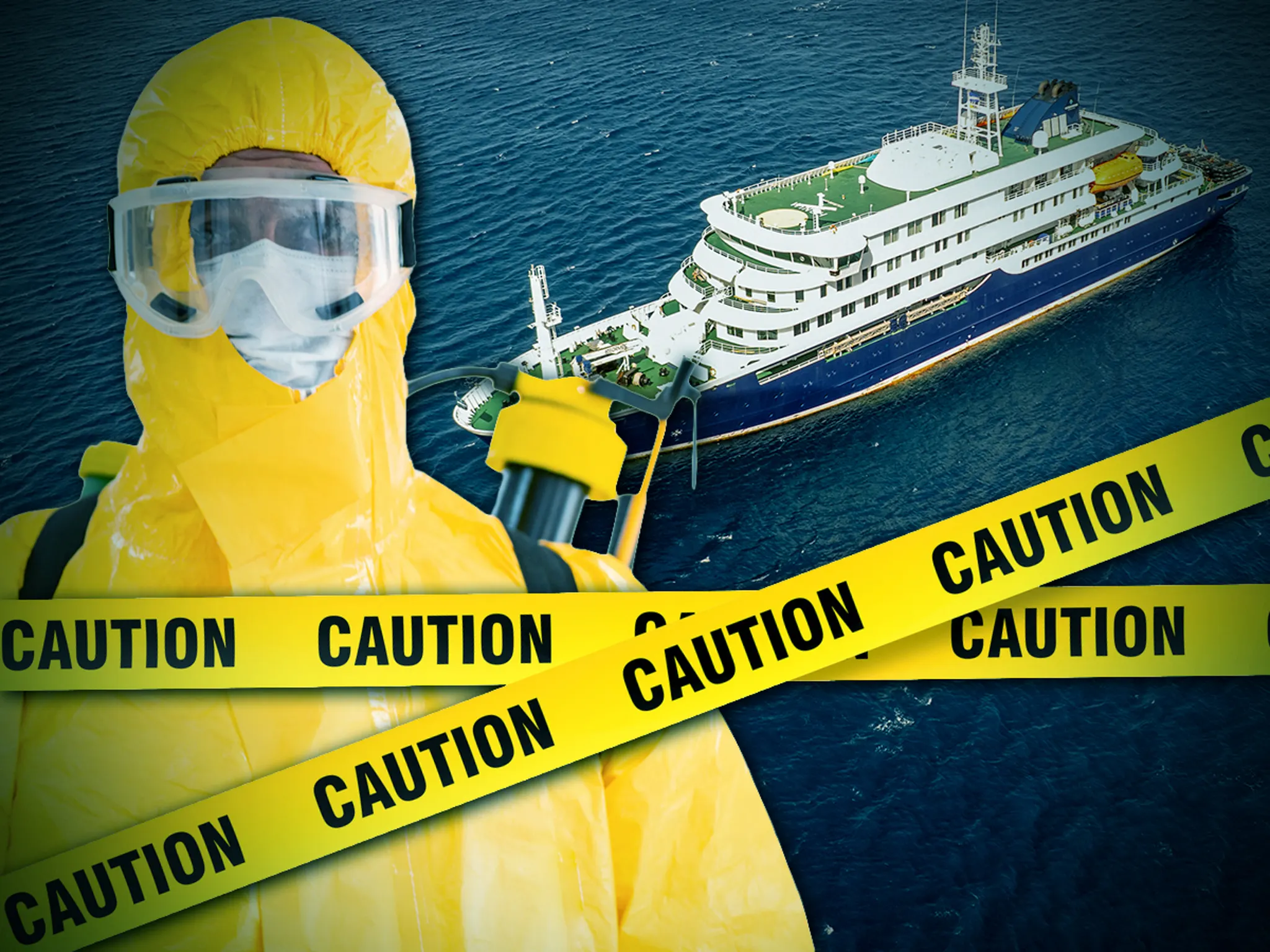
Oceanwide Expeditions, the cruise operator, has been under intense scrutiny since the outbreak. The company initially assured passengers that the situation was under control, but as the virus spread, their response came under criticism. The company has now shifted into emergency mode, working with the WHO and local health authorities to coordinate medical care for the sick and arrange for evacuations when possible. While they have expressed their commitment to ensuring the safety of all passengers, the company has faced backlash for its handling of the situation. Cruise lines, in general, have long been criticized for their health and safety protocols, and this outbreak is only fueling those concerns.
Coordinating a Global Response
The World Health Organization (WHO) has been at the forefront of efforts to contain the outbreak. Officials are working with multiple governments and medical teams to assess the situation and ensure that proper care is being provided to those affected. The WHO has been coordinating with cruise ship authorities and health experts to determine the full extent of the virus’s spread, conducting virus sequencing and lab tests to better understand how the virus is affecting the passengers. With so many passengers still aboard the ship, the WHO’s involvement has been crucial in preventing further casualties and controlling the situation.
Impact on the Cruise Industry
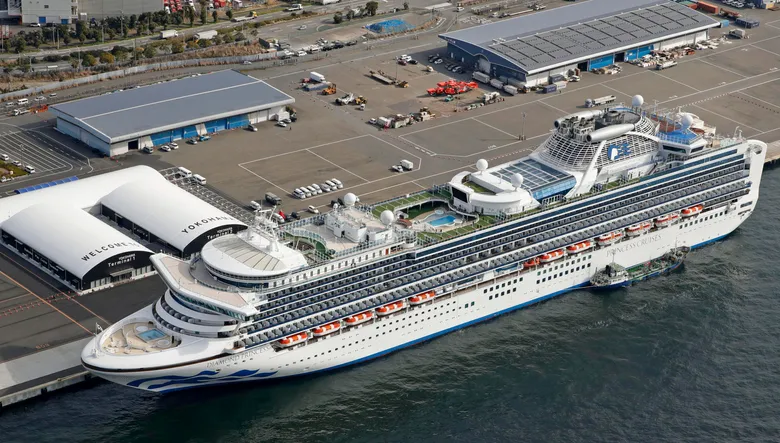
The outbreak aboard the MV Hondius has raised serious questions about the safety protocols of the cruise industry. The virus’s ability to spread quickly and silently has highlighted the vulnerabilities of cruise ships, which are typically closed environments with a high density of passengers. This incident is likely to have long-lasting effects on the industry, as more people may be hesitant to book cruises amid fears of similar outbreaks. The cruise industry is already reeling from the impacts of the COVID-19 pandemic, and this new health crisis could further damage its reputation and future bookings. Cruise operators will likely face increased pressure to improve health and safety standards to prevent further outbreaks in the future.
Containing the Outbreak
The next few weeks will be critical as health officials continue to monitor the situation and assess how far the virus has spread. Authorities are working to secure medical evacuations for those who need urgent care, while also implementing containment measures to prevent further outbreaks. Passengers aboard the MV Hondius are awaiting answers, hoping that the worst is over and that they can return home safely. For many, the trauma of this experience will stay with them for years to come, as they wait to see what kind of long-term impact the virus will have on their health.
The Future of Cruise Ship Safety
As the virus outbreak continues to unfold, the question remains: how can cruise lines better prepare for potential health crises in the future? This incident underscores the need for better health and safety protocols aboard cruise ships, as well as more effective communication and response systems. The cruise industry will likely face increased scrutiny in the wake of this outbreak, and significant changes may be required to restore passenger confidence. In the meantime, the passengers aboard the MV Hondius are still waiting for answers, and the global community watches closely to see how this health crisis will be resolved.