
Table of Contents
What Texas Lawmakers Are Considering
The Texas Bible readings mandate is part of a larger push by some state lawmakers to introduce more religious elements into public education. The proposal, which has garnered attention from both conservative and religious groups, suggests that public schools should set aside time for Bible readings during the school day. This could take the form of daily or weekly readings, either as part of a broader religious studies program or as a stand-alone activity.
Proponents argue that the Bible, as a significant cultural and historical document, plays an essential role in shaping Western civilization and should be included in students’ education. They emphasize that the Bible’s teachings could promote moral values such as kindness, empathy, and respect—qualities they believe are essential for students’ development. Furthermore, supporters argue that this mandate would not force students to adopt religious beliefs but would merely expose them to the Bible’s teachings, promoting critical thinking and an understanding of history and culture.
Religious Freedom and the Separation of Church and State
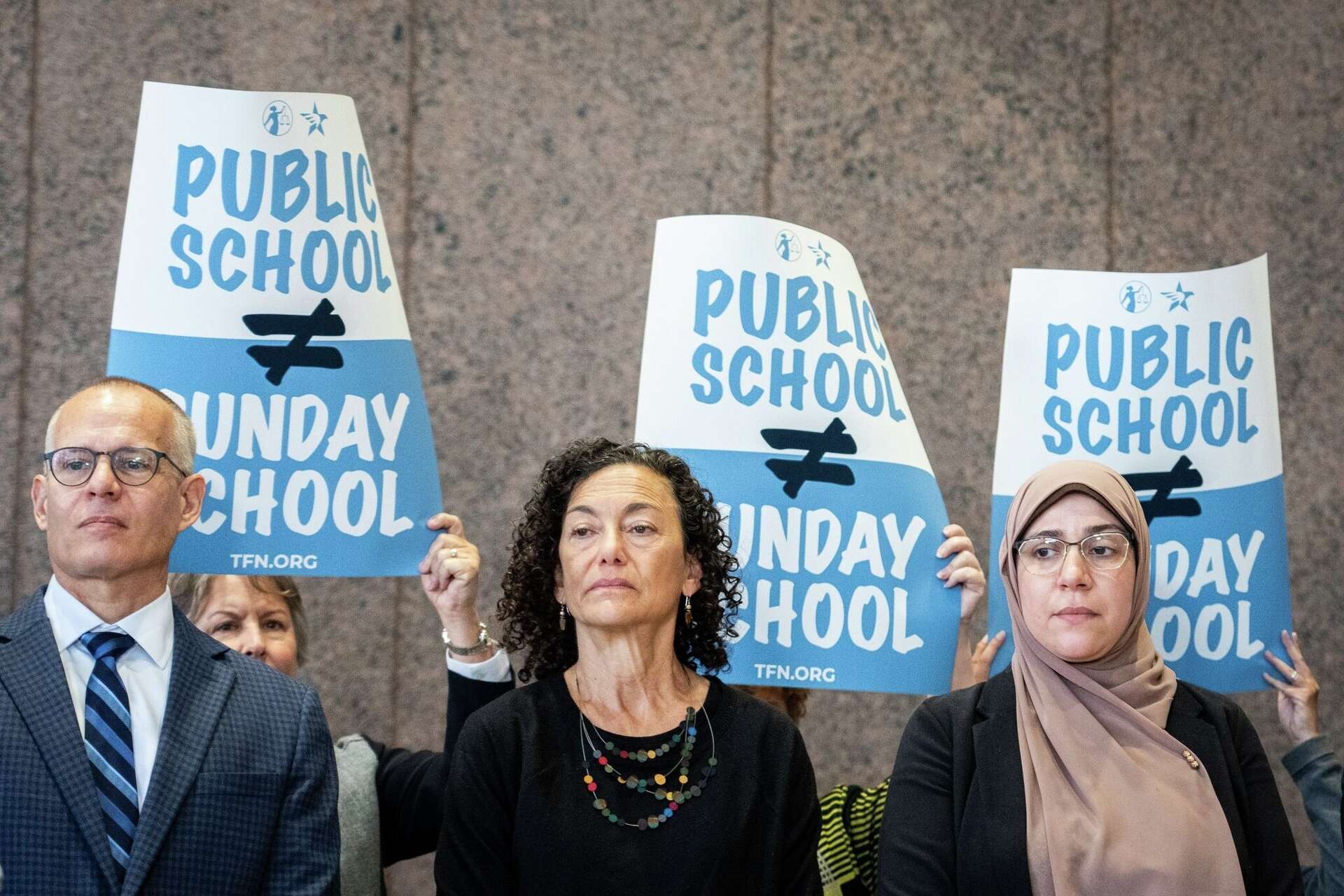
Despite the support from some groups, the proposal has sparked a fierce backlash from others, particularly those who view it as a violation of the principle of separation between church and state. Critics argue that the government should not be involved in promoting religious activities, particularly in a public school setting, where students from various religious backgrounds learn together. They point to the First Amendment of the U.S. Constitution, which prohibits the government from establishing any religion or interfering with an individual’s freedom of religious practice.
For many opponents, the idea of mandating Bible readings in schools represents an infringement on religious freedom. They fear that such a move could lead to the promotion of Christianity over other religions, making students of different faiths feel marginalized or pressured to conform. Additionally, some worry that the policy could violate the rights of non-Christian students, particularly those who belong to minority religious communities or identify as atheist. This debate highlights the broader question of how religious beliefs should be accommodated in public spaces, especially in schools where students are meant to be exposed to diverse viewpoints and perspectives.
Legal Precedents
The issue of religion in public schools has long been a subject of legal scrutiny. Over the years, the U.S. Supreme Court has ruled on several landmark cases regarding the role of religion in schools. One of the most notable decisions came in 1962, when the Court ruled in Engel v. Vitale that school-sponsored prayer in public schools was unconstitutional. This decision reinforced the idea that government institutions, including public schools, should not endorse or promote religious practices.
In subsequent years, the Court has ruled on various other cases involving religious activities in schools, establishing a clear boundary between government and religious expression. For example, the Court has upheld the right of students to engage in voluntary, student-led prayer and religious activities, but has consistently ruled against state-mandated religious practices, such as Bible readings or prayer.
Given these legal precedents, it is likely that the Texas Bible readings mandate would face legal challenges if it were to be implemented. Opponents of the proposal argue that mandating Bible readings in schools would violate the Establishment Clause of the First Amendment and set a dangerous precedent for further religious interventions in public education. The outcome of such a legal challenge would likely depend on how the courts interpret the balance between religious freedom and government neutrality.
Public Opinion

Public opinion on the proposed Bible readings mandate is deeply divided. In surveys conducted across Texas, a significant portion of the population has expressed support for the idea, particularly among religious conservatives. Many supporters believe that the Bible’s teachings can provide valuable moral guidance to students, particularly in a society where they believe that traditional values are being undermined.
On the other hand, a large portion of the population opposes the proposal, fearing that it would be an overreach of government power into religious matters. Many parents, educators, and civil rights organizations have voiced concerns that the mandate would lead to divisiveness among students and potentially infringe upon the rights of non-Christian students. Furthermore, critics argue that there are already many other ways to teach about the Bible, such as in religious studies or elective courses, without mandating its use in the classroom.
The split in public opinion underscores the broader national debate about the role of religion in public life. While religion is an essential part of many individuals’ lives, the question remains whether it should be actively promoted by the state or left to private institutions and individuals to practice as they see fit.
Implications for Texas Education and Teachers
If the Bible readings mandate were to pass, it could have significant implications for Texas educators. Teachers would be required to incorporate Bible readings into their lesson plans, potentially diverting time and resources away from other academic subjects. Additionally, the mandate could lead to complications for teachers who may feel uncomfortable leading Bible readings or incorporating religious teachings into their classrooms, especially if they are not themselves religious.
Teachers may also face challenges in ensuring that Bible readings are presented in a neutral, non-proselytizing manner, as required by law. Given the potential for controversy, the mandate could create tension between educators, students, and parents. Some teachers might be concerned about the potential for legal or personal repercussions if they are perceived as violating the principle of religious neutrality in the classroom.
Potential Consequences for Religious Minorities
For students who belong to religious minorities, such as Muslims, Jews, Hindus, or those with no religious affiliation, the proposed mandate could create an uncomfortable and potentially hostile environment. The daily or weekly Bible readings could make these students feel excluded or coerced into participating in religious practices that are not aligned with their beliefs. In a state as diverse as Texas, where people of many different faiths and backgrounds coexist, mandating Bible readings in schools could exacerbate religious divisions and undermine the inclusive, pluralistic ethos that public education aims to foster.
In addition, religious minorities may feel that their beliefs are being undermined or devalued in favor of Christianity, which could lead to feelings of alienation and resentment. This is particularly concerning in light of the growing diversity of the U.S. population, which includes increasing numbers of people from various religious and secular backgrounds.
What Happens Next?
As the debate continues in Texas, the future of the Bible readings mandate remains uncertain. If passed, the proposal would likely face significant legal challenges, and its impact on Texas’ public schools would be closely scrutinized. In the meantime, lawmakers and education officials are engaging in public discourse to weigh the pros and cons of the policy and to consider alternative ways to incorporate religious education without violating constitutional principles.
It is clear that the issue of Bible readings in schools is just one example of the broader questions surrounding the separation of church and state in America. As the nation continues to grapple with issues of religious freedom, public policy, and educational priorities, this debate will likely serve as a microcosm of the larger conversation about the role of religion in public life.
Conclusion
The Texas Bible readings mandate proposal raises important questions about the balance between religious freedom and the separation of church and state. While the supporters of the mandate argue that Bible readings could provide moral guidance and cultural knowledge to students, opponents warn that it could violate the constitutional principles that prevent government endorsement of religion. As the legal, political, and public debate continues, this proposal serves as a reflection of the ongoing challenges facing American society in navigating the intersection of religion, education, and government.