
Table of Contents
The Original Strawberry
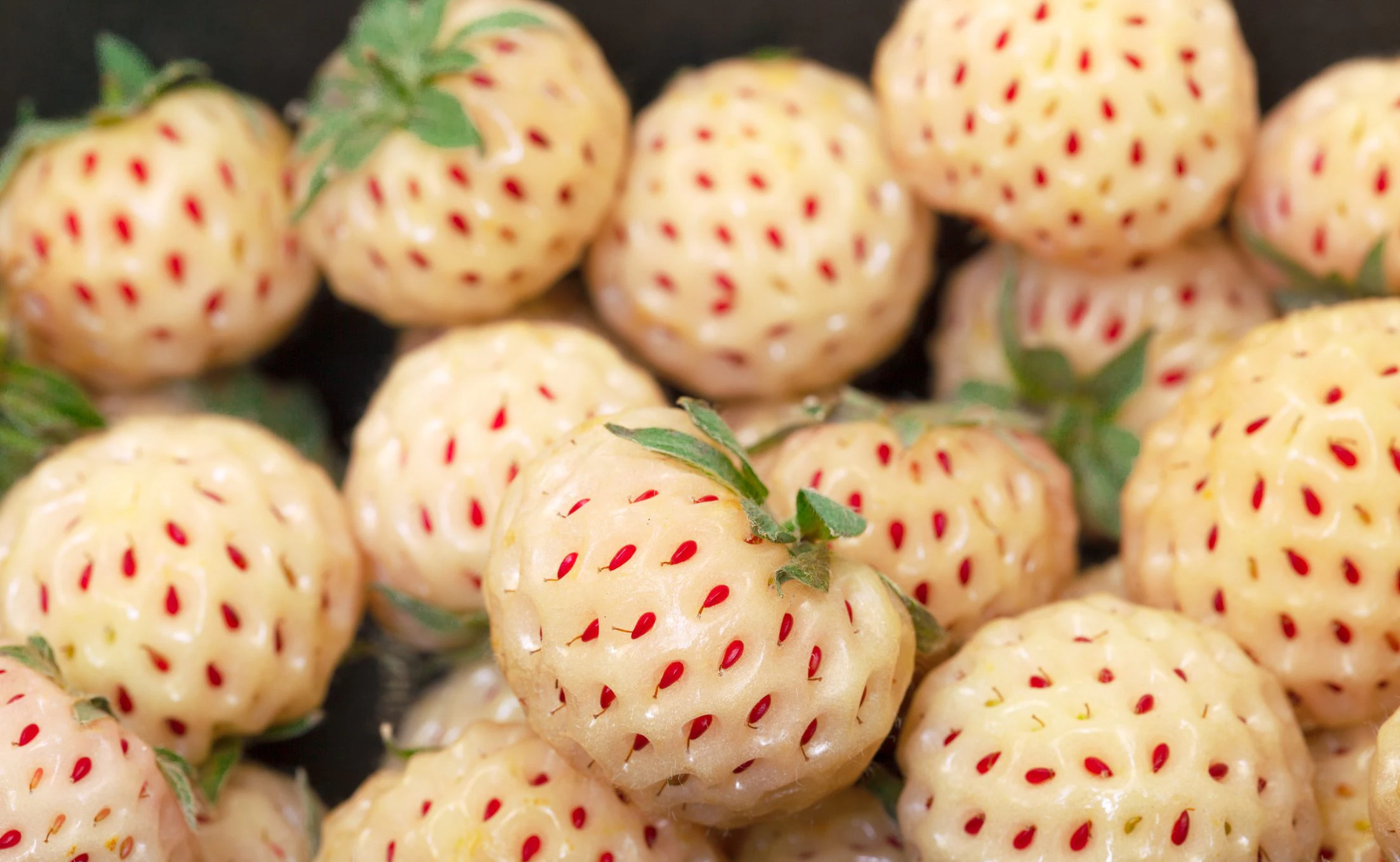
The first strawberries, long before they became the red, juicy fruits we adore today, were actually white. These early strawberries were wild species native to North America and Europe. Known as Fragaria vesca, the white strawberry was far smaller than the large, red varieties we have now and often less sweet. While still part of the Fragaria family, these strawberries were a completely different species with a distinct appearance and flavor profile.
Early in history, these wild strawberries were used for medicinal purposes, including treating inflammation and digestive issues. They were also a prized fruit for their delicate flavor. Over time, the cultivation and hybridization of strawberries began, and the journey to creating the modern red strawberry started. But what factors influenced this transformation?
The Journey from White to Red
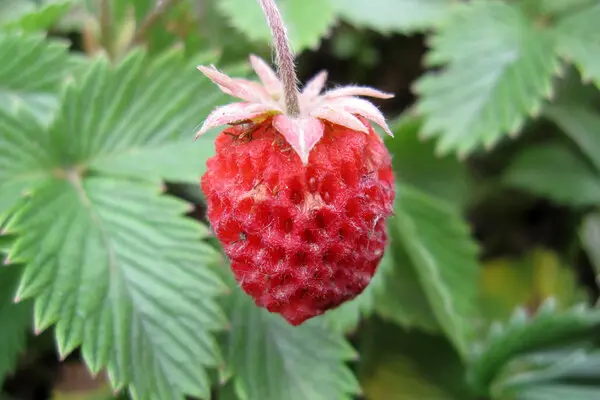
The transformation of the strawberry from white to red wasn’t simply a matter of color. It involved crossbreeding different strawberry species. One of the most important moments in the history of strawberries came in the 18th century when European settlers in the Americas discovered the large, red Fragaria chiloensis from Chile. Combined with native species, they began a process of hybridization that resulted in the fruit we recognize today.
By the late 1800s, through careful breeding and cultivation, the red strawberry became the dominant variety. Its larger size, brighter color, and sweeter taste made it more commercially viable than the smaller, white varieties. This was a critical turning point in the strawberry’s history—one that would not only change the fruit’s appearance but also its role in food culture across the world.
Why the Strawberry Went Red
The question of why the strawberry turned from white to red is tied to both environmental and genetic factors. When the red strawberries began to be cultivated more widely, they thrived in the different climates of Europe and the Americas. This led to an increase in the size and color of the berries. The red coloring, rich in anthocyanins, was a natural adaptation to environmental conditions, such as increased sunlight exposure.
Genetically, the red strawberry’s ability to produce anthocyanins—a class of pigments responsible for the red, purple, and blue hues in many fruits—was key to its transformation. This genetic change also contributed to the sweeter taste and larger fruit size, making it more appealing to consumers. The shift from white to red was not just a visual change, but a deeper biological evolution that led to a more commercially successful fruit.
Cultural and Global Influence of the Red Strawberry
The red strawberry’s rise to prominence was not just driven by agricultural science but also cultural preferences. The cultivation of red strawberries coincided with their increasing popularity in Europe and the Americas. The fruit became a symbol of abundance and sweetness, featured in paintings, festivals, and even royal feasts.
This cultural attachment to the red strawberry played a role in its widespread commercial growth. As demand for the red fruit increased, large-scale strawberry farms were established, particularly in the U.S. and Europe. With advancements in farming techniques and transportation, strawberries could be grown and shipped across the world. By the mid-20th century, the red strawberry had become the dominant fruit in global markets, and the white varieties were relegated to near obscurity.
The Strawberry’s Role in Modern Agriculture
Today, the strawberry is one of the most widely cultivated fruits in the world. Its journey from white to red reflects not only changes in its genetics but also its role in modern agriculture. The cultivation of strawberries has shifted from small-scale farming to large, industrial operations. The introduction of greenhouse farming, better irrigation systems, and advanced pest control has allowed strawberries to thrive in nearly every corner of the globe.
However, as the strawberry has become a global commodity, questions about sustainability and agricultural practices have arisen. The modern strawberry industry faces challenges such as pesticide use, water consumption, and labor rights for farm workers. Consumers are increasingly seeking more sustainable and ethical practices in the cultivation of their food, and this includes the humble strawberry. As awareness grows, there is a renewed interest in farming methods that prioritize environmental and social responsibility.
Strawberries Today
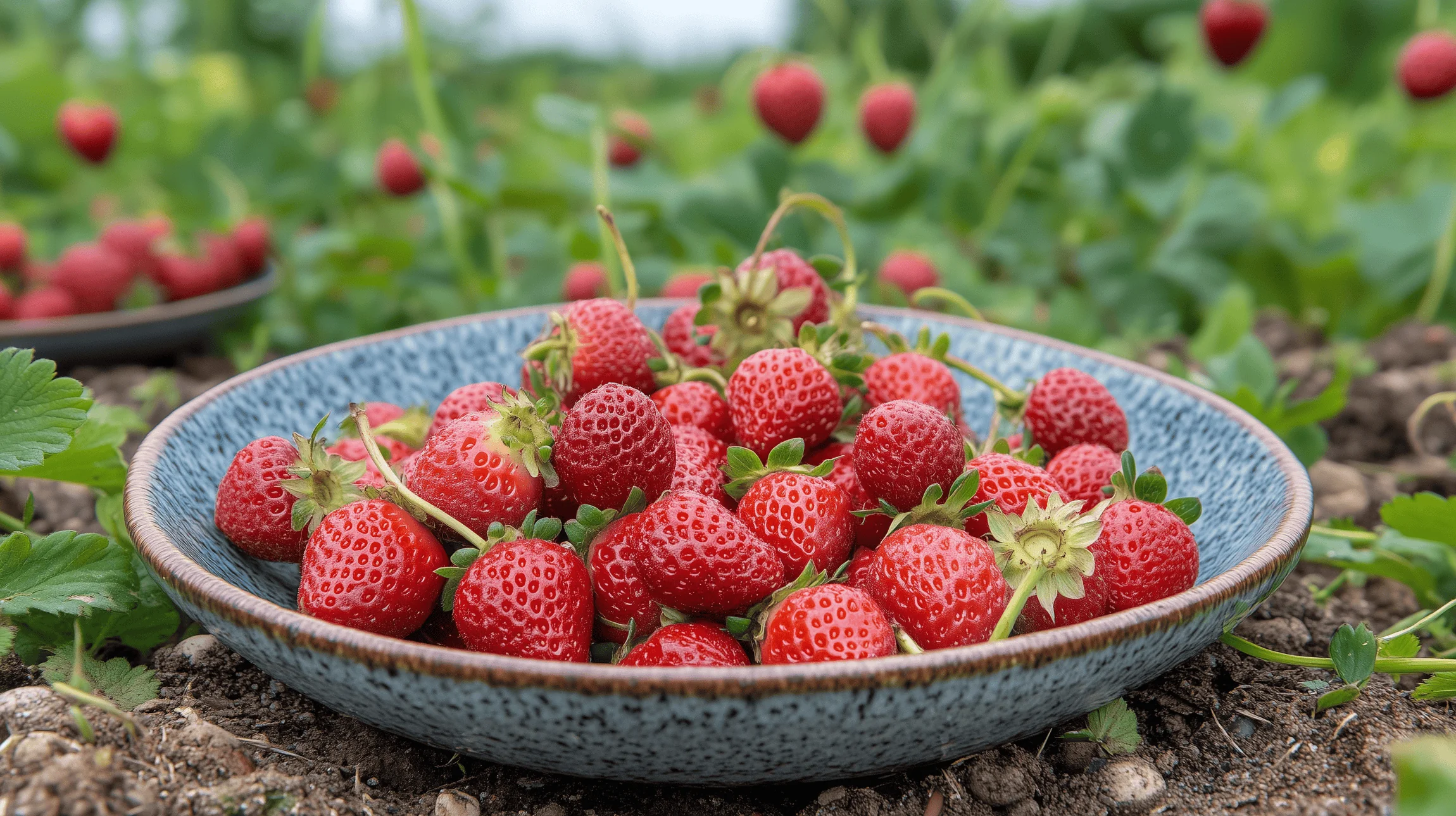
Strawberries are now grown in temperate regions around the world, from the U.S. to Europe, Japan, and South America. The red variety has become so ubiquitous that it’s easy to forget that there was once a time when strawberries were white and much smaller. Today, strawberries are more than just a fruit—they have become an essential part of food culture. From strawberry shortcake to jams, smoothies, and desserts, strawberries are a universal symbol of sweetness and summer.
In addition to their culinary uses, strawberries have also gained attention for their health benefits. Rich in antioxidants, vitamin C, and fiber, strawberries are celebrated for their nutritional value. They are often included in health-conscious diets and are even used in skincare products due to their beneficial properties for the skin. As a result, the strawberry continues to enjoy not only its popularity in kitchens worldwide but also its place as a nutritional powerhouse.
The Future of Strawberries
As we move into the future, the strawberry continues to be at the forefront of agricultural innovation. New varieties of strawberries are being developed that promise even better flavor, higher yields, and greater resistance to pests and diseases. One exciting development is the creation of strawberries that are not only more resilient but also more environmentally friendly. Scientists are working to breed strawberries that require less water, fewer pesticides, and are more adaptable to changing climates.
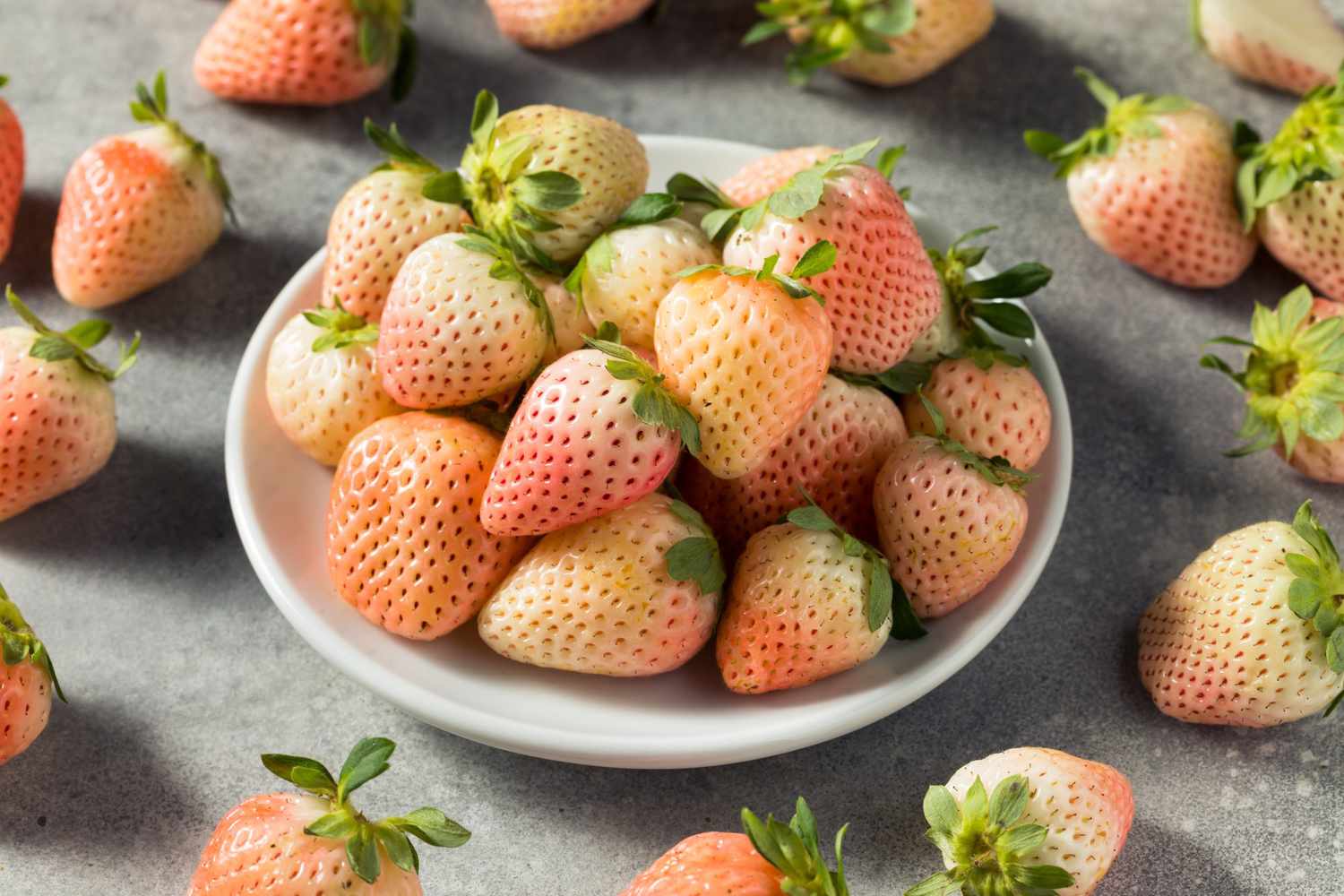
In recent years, there has also been a renewed interest in the white strawberry. These berries, often marketed as “pineberries,” have been reintroduced to the market as a novelty, appealing to consumers looking for something different. The white strawberry has even made a comeback in Japan, where it is cultivated for its unique appearance and taste. With the growing interest in heirloom fruits and diverse crop varieties, the white strawberry may find its place once again in the world’s markets.
Conclusion
The story of the strawberry—from its origins as a small, white fruit to its transformation into the large, red variety we know today—is a testament to the power of hybridization, innovation, and cultural influence. The red strawberry is not just a fruit but a symbol of agricultural ingenuity, economic growth, and global food culture. As we look to the future, the strawberry will continue to evolve, with new varieties emerging to meet the challenges of sustainability and changing consumer tastes. The humble strawberry, whether red or white, will undoubtedly remain a beloved fruit for generations to come.