
Table of Contents
The Incident and Medical Concerns
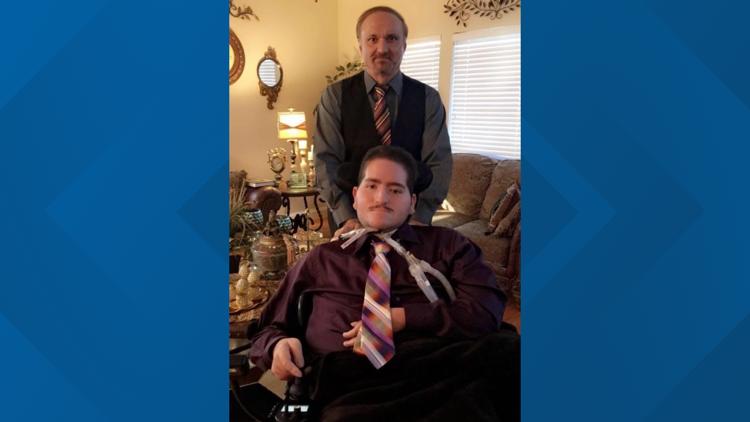
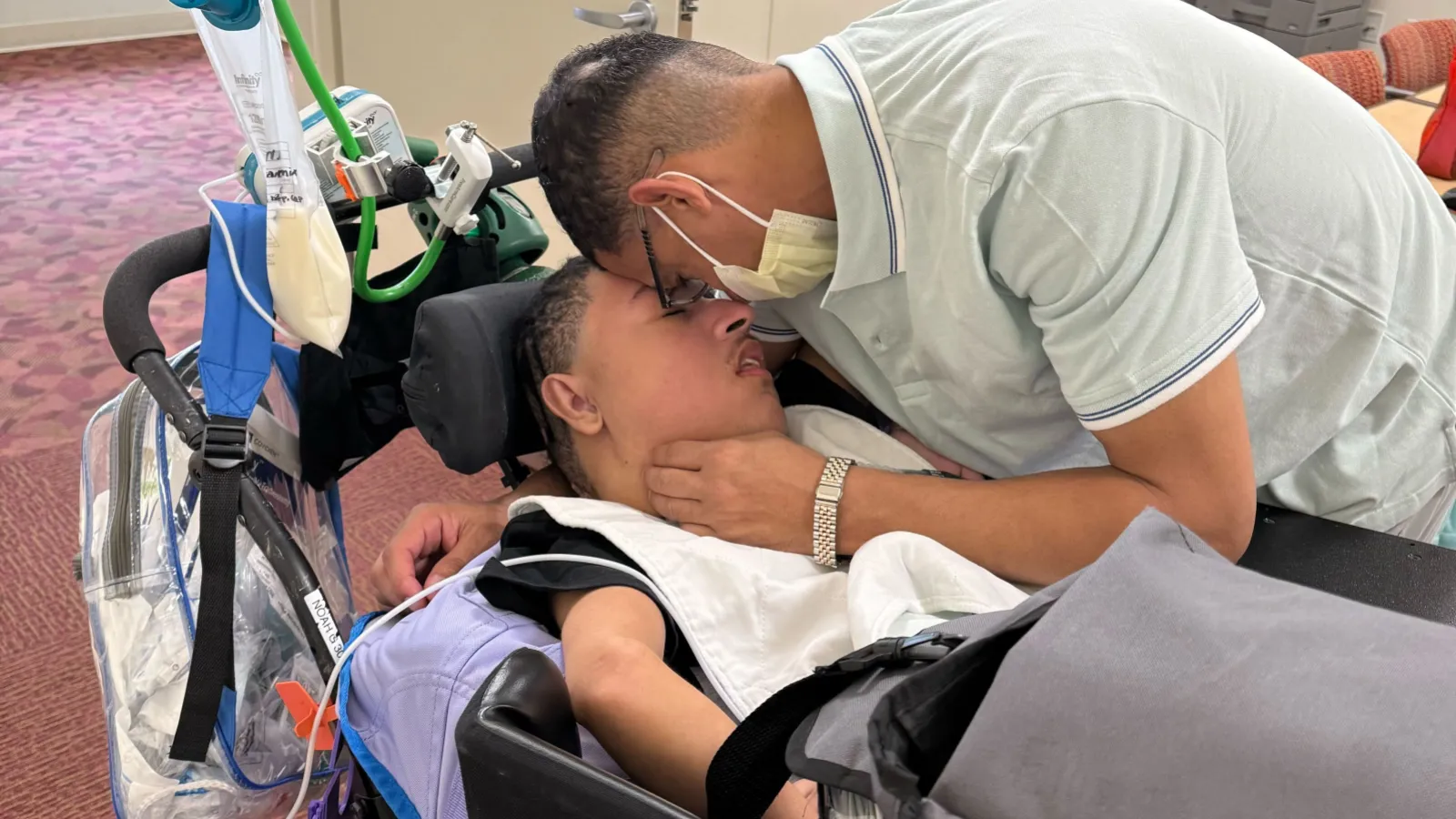
The incident took place in a Tarrant County detention center, where an unnamed disabled son of an ICE detainee was being held with his mother. According to sources, the young man began showing signs of significant distress, prompting the staff to call for medical assistance. Despite being transported to the hospital and receiving medical care, the son’s condition continued to deteriorate. He remained in critical care for 30 days before succumbing to his injuries.
Medical records indicate that the young detainee had a history of severe medical conditions that required specialized care. These conditions, which were reportedly known to ICE officials prior to his detainment, included a disability that made him particularly vulnerable to the harsh conditions of detention. Family members and human rights advocates have since raised concerns that the detained child did not receive the proper medical attention he needed during his time in custody, pointing to systemic issues within the immigration detention system.
A Family’s Struggle and the Call for Accountability
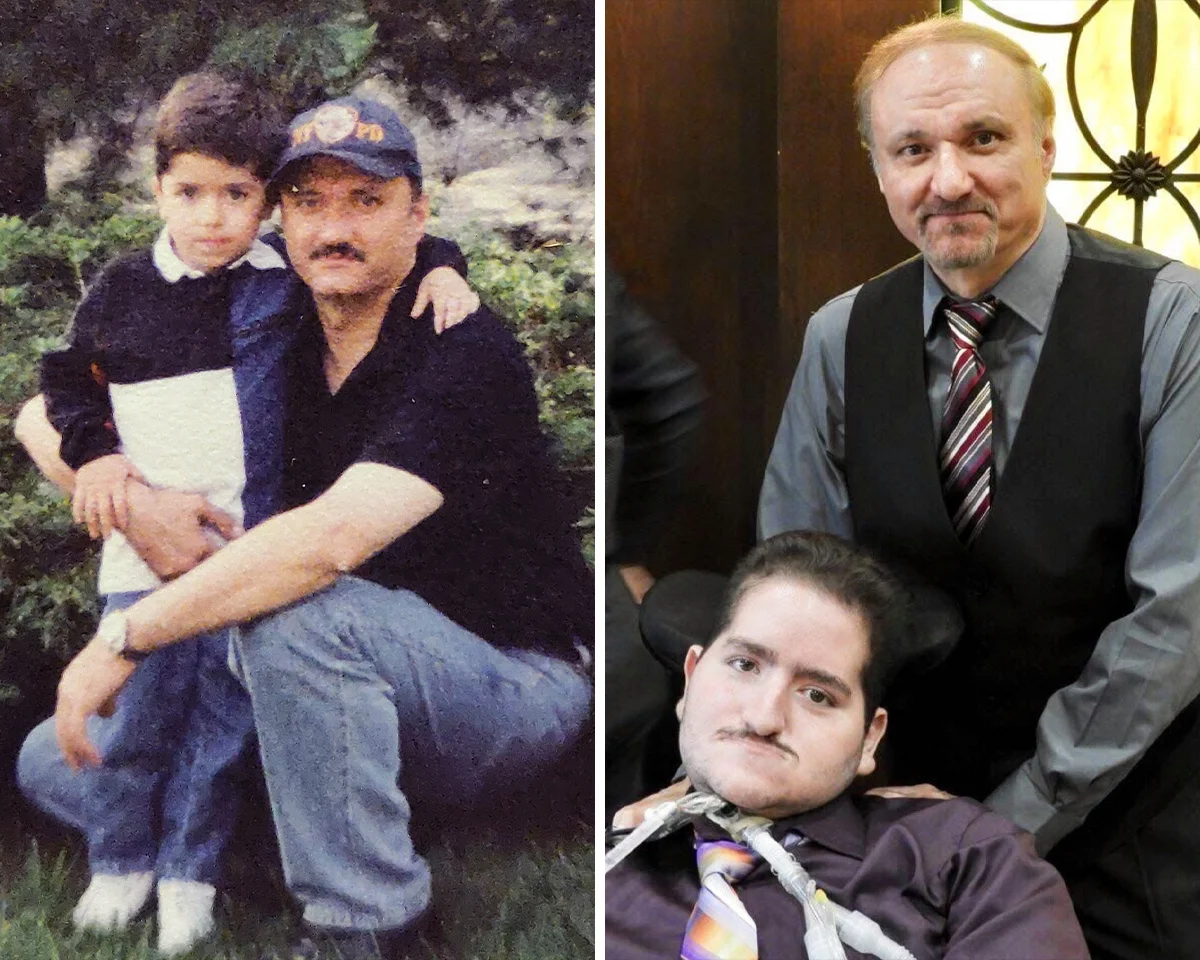
The mother of the deceased child, who had been detained by ICE for reasons related to her immigration status, spoke out publicly after her son’s death, expressing heartbreak and frustration over his treatment. According to her, she had repeatedly requested medical care for her son during their time in detention, but those requests were often met with delay and neglect. She revealed that her son’s disability was not adequately addressed by the medical staff at the detention facility, and there were delays in his transfer to the hospital.
In the wake of the tragedy, the family has called for full accountability and a thorough investigation into the medical practices within ICE detention centers. Legal advocates argue that this case highlights a pattern of negligence that is too common among vulnerable detainees, especially those with existing medical conditions or disabilities. Families are left to navigate an immigration system that many feel does not prioritize the health and safety of individuals in its custody.
The Role of ICE and Detention Facility Oversight
The incident has prompted calls for greater oversight of ICE detention facilities, especially regarding the treatment of individuals with medical needs. Historically, the detention system has been criticized for providing inadequate healthcare to those in its custody. This case is one of many in which detainees have experienced delays in receiving proper medical attention, resulting in worsened conditions or, in some cases, death.
ICE has claimed that it followed proper medical protocols during the detention of the young man, but the family and their legal advocates remain unconvinced. They argue that even if medical procedures were followed in theory, the reality of healthcare in detention centers often falls short of what is necessary. With overcrowded conditions and limited access to specialized care, detainees often experience long waits for medical attention, leading to a further deterioration of their health.
The incident has highlighted the need for reform within the ICE detention system to ensure that all detainees receive timely and adequate healthcare. Calls for policy changes, including better monitoring and more frequent inspections of detention facilities, have intensified in the wake of this tragedy. Advocates argue that improvements in healthcare and overall conditions within detention centers could prevent future incidents from occurring.
A Growing Crisis of Medical Neglect in Detention
The death of the young detainee is part of a broader pattern of medical neglect in U.S. immigration detention facilities. Over the past few years, several investigations have uncovered troubling patterns of inadequate medical care, including delayed diagnoses, improper treatment, and insufficient access to medical specialists. In some cases, detainees have died while in custody due to preventable medical conditions.
According to a report by the ACLU, detainees with disabilities, chronic illnesses, and other health concerns are particularly at risk. The report documents numerous cases where individuals with known medical conditions were not provided the necessary care, leading to worsened conditions or death. This growing crisis calls for a reevaluation of the standards by which ICE and other agencies provide healthcare to individuals in detention, with an emphasis on the need for reform to prevent further unnecessary suffering.
The Legal and Ethical Implications
This tragedy also raises important legal and ethical questions about the treatment of detained individuals, especially children and those with disabilities. The U.S. government is obligated to provide adequate healthcare to individuals in its custody, including ensuring that their medical needs are met in a timely manner. Failing to do so is not only a violation of human rights but also a breach of U.S. law, which mandates that detainees receive care equivalent to what would be available to them outside of detention.
Ethically, the treatment of detainees with disabilities and medical conditions raises concerns about the standards of care and the potential for discrimination. Detainees are entitled to humane treatment, regardless of their immigration status. When individuals are held in detention, the government has a responsibility to ensure that their basic needs, including healthcare, are met. The tragic death of the disabled son underscores the importance of upholding these ethical principles and preventing further harm to vulnerable individuals in custody.
Public and Legal Reactions
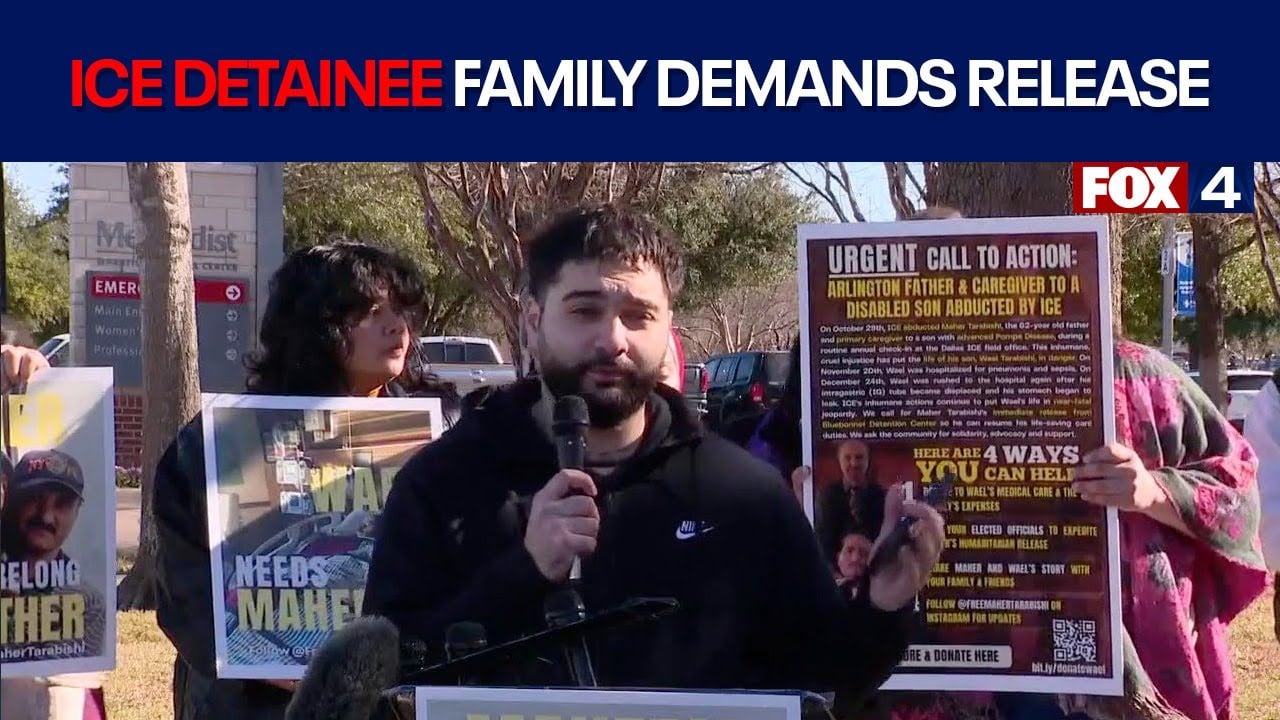
The public reaction to this incident has been one of outrage, with many calling for immediate action and reform. Civil rights organizations, advocacy groups, and political leaders have voiced their concerns over the treatment of detainees and called for greater accountability within the ICE detention system. Legal experts argue that this case could set a precedent for future lawsuits involving medical neglect in detention and could lead to policy changes aimed at improving healthcare access for detainees.
Family members of detainees and their legal representatives are now calling for a full investigation into the circumstances surrounding the young man’s death, demanding transparency from ICE and the detention facility. Some advocates are pushing for legislative changes that would mandate better healthcare standards in detention centers, ensuring that detainees have access to necessary medical care regardless of their status.
Reforming the Immigration Detention System
In response to this and other incidents, policymakers are considering reforms aimed at improving conditions in detention centers and ensuring better healthcare for detainees. Among the proposals being discussed are measures to reduce the number of people held in detention, particularly those with medical conditions or disabilities, and improving oversight of facilities to ensure compliance with medical care standards. Some are advocating for alternatives to detention, such as community-based programs, that would provide care for vulnerable individuals while ensuring they have access to the services they need.
These reforms are critical not only for ensuring the well-being of detainees but also for upholding the United States’ commitment to human rights and justice. The death of the disabled son serves as a tragic reminder of the ongoing challenges within the immigration system and the urgent need for comprehensive reform.
Conclusion
The death of the disabled son of an ICE detainee after 30 days in the hospital has brought attention to the serious flaws in the immigration detention system, particularly in regards to healthcare access. This tragedy has prompted calls for greater accountability, more rigorous oversight, and reforms to ensure that individuals in custody receive the care they need. As the debate continues, the need for compassionate, fair, and just treatment of detainees has never been clearer. Only through systemic reform can we prevent further tragedies and uphold the values of human dignity and rights for all individuals, regardless of their immigration status.