
Table of Contents
The Incident at the Jail: What Happened?
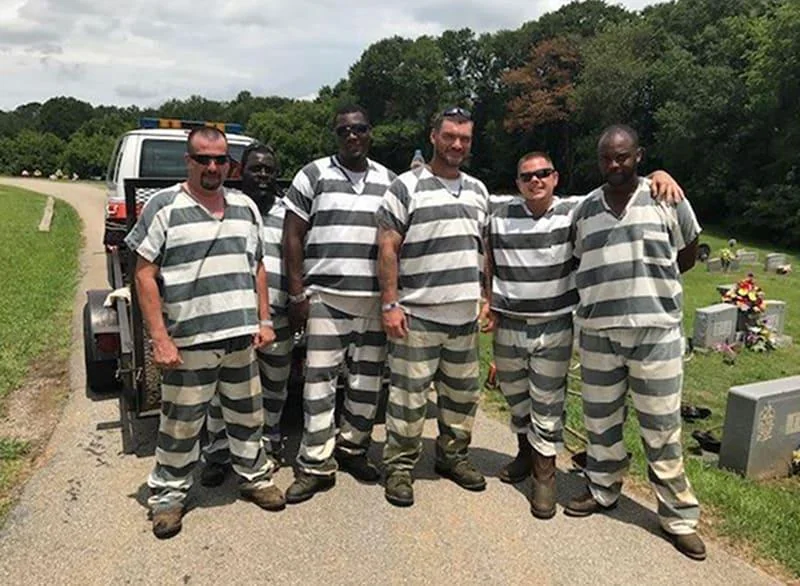
The incident took place at the California Men’s Colony, a state prison located in San Luis Obispo, where a deputy fell to the ground in the midst of a routine shift. At first, it appeared to be just another normal day at the facility, with no indication that anything out of the ordinary would unfold. However, when the deputy collapsed and exhibited signs of a stroke, panic spread quickly. In the midst of this emergency, several inmates, who were just moments away from resuming their own routines, made a critical decision: they would act.
Rather than ignoring the incident or waiting for staff, these inmates sprang into action. They immediately alerted the nearby prison staff, using their knowledge of the facility’s emergency procedures to help guide the response. Their prompt intervention was not only remarkable but absolutely necessary, as the deputy’s condition quickly worsened. The inmates knew they had little time, and their quick thinking helped save a life that could otherwise have been lost.
Inmates Who Saved a Life

Among the group of inmates who assisted was a man named Jason, who had been incarcerated for several years. Jason, who had developed a deep understanding of the human body due to his own medical challenges, was the first to recognize the symptoms of the stroke. He was quick to inform the other inmates, urging them to call for immediate help. What followed was a series of coordinated actions by the group, from ensuring the deputy’s airway remained clear to helping him stay stable until medical professionals arrived.
Jason’s decision to act wasn’t born out of obligation; it came from a sense of empathy. In an environment often defined by fear, isolation, and punishment, this act of compassion was a stark reminder that people are more than their mistakes. Jason, who had been convicted for a violent crime, displayed an incredible level of humanity—choosing to save a life rather than abandon the person who had once stood in judgment of him.
The Role of the Jail’s Emergency Response
The California Men’s Colony, where the incident occurred, had emergency protocols in place that allowed the prison staff to respond quickly. However, it was the inmates’ immediate reaction that helped to prevent the deputy from suffering further harm. As soon as the call went out for assistance, guards and medical staff responded with urgency, but it was the inmates who provided the crucial initial care that kept the deputy alive until help arrived.
In some respects, the deputies’ training to handle emergencies and medical situations may have been lacking in that moment. It was the inmates’ involvement that ultimately made the difference. Despite the common narrative of prisoners being dangerous, these inmates showed that, in moments of crisis, they could be the ones to act in a life-saving manner. Their decision to take immediate action was a reminder of the complex, often unseen humanity within the prison system.
A Remarkable Outcome

What makes this story even more compelling is the outcome. Thanks to the quick and coordinated actions of the inmates, the deputy not only survived the stroke but was later able to recover fully. After being rushed to the hospital, medical professionals credited the inmates’ efforts with preventing the situation from becoming a fatal one. The swift intervention ensured that the deputy received the necessary care before the damage became irreversible.
The deputy’s recovery was a source of immense pride for the inmates involved, who saw their actions not as an attempt to gain favor but as a simple human response to another’s suffering. For them, it was an opportunity to do something good, to show that despite the confines of their environment, they were capable of extraordinary acts of kindness.
The Broader Message: Redemption and Humanity Behind Bars
This remarkable incident goes beyond the idea of “doing the right thing.” It illustrates a deeper, more complex issue—how our society views and treats incarcerated individuals. The typical view of prisoners is one that focuses on their crimes and punishments, often overlooking their capacity for change and redemption. This event serves as a stark reminder that prisoners are capable of compassion, empathy, and heroism, just like anyone else.
Inmates, especially those who have been incarcerated for extended periods, can often feel isolated and detached from the outside world. Yet, in moments of crisis, they can rise to the occasion. This act of bravery challenges society’s perception of those behind bars, reminding us that people are defined by their actions, not their past mistakes. The deputy’s rescue by inmates also highlights the potential for reform within the prison system. If the focus were placed more on rehabilitation and fostering a sense of humanity, perhaps we could see more of these transformative moments.
Public Response and Changing Perspectives
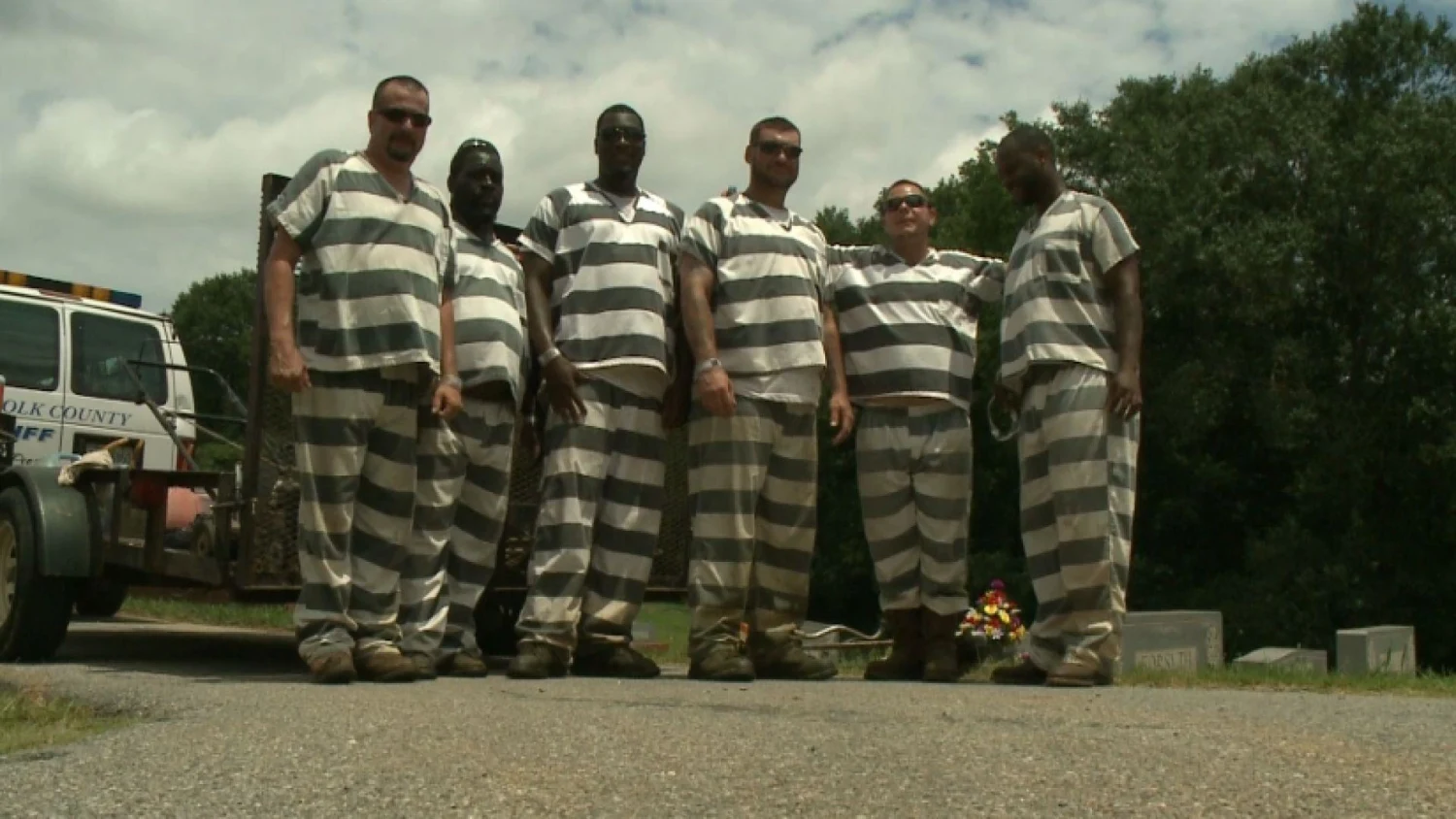
The public’s response to the incident was overwhelmingly positive, with many expressing admiration for the inmates’ quick thinking and selfless actions. This response also spurred a broader discussion about the criminal justice system and the rehabilitation of prisoners. In the aftermath of the event, several advocacy groups pointed to the incident as evidence of the untapped potential for positive transformation within the prison system.
What’s more, this incident has prompted conversations about reforming prisons in a way that encourages such moments of heroism and empathy. Advocates for prison reform argue that a system based on punishment alone fails to address the fundamental human need for dignity and redemption. Inmates who are given the opportunity for education, vocational training, and emotional support are more likely to make a positive impact, not just within the prison walls but in society at large.
Conclusion
The incredible act of heroism displayed by the inmates at the California Men’s Colony serves as a powerful reminder that human kindness and compassion are not confined by the walls of a prison. In a place where many are quick to label individuals based on their past mistakes, this act defied expectations and shined a light on the humanity that exists even in the most challenging environments. The story of the inmates who saved the deputy’s life reminds us that redemption is possible for all people, regardless of their past actions. It is a call to re-examine how we view and treat incarcerated individuals, advocating for a system that promotes rehabilitation, humanity, and second chances.