
Table of Contents
- India’s First Bilateral Hand Transplant
- A Struggle for Independence
- Meena Mehta’s Selfless Legacy
- Challenges and Innovations in Hand Transplantation
- Six Weeks of Healing and Rehabilitation
- The Long Road to Sensation and Independence
- Managing the Risk of Rejection
- A Milestone for India’s Medical Community
- Expanding Access to Life-Changing Procedures
- Second Chance at Life for Raj Kumar
India’s First Bilateral Hand Transplant
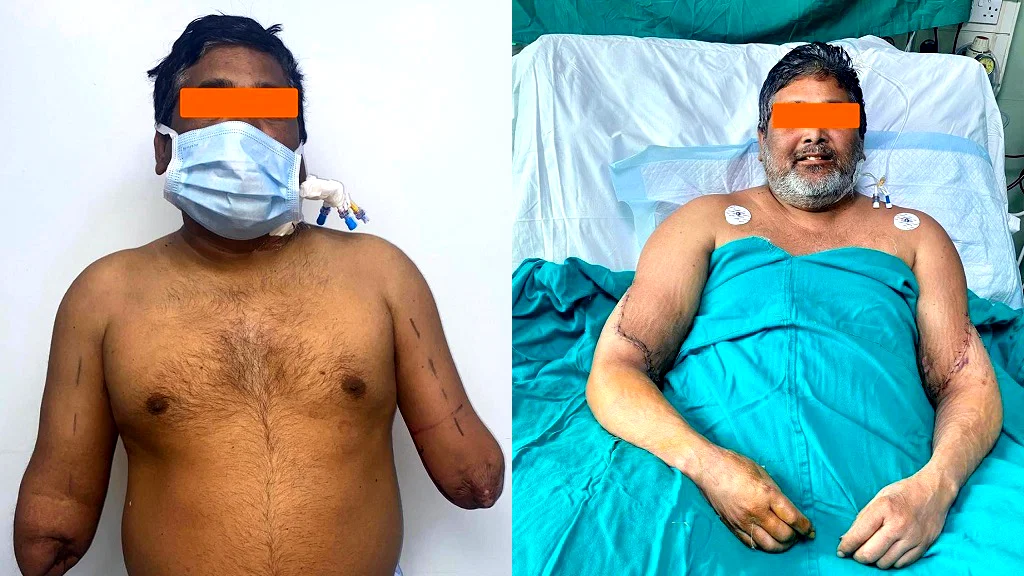
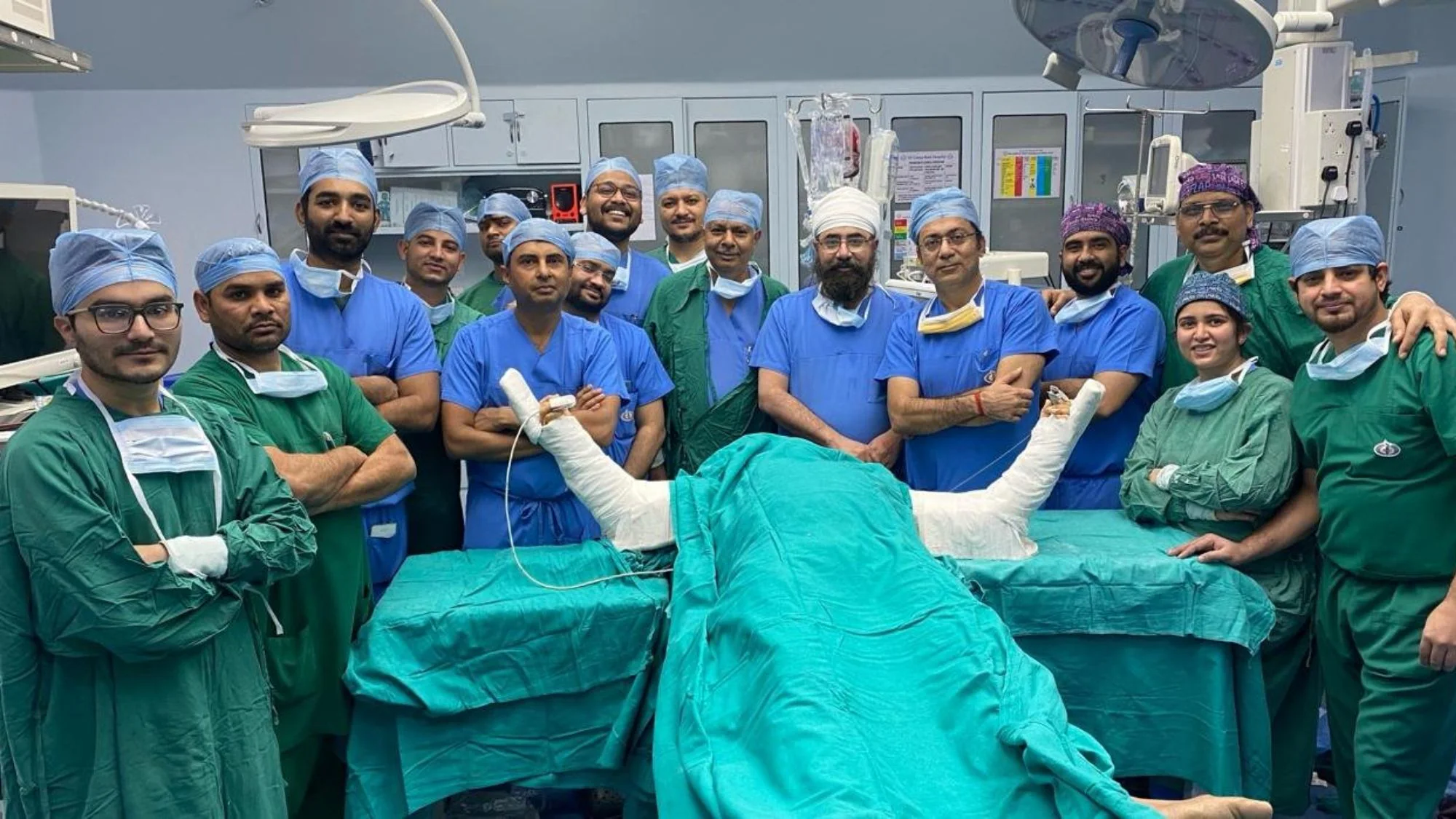
On January 19, 2024, doctors in Delhi performed the city’s first bilateral hand transplant, marking a significant milestone in India’s medical history. The surgery, which lasted over 12 hours, was conducted by a team of 11 doctors at Sir Ganga Ram Hospital, a leading healthcare institution in the country. Raj Kumar, the recipient, had lost both of his hands in a tragic accident in 2020. The hands he received came from Meena Mehta, a 56-year-old woman who had been declared brain-dead after suffering a severe brain hemorrhage. Despite the personal tragedy, Mehta’s family chose to donate her organs, including her hands, to save the life of another. The transplant was a complex, high-stakes operation that required not only advanced surgical skill but also careful coordination between multiple medical professionals.
A Struggle for Independence
Raj Kumar’s life changed forever on October 12, 2020, when he was run over by a train while riding his bicycle. Kumar, who was trying to pull his stuck bicycle off the tracks, slipped and fell, and was tragically hit by the train. Both of his hands were severed in the accident, leaving him completely dependent on prosthetics for daily tasks. Kumar tried using prosthetic hands, but they were not functional enough for him to regain full independence. The emotional toll of losing his hands was as significant as the physical loss, as Kumar was a skilled painter who could no longer hold a paintbrush. His world, once filled with creativity, was now dominated by frustration and helplessness. After several failed attempts with prosthetics, Kumar found a glimmer of hope when he was informed that a match had been found for a bilateral hand transplant.
Meena Mehta’s Selfless Legacy
Meena Mehta, a former administrative head of a local school, had always lived a life of service and compassion. After her tragic brain hemorrhage left her brain-dead, her family decided to honor her memory by donating her organs. Mehta’s decision to donate was not only life-saving but also a testament to the power of altruism. Her hands, along with other organs like her corneas, liver, and one kidney, were given to people in need. For Kumar, the gift of Mehta’s hands represented more than just a medical procedure—it was a chance to reclaim his identity and independence. In a world where organ donation can sometimes be a difficult decision, Mehta’s family’s choice to donate her organs has provided hope and a new life to Kumar and others.
Challenges and Innovations in Hand Transplantation
Performing a bilateral hand transplant is a highly intricate and rare procedure that requires a multidisciplinary team. The process began with securing the bones of the donor’s hands, followed by connecting muscles, arteries, and nerves to the recipient’s body. Dr. Swaroop Singh Gambhir, the lead surgeon, explained that the key challenge was ensuring that the delicate tissues of the hands were properly integrated with Kumar’s body. The 12-hour surgery required precision at every step to ensure that blood flow was restored to the hands, and that they would eventually function as they did before the accident. The team also had to ensure that nerve connections were made so that Kumar would eventually regain sensation in his new hands. It was a delicate balancing act, as even minor errors could result in complications such as rejection or loss of function.
Six Weeks of Healing and Rehabilitation
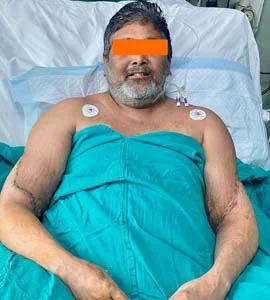
Following the surgery, Kumar was placed in intensive care for several days before being moved to a recovery room. Over the next six weeks, he underwent regular physical therapy to regain movement and strength in his new hands. During this time, he was also placed on immunosuppressant medications, which are typically given to transplant patients to prevent the body from rejecting the new organ. Kumar’s recovery was closely monitored by the medical team, as he gradually regained the use of his new hands. While the first few weeks were critical for ensuring that the transplant was successful, Kumar also began to experience the early stages of sensory feedback in his hands, which would become more pronounced in the coming months.
The Long Road to Sensation and Independence
Kumar’s recovery is far from over, and the process of regaining full function in his hands will take time. Dr. Mahesh Mangal, the chairman of the Department of Plastic and Cosmetic Surgery at Sir Ganga Ram Hospital, explained that it could take six to seven months before Kumar experiences sensations in his new hands. Although the nerves are beginning to reconnect, it will take time before Kumar can feel temperature or texture with his new hands. In the meantime, he must take extra precautions to avoid touching objects that are too hot or too cold, as he may not be able to feel the danger. Despite these challenges, Kumar remains optimistic and is determined to return to his passion for painting once his hands fully recover.
Managing the Risk of Rejection
As with any organ transplant, the use of immunosuppressant medications is critical to preventing the body from rejecting the donor’s tissue. Kumar will need to take these medications for the rest of his life to ensure that his new hands are accepted by his body. While these drugs are essential, they come with their own set of risks, including increased vulnerability to infections. Kumar will be closely monitored by his medical team to ensure that his body continues to accept the transplant and that his health remains stable. The need for lifelong immunosuppression is one of the most challenging aspects of organ transplantation, as it requires a delicate balance to avoid rejection while protecting the body from infections.
A Milestone for India’s Medical Community
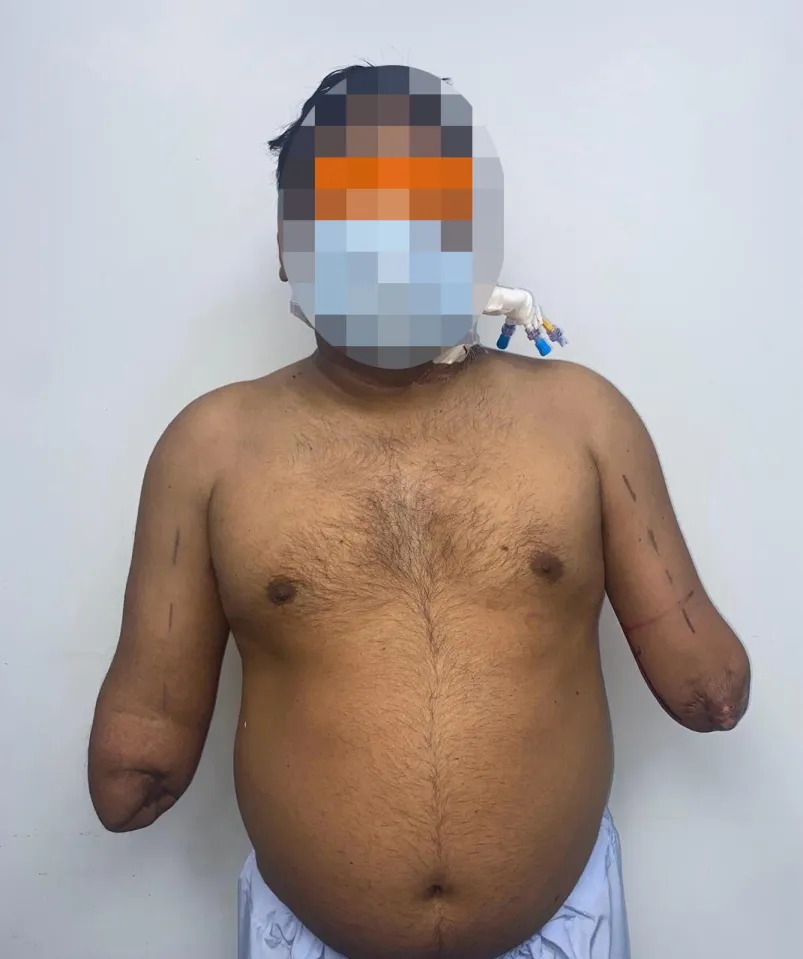
This transplant is a significant milestone not just for Raj Kumar, but also for India’s medical community. Sir Ganga Ram Hospital has now become one of the few medical institutions in India capable of performing such complex procedures. The success of this operation puts India on the map as a destination for cutting-edge medical treatments. For many, this transplant represents the growing capabilities of Indian healthcare professionals to perform complex surgeries that were once thought to be impossible. The hospital’s success also highlights the growing importance of organ donation in India, as more families choose to donate their loved ones’ organs to save others.
Expanding Access to Life-Changing Procedures
As hand transplants become more successful, it is likely that more patients in India and around the world will be given the opportunity to regain lost limbs. With advancements in surgical techniques and post-operative care, hand transplants have become a viable option for people like Raj Kumar, whose lives were irreversibly changed by traumatic accidents. While the procedure remains rare, its increasing success points to a future where more patients could benefit from the restoration of their hands and their independence. For Kumar, the transplant represents not just the return of his hands, but the chance to live a fuller, more independent life.
Second Chance at Life for Raj Kumar
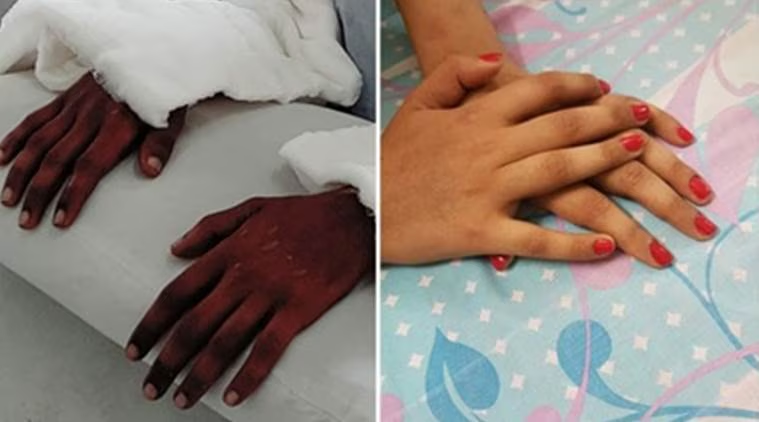
Raj Kumar’s story is one of resilience, hope, and the extraordinary power of medical innovation. What began as a tragic accident has now led to a remarkable transformation, as Kumar begins the long journey of recovery with his new hands. The successful transplant is a testament to the skill of the medical professionals involved, the generosity of the donor’s family, and the growing capabilities of Indian healthcare. For Kumar, the future is filled with possibilities—he can now return to his passion for painting and live the life he once thought was lost. His story is a shining example of how science and human compassion can come together to change lives.