
Table of Contents
- Taxpayer-Funded Settlements for Sexual Harassment
- The Role of the Office of Congressional Workplace Rights
- Lawmakers Involved in Settlements
- Lawmakers’ Resignations and Public Backlash
- The #MeToo Movement and Congressional Reforms
- A Scathing Critique
- Ending Taxpayer-Funded Settlements
- Bipartisan Support for Transparency and Accountability
- What This Means for Congressional Integrity
- Moving Forward with Greater Accountability
Taxpayer-Funded Settlements for Sexual Harassment
Between 1996 and 2018, the U.S. government used taxpayer dollars to settle multiple cases of sexual harassment involving lawmakers. The settlement amounts, while typically confidential, have now come to light, sparking public outrage and calls for greater transparency. These payments were made through the Office of Congressional Workplace Rights (OCWR), which is responsible for handling complaints against legislative branch offices. The release of these documents comes after years of lobbying by groups pushing for more accountability in how Congress handles allegations of sexual misconduct. The figures reveal that, in at least six cases, taxpayer money was used to settle allegations of harassment and misconduct by former members of Congress.
The Role of the Office of Congressional Workplace Rights

The Office of Congressional Workplace Rights is tasked with overseeing workplace misconduct complaints within Congress. However, the office has been criticized for its lack of transparency, especially when it comes to settlements involving sexual harassment. According to the documents reviewed by CNN, the office approved 349 awards or settlements between January 1, 1996, and December 12, 2018, addressing a variety of issues, with sexual harassment being one of the most serious. Of these, seven cases involved sexual harassment allegations, resulting in payouts using taxpayer money. The lack of clear public documentation of these settlements has led to widespread frustration over how such sensitive matters are handled.
Lawmakers Involved in Settlements
Among the most significant revelations is the involvement of several well-known lawmakers in these settlements. One of the most prominent names is former Democratic Rep. Eric Massa, who was the subject of three separate settlements totaling $115,000 due to allegations of sexual misconduct by male employees in his office. Massa, who resigned from Congress in 2010, denied the allegations at the time but left office amid the controversy. Similarly, former Democratic Rep. John Conyers received a $50,000 settlement for one case and additional severance payments for another, related to allegations of sexual harassment. Conyers resigned in 2017 as the allegations became public. These cases highlight how taxpayers unknowingly funded settlements for actions that undermined public trust in elected officials.
Lawmakers’ Resignations and Public Backlash
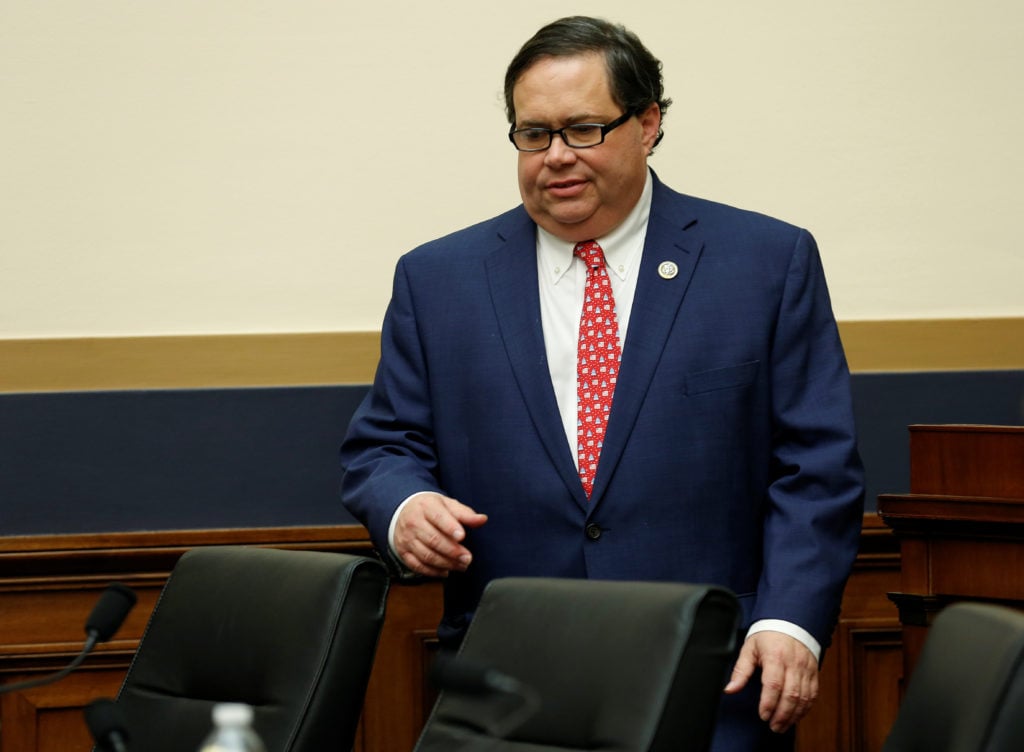
The revelation of these settlements is part of a broader pattern of resignations by lawmakers who faced allegations of sexual misconduct. In addition to Massa and Conyers, other lawmakers named in the documents include former Republican Rep. Rodney Alexander, former Democratic Rep. Carolyn McCarthy, former GOP Rep. Blake Farenthold, and former GOP Rep. Patrick Meehan. All of these individuals resigned in the wake of allegations, but not before taxpayer money was used to settle complaints. Their resignations were often accompanied by public apologies, but the use of taxpayer funds for settlements added another layer of controversy to their departures. This raises critical questions about accountability, particularly for those in positions of power.
The #MeToo Movement and Congressional Reforms
The #MeToo movement, which gained momentum in 2017, has brought increased attention to workplace harassment and misconduct. The movement has led to significant changes in how organizations, including Congress, handle sexual harassment claims. In 2018, following intense public scrutiny, Congress enacted reforms aimed at improving the way sexual harassment cases are addressed. The reforms prohibited the use of taxpayer money for settlements and required lawmakers to cover the costs themselves. These changes were seen as a positive step toward greater accountability. However, the release of these documents shows that the previous system allowed for significant payouts that went largely unnoticed by the public.
A Scathing Critique

The fact that taxpayer dollars were used to settle sexual harassment cases involving lawmakers has sparked strong criticism from both sides of the political aisle. Critics argue that these settlements represent an abuse of public funds, particularly in light of the significant sums involved. The lack of transparency surrounding these settlements also raises concerns about the integrity of the process. Many Americans feel betrayed by the use of their tax money to settle cases of sexual misconduct, especially when those involved were in positions of power. The controversy surrounding these payments has led to calls for further reforms, including greater oversight and accountability in how Congress handles such cases.
Ending Taxpayer-Funded Settlements
Following the reforms implemented in 2018, Congress has taken steps to prevent further use of taxpayer dollars for sexual harassment settlements. The new policies require lawmakers to personally cover the costs of such settlements, ensuring that the burden does not fall on the public. While this marks a significant change, the damage done by the previous system remains. The revelation of these settlements serves as a reminder of the importance of continued vigilance in ensuring that taxpayer funds are used responsibly. Many activists are calling for even stricter rules to ensure that any future settlements are handled in a more transparent and accountable manner.
Bipartisan Support for Transparency and Accountability

The push for greater transparency and accountability regarding sexual harassment in Congress has garnered bipartisan support. Rep. Nancy Mace, a Republican from South Carolina, has been at the forefront of this effort, calling for more openness regarding settlements and encouraging reforms to ensure that victims are treated fairly. Mace’s work, along with that of other lawmakers, has led to the subpoena of these documents and the eventual release of information about the settlements. The bipartisan support for these reforms shows that addressing sexual harassment in Congress is not a partisan issue but one that affects all Americans, regardless of political affiliation.
What This Means for Congressional Integrity
The release of these settlement documents has far-reaching implications for the integrity of Congress. It has revealed the lengths to which some lawmakers were willing to go to cover up allegations of misconduct, and it raises questions about the culture of silence that allowed such behavior to persist for so long. While the reforms of 2018 were a step in the right direction, this new information underscores the need for continued efforts to create a more transparent and accountable Congress. The public deserves to know how their tax dollars are being spent and to have confidence that their elected officials are held to the highest standards of conduct.
Moving Forward with Greater Accountability
As Congress moves forward, it must continue to prioritize transparency and accountability in handling sexual harassment claims. The release of these documents is a pivotal moment in the ongoing struggle to ensure that those in positions of power are held accountable for their actions. The reforms implemented in 2018 were a positive step, but there is still much work to be done. By fostering a culture of openness and responsibility, Congress can begin to restore the public’s trust and ensure that taxpayer dollars are used for the common good, not to cover up the actions of a few bad actors.