

Table of Contents
- How Bill Gates Became the Face of Global Conspiracy Theories
- The “Great Reset” Became a Lightning Rod
- Why the United Nations Became Part of the Theory
- Social Media Supercharged Conspiracy Culture
- The Pandemic Changed Public Trust Forever
- Why Population Anxiety Keeps Returning
- Davos Continues Attracting Suspicion
- Experts Warn About Real World Consequences
- Why These Theories Continue Thriving
- The Bigger Question Behind the Panic
How Bill Gates Became the Face of Global Conspiracy Theories
Before the pandemic, Bill Gates was primarily known worldwide as the billionaire founder of Microsoft and one of the world’s largest philanthropists. Through the Bill & Melinda Gates Foundation, he invested billions into public health programs, vaccine research, poverty reduction initiatives, and disease prevention campaigns.
However, during the COVID 19 crisis, Gates unexpectedly transformed into one of the internet’s biggest conspiracy targets.
The shift happened rapidly in early 2020 as fear and uncertainty spread globally. As governments imposed lockdowns and scientists raced to develop vaccines, online rumors began linking Gates to sinister theories about population reduction and mass surveillance.
Some posts falsely claimed COVID vaccines contained microchips designed to track people. Others alleged the vaccines secretly caused infertility or were intended to reduce birth rates worldwide. More extreme versions claimed Gates and global elites intentionally created the virus itself to engineer a depopulation event.
Experts repeatedly debunked these claims, noting there is no scientific evidence supporting them. Vaccines do not contain tracking microchips, and major health organizations around the world continue monitoring vaccine safety extensively.
Still, the theories spread at extraordinary speed online.
Part of the reason was Gates’ own visibility during the pandemic. He frequently appeared in interviews discussing vaccines, pandemic preparedness, and global health policy. To supporters, he was advocating science and preparedness. To conspiracy theorists, however, his prominence became suspicious.
The more Gates spoke publicly about health issues, the more central he became to online conspiracy narratives.
The “Great Reset” Became a Lightning Rod

One phrase repeatedly tied to these conspiracy theories is “The Great Reset.”
The term originally referred to a World Economic Forum initiative launched during the pandemic to encourage economic recovery, sustainability, and international cooperation after COVID 19 disrupted the global economy.
The initiative focused on rebuilding economies through technological innovation, environmental sustainability, and public private partnerships. However, online conspiracy communities quickly reinterpreted the phrase into something much darker.
According to viral conspiracy claims, “The Great Reset” supposedly represents a secret plan by global elites to eliminate personal freedoms, create centralized global control systems, reduce populations, and reshape society under authoritarian rule.
Theories connected the initiative to vaccines, digital identification systems, climate policies, food shortages, artificial intelligence, and even cryptocurrency regulation.
Despite repeated clarifications from the World Economic Forum, the phrase became deeply embedded in online conspiracy culture.
The name itself likely contributed to the panic. To many people already distrustful of global institutions, the phrase “Great Reset” sounded dramatic and ominous. Combined with widespread pandemic fear, economic uncertainty, and social isolation during lockdowns, the theory found fertile ground online.
Today, almost any major global development can become linked to “The Great Reset” in conspiracy spaces.
Why the United Nations Became Part of the Theory
The United Nations also became a central figure in many population control conspiracies, particularly through references to Agenda 2030.
Agenda 2030 is a real United Nations initiative consisting of sustainable development goals focused on poverty reduction, climate action, education, healthcare, and economic development.
However, conspiracy theorists often reinterpret Agenda 2030 as evidence of a hidden plan to establish centralized global governance and reduce individual freedoms.
Online posts frequently misrepresent environmental policies, urban planning ideas, or digital infrastructure projects as part of a broader secret depopulation scheme.
In reality, Agenda 2030 primarily outlines broad international development goals adopted by UN member states. The goals themselves focus on issues such as hunger reduction, clean energy, gender equality, healthcare access, and sustainable economic growth.
Yet within conspiracy communities, even ordinary policy language about sustainability or population trends can become reframed as proof of secret authoritarian ambitions.
This pattern reflects a larger trend in modern misinformation where complex policy discussions become simplified into emotionally charged narratives about hidden enemies and secret agendas.
Social Media Supercharged Conspiracy Culture
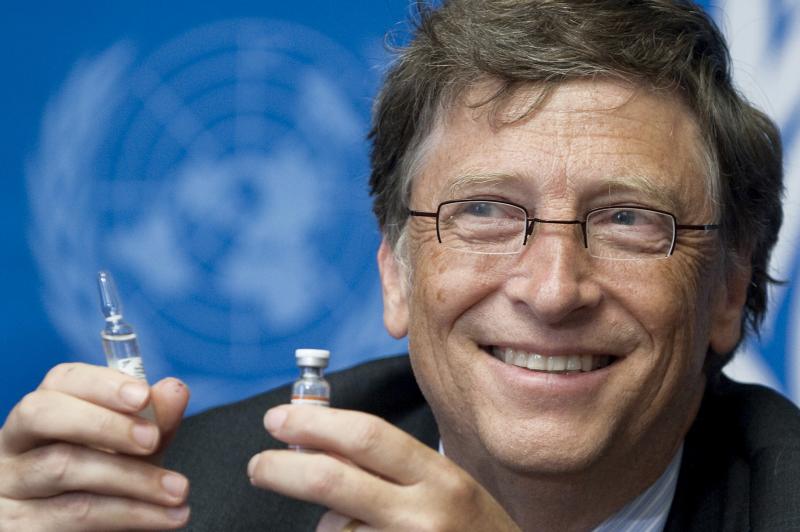
One of the biggest reasons these theories continue spreading is the structure of modern social media itself.
Platforms reward emotionally intense content because shocking, frightening, or controversial posts often generate stronger engagement. Fear based narratives spread especially quickly because people are more likely to share alarming claims with friends and family.
During the pandemic, millions of people spent far more time online than usual. Isolation, uncertainty, and constant exposure to frightening news created an environment where conspiracy theories flourished.
Algorithms frequently amplified sensational claims, sometimes faster than factual corrections could spread.
Even when platforms removed misinformation, conspiracy communities often interpreted censorship itself as proof the theories were true.
This created a self reinforcing cycle where distrust of institutions grew stronger every time misinformation was challenged.
Researchers studying misinformation have repeatedly noted that conspiracy theories rarely survive because of evidence alone. Instead, they often survive because they provide emotionally satisfying explanations during periods of uncertainty and fear.
For some individuals, believing powerful hidden groups control world events can feel psychologically easier than accepting that crises like pandemics, wars, or economic instability are often chaotic and unpredictable.
The Pandemic Changed Public Trust Forever
The coronavirus pandemic dramatically reshaped public trust in governments, science, and institutions worldwide.
During the crisis, health recommendations evolved constantly as scientists learned more about the virus. Mask guidance changed, lockdown policies shifted, and vaccine information developed rapidly.
While many experts viewed these changes as a normal part of scientific learning, others saw them as evidence institutions could not be trusted.
Political polarization also intensified the problem.
Public health measures became deeply entangled with ideological identity in many countries. Vaccines, lockdowns, and pandemic restrictions were no longer viewed only as health issues but as political symbols.
This environment allowed conspiracy theories to merge with broader cultural frustrations involving freedom, economics, government authority, and elite influence.
As trust weakened, alternative information ecosystems exploded online.
Independent influencers, podcast hosts, anonymous accounts, and fringe websites increasingly became primary news sources for millions of people skeptical of mainstream institutions.
That shift fundamentally changed how conspiracy theories spread and persist.
Why Population Anxiety Keeps Returning

Population concerns themselves are not new.
For decades, governments, scientists, environmentalists, and economists have debated issues involving overpopulation, declining birth rates, migration, urbanization, and resource management.
These are legitimate topics studied across many academic fields.
However, conspiracy theories often distort these discussions into sinister narratives about forced depopulation schemes.
For example, conversations about sustainability or climate change sometimes become twisted online into claims that elites want to reduce human populations to save resources. Discussions about healthcare access or reproductive rights are sometimes reframed as evidence of hidden population engineering.
In reality, population trends vary dramatically across the world.
Some countries face declining birth rates and aging populations, while others experience rapid growth. Economists and policymakers often discuss these issues openly because population shifts affect labor markets, housing, healthcare systems, and economic planning.
But conspiracy narratives remove nuance entirely.
Instead of seeing population policy discussions as public policy debates, conspiracy theorists reinterpret them as evidence of secret coordinated control.
Davos Continues Attracting Suspicion
Every year, the World Economic Forum meeting in Davos becomes a major target for conspiracy theories.
The event gathers politicians, billionaires, corporate leaders, economists, and activists from around the world to discuss global challenges including economics, technology, climate change, and geopolitics.
To critics, Davos represents elite networking disconnected from ordinary people’s realities. To conspiracy communities, however, the event symbolizes something much larger: proof that global elites secretly coordinate world events behind closed doors.
Photographs of billionaires and world leaders meeting together often fuel online speculation. Even ordinary policy discussions can become reinterpreted as evidence of hidden agendas.
This year’s Davos meeting once again triggered viral claims linking the World Economic Forum to depopulation conspiracies, digital surveillance fears, and global control theories.
Many of the claims recycle narratives first popularized during the pandemic.
Experts Warn About Real World Consequences

Although some conspiracy theories may appear absurd or harmless online, experts warn they can produce serious real world consequences.
Misinformation about vaccines contributed to vaccine hesitancy during the pandemic, potentially affecting public health responses worldwide.
Conspiracy theories can also fuel political extremism, harassment campaigns, and growing distrust in democratic institutions.
Public health officials, scientists, and even healthcare workers frequently became targets of threats during the pandemic because of false online narratives.
Bill Gates himself became one of the most visible examples.
Multiple reports documented harassment campaigns, viral misinformation attacks, and online abuse directed toward Gates and public health advocates throughout the COVID era.
Experts say conspiracy theories become especially dangerous when they encourage people to reject all institutions entirely, making productive public dialogue increasingly difficult.
Why These Theories Continue Thriving
One reason conspiracy theories survive so effectively is that they constantly evolve.
When one prediction fails, the narrative often shifts rather than disappearing completely. New events become woven into the same broader story about hidden elites, global control, and secret agendas.
Economic instability, wars, pandemics, artificial intelligence, climate anxiety, and technological disruption all create uncertainty. Conspiracy theories often thrive during uncertain periods because they provide emotionally powerful explanations that simplify complicated global problems.
Social media also allows niche theories to spread internationally almost instantly.
What once remained isolated in fringe communities can now reach millions of people within hours through short videos, viral posts, podcasts, and algorithm driven recommendations.
This has fundamentally transformed modern misinformation culture.
The Bigger Question Behind the Panic
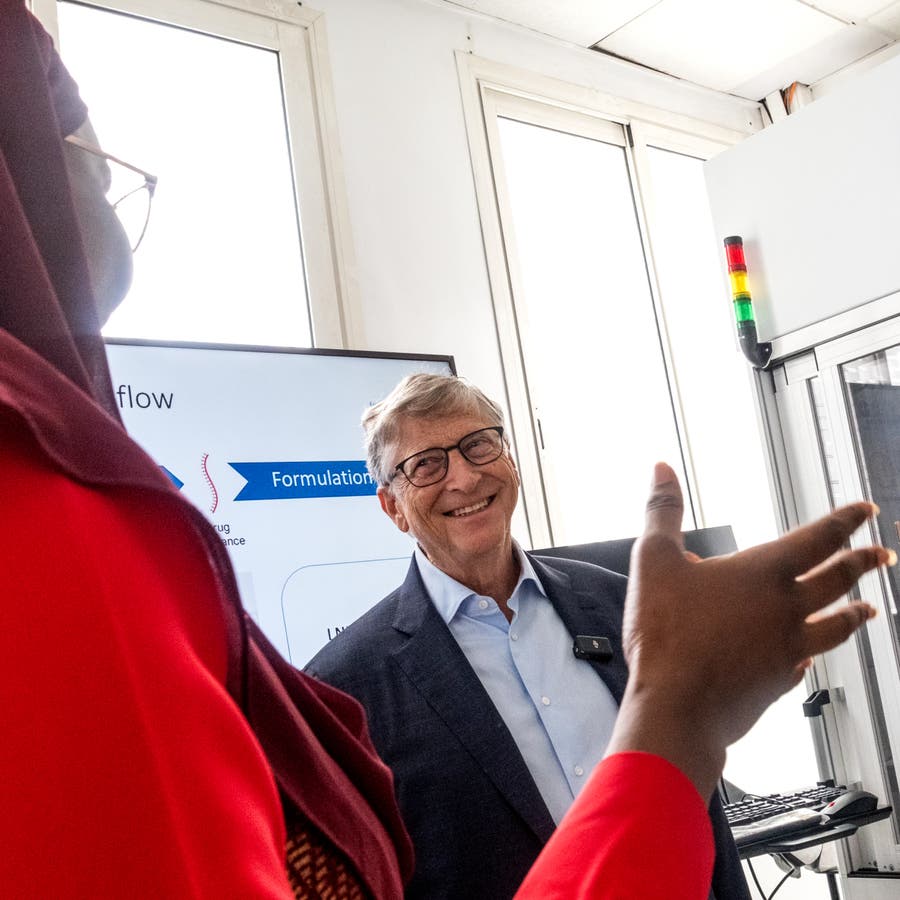
At its core, the persistence of these conspiracy theories may reveal something larger about modern society itself.
Many people feel disconnected from powerful institutions shaping their lives. Governments, multinational corporations, global organizations, and technology platforms increasingly influence daily life in ways that feel distant and difficult to understand.
That environment creates fertile ground for suspicion.
When trust in institutions weakens, conspiracy theories often fill the vacuum.
The danger is that genuine public concerns about transparency, inequality, corporate influence, and political accountability can become mixed together with baseless misinformation and fear driven narratives.
As the world continues navigating rapid technological change, economic uncertainty, and global instability, experts believe conspiracy culture will likely remain a powerful force online.
The challenge moving forward may not simply be debunking false claims one by one. Instead, it may involve rebuilding public trust, improving media literacy, and addressing the deeper social anxieties that allow these theories to spread so widely in the first place.