
Table of Contents
- Trump’s Comments Immediately Sparked Backlash
- Inflation Is Rising Again Across the United States
- Trump Defended His Economic Record
- The Iran Conflict Continues Driving Global Tensions
- The Cost of the War Keeps Growing
- Trump’s China Trip Carries Major Global Stakes
- Trump’s Confrontation With Reporters Added More Fuel
- The White House Ballroom Controversy Continues Growing
- Hollywood, Politics, and Air Force One
- Why Trump’s Comments Could Have Long Term Political Impact
Trump’s Comments Immediately Sparked Backlash
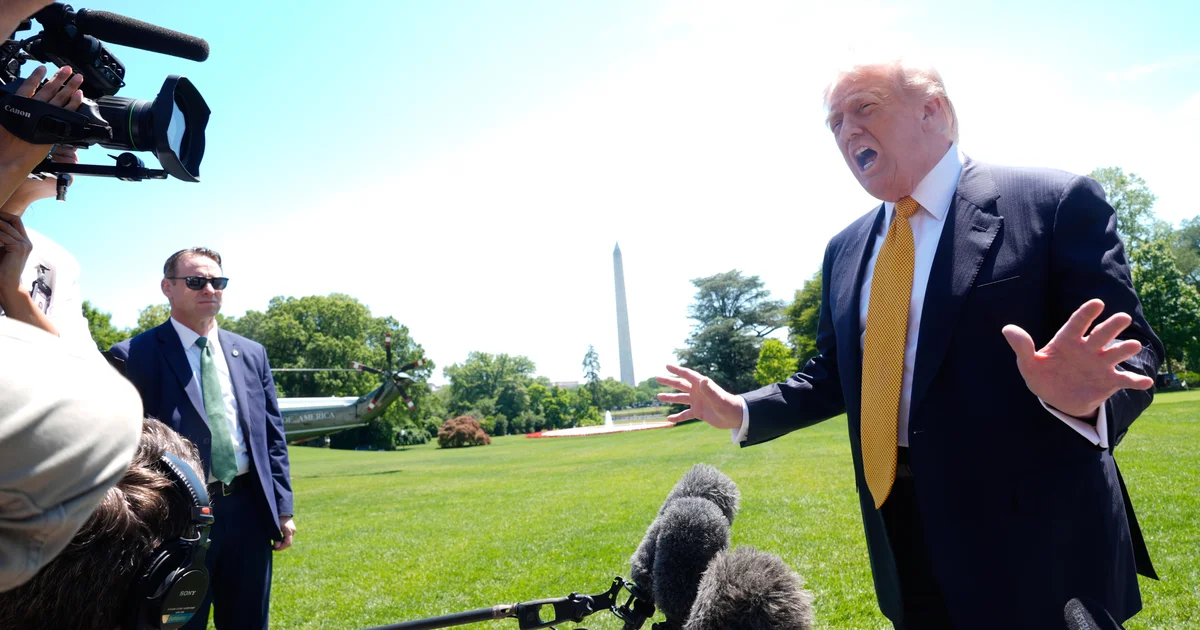
The controversy erupted after a reporter asked Trump how much Americans’ financial struggles were motivating him to pursue a deal with Iran.
Trump’s answer stunned many observers.
“Not even a little bit,” he said.
He then doubled down further, explaining that his only concern was stopping Iran from obtaining nuclear weapons.
“The only thing that matters when I’m talking about Iran: they can’t have a nuclear weapon,” Trump told reporters. “I don’t think about Americans’ financial situation, I don’t think about anybody. I think about one thing: we cannot let Iran have a nuclear weapon. That’s all.”
Within minutes, clips of the exchange spread rapidly online.
Democrats quickly accused Trump of showing disregard for ordinary Americans struggling with inflation and rising costs of living. Several political commentators described the remarks as politically risky, especially at a time when voters are increasingly frustrated about economic pressures.
Others argued the statement reflected Trump’s long standing foreign policy approach, where geopolitical dominance and national security often outweigh domestic economic concerns during international crises.
Regardless of interpretation, the moment immediately became one of the most talked about political exchanges of the week.
Inflation Is Rising Again Across the United States
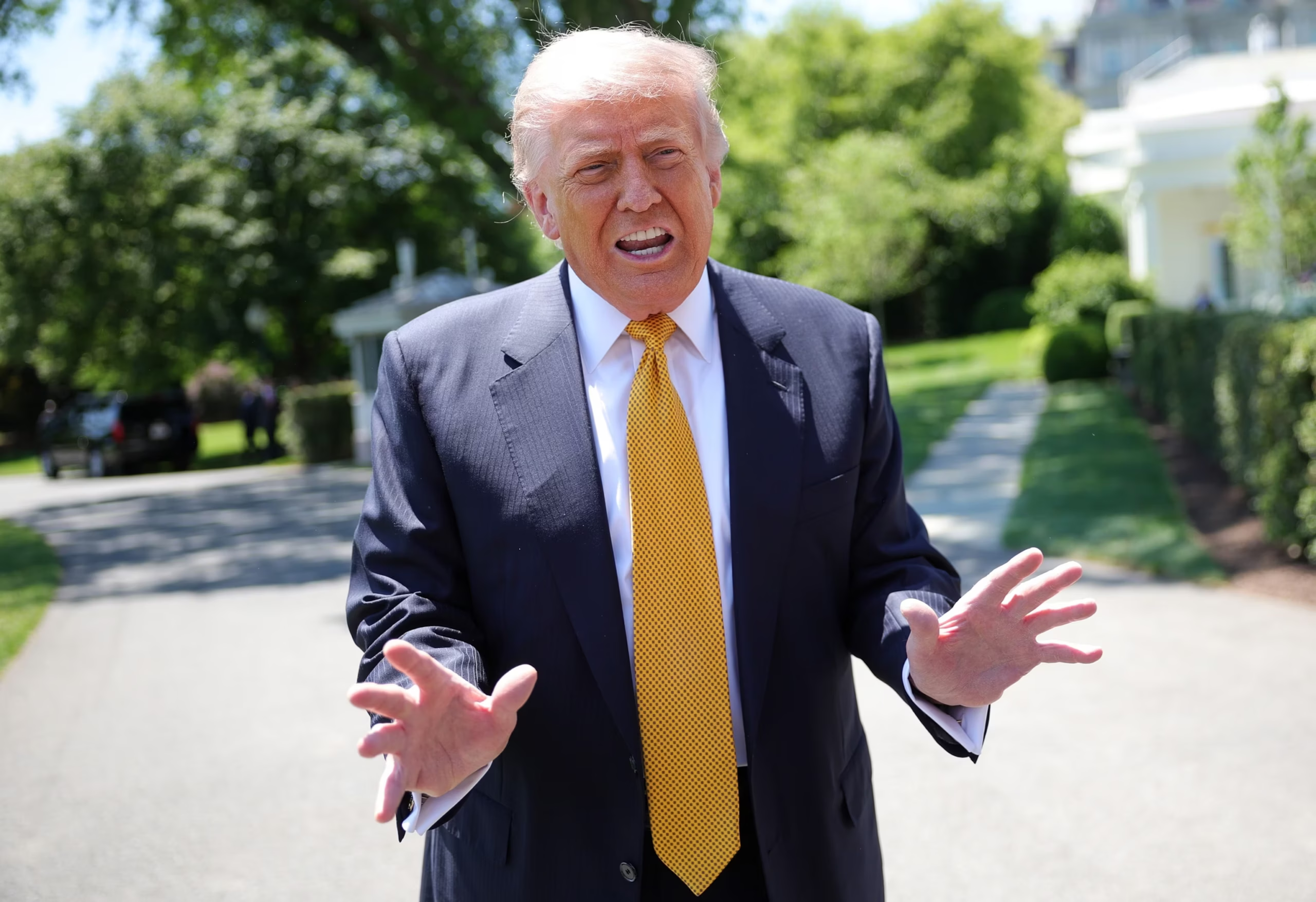
The timing of Trump’s comments amplified the reaction dramatically.
Fresh economic figures released Tuesday showed inflation climbing to 3.8 percent in April, up significantly from 3.3 percent in March. Analysts attributed much of the increase to soaring fuel and energy prices caused by instability in the Middle East and disruptions tied to the Iran conflict.
For many Americans, the effects are already visible in daily life.
Petrol prices across the country have climbed to an average of $US4.50 per gallon, a figure considered extremely high by American standards. Transportation companies are facing higher operational costs, airlines are adjusting ticket prices, and consumers are seeing rising prices in supermarkets as shipping expenses increase.
The inflation surge is not limited to the United States. Countries around the world are also experiencing economic pressure tied to energy market instability.
Australia’s inflation rate reportedly jumped from 3.7 percent to 4.6 percent, with housing and fuel costs becoming major contributors. Economists warn that if tensions in the Middle East continue escalating, inflation could remain elevated globally for months.
That broader context made Trump’s remarks particularly explosive politically.
Many Americans currently see inflation as one of the most immediate threats to their financial stability, especially after years of economic turbulence following the pandemic, global supply chain disruptions, and international conflicts.
Trump Defended His Economic Record
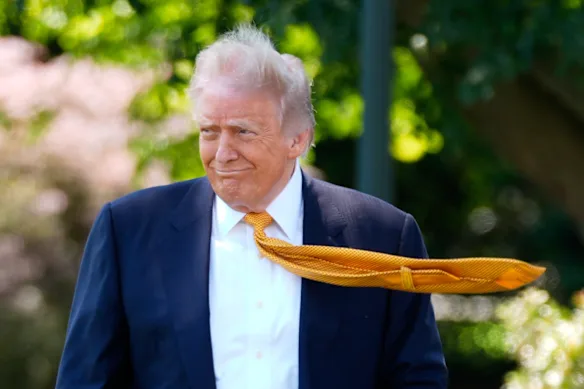
Despite the backlash, Trump dismissed concerns about the recent inflation increase and insisted his economic policies remain successful.
“Inflation is much lower than it was under Biden,” he said during the same exchange with reporters. “Our inflation is short term. My policies are working incredibly.”
Trump and his allies have repeatedly argued that current economic pain is temporary and tied primarily to global instability rather than domestic policy failures. Supporters also point to lower unemployment rates and continued business investment as evidence the broader economy remains resilient.
However, critics argue inflation is affecting voters emotionally and psychologically in ways that statistics alone cannot fully measure.
While unemployment numbers may remain stable, many households continue struggling with rising grocery bills, housing costs, insurance premiums, and fuel prices. Economists frequently note that inflation often shapes public perception more powerfully than broader economic indicators because consumers experience price increases directly every day.
That reality has turned inflation into one of the central political battlegrounds of 2026.
The Iran Conflict Continues Driving Global Tensions
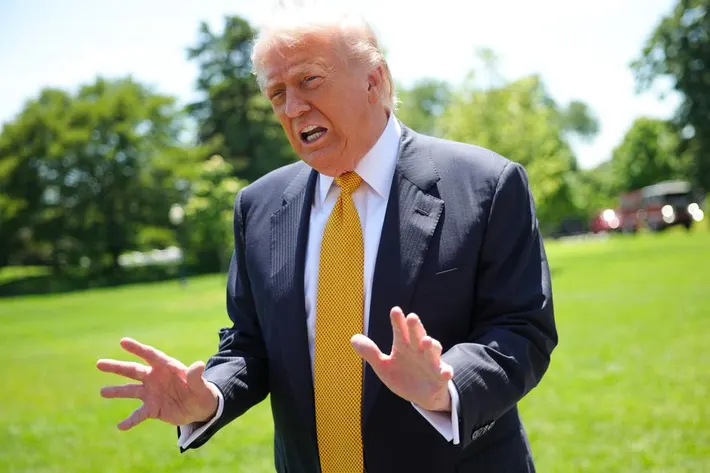
At the heart of the controversy lies the ongoing Iran conflict, which has become one of the defining geopolitical crises of Trump’s second presidency.
Although an active ceasefire remains in place, negotiations toward a long term peace agreement have stalled. Iran formally responded this week to a US proposal aimed at ending the war, but the demands reportedly angered Trump and his administration.
Iran’s counterproposal included demands for the lifting of sanctions, the unfreezing of Iranian assets abroad, and recognition of Iranian sovereignty over the Strait of Hormuz, one of the world’s most strategically important shipping routes.
Trump rejected the proposal harshly.
He reportedly called the counteroffer “a piece of garbage” and claimed it was so unacceptable he did not even finish reading the document.
The collapse in diplomatic momentum has fueled fears that tensions could escalate again, especially if negotiations remain deadlocked.
Meanwhile, the economic consequences of the conflict continue expanding globally.
The Cost of the War Keeps Growing
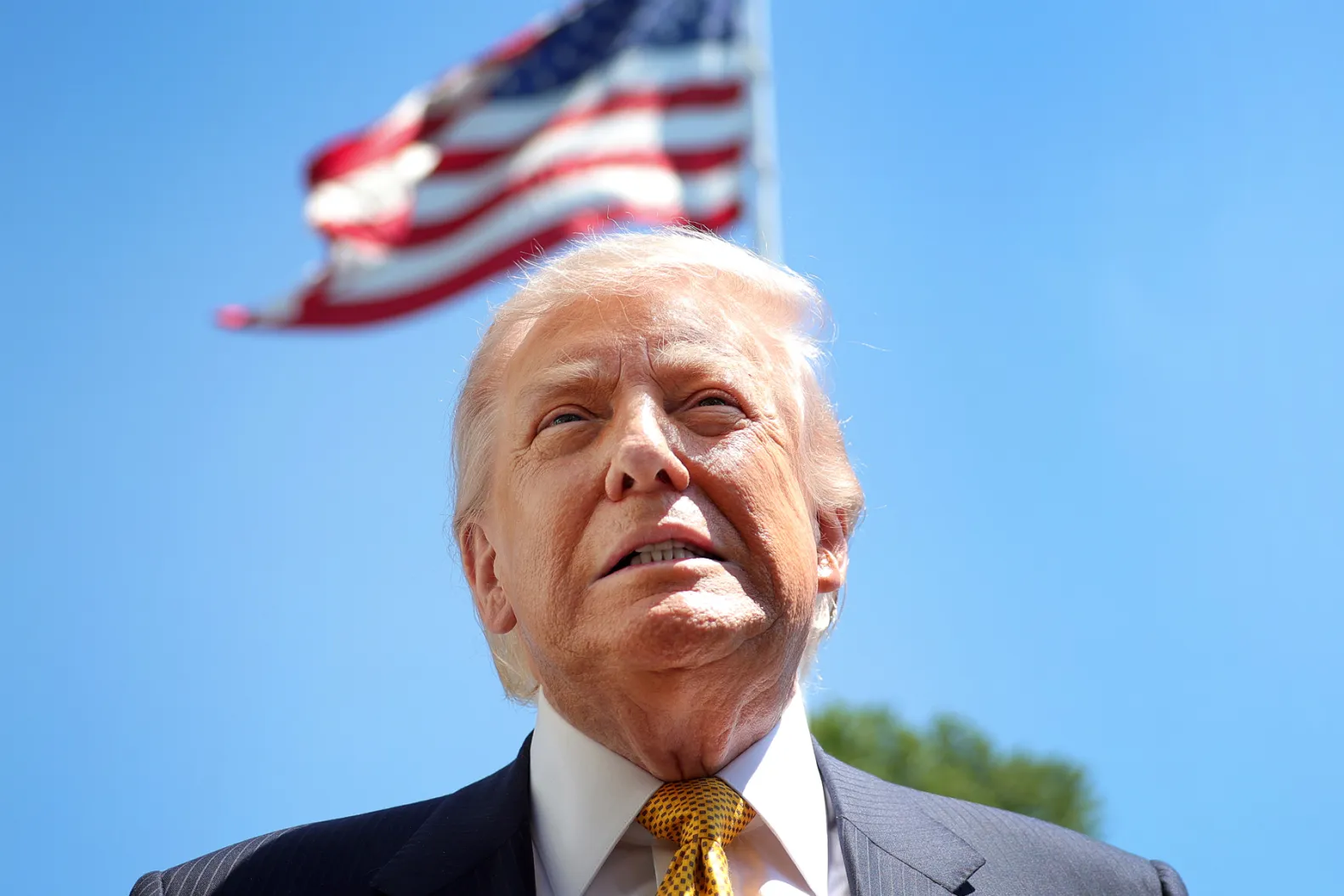
During congressional hearings this week, Pentagon officials revealed the estimated cost of the Iran conflict had risen sharply again.
The total estimated price tag has now reached approximately $US29 billion, up from $US25 billion just weeks earlier.
Acting Pentagon comptroller Jules Hurst explained that the updated figure includes equipment repairs, replacement costs, troop deployments, operational logistics, and expanded military readiness efforts throughout the region.
Even though major combat operations have slowed due to the ceasefire, maintaining military positioning across the Middle East remains extremely expensive.
For critics of the administration, the growing war cost reinforces concerns about long term economic strain.
Some lawmakers have questioned whether the United States can continue sustaining massive overseas military operations while domestic inflation continues affecting ordinary citizens.
Others argue the financial burden is justified if it prevents Iran from obtaining nuclear weapons and destabilizing the region further.
The debate reflects a larger historical pattern in American politics, where national security concerns frequently collide with economic anxieties during prolonged international conflicts.
Trump’s China Trip Carries Major Global Stakes
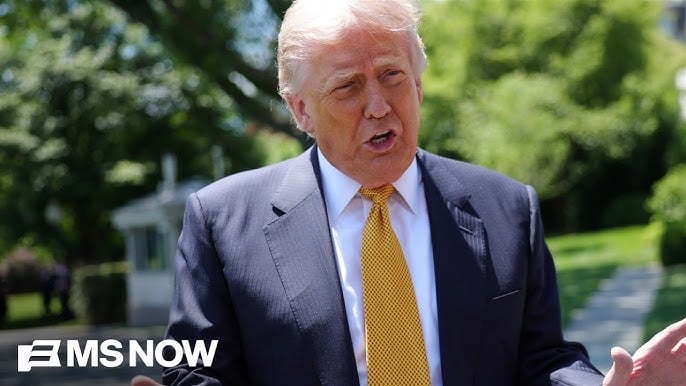
Trump’s remarks came moments before his departure for Beijing, where he is expected to hold critical talks with Chinese President Xi Jinping.
The visit marks the first official state visit to China by a US president since Trump’s first administration in 2017.
Analysts believe Iran will dominate much of the conversation between the two leaders.
China maintains complex economic and diplomatic relationships with Iran and has consistently advocated for stability in the region. Some experts believe Beijing could potentially influence Tehran during negotiations, although tensions between China and the United States continue complicating cooperation.
Trump told reporters he expected to have a “long talk” with Xi regarding Iran and broader regional stability.
The meeting is also politically significant because China reportedly enters the negotiations from a position of relative economic strength. Some foreign policy analysts argue Trump faces growing pressure internationally as inflation and war costs continue climbing at home.
The outcome of the meeting could influence not only Middle East diplomacy, but also global markets and energy prices in the coming months.
Trump’s Confrontation With Reporters Added More Fuel
The political storm intensified further after Trump lashed out at several reporters during the White House exchange.
While answering questions about inflation and government spending, Trump called two female journalists “stupid” and “dumb,” creating another viral moment that quickly spread online.
One confrontation occurred after a reporter questioned rising war costs and inflation concerns.
“We had a choice: let these lunatics have a nuclear weapon,” Trump responded. “If you want to do that, then you’re a stupid person.”
Later, another reporter pressed Trump regarding the growing cost of his proposed White House ballroom project.
The ballroom, initially estimated to cost around $US200 million, has reportedly expanded to nearly $US400 million.
Trump defended the increase aggressively.
“I doubled the size of it because we obviously need that,” he said before directly insulting the reporter again.
The exchange generated intense reactions across political media.
Supporters praised Trump’s confrontational style and willingness to attack hostile journalists. Critics argued the behavior reflected growing hostility toward the press and distracted from legitimate questions about government spending.
Either way, the clashes guaranteed that Trump’s comments would dominate headlines throughout the day.
The White House Ballroom Controversy Continues Growing
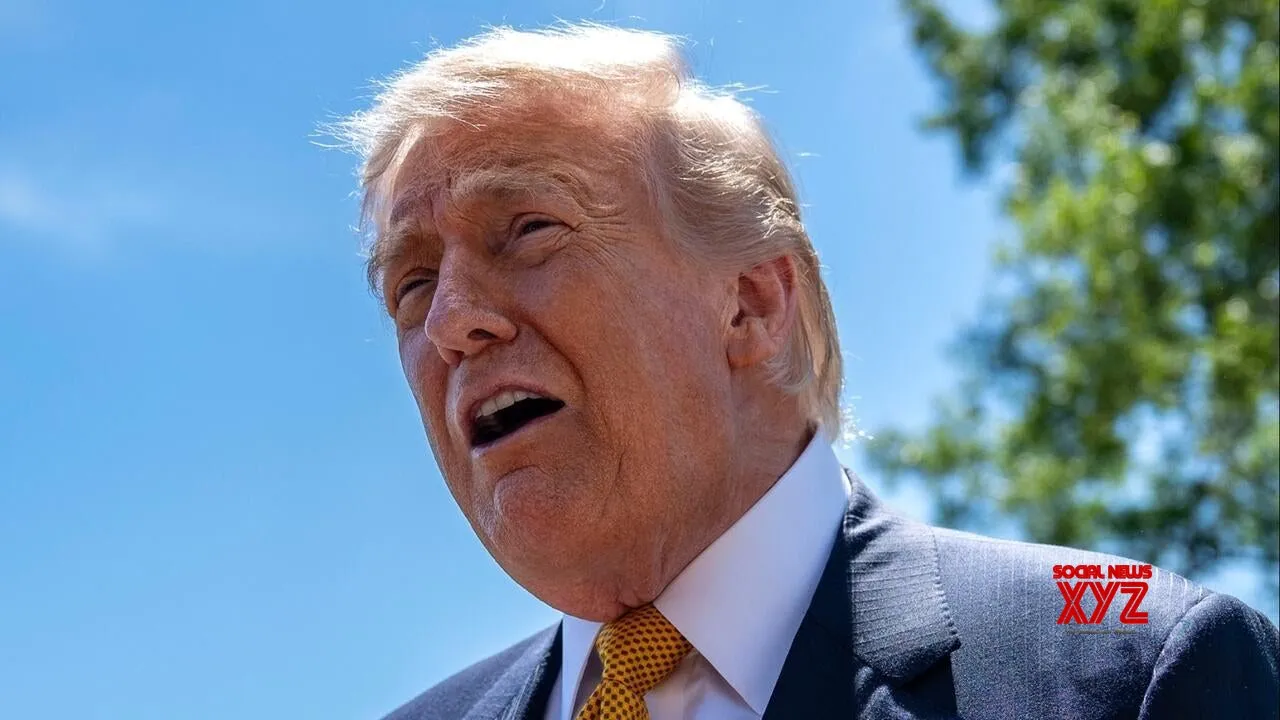
The ballroom project itself has quietly become another major political issue.
Trump has described the ballroom as a historic improvement to the White House that would modernize the space for major state functions and diplomatic events.
However, critics argue the enormous cost is difficult to justify during a period of rising inflation and growing war expenditures.
The president insists private donors will fully fund the project, but opponents remain skeptical about transparency surrounding the financing and long term maintenance costs.
Combined with the escalating Iran war budget and inflation concerns, the ballroom controversy has contributed to a broader narrative among critics that government priorities are becoming disconnected from everyday Americans’ economic struggles.
Hollywood, Politics, and Air Force One
Another unusual detail from Trump’s China trip captured public attention after reporters spotted film director Brett Ratner aboard Air Force One.
Ratner, known for directing the Rush Hour film franchise, is reportedly traveling to China to scout locations for Rush Hour 4.
The appearance drew additional headlines because Ratner previously faced multiple sexual harassment allegations, which he denied.
Ratner recently returned to film production through the Melania Trump biopic project, further linking Hollywood and Trump world connections.
The White House also confirmed several major administration figures joined the China delegation, including Secretary of State Marco Rubio, Defense Secretary Pete Hegseth, and deputy chief of staff Stephen Miller.
Trump’s son Eric Trump and daughter in law Lara Trump were also aboard the flight.
The combination of geopolitical diplomacy, celebrity connections, economic anxiety, and political controversy transformed the trip into one of the most closely watched presidential visits in recent years.
Why Trump’s Comments Could Have Long Term Political Impact
Political analysts say Trump’s remarks about Americans’ financial situation may ultimately become politically significant because they touch on a deeply personal issue for voters.
Inflation affects nearly every aspect of modern life.
Unlike abstract policy debates, rising prices directly shape how families buy groceries, fill their cars with fuel, pay rent, and manage household budgets. Because of that, voters often react strongly to statements that appear dismissive of economic struggles.
At the same time, Trump’s comments may resonate with supporters who prioritize strong national security leadership over short term economic discomfort.
Historically, American presidents often face difficult tradeoffs during international crises. Leaders balancing military strategy against domestic economic consequences rarely satisfy every voter.
Trump’s supporters argue preventing Iran from obtaining nuclear weapons represents a historic security issue that outweighs temporary inflation concerns. Critics counter that presidents must address both national security and citizens’ economic well being simultaneously.
That debate now sits at the center of one of the most politically charged moments of Trump’s presidency.
As the president lands in Beijing for critical negotiations with Xi Jinping, the world is watching not only for signs of progress on Iran, but also for indications of how much economic pain Americans are willing to tolerate in the name of global security.