
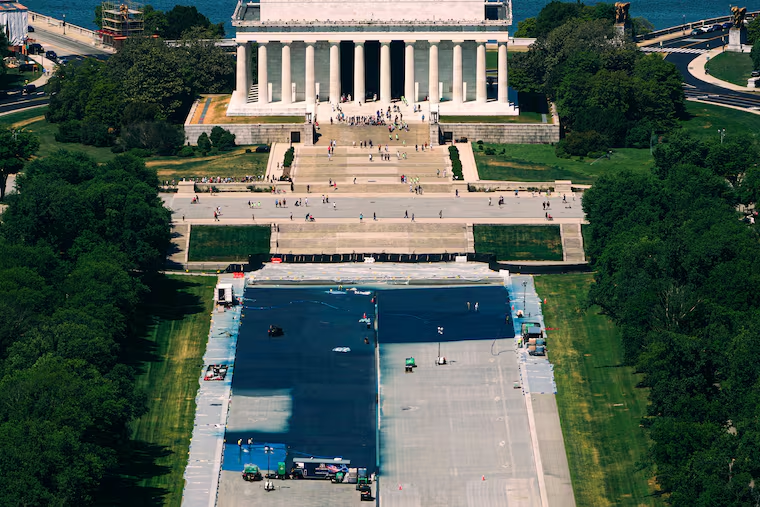
Table of Contents
- How the Reflecting Pool Became a National Controversy
- Trump Personally Recommended the Contractor
- The Cost Explosion That Shocked Washington
- Why the Blue Paint Became So Polarizing
- Historic Preservation Groups Filed a Lawsuit
- America 250 Became the Driving Force
- Why No Bid Contracts Trigger Public Suspicion
- Social Media Reactions Fueled the Story Further
- The Reflecting Pool Has Long Needed Repairs
- What Happens Next
How the Reflecting Pool Became a National Controversy
The Lincoln Memorial Reflecting Pool has long been one of the most recognizable landmarks in the United States. Millions of visitors travel to Washington every year to stand beside the water and view the iconic reflection of the Lincoln Memorial framed against the Washington Monument. It has also served as the backdrop for some of the most important moments in American history, including Martin Luther King Jr.’s “I Have a Dream” speech in 1963.
For decades, the pool has suffered from structural issues including water leaks, algae blooms, and aging concrete joints. Government agencies periodically discussed maintenance plans, but the latest restoration accelerated rapidly after Trump reportedly pushed for the project to be completed before the country’s semiquincentennial celebration on July 4, 2026.
The administration framed the renovation as both patriotic and necessary. Officials argued the pool needed urgent waterproofing and repairs before the historic national celebration. Yet critics quickly noticed something unusual about how the project was awarded and how dramatically its cost expanded in only a matter of weeks.
Trump Personally Recommended the Contractor
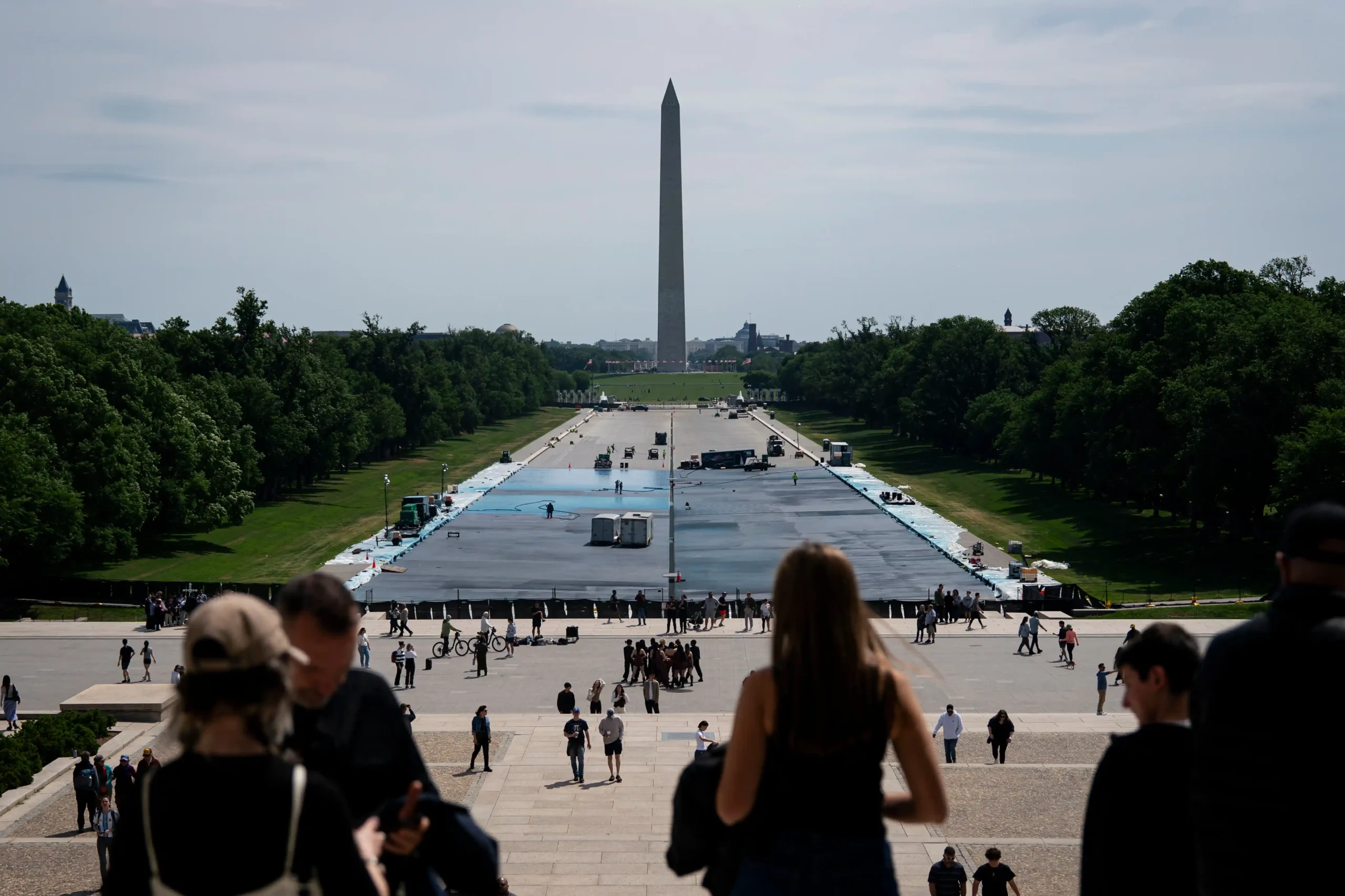
According to reports, President Trump said he selected Virginia based company Atlantic Industrial Coatings because the firm had previously worked on swimming pools at his golf club in Sterling, Virginia. That revelation immediately intensified scrutiny around the project.
Federal contracting laws typically require competitive bidding to ensure taxpayers receive fair pricing and transparency. However, the Interior Department bypassed the traditional bidding process and awarded Atlantic Industrial Coatings a no bid contract. Officials justified the decision by claiming the situation was so urgent that delays could cause “serious injury” to the government.
The government never clearly explained what the supposed injury would be.
Instead, officials repeatedly emphasized Trump’s desire to complete the work before the July 4 America 250 celebration. Critics say that justification may not meet the standard usually required for bypassing open competition in federal projects.
Government watchdogs and legal analysts immediately questioned whether political pressure accelerated the process without sufficient oversight.
The Cost Explosion That Shocked Washington
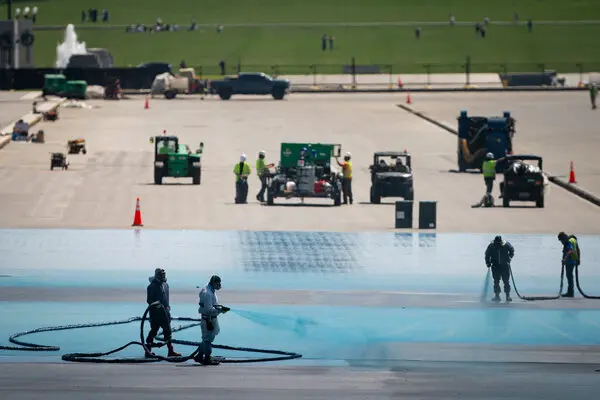
The controversy intensified even further when federal records revealed the project’s price had skyrocketed from the originally promoted $1.8 million figure to more than $13 million.
Late last week, the Interior Department added another $6.2 million to the contract, bringing the total value to approximately $13.1 million. That means the renovation now costs more than seven times Trump’s original public estimate.
The dramatic increase immediately sparked backlash online and across political circles. Critics accused the administration of misleading taxpayers about the project’s true cost from the beginning.
Interior Department spokesperson Katie Martin defended the increase by saying the higher price reflected the need to accelerate construction timelines ahead of America’s 250th anniversary celebration. According to the department, the expanded budget would cover additional workers, equipment, materials, and extended work hours.
Still, many observers remained unconvinced.
Documents obtained by reporters reportedly showed the contract’s final value matched an earlier proposal submitted by Atlantic Industrial Coatings almost exactly, down to the dollar. Those same documents allegedly indicated the company built a 20 percent profit margin into the proposal.
For critics, that detail became one of the most controversial parts of the entire story.
Why the Blue Paint Became So Polarizing
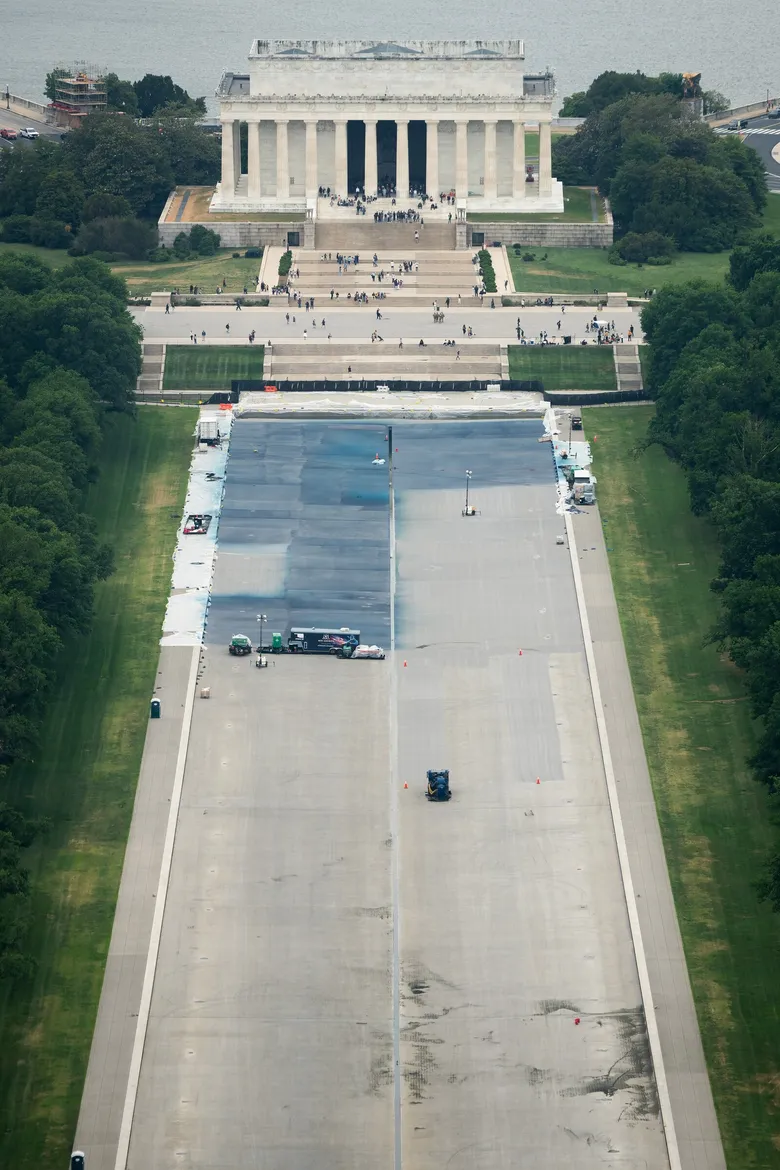
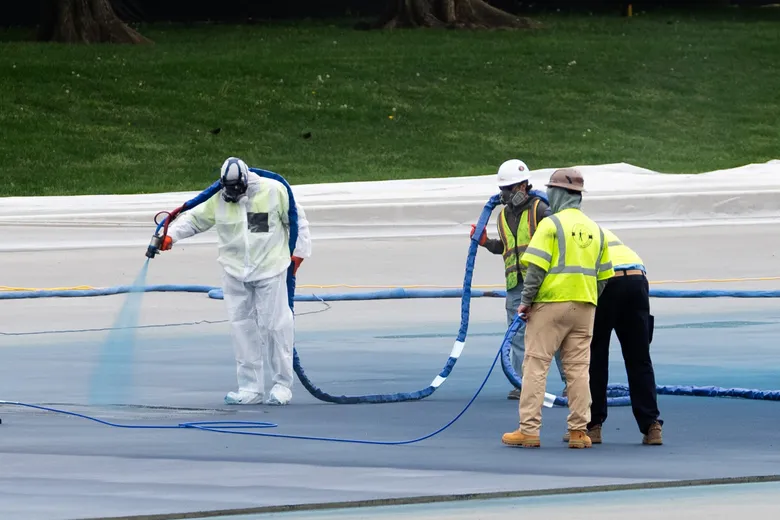
One of the most debated aspects of the project is the decision to coat the Reflecting Pool with a bright blue waterproof surface described as “American flag blue.”
Photographs of workers spreading the blue coating across the historic pool quickly spread across social media, where reactions ranged from confusion to outrage. Some users joked the landmark now resembled a giant swimming pool, while others called the redesign disrespectful to American history.
Supporters argued the coating serves a practical purpose. Officials say the treatment is intended to waterproof the pool more effectively and reduce leaks that have plagued the site for years.
But preservationists argue the visual transformation fundamentally alters the historic appearance of the memorial.
For generations, the Reflecting Pool has been associated with subdued natural tones, granite textures, and reflective water that mirrored the solemn atmosphere surrounding the Lincoln Memorial. Critics say the new bright blue surface dramatically changes that experience.
The visual impact has become symbolic of the larger debate surrounding the project itself: whether modernization and patriotic branding should override historic preservation.
Historic Preservation Groups Filed a Lawsuit
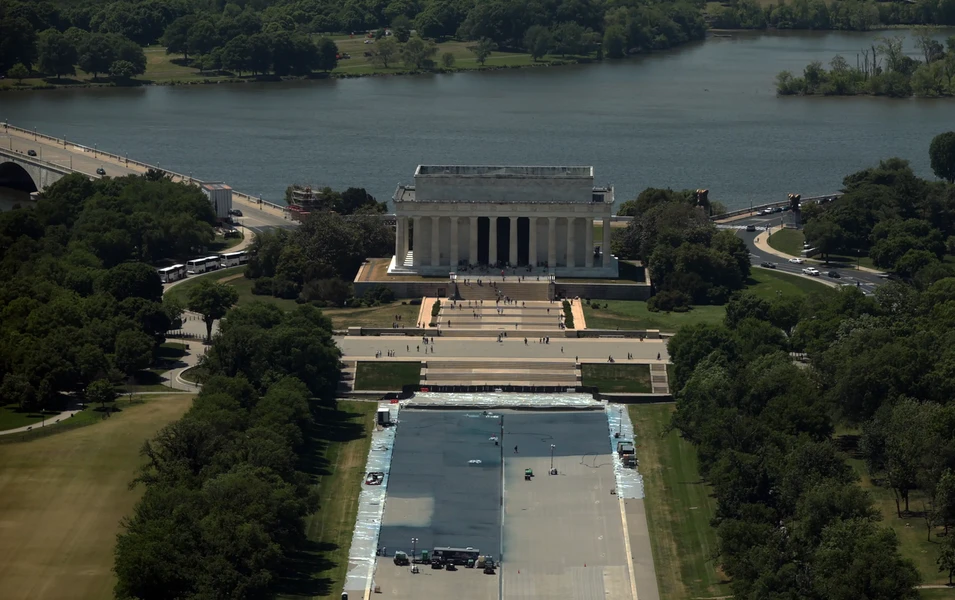
The backlash escalated further when a nonprofit organization dedicated to landscape architecture filed a lawsuit in federal court seeking to stop the project.
The Cultural Landscape Foundation argued the Trump administration violated preservation laws requiring federal agencies to conduct advance reviews before significantly altering historic landmarks.
According to the lawsuit, the resurfacing work threatens the historic character of the Reflecting Pool and could permanently damage the integrity of the site.
The organization stated that every additional day of resurfacing further transforms one of America’s most important memorial landscapes.
Legal experts say the lawsuit could potentially delay or complicate the project, although the administration appears determined to keep construction moving ahead of July’s anniversary celebration.
The case also highlights a growing tension between rapid government projects tied to political deadlines and the slower preservation review processes designed to protect historic spaces.
America 250 Became the Driving Force
At the center of the entire controversy is America 250, the nationwide celebration marking the 250th anniversary of the Declaration of Independence.
The Trump administration has strongly promoted the anniversary as a major patriotic event and appears eager to complete high visibility projects in time for the celebration.
Officials repeatedly cited the anniversary timeline as justification for speeding up the Reflecting Pool restoration.
Supporters argue the administration wants the National Mall looking its best for millions of visitors expected during the celebrations. They say modern repairs and visual improvements are necessary to prepare aging landmarks for future generations.
Critics, however, argue patriotic deadlines should not override transparency or historical preservation standards.
Some also question whether the rushed timeline contributed directly to the soaring project costs.
Rapid government construction projects often become more expensive because contractors must hire additional labor, accelerate shipping, extend work shifts, and complete tasks under intense deadlines. That explanation aligns with the Interior Department’s public defense of the increased contract amount.
Still, skeptics argue taxpayers deserve more detailed explanations before accepting such a dramatic price increase.
Why No Bid Contracts Trigger Public Suspicion
No bid government contracts have historically been controversial because they eliminate competitive pricing processes that help control costs.
Normally, federal agencies invite multiple companies to submit proposals, allowing officials to compare pricing and qualifications before awarding taxpayer funded work.
In emergency situations, agencies can bypass that process. However, the urgency must usually involve national security, public safety, or situations where delays could create immediate harm.
Critics argue the Reflecting Pool renovation may not meet that threshold.
The project’s opponents say urgency tied to political celebrations should not automatically justify bypassing competitive bidding. They also argue the absence of competition may have contributed to the project’s rapidly increasing cost.
Defenders of the administration argue the government had little time to complete the repairs before America 250 and needed an experienced contractor capable of delivering quickly.
But because the contractor also reportedly worked on Trump owned properties, the decision continues to fuel accusations of favoritism and conflicts of interest.
Social Media Reactions Fueled the Story Further
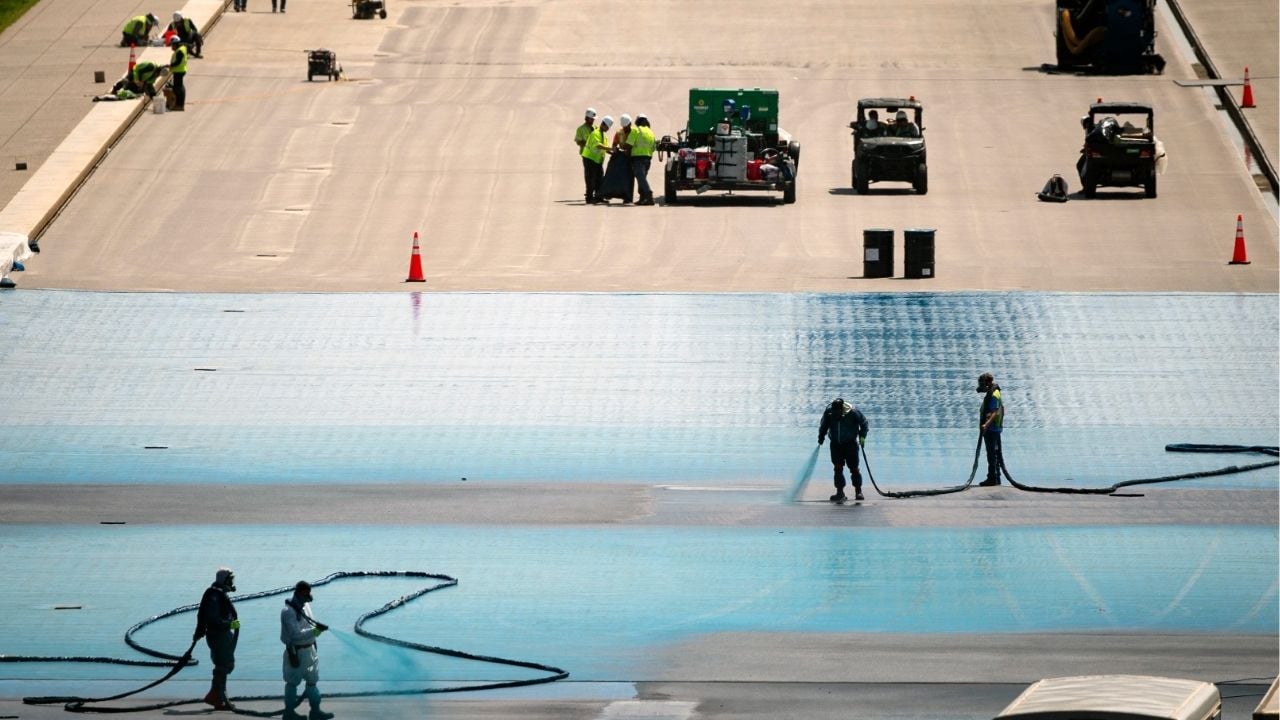
As images of the blue Reflecting Pool spread online, public interest exploded.
Many Americans expressed disbelief over both the color and the cost. Some compared the landmark to a resort swimming pool, while others questioned how a relatively simple waterproofing project could exceed $13 million.
Political commentators from both parties joined the debate.
Some conservatives defended the restoration as necessary maintenance unfairly politicized by opponents. Others criticized the administration for poor cost management despite supporting the anniversary celebration itself.
Meanwhile, historians and architects continued warning that changing the visual appearance of national memorials could create long term consequences extending beyond politics.
The story quickly evolved from a local Washington construction project into a nationwide debate about government spending, historical identity, and executive influence over public landmarks.
The Reflecting Pool Has Long Needed Repairs
Despite the controversy, experts generally agree the Reflecting Pool genuinely required maintenance.
The pool has experienced persistent leaking problems for years. Algae blooms frequently turned the water green during warmer months, and aging infrastructure caused ongoing operational challenges.
Previous restoration efforts also faced criticism over costs and effectiveness.
The current project includes repairing leaking joints between concrete slabs, waterproofing the basin, and applying the controversial blue protective coating.
Supporters argue that without aggressive intervention, the pool’s condition would continue deteriorating. They say Americans often criticize infrastructure neglect while simultaneously objecting when expensive repairs finally occur.
That argument resonates with some observers who believe the backlash is driven more by politics than by the repairs themselves.
However, even some people who support repairing the pool remain uncomfortable with the lack of transparency surrounding the contract process and final cost.
What Happens Next
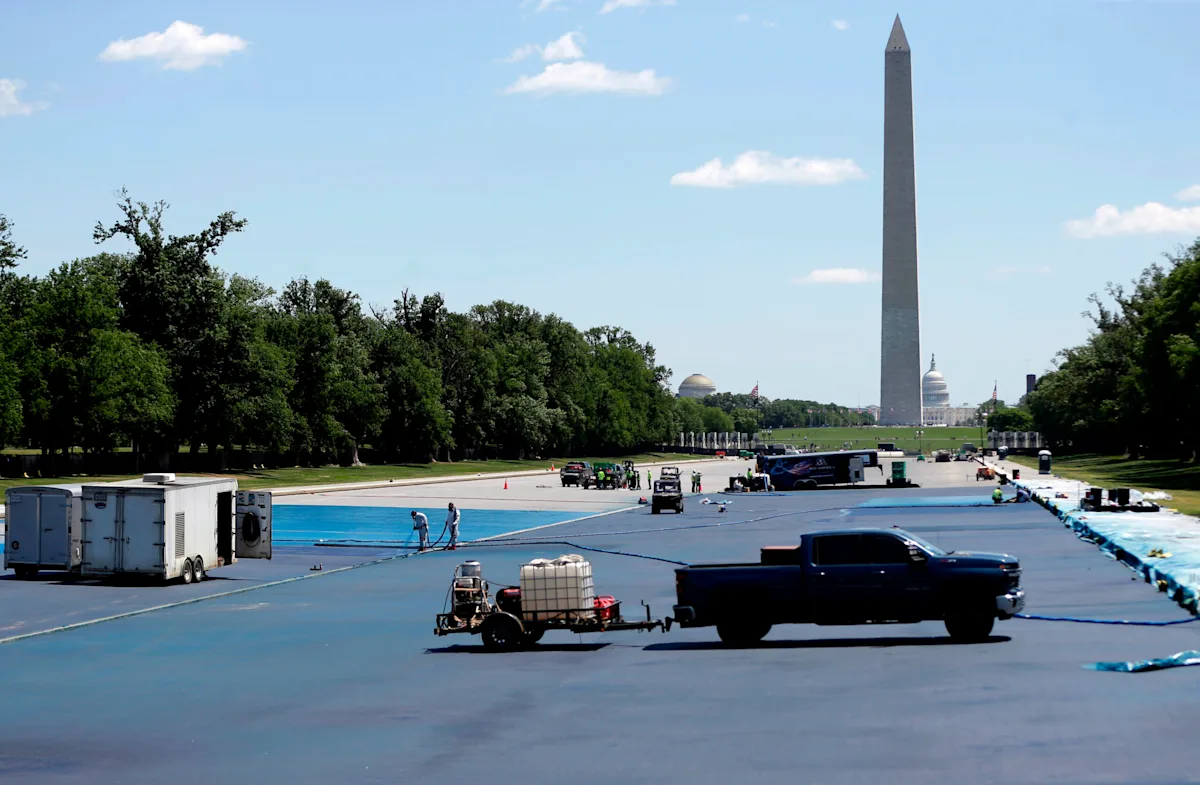
The future of the Reflecting Pool project may now depend partly on the courts.
If preservation groups succeed in slowing or halting construction, the administration could face delays that threaten completion before the July 4 anniversary celebration. That outcome would likely intensify political tensions even further.
Meanwhile, taxpayers and watchdog organizations will continue examining how the project’s budget expanded so dramatically in such a short period.
The controversy also reflects broader national debates about public spending, executive power, and the preservation of historic American spaces.
For some Americans, the blue coated Reflecting Pool represents modernization and patriotic renewal ahead of a historic national milestone. For others, it symbolizes government excess, rushed decision making, and political influence over treasured landmarks.
Either way, the project has already achieved something few federal construction jobs ever do: it turned a leaking pool into one of the most talked about political stories in America.
As workers continue resurfacing the historic site beneath the gaze of the Lincoln Memorial, the nation is now watching closely not only to see how the project looks when finished, but also what its legacy may ultimately become.