
Table of Contents
- A New Transcript Puts Gates Back Under Scrutiny
- Why Gates Was Questioned By Congress
- Gates Says He Never Witnessed Crimes
- The Victims Clarification That Sparked Headlines
- A Relationship Built Around Philanthropy Claims
- Epstein’s Reputation And Gates’ Regret
- The Blackmail Question
- Why The Personal Details Became Relevant
- Lesley Groff’s Testimony Added More Context
- Trump Phone Calls Mentioned In Groff Transcript
- The Bigger Question Of Power And Access
- What Gates Wants The Public To Believe
- Why This Story Still Matters
A New Transcript Puts Gates Back Under Scrutiny
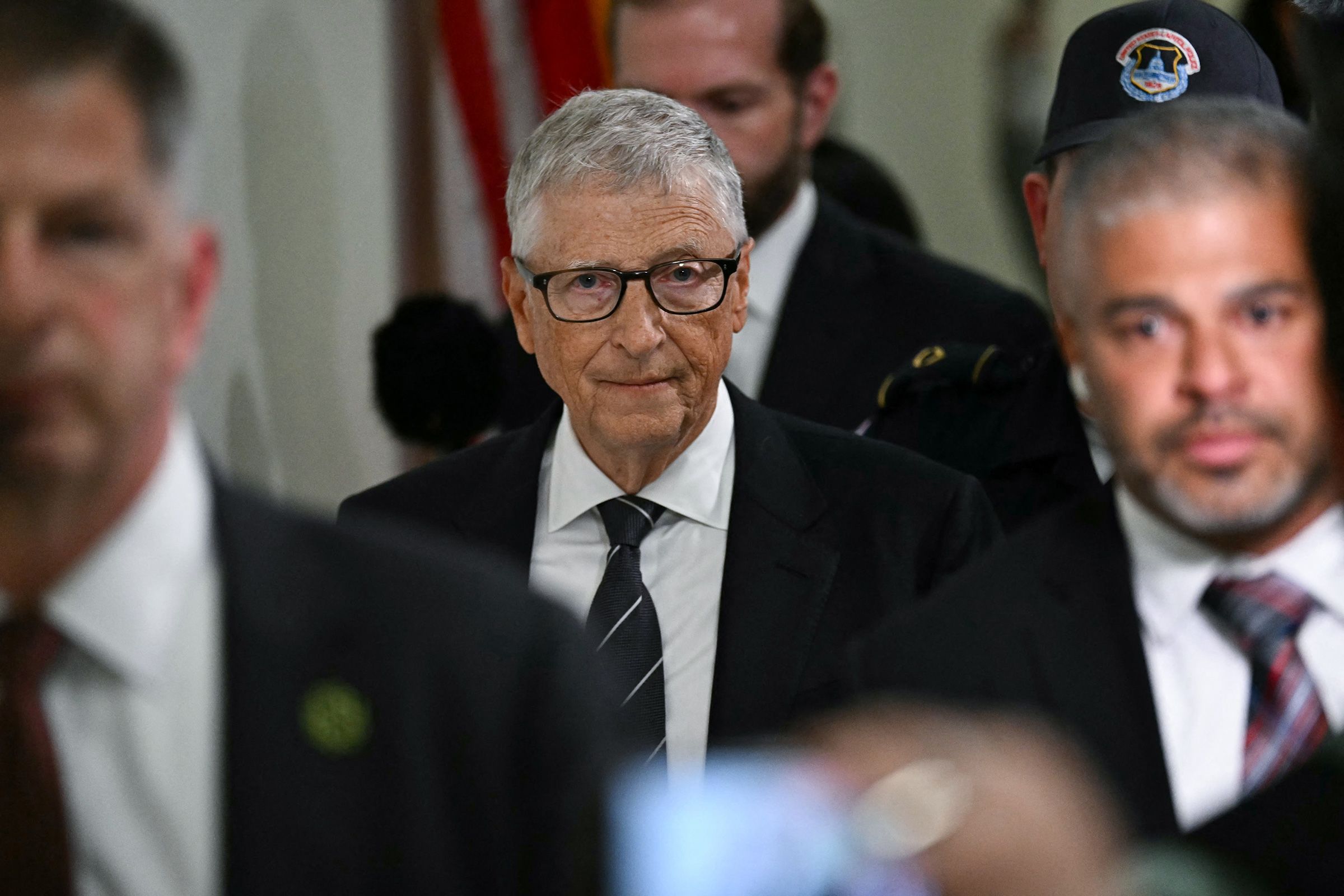
When House investigators released the transcript of Bill Gates’ closed-door testimony about Jeffrey Epstein, the world took notice again. The Microsoft co-founder has spoken before about his regret over meeting Epstein, but the new congressional record placed his answers under a sharper public spotlight.
The most attention-grabbing moment came when Gates said he did not knowingly spend time with Epstein victims, but acknowledged that he may have been in their presence. That distinction became important because lawmakers argued that some women around Epstein, including employees and assistants, were later described as victims of abuse.
For Gates, the testimony was an attempt to explain a relationship he has repeatedly called a serious mistake. For lawmakers, it was part of a broader effort to understand how Epstein used access, money, status, and powerful social circles to protect himself and build legitimacy.
Why Gates Was Questioned By Congress
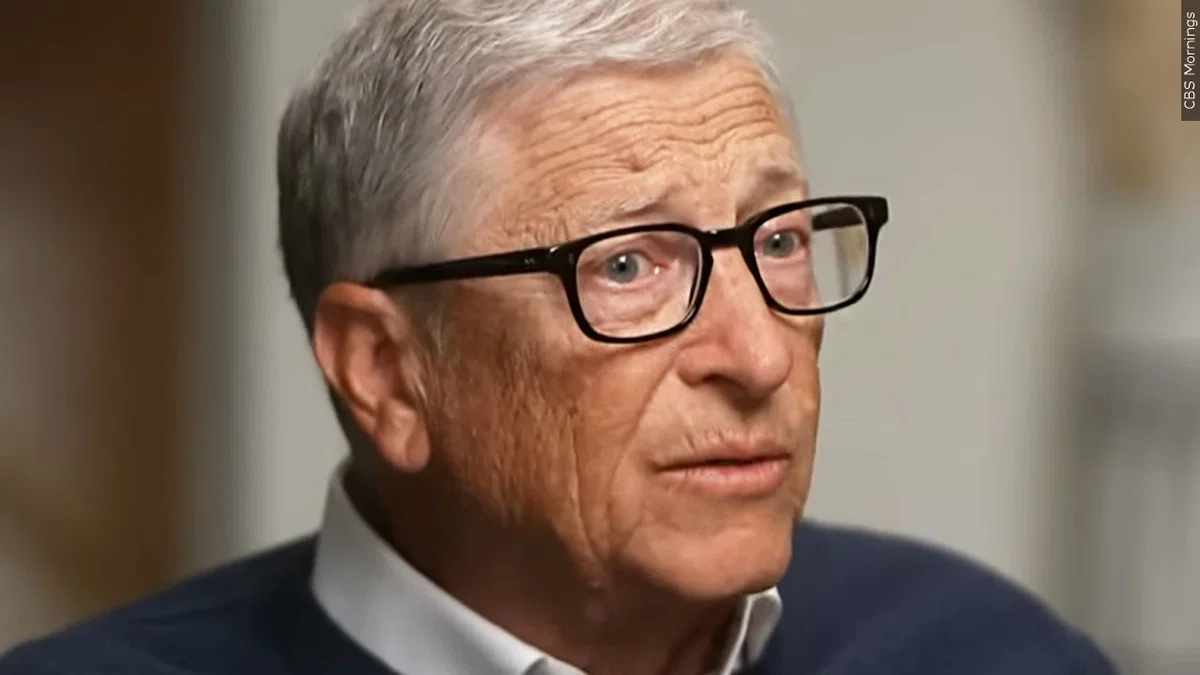
Gates appeared voluntarily before the House Oversight Committee as part of its continuing review of the Jeffrey Epstein and Ghislaine Maxwell investigations. The committee has been examining Epstein’s network, how he gained access to powerful people, and whether institutions failed to act properly.
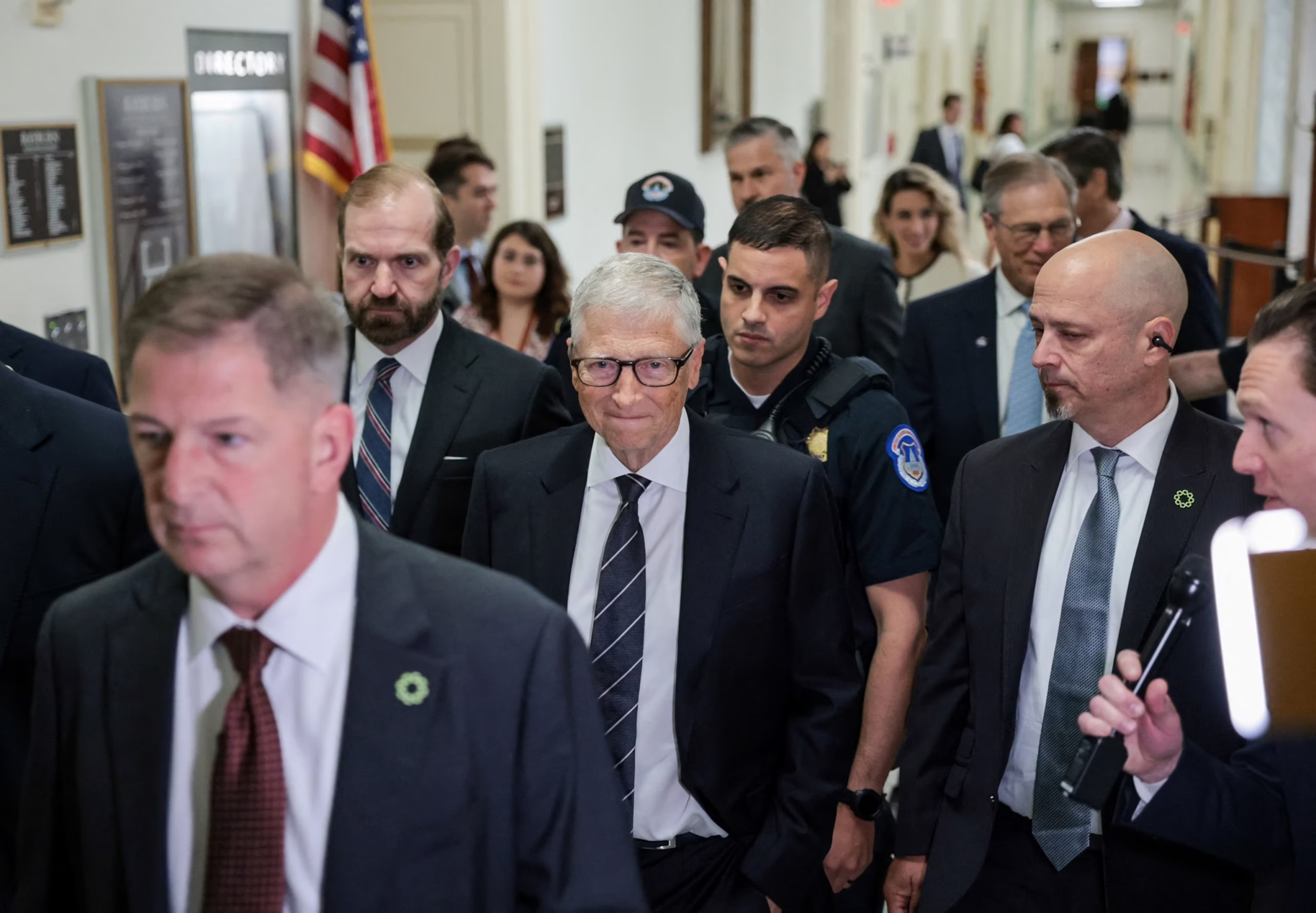
The interview took place behind closed doors on Capitol Hill earlier in June. After the transcript was made public, readers were able to see how lawmakers questioned Gates about his meetings, his reasons for staying in contact with Epstein, and what he knew at the time.
Gates told lawmakers that his relationship with Epstein was professional and tied to philanthropy. He said Epstein claimed he could help raise billions of dollars for global health work. That promise, according to Gates, was the main reason he agreed to meet with him.
But the promised philanthropic effort never materialized. No major charitable vehicle was created from the discussions, and no money was raised through Epstein for Gates’ global health goals.
Gates Says He Never Witnessed Crimes
One of Gates’ clearest statements in the testimony was that he never witnessed Epstein committing crimes and never participated in misconduct. He also said he never went to Epstein’s island, ranch, or Florida home.
That statement matters because Epstein’s properties have become central to public understanding of the case. His homes and private island are frequently discussed in connection with allegations, investigations, and survivor accounts.
Gates’ position is that he met Epstein in limited settings connected to potential philanthropy and professional discussions. He said he was never interested in a personal relationship with Epstein and did not reciprocate attempts to deepen the relationship socially.
Still, the public question is not only what Gates saw. It is why he met Epstein at all, especially after Epstein had already been convicted of a sex-related crime involving minors.
The Victims Clarification That Sparked Headlines
The most viral part of the testimony centered on Gates’ discussion of whether he had been around Epstein victims. Gates initially emphasized that he had not knowingly spent time with victims. Lawmakers then pressed him on the fact that some women who worked around Epstein were later described as having been victimized.
Gates acknowledged that this was an important point. He said he was not aware at the time that any of the women he saw were victims. However, he accepted that if some of Epstein’s female assistants were later identified as victims, then he may have been in their presence.
This answer became the headline because it revealed how difficult the Epstein network can be to untangle. People in Epstein’s orbit may have seen assistants, employees, or women at events without understanding their full circumstances. Lawmakers appeared to argue that this uncertainty is exactly why the investigation remains important.
For the public, the statement was both narrow and powerful. Gates did not say he witnessed abuse. He did not say he knowingly met victims. But he did recognize that his earlier public framing may have missed a disturbing reality about Epstein’s world.
A Relationship Built Around Philanthropy Claims
According to Gates, he was introduced to Epstein in 2011 through people he trusted in his professional and philanthropic circles. Epstein allegedly presented himself as someone who could connect wealthy donors to large-scale global health giving.
At the time, Gates was heavily focused on funding health, education, and global development work. The possibility of unlocking billions for public health was, by his account, the reason he considered the relationship.
This is one of the most troubling aspects of the story. Epstein was not simply trying to meet powerful people for fun. He appeared to understand that philanthropy, elite networking, and reputation could open doors.
Gates later said he should have applied much greater scrutiny before accepting the introduction. In hindsight, he said even the possibility of major charitable funding did not justify associating with Epstein.
Epstein’s Reputation And Gates’ Regret
Gates testified that he was aware Epstein had a prior conviction and understood it was sexual in nature, but said he did not fully understand the extent of Epstein’s crimes at the time. That answer has drawn criticism because Epstein’s reputation was already deeply damaged before Gates’ interactions with him began.
Gates said he now regrets not giving that history more weight. He described the association as a grave error in judgment and said Epstein appeared to be using relationships with prominent people to rebuild his image.
That point goes beyond Gates personally. It speaks to a larger question about elite circles: how did Epstein continue to gain access to influential people after his conviction?
The answer may lie in the power of status, introductions, wealth, and the promise of opportunity. Epstein claimed he could deliver something valuable. That was enough to keep doors open longer than they should have been.
The Blackmail Question
Another major part of the testimony involved Gates’ claim that Epstein tried to use personal information about him as leverage. Gates said Epstein became aware of sensitive details about his private life, including extramarital affairs, and appeared to use that information in an effort to pressure him.
Gates said he was not directly blackmailed in the sense of receiving an explicit demand, but he described Epstein’s behavior as moving in that direction. He referred to emails and draft messages that suggested Epstein was exploring ways to apply pressure.
Gates also pushed back against unverified claims attributed to Epstein’s writings. He argued that Epstein mixed real personal information with false claims in an effort to create leverage.
This part of the testimony matters because it reveals how Epstein may have operated around powerful people. The picture lawmakers explored was not just one of social access, but of potential pressure, reputation management, and private vulnerabilities.
Why The Personal Details Became Relevant
Some readers may wonder why congressional investigators asked Gates about his private life. Gates and his legal team pushed back at times, but lawmakers argued the topic was relevant because Epstein may have used personal information to influence or pressure him.
That is why the questions moved beyond meeting dates and philanthropic plans. Investigators wanted to know whether Epstein held any leverage over Gates and whether that leverage affected the relationship.
Gates said he told a key person at Gates Ventures that no payment would be made in response to Epstein’s later request for reimbursement related to expenses involving a woman connected to one of Gates’ affairs. He framed that moment as evidence that Epstein’s pressure did not work.
The broader issue is familiar in the Epstein investigation. Many powerful people have had to explain not only whether they committed wrongdoing, but why they entered Epstein’s orbit and why some stayed connected after warning signs were clear.
Lesley Groff’s Testimony Added More Context
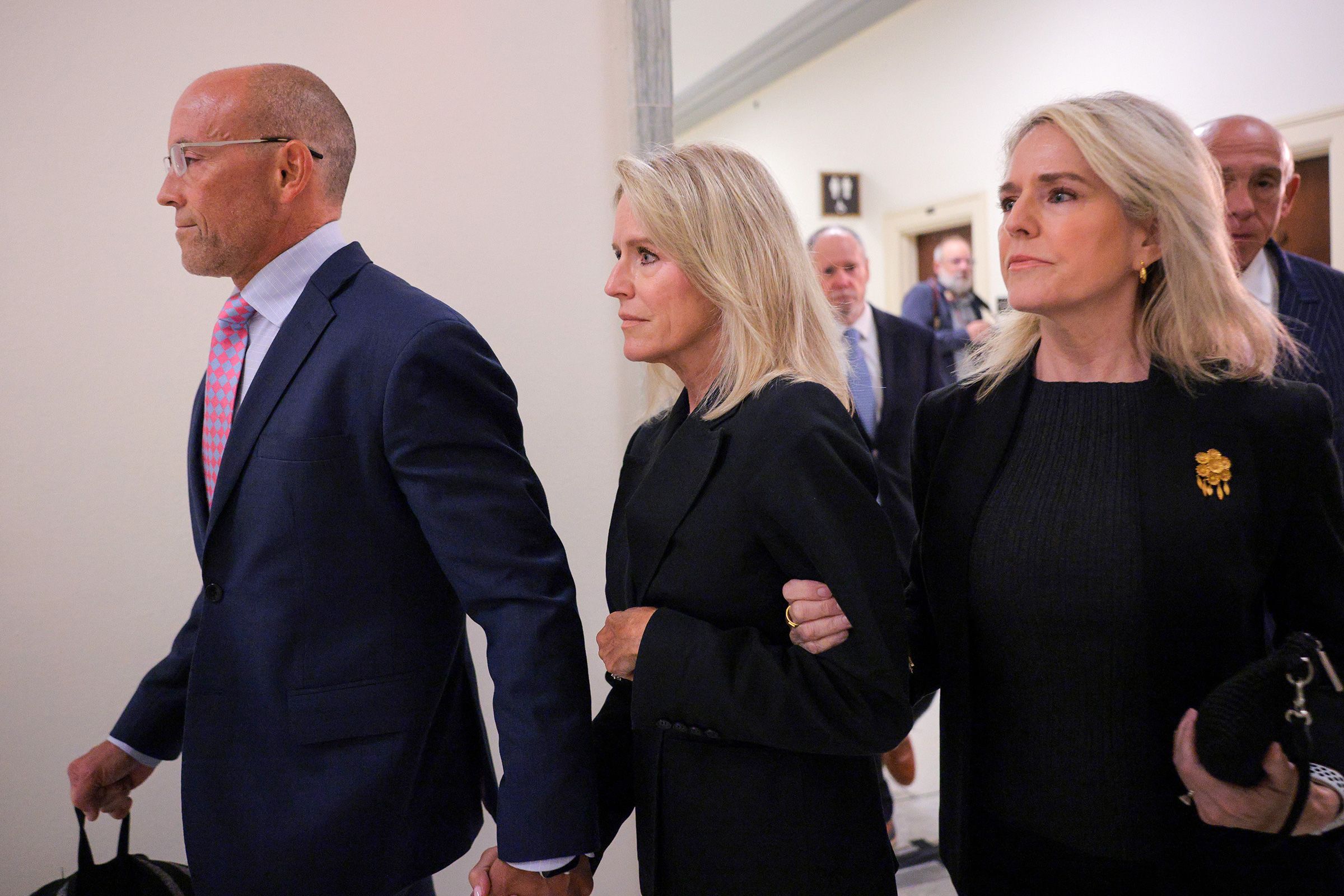
The committee also released testimony from Lesley Groff, Epstein’s longtime assistant. Her role has drawn intense attention because she helped manage many aspects of Epstein’s life, including scheduling and communications.
Groff described Epstein as a manipulator and denied knowing about his crimes. She said she believed the people scheduled for massages were massage therapists and claimed she did not understand those appointments as part of abuse.
Survivors and some lawmakers have reacted with skepticism to that denial. Because Groff worked so closely with Epstein for years, her testimony raised difficult questions about what staff members saw, what they understood, and what they ignored.
Her transcript also placed Gates’ comments in a wider frame. The investigation is not only about famous names. It is about the people who kept Epstein’s world functioning, the systems that allowed him to operate, and the victims who say they were hidden in plain sight.
Trump Phone Calls Mentioned In Groff Transcript
Groff also testified that she connected Epstein and Donald Trump by phone multiple times over a period of years when Trump was a private citizen. She said she did not know the substance of those conversations.
Trump has long denied wrongdoing connected to Epstein and has denied allegations of sexual misconduct. The mention of phone calls does not prove misconduct, but it shows how Epstein’s contact list overlapped with wealthy and politically connected figures.
That overlap is part of why the Epstein files continue to attract public attention. The scandal is not only about Epstein himself. It is about who knew him, who enabled him, who benefited from being near him, and who may have looked away.
The Bigger Question Of Power And Access
The Gates testimony highlights a central theme in the Epstein story: access can become a form of protection. Epstein’s relationships with respected people may have helped him appear more legitimate than he deserved.
Gates admitted that spending time with Epstein may have given him credibility. That admission is important because reputation was one of Epstein’s most valuable tools. When powerful people accepted meetings, attended dinners, or entertained his promises, it helped create the impression that Epstein belonged in elite spaces.
That is why even limited relationships matter. A meeting may look small from the perspective of one public figure, but from Epstein’s perspective, each connection could become part of a larger image-building strategy.
This is the uncomfortable lesson at the center of the transcript. Powerful people do not always need to commit crimes to help harmful people gain legitimacy. Sometimes access itself becomes the currency.
What Gates Wants The Public To Believe
Gates’ message throughout the testimony was clear: he says he made a serious mistake, but denies wrongdoing. He says he met Epstein for philanthropic reasons, never witnessed abuse, never victimized anyone, and eventually cut off contact after the relationship failed to produce charitable results.
He also said he supports releasing the Epstein files and hopes the investigation helps survivors receive justice. His spokesperson said he answered every question during the nearly six-hour interview.
For critics, the regret may not be enough. They may argue that Epstein’s prior conviction should have ended the possibility of any relationship before it began. For others, the testimony may reinforce that Gates was drawn in by a false philanthropic promise and later recognized the damage.
The transcript does not remove every question. Instead, it gives the public a fuller record of how Gates explains his choices.
Why This Story Still Matters
The renewed attention around Bill Gates and Epstein shows that the public is still demanding answers. Years after Epstein’s death, the scandal remains unresolved in the eyes of many because survivors continue to seek accountability and powerful associates continue to face questions.
This case is not only about one billionaire’s regret. It is about how a convicted offender managed to move through elite networks, how his reputation survived so long, and how victims could be so close to power while still unseen.
Gates’ testimony adds one more piece to that larger puzzle. He says he did not witness crimes. He says he did not know he was around victims. But he also acknowledges that he may have been near women who were later recognized as victims of Epstein’s abuse.
That distinction is exactly why the story continues to resonate. The Epstein scandal is not only about what happened behind closed doors. It is also about what happened in plain sight, around people with influence, money, and the power to ask harder questions sooner.
The final impact of the House investigation remains uncertain, but the transcript has already done one thing: it has forced another public reckoning with how Epstein built his world, how long that world stayed protected, and how many people still want the full truth brought into the open.