
Table of Contents
- How ‘Black Rain’ Emerged After Oil Depot Strikes
- What Black Rain Looks Like and How Residents Reacted
- Health Warnings and Immediate Risks
- Long‑Term Environmental and Health Concerns
- Public Advisories and Protective Measures
- Wider Regional and Global Context
- Voices From Tehran: Human Stories of Impact
- The Importance of Monitoring and Early Warning Systems
- A Visible Sign of Hidden Risks
How ‘Black Rain’ Emerged After Oil Depot Strikes
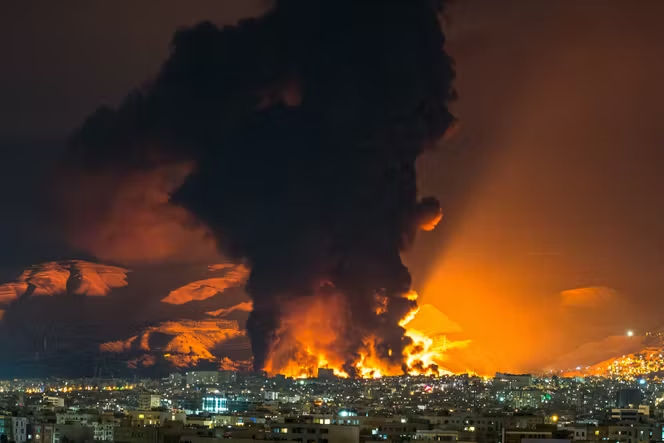
The black rain that fell over Tehran and parts of its surrounding area was directly linked to air strikes on oil storage facilities and fuel depots in and around the city. According to environmental analysts and media coverage from the aftermath of the bombing, the strikes targeted several large oil reserves, including sites in Karaj, Shahran and Aghdasiyeh, as well as a major refinery in southern Tehran. These sites together processed huge quantities of crude oil and fuel, and when hit, produced massive fires that sent soot, smoke and harmful chemical emissions into the atmosphere.
When fossil fuels burn at scale, especially in uncontrolled facility fires, they release a complex mix of toxic compounds including hydrocarbons, nitrogen oxides, sulfur dioxide and particulate matter, all of which can blend with water vapor in the atmosphere. A storm system that moved over the city in the hours and days after the strikes picked up these contaminants and brought them down in the form of blackened rainfall. This type of precipitation — tainted with soot, oil residues and other pollutants — is what people on the ground described as black rain.
This was not typical acid rain from industrial emissions over time; it was the result of an active conflict and sudden, massive release of airborne contaminants — a scenario far outside normal environmental patterns.
What Black Rain Looks Like and How Residents Reacted
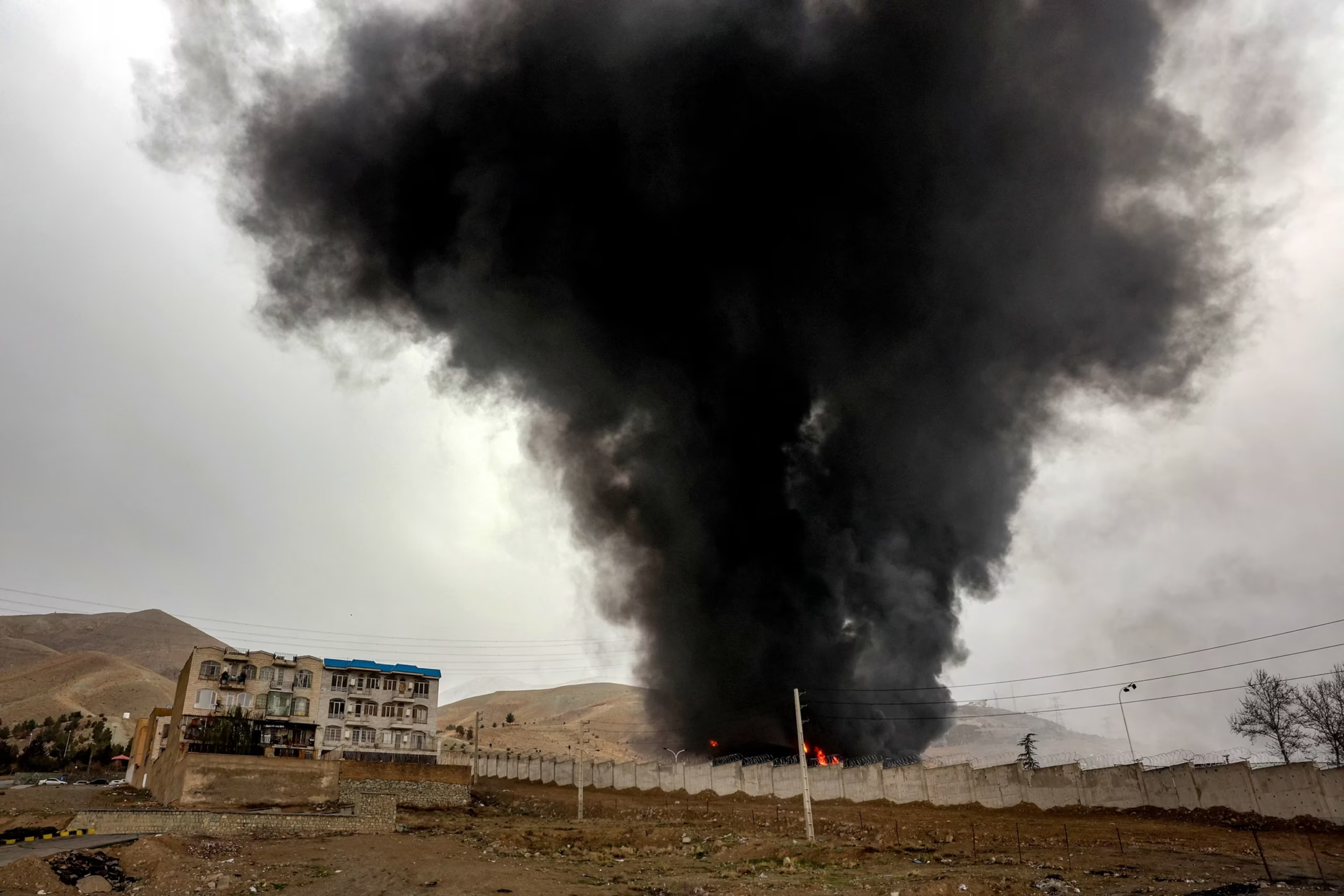
Eyewitness accounts and footage from Tehran show rainwater carrying a dark, oily appearance as it fell from skies still clouded with smoke. Some residents described cars, roads and rooftops coated with a slick film, while others reported a pungent smell of burning fuel in the air. These scenes were compelling enough to be widely shared on social media and reported by international news entities.
For ordinary Tehranis, the experience was surreal and unsettling. Many people awoke to find the world outside reflected in a strange black sheen on surfaces typically white or grey after rain. The unusual rainfall was compounded by dense smoke that had blanketed the city in the hours following the oil depot strikes.
Residents also shared stories of disorientation and concern: weather that once brought relief from dust now seemed to accelerate health risk, and even simple daily routines like walking to shops or waiting for buses became moments weighed down by uncertainty about what was raining from above.
Health Warnings and Immediate Risks
The World Health Organization has publicly warned that black rain and the toxic airborne compounds associated with it pose serious health risks, particularly to respiratory systems. WHO spokesperson Christian Lindmeier stated that Iran’s advisory to advise residents to stay indoors was appropriate, given the hazards.
When these pollutants are present in the air, they can irritate the eyes, throat and lungs, cause headaches, and lead to difficulty breathing — especially for people with pre‑existing respiratory conditions such as asthma or chronic bronchitis. The mix of hydrocarbons and heavy particulate matter can be especially damaging for children, older adults and others with compromised health.
Experts also point out that exposure to sulfur and nitrogen oxides combined with hydrocarbons can contribute to the formation of acidic components in rain, known as acid rain, which in turn can aggravate skin and respiratory irritation, corrode buildings, and alter soil and water chemistry.
Long‑Term Environmental and Health Concerns
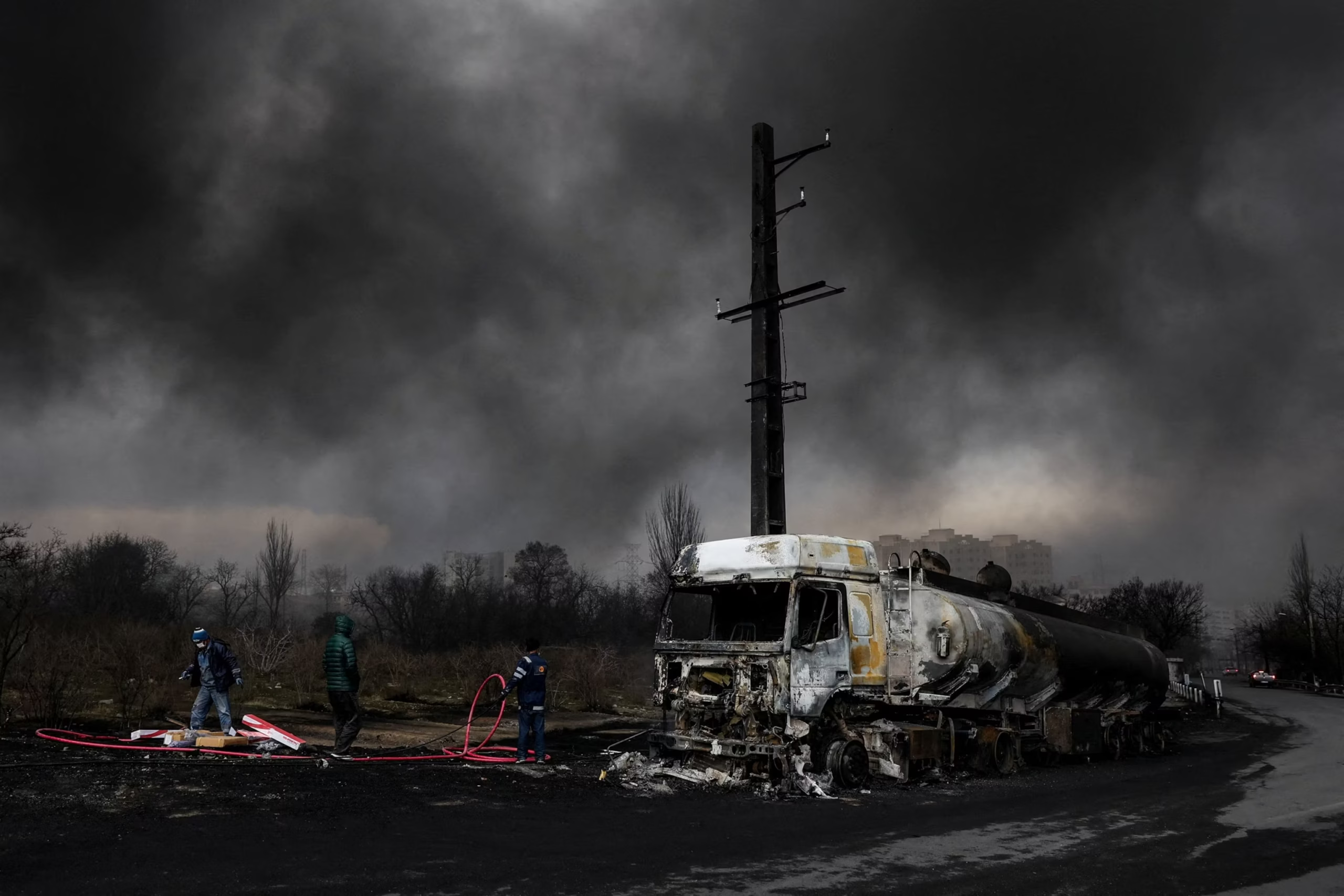
Beyond immediate effects, scientists warn that black rain could have long-lasting environmental implications. Decades of research into pollutants from burning fossil fuels show that many of the chemicals released can linger in ecosystems, accumulate in soil and water systems, and enter food chains over extended periods.
For instance, the mixture of hydrocarbons and soot that settled on surfaces can be washed into groundwater supplies, where some compounds — especially so‑called forever chemicals often found in industrial materials — may persist and continue posing health risks. Heavy metals and other toxins carried by rainwater can accumulate in sediments and affect plant and animal life, raising concerns about long‑term impacts on agriculture and natural habitats.
Environmental monitoring organizations have noted that such events — when linked to war‑related strikes on energy infrastructure — may leave a footprint that extends far beyond the immediate blast zone or the days of rain that follow. In areas already grappling with air quality challenges, additional toxic input from conflict‑related pollution can overwhelm natural recovery processes and compound local health burdens.
Public Advisories and Protective Measures
In the immediate aftermath of the black rain event, Iranian authorities, emergency organizations like the Iranian Red Crescent Society, and health experts recommended that people remain indoors as much as possible, avoid contact with contaminated rainwater, wear masks and cover exposed skin when outside.
Such advice is designed to reduce short‑term exposure to the most harmful components of the polluted air and precipitation. Simple measures such as closing windows, using air purifiers if available, and avoiding strenuous outdoor activity can help mitigate acute health effects in situations where air quality has significantly deteriorated.
However, implementing these protections remains difficult for many Tehran residents who rely on public transit, outdoor work or live in homes with limited sheltering options — realities that highlight how environmental crises often deepen social vulnerabilities.
Wider Regional and Global Context

The black rain phenomenon in Tehran comes amid broader U.S.-Israeli military actions targeting Iranian oil infrastructure, part of an escalating conflict that has involved multiple strikes on critical energy facilities, including depots traditionally used for fuel distribution and potentially linked to military logistics.
Observers note that these environmental consequences are part of a growing list of war‑related hazards affecting civilian populations across the Middle East, from displaced communities and damaged infrastructure to compromised water and air quality.
International organizations like the United Nations have raised concerns about the humanitarian and environmental impacts of conflict‑related strikes, noting that toxic pollution, displacement, disrupted supply chains, and interruptions to essential services compound the suffering of civilians.
The fallout from these events is not contained within national borders; dust and pollutants from large fires, combined with prevailing wind patterns, can travel long distances, potentially affecting air quality in neighboring regions and even beyond.
Voices From Tehran: Human Stories of Impact
Residents of Tehran have shared accounts of what it was like to witness black rain falling from the sky, with some describing scenes that felt “apocalyptic” and eerily reminiscent of environmental disasters seen in other parts of the world.
Some have spoken of a constant burning smell lingering in the air and a heavy, choking smoke that made breathing difficult. Others recounted how streets, parks and open spaces turned slick and dark after the unusual precipitation, forcing many to rethink even simple outdoor tasks.
These personal experiences underscore the human dimension of environmental harm wrought by conflict, where abstract discussions about air quality indices and pollutant levels translate into daily struggles to cope with conditions that affect every aspect of life.
The Importance of Monitoring and Early Warning Systems
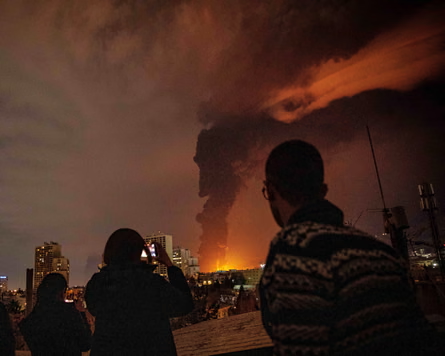
The black rain incident highlights the critical need for robust environmental monitoring systems in urban areas prone to pollution outbreaks, whether from conflict, natural disasters or industrial accidents. Such systems can help authorities issue early warnings, track air and water quality trends, and inform public health advisories when dangerous conditions arise.
In many parts of the world, including Iran, gaps in monitoring infrastructure and data reporting can hamper the ability of officials and researchers to assess real‑time risks accurately, making it harder to protect vulnerable populations. International cooperation and investment in environmental science and public health capacities could help address these gaps and enhance community resilience to future events.
A Visible Sign of Hidden Risks
The fall of black rain over Tehran offers a stark visual reminder that war and environmental health are deeply interconnected. What appears unusual or surreal from a distance — rain falling like oil from a polluted sky — can carry genuine danger for those caught beneath it. As scientists, health officials and everyday residents work to understand and adapt to this event, the broader implications remain clear: human activities, especially in conflict zones, can have unpredictable and wide‑ranging effects on air, water and human health.