

When news broke that a volcano on the West Coast was set to erupt in 2025, it captured the attention of the world. But what sets this eruption apart from others is the fact that it will be livestreamed, allowing anyone with an internet connection to witness the fiery spectacle in real time. This unprecedented decision to broadcast such a monumental natural event is shaking up the world of volcanology, bringing science and spectacle together in ways never seen before. The eruption of this bloated volcano promises to be a scientific breakthrough, but it also raises a host of intriguing questions about the role of technology in natural disaster monitoring.
What follows is an exploration of this extraordinary event, the science behind it, and what we can expect as the volcano awakens.
Table of Contents
- What Makes This Volcano Special?
- Why Is This Volcano Going to Erupt?
- Livestreaming the Eruption: A New Era in Disaster Monitoring
- How Will This Livestream Affect Global Audiences?
- The Science Behind the Volcano’s Behavior
- What to Expect During the Eruption
- The Global Impact of the Eruption
- Conclusion: A New Frontier in Volcanology
What Makes This Volcano Special?
Located along the rugged West Coast, the volcano in question has been showing signs of heightened activity for years. However, it’s only recently that scientists have recognized the magnitude of what’s to come. Unlike typical volcanoes that erupt suddenly, this one has been swelling slowly, a phenomenon known as “volcano inflation.” For months, researchers have been observing the buildup of pressure beneath the surface, which could soon lead to an explosive eruption in 2025.
The term “bloated” refers to the appearance of the volcano, which has been gradually increasing in size as magma pushes upwards, creating visible bulges and cracks in the earth’s surface. This slow, steady inflation has given scientists the opportunity to closely monitor the changes, gathering valuable data on magma movement and gas emissions that could inform future volcanic predictions. As the pressure continues to build, the inevitable eruption promises to be one of the most watched events in scientific history.
Why Is This Volcano Going to Erupt?
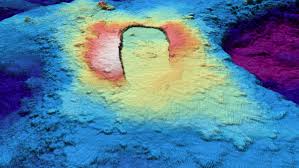
Volcanic eruptions happen when magma from beneath the earth’s surface rises to the surface, releasing gas, ash, and molten rock. The pressure buildup within the volcano’s chamber is the result of a combination of factors, including tectonic plate movement and the accumulation of magma beneath the crust. The West Coast volcano, in particular, is experiencing a rapid buildup due to the gradual swelling caused by the inflating magma chamber.
Scientists have been monitoring several warning signs over the past few months, including increased seismic activity and the release of sulfur gases. The combination of these factors strongly indicates that the volcano is preparing to erupt in 2025. What makes this volcano unique is its slower rate of inflation, giving researchers valuable time to study the processes that precede an eruption — something that has never been done at this scale before.
Livestreaming the Eruption: A New Era in Disaster Monitoring

For the first time in history, a volcanic eruption will be broadcasted live, allowing viewers from all over the world to witness the event unfold in real time. This decision to livestream the eruption comes with both excitement and caution. While it promises to provide an unprecedented view of one of nature’s most destructive forces, it also presents numerous challenges.
For scientists, the livestream represents an opportunity to engage the global community in the study of volcanic eruptions. By allowing people to witness the eruption firsthand, the event will spark interest in volcanology and help raise awareness about the importance of natural disaster monitoring. Additionally, the livestream will serve as an educational tool for people who might otherwise never have access to such a spectacle.
However, there are risks involved in live-streaming such an unpredictable event. The eruption could be unpredictable, and even with the best scientific preparations, there is always the potential for unexpected dangers. The livestream will need to be carefully managed, with real-time updates from scientists who are monitoring the eruption to ensure the safety of those watching.
How Will This Livestream Affect Global Audiences?
The livestream of the volcano’s eruption will be broadcast on various platforms, with major news networks, scientific organizations, and social media channels streaming the event. This is expected to be a landmark moment in both the scientific community and the entertainment world. The eruption could draw millions of viewers, creating a global spectacle that unites people from all walks of life in awe of nature’s power.
One of the most significant effects of the livestream is the accessibility it provides. People from all over the world, including those in countries where natural disasters are not as prevalent, will be able to witness the eruption as it happens. This could lead to greater public interest in volcanology and a better understanding of the dangers posed by natural disasters. It could also pave the way for more livestreams of natural events, from earthquakes to hurricanes, allowing people to witness these phenomena in ways that were once impossible.
The Science Behind the Volcano’s Behavior
Volcano inflation is a process that occurs over time as magma accumulates beneath the earth’s surface. In the case of this West Coast volcano, the gradual swelling is a sign that magma is rising, creating pressure within the volcano’s chamber. As the pressure builds, cracks form in the earth’s surface, allowing gases and magma to escape. This is often a precursor to a full eruption, though the exact timing can be difficult to predict.
Scientists are using advanced monitoring equipment to track the volcano’s behavior, including seismographs, gas detectors, and thermal imaging. These tools help researchers understand how the volcano is evolving and what to expect in the coming months. By studying these patterns, scientists can make more accurate predictions about the timing and intensity of the eruption.
What to Expect During the Eruption

While the exact details of the eruption are still uncertain, scientists predict that it will be a spectacular event. The eruption will likely involve a large release of ash, lava, and volcanic gases. Depending on the magnitude, the eruption could last for several hours or even days, with the potential for a significant impact on the surrounding environment.
As the eruption unfolds, the livestream will capture every moment, from the first signs of magma breaking through the surface to the dramatic explosion of molten rock. For researchers, this will be a once-in-a-lifetime opportunity to study the eruption in real time, offering a glimpse into the inner workings of a volcano during its most active phase.
The Global Impact of the Eruption
Beyond its scientific significance, the eruption will likely have widespread implications for both the local and global communities. Ash clouds could affect air travel, while lava flows and seismic activity may cause damage to nearby infrastructure. However, scientists are already working to develop strategies to minimize the impact of the eruption on human life, using data from the livestream and other monitoring tools to predict the eruption’s path and potential hazards.
This eruption will serve as a reminder of the power of nature and the importance of understanding and preparing for natural disasters. By livestreaming the event, scientists and the public alike will gain valuable insights into how volcanoes behave, how we can better predict eruptions, and how we can respond to these events in the future.
Conclusion: A New Frontier in Volcanology
As the eruption of this bloated West Coast volcano approaches in 2025, it represents a new era in the study and monitoring of natural disasters. The livestream will allow people to witness the power of nature firsthand while providing valuable data for scientists working to understand volcanic behavior. This landmark event will not only advance the field of volcanology but also raise important questions about how we engage with natural disasters and the role of technology in understanding them.