

When news broke that the Sun’s solar storms were beginning to interfere with Elon Musk’s Starlink satellites, it sent shockwaves through the world of space technology. For years, Starlink, Musk’s ambitious satellite network designed to bring global internet coverage, has been heralded as a groundbreaking achievement in modern communication. However, a new threat has emerged from space — one that could jeopardize the future of this vast network.
Solar storms, also known as space weather, have begun to impact the operational capacity of Starlink satellites in orbit. Scientists are sounding the alarm, warning that as the Sun becomes more active, the satellites could face significant damage, which may disrupt internet services across the globe. What follows is an exploration of how solar activity is affecting these satellites, the potential consequences for Starlink, and what the future holds for space-based internet technology.
Table of Contents
- What Are Solar Storms and How Do They Affect Satellites?
- The Impact of Solar Activity on Starlink Satellites
- How Scientists Are Monitoring Solar Activity
- What Does This Mean for Starlink’s Future?
- The Future of Space-Based Internet: Challenges and Opportunities
- Closing: Will SpaceX Overcome This Solar Challenge?
What Are Solar Storms and How Do They Affect Satellites?
Solar storms are bursts of energy and particles emitted by the Sun during periods of high solar activity. These storms consist of charged particles, including electrons and protons, which are propelled through space by the Sun’s magnetic field. When these particles interact with the Earth’s atmosphere, they can cause auroras and disrupt satellite communications.
Starlink satellites, which are positioned in low Earth orbit (LEO), are particularly vulnerable to the effects of solar storms. These satellites rely on delicate electronics and communications systems that can be easily affected by the charged particles from solar flares. When these particles bombard the satellites, they can cause them to malfunction or even render them inoperable.
As solar activity increases, the risk to Starlink’s fleet of satellites grows. Scientists have been tracking the Sun’s behavior closely and have found that the frequency of solar flares is on the rise, which has led to growing concerns about the resilience of satellite networks.
The Impact of Solar Activity on Starlink Satellites
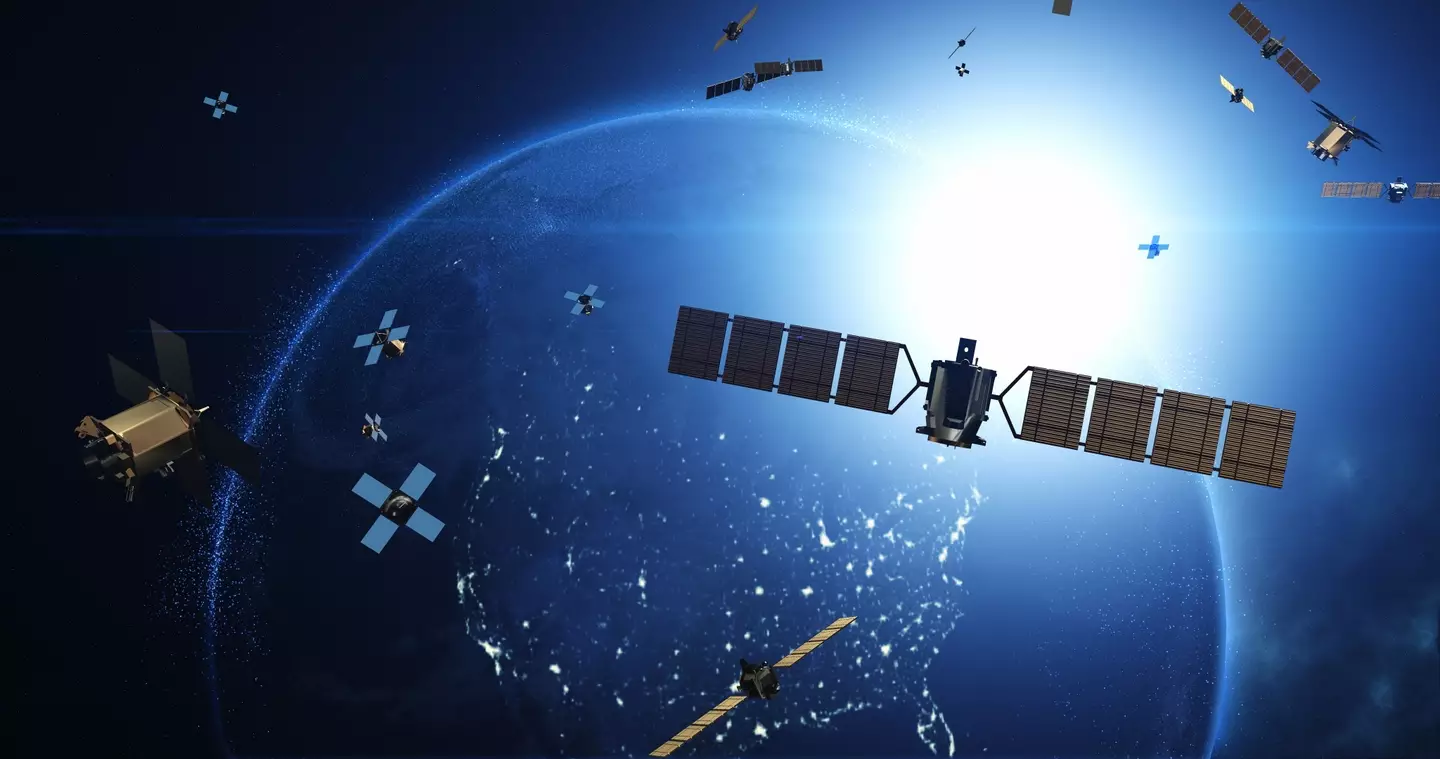
Starlink’s constellation of satellites was designed to provide internet coverage to remote areas around the world, but now the system is facing an unforeseen challenge from the Sun. The increased solar activity has led to a significant increase in the number of satellites that have been affected by space weather.
One of the most significant effects of solar storms is the disruption of the satellites’ ability to maintain communication with Earth. During a solar flare, the charged particles from the Sun can overload the satellite’s systems, causing them to lose signal or shut down entirely. This can result in widespread service outages for users on the ground.
Additionally, solar storms can affect the satellites’ orbits. The increase in the number of particles in the atmosphere causes atmospheric drag, which can alter the trajectory of satellites in low Earth orbit. This drag could cause Starlink satellites to experience a loss in altitude, leading them to burn up upon re-entry into the Earth’s atmosphere.
While Starlink has been able to mitigate some of these risks by building its satellites with shielding and protective features, solar storms can still pose a significant threat. As the Sun’s activity increases, it’s expected that more satellites will be impacted, potentially reducing the network’s effectiveness and reach.
How Scientists Are Monitoring Solar Activity
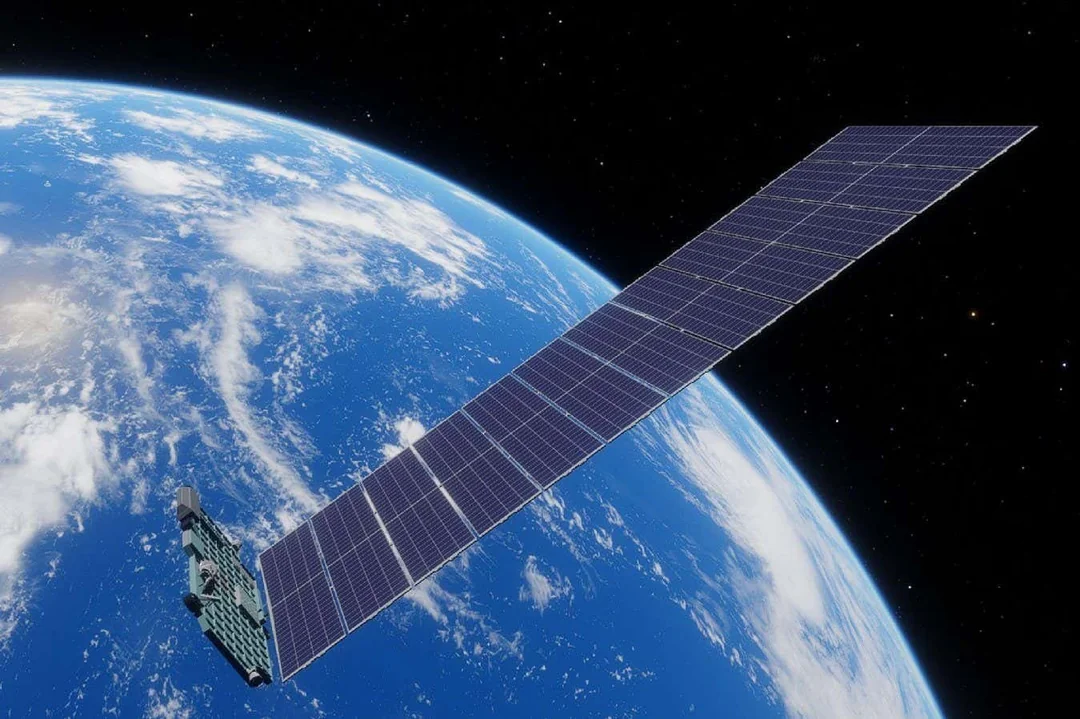
To understand and predict the potential impact of solar storms, scientists rely on space weather forecasting. Space weather scientists use a variety of tools and methods to monitor the Sun’s activity, including solar telescopes and satellite-based instruments. These tools help scientists track solar flares, coronal mass ejections (CMEs), and other solar events that could potentially harm satellites.
For example, NASA’s Solar Dynamics Observatory (SDO) is constantly monitoring the Sun’s activity, providing real-time data on solar flares and other solar phenomena. Additionally, the National Oceanic and Atmospheric Administration (NOAA) has developed space weather forecasting systems to predict solar storms and assess their potential impact on Earth-based systems, including satellites.
By monitoring the Sun’s activity and tracking its emissions, scientists can better predict when solar storms will hit Earth and how they will affect satellite networks like Starlink. This allows space agencies and private companies like SpaceX to take precautions and prepare for the potential disruptions caused by solar activity.
What Does This Mean for Starlink’s Future?
The increased risk from solar storms presents a significant challenge for the long-term viability of Starlink. As the Sun’s activity continues to fluctuate through its 11-year solar cycle, the frequency of solar storms will also rise. This could lead to more frequent and severe disruptions to Starlink’s network, which is designed to provide continuous and reliable service to millions of users around the world.
Elon Musk’s SpaceX has worked tirelessly to deploy a massive fleet of satellites, but the issue of space weather introduces an element of unpredictability. The company is now facing the dilemma of how to protect its satellites from solar storms while maintaining an efficient and scalable network. The damage caused by solar activity could force SpaceX to spend significant resources on satellite repairs and replacements, impacting both the company’s bottom line and its ability to provide uninterrupted service.
In the worst-case scenario, severe solar storms could cause Starlink satellites to fail prematurely, leading to a massive loss of satellite infrastructure. This would not only disrupt internet services but also have financial implications for SpaceX, which has invested billions in developing and deploying its satellite network.
The Future of Space-Based Internet: Challenges and Opportunities
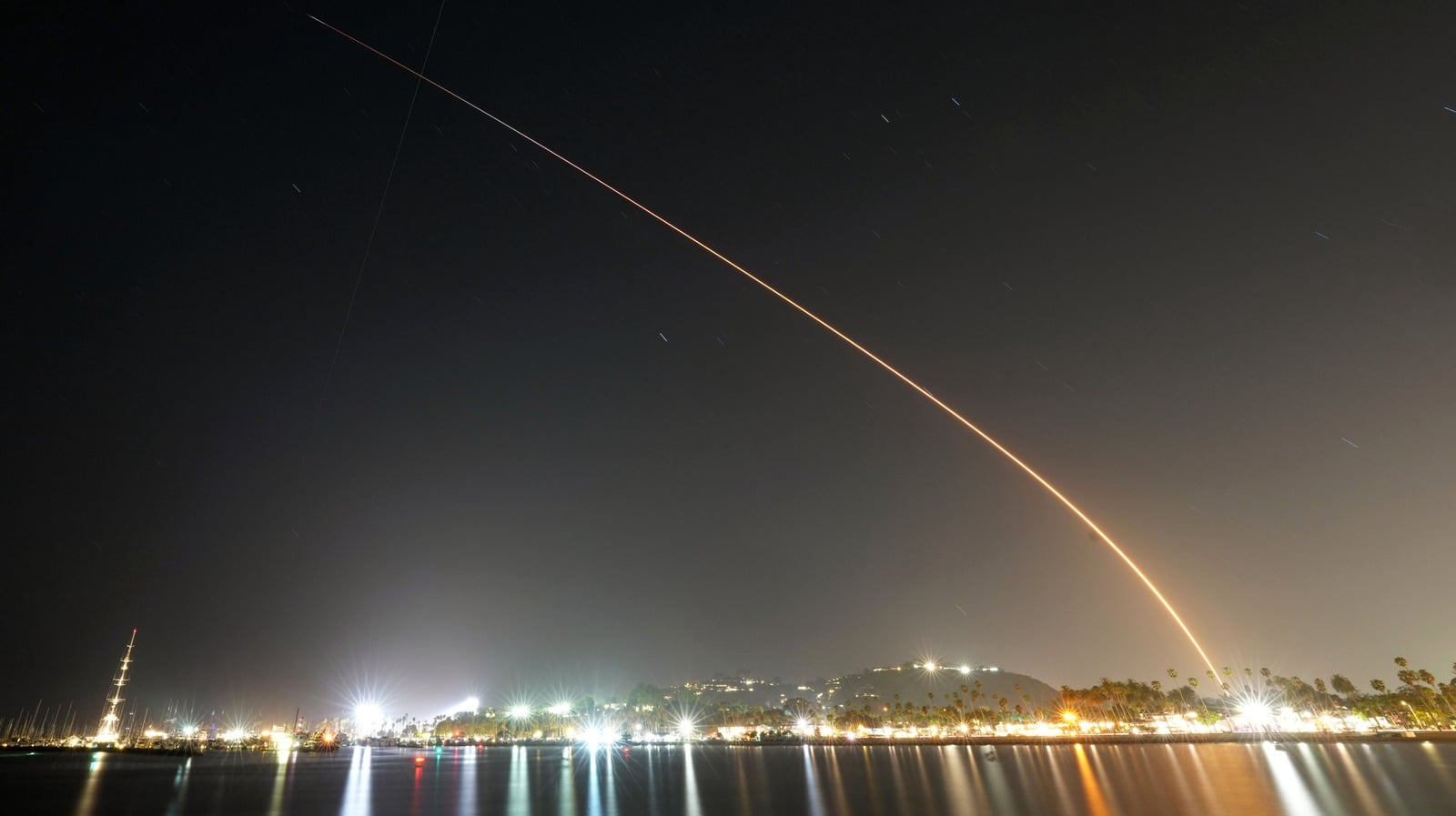
The growing threat of solar storms to Starlink highlights the broader challenges facing space-based internet systems. While satellite technology has revolutionized communication and access to the internet, it is still vulnerable to natural forces like solar weather. To ensure the long-term success of satellite networks like Starlink, scientists and engineers will need to develop new technologies and strategies for protecting satellites from the effects of space weather.
One potential solution is the development of more robust satellite shielding and better power management systems to mitigate the effects of solar radiation. Additionally, improvements in satellite propulsion systems could help prevent satellites from being affected by atmospheric drag, extending their operational lifespans.
Despite these challenges, space-based internet remains an exciting frontier in global connectivity. As technology advances and new solutions are developed, the industry will continue to grow, but solar weather remains a factor that must be taken into account.
Closing: Will SpaceX Overcome This Solar Challenge?
As scientists continue to monitor the Sun’s activity and its impact on satellite networks, the question remains: Can Starlink and other satellite-based internet systems survive the solar storm threat? With solar flares expected to increase in intensity in the coming years, SpaceX will need to adapt to the changing environment. However, by investing in new technologies and improving satellite resilience, there is hope that Starlink will continue to thrive despite the challenges posed by solar activity.
In the broader context, the growing risks associated with space weather emphasize the importance of developing more resilient space technology. The future of satellite communication will depend on our ability to protect these systems from the unpredictable forces of nature — a challenge that will require global collaboration and innovation.