

Table of Contents
- A New Record: Bluefin Tuna Breaks Auction History in Tokyo
- The Rising Demand for Bluefin Tuna: Why It’s Worth Millions
- Sustainability Concerns: The Growing Debate Around Bluefin Tuna
- Japan’s Cultural Connection to Bluefin Tuna and Its Role in the Economy
- A Growing Global Market for Bluefin Tuna
- Looking Forward: The Future of Bluefin Tuna and the Seafood Market
- Conclusion: The Record That Will Shape the Future of Tuna Fishing
A New Record: Bluefin Tuna Breaks Auction History in Tokyo
On January 5, 2026, a 600-pound bluefin tuna was sold for an astounding 3.2 million dollars at a Tokyo auction, setting a new world record for the price of a single fish. The auction, held at the world-renowned Tsukiji Fish Market, saw bidders vying for the prized fish, which was caught off the coast of Japan. This record price, more than double the previous high of $1.8 million, reflects the increasing demand for high-quality bluefin tuna, especially in upscale sushi restaurants around the world.
The buyer of the tuna, a wealthy restaurant owner in Tokyo, stated that the fish would be used to prepare exclusive sushi for his high-end clientele. Bluefin tuna, prized for its rich flavor and texture, is considered the king of sushi fish. The auction’s significance extends beyond the sale itself, as it underscores Japan’s cultural reverence for the bluefin tuna, a fish that has been deeply ingrained in Japanese culinary practices for centuries.
This record sale is also an important moment for the global seafood market. As prices for rare and sought-after fish continue to rise, it raises important questions about the sustainability of bluefin tuna populations and the long-term viability of the fishing industry.
The Rising Demand for Bluefin Tuna: Why It’s Worth Millions
Bluefin tuna, particularly the Pacific variety, is known for its firm, rich flesh and is often considered a delicacy in Japan and abroad. Sushi chefs highly value bluefin tuna for its marbling of fat, which contributes to its melt-in-your-mouth texture. It has become a symbol of luxury dining, with high-profile auctions in Japan regularly making headlines when these rare fish are sold for astronomical sums.
The increasing demand for bluefin tuna has led to a surge in prices, as well as concerns about overfishing. In particular, the Atlantic and Pacific bluefin tuna populations have been severely depleted due to overfishing and illegal fishing practices. Despite efforts to regulate bluefin tuna fishing through quotas and fishing restrictions, the demand for the fish remains high, leading to a complex balance between tradition, industry, and sustainability.
The record-breaking auction price serves as a reflection of the continued global appetite for premium-quality seafood, as well as the growing challenges faced by both buyers and sellers in ensuring the fishery’s long-term health.
Sustainability Concerns: The Growing Debate Around Bluefin Tuna
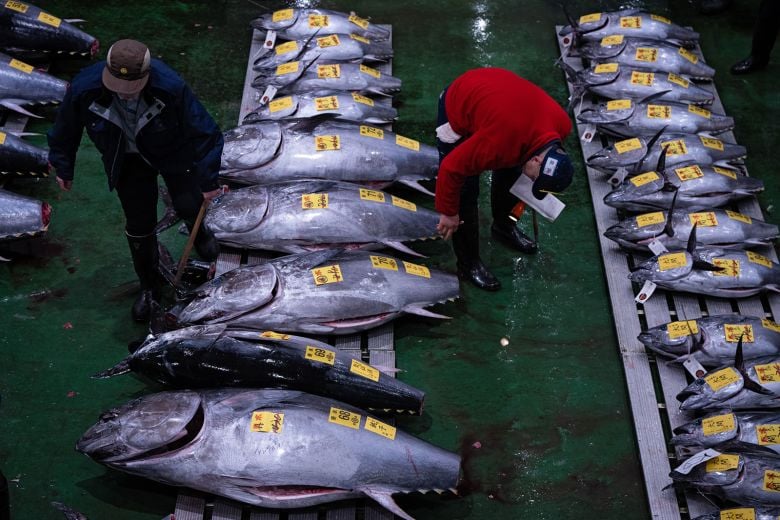
While the sale of a $3.2 million tuna may seem like a moment of triumph for the fishing and restaurant industries, it also highlights the ongoing debate about the sustainability of bluefin tuna fishing. The bluefin tuna is classified as an endangered species by the International Union for Conservation of Nature (IUCN), with both the Pacific and Atlantic populations facing significant threats due to overfishing.
As demand for bluefin tuna continues to climb, conservationists and environmental groups are urging governments and businesses to take stronger actions to protect the species. Efforts such as tighter regulations on fishing quotas, more robust enforcement against illegal fishing practices, and the promotion of sustainable alternatives are all part of the conversation on how to preserve the bluefin tuna population.
There are also initiatives underway to promote farmed bluefin tuna, which would reduce the strain on wild populations. However, farmed bluefin tuna has its own set of challenges, including concerns about the environmental impact of fish farming and the overall quality of the fish compared to wild-caught tuna. These concerns make it clear that the future of the bluefin tuna industry relies on finding a balance between sustainability and the demand for this luxury food item.
Japan’s Cultural Connection to Bluefin Tuna and Its Role in the Economy

The bluefin tuna has a long-standing cultural significance in Japan, where it is considered a symbol of wealth, prosperity, and culinary craftsmanship. The Tokyo auction, where bluefin tuna are regularly sold, is a place where the fish is not just seen as food but as a symbol of pride for the fishermen who catch it and the chefs who prepare it. The Japanese obsession with quality seafood, especially tuna, has resulted in a market that is deeply integrated into the national identity.
For centuries, sushi chefs have used bluefin tuna to create some of the most coveted sushi dishes in Japan. The auction of these giant fish is more than just a transaction; it is an event that draws attention from around the world and symbolizes the ongoing connection between Japan’s past and present.
Economically, the bluefin tuna trade is a major contributor to Japan’s fishing industry. The high prices fetched at auctions help support local economies, particularly in coastal areas where fishing is a primary industry. While the recent record sale may highlight the commercial success of bluefin tuna, it also underscores the need for a sustainable future for this industry.
A Growing Global Market for Bluefin Tuna

While bluefin tuna remains a staple of Japanese cuisine, its popularity has spread globally, with increasing demand for the fish in upscale restaurants around the world. From New York to Paris, sushi lovers are willing to pay top dollar for the best-quality bluefin tuna, creating an international market that has fueled the rise in auction prices.
This global demand, however, has contributed to the overfishing of bluefin tuna stocks, leading to calls for international regulation and the establishment of sustainable fishing practices. Organizations such as the Western and Central Pacific Fisheries Commission (WCPFC) and the International Commission for the Conservation of Atlantic Tunas (ICCAT) are tasked with monitoring bluefin tuna populations and establishing catch limits to protect the species from overexploitation.
As the global appetite for premium sushi continues to grow, the sustainability of the bluefin tuna industry will remain a critical issue for both the fishing industry and conservationists. Finding a way to balance cultural traditions with environmental responsibility will be key to ensuring that bluefin tuna remains a part of the world’s culinary heritage for generations to come.
Looking Forward: The Future of Bluefin Tuna and the Seafood Market
As we look to the future of the bluefin tuna industry, there are both challenges and opportunities on the horizon. The recent record sale in Tokyo serves as a reminder of the tuna’s enduring status as a luxury item, but it also highlights the need for more robust conservation efforts to protect the species.
Technological innovations in fishing and farming, coupled with better enforcement of sustainable practices, may offer a path forward for the bluefin tuna market. In the meantime, both the seafood industry and consumers must engage in a broader conversation about the long-term health of this iconic species and the environmental impact of its consumption.
The sale of a $3.2 million tuna is just one example of the intersection between luxury dining, global markets, and sustainability concerns. It serves as a powerful reminder of the need to strike a balance between tradition and conservation in order to ensure that bluefin tuna remains a symbol of both culinary excellence and environmental responsibility.
Conclusion: The Record That Will Shape the Future of Tuna Fishing
The auction sale of a bluefin tuna for $3.2 million is a momentous event that has captivated the global seafood market and underscored the significance of bluefin tuna in Japanese culture. While this record-breaking event showcases the continued demand for high-quality tuna, it also raises important questions about the sustainability of the industry.
As the world grapples with the challenges of overfishing and environmental degradation, the future of the bluefin tuna industry will depend on innovative solutions, sustainable practices, and a commitment to conservation. The hope is that by raising awareness through stories like this one, we can ensure that bluefin tuna remains a part of our culinary world for years to come—without endangering its future.