
Table of Contents
- The Revolutionary Idea: Using Crows for Urban Cleanup
- Why Crows? The Intelligence Behind the Birds
- The Technology Behind the Crows’ Training
- Environmental Implications: Reducing Waste in Urban Areas
- Global Interest: The Potential for Expansion
- The Ethical Considerations: Working with Animals
- Conclusion: A Future Powered by Animal Intelligence
The Revolutionary Idea: Using Crows for Urban Cleanup
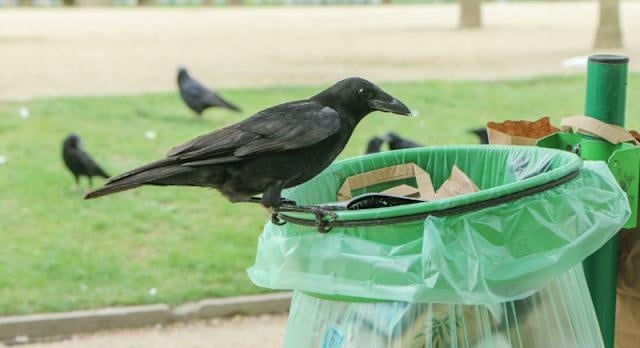
In cities around the world, waste management has always been a persistent issue. From overflowing trash bins to pollution in public spaces, urban areas face a constant challenge in keeping their streets clean. However, a Swedish startup called Corvid Cleaning has come up with a unique solution—train wild crows to collect trash. This innovative project has not only fascinated scientists but also raised new questions about the capabilities of animals and how they can be employed in solving human-made environmental problems.
Crows, known for their remarkable intelligence, are able to use tools, solve puzzles, and recognize themselves in mirrors, which is a rare trait in the animal kingdom. This makes them ideal candidates for learning complex tasks, such as identifying and picking up trash. The startup has spent years researching and developing a method to train crows to distinguish between trash and other objects, ultimately encouraging them to collect litter in exchange for food rewards.
By utilizing crows’ innate abilities, this initiative aims to create an eco-friendly solution that reduces human intervention, while also promoting environmental awareness. With their keen sense of sight and ability to carry items in their beaks, crows have proven to be highly efficient at gathering discarded materials. This breakthrough has the potential to change the way we think about waste management and animal intelligence.
Why Crows? The Intelligence Behind the Birds
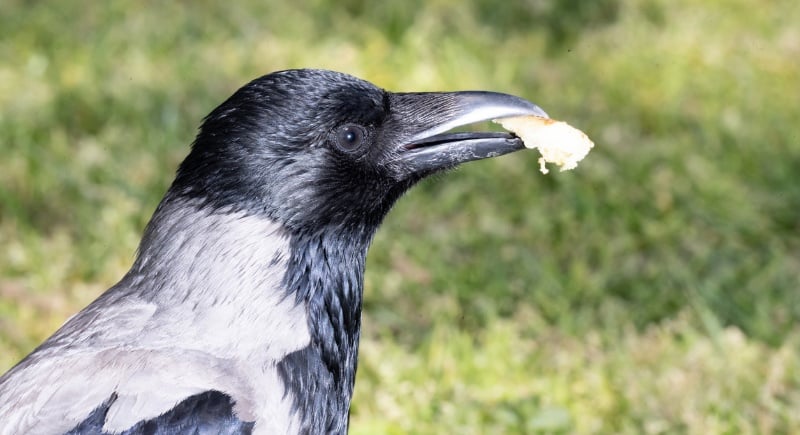
What sets crows apart from other animals is their extraordinary cognitive abilities. These birds are part of the corvid family, which includes species like ravens and magpies—each known for their intelligence and problem-solving skills. Crows are capable of complex social interactions, memory retention, and even using tools in the wild to help them gather food. This makes them far more capable than many other bird species when it comes to understanding tasks that humans might find challenging to explain to animals.
Scientists have long been fascinated by the intelligence of crows. Studies have shown that these birds can use tools to manipulate objects, recognize human faces, and even plan for the future. This high level of cognitive ability made them an ideal candidate for a project that requires both learning and memory—skills that are necessary for picking up trash and depositing it in designated areas.
The Swedish startup recognized this potential and began training wild crows by providing food rewards whenever they picked up specific types of trash. Over time, the crows began to associate the trash with the reward and started collecting waste from around the city. This demonstrates not only the bird’s intelligence but also its ability to adapt to human-created challenges.
The Technology Behind the Crows’ Training
Training crows to collect trash is no small feat. The process involves the use of a variety of techniques designed to communicate with the birds in a way they understand. The Swedish startup employs food as an incentive—a common method for training animals to perform specific tasks. However, what makes this project unique is the application of technology to track the crows’ behavior and ensure that they are collecting the right types of waste.
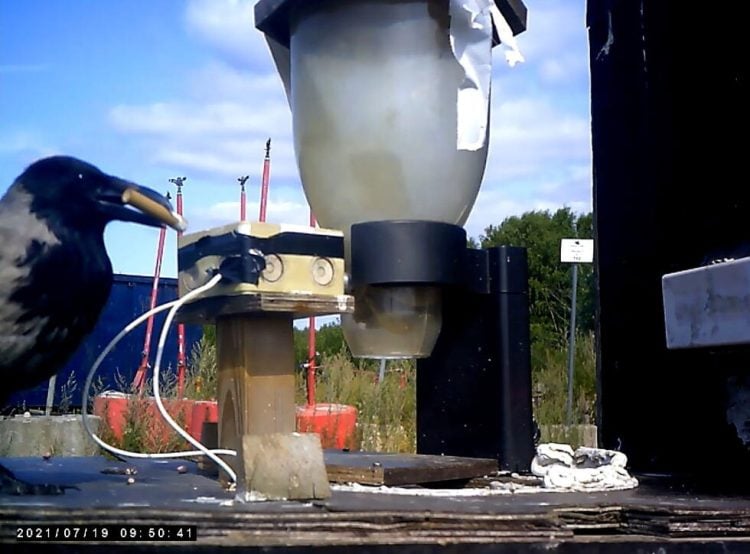
The startup uses small RFID (Radio Frequency Identification) tags to track the crows’ movements. When a crow collects a piece of trash and deposits it in the designated location, it triggers a sensor that activates a food reward dispenser. This reward system reinforces the behavior and encourages the crows to continue picking up trash. Over time, the crows have become highly efficient at identifying and collecting trash, making the process both effective and scalable.
In addition to the RFID technology, the startup has developed a system that allows the crows to work in groups. This collaboration enables them to cover larger areas and collect trash more efficiently. By creating a network of trained crows, the startup envisions a future where urban cleanup becomes a shared responsibility between humans and animals.
Environmental Implications: Reducing Waste in Urban Areas

The environmental implications of using crows for urban cleanup are significant. Cities around the world generate vast amounts of waste, much of which ends up in landfills or pollutes public spaces. Traditional waste management systems, while effective, often require significant human effort and resources. The use of crows in waste collection could reduce the burden on human workers, lower the costs of waste management, and create a more sustainable and environmentally friendly system.
By employing crows in this capacity, urban areas could reduce their reliance on plastic bags, trash bins, and human labor, ultimately contributing to less pollution and waste. In addition, the use of crows could help raise public awareness about littering and encourage citizens to be more mindful of their impact on the environment. As these intelligent birds continue to assist in cleanup efforts, the hope is that their presence will inspire greater community involvement in keeping cities clean and sustainable.
Global Interest: The Potential for Expansion
The success of the Swedish startup has garnered international attention, with other countries expressing interest in replicating the project in their own cities. If the program continues to expand, we could see wild crows playing a significant role in waste management efforts around the world. The ability to utilize animals in urban cleanup is an exciting development, and as technology advances, the scope of animal-assisted environmental work will likely grow.
Countries facing significant waste management challenges, particularly those in developing regions, could benefit greatly from this innovative approach. By training local animals to help with trash collection, cities could improve sanitation and reduce environmental harm without the need for expensive infrastructure or large teams of human workers. The scalability of this project offers a glimpse into a future where animals work alongside humans to create cleaner, greener cities.
The Ethical Considerations: Working with Animals
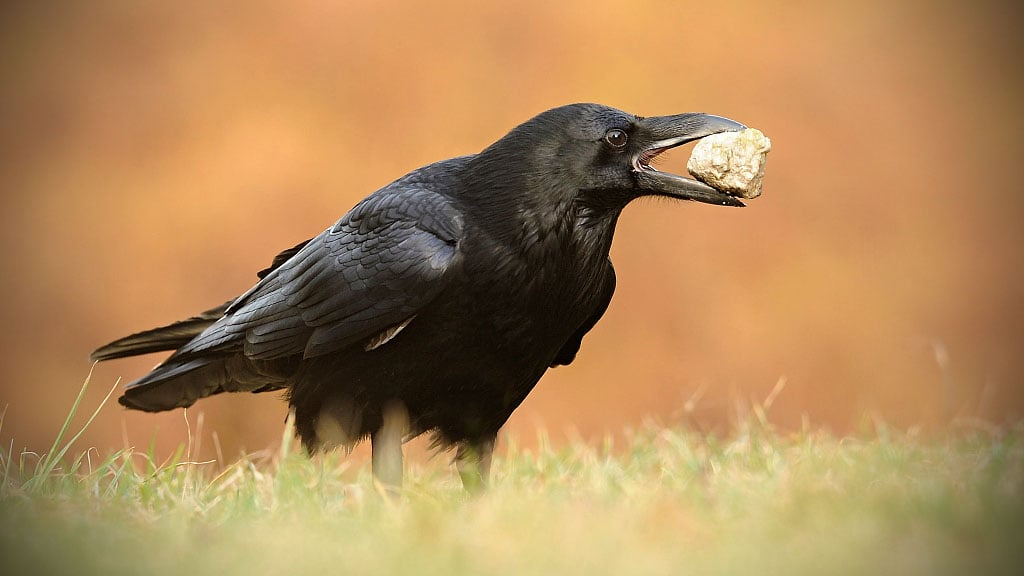
While the idea of training wild animals for such tasks is groundbreaking, it also raises important ethical questions. Critics argue that using animals for human-created problems may be exploitative, especially if the animals are not treated ethically during the training process. However, the Swedish startup has been transparent about its methods, ensuring that the animals are treated with respect and their well-being is prioritized.
The crows are trained using positive reinforcement, a method that encourages voluntary participation. The startup ensures that the birds are not subjected to any harm or stress during the training process. By working with wild crows rather than domesticated animals, the project aims to preserve the birds’ natural behaviors while also benefiting human society. As the project expands, it will be important to continue monitoring the ethical implications of using animals in this capacity.
Conclusion: A Future Powered by Animal Intelligence
The groundbreaking work being done by the Swedish startup to train wild crows for urban cleanup offers a glimpse into the future of waste management and environmental sustainability. This innovative project has shown that animals, with their intelligence and adaptability, can play a vital role in addressing some of the most pressing challenges facing modern cities. As the project continues to evolve, it has the potential to revolutionize the way we think about waste collection and animal contributions to solving global problems.
In the coming years, we may see more cities around the world embracing the idea of using trained animals for environmental purposes. Whether it’s cleaning up waste, assisting in disaster response, or performing other tasks, animals like crows are proving that their intelligence is an untapped resource with the potential to make a significant impact. The future of eco-friendly, animal-assisted technologies is bright, and the success of this project serves as a powerful reminder of the importance of innovation in creating a sustainable world.