
Table of Contents
- When Goats Roamed the City
- The Science of Goat Grazing
- From Wild Hills to Suburban Streets
- The Economics of Eco-Friendly Grazing
- Social Media Sensation
- Wildlife and Urban Harmony
- Health, Wellness, and Community Engagement
- Goats as Environmental Innovators
- Lessons in Urban Wildlife Management
- Capturing the Magic: Tips for Wildlife Photography
- The Legacy of Boise’s Goats
- Conclusion: When Nature and Urban Life Collide
When Goats Roamed the City
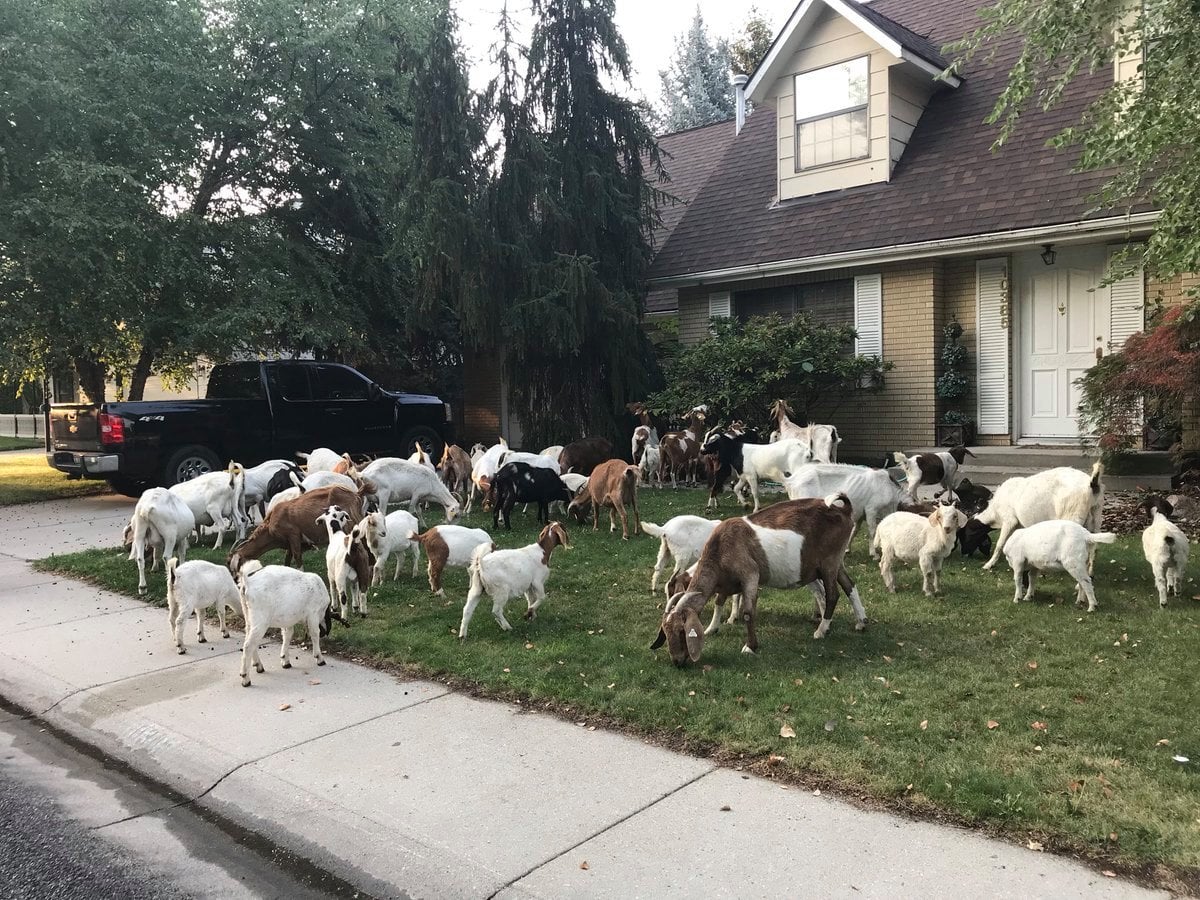
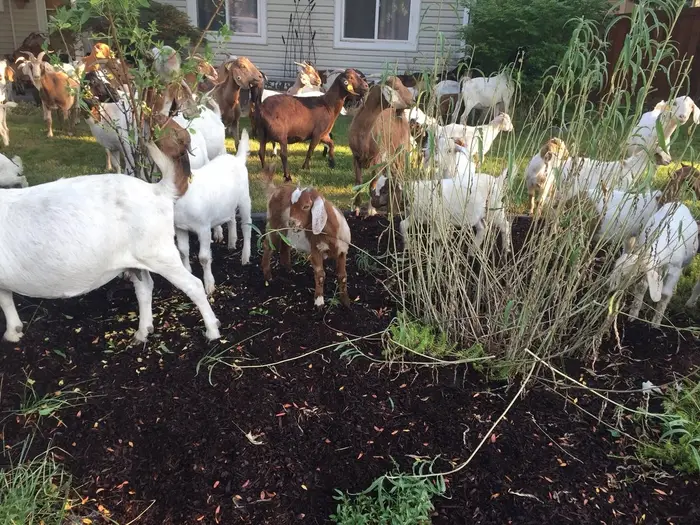
It started as a quiet summer morning in Boise, Idaho. Residents sipping coffee on their porches noticed something unusual: goats—dozens of them—grazing along the hillsides, nibbling shrubs, and exploring suburban streets.
This wasn’t a typical wildlife sighting. Boise had unwittingly become home to a herd of goats tasked with a very human problem: vegetation management. The goats weren’t just cute—they were nature’s answer to wildfire prevention.
If you were watching this unfold, would you take a photo, call animal control, or just let them roam?
The Science of Goat Grazing
Goats are extraordinary eaters. Unlike cows or sheep, goats will consume a variety of plants, including invasive species and stubborn shrubs. Urban planners in Boise realized this could be a low-cost, eco-friendly solution for managing overgrown hillsides.
These goats help reduce fire risks, control invasive species, and even promote healthier plant growth. In a city where wildfires loom each summer, their presence became a natural hedge against disaster.
Imagine hiring a workforce that doesn’t need equipment, breaks, or salaries—and actually improves the ecosystem while doing it. Would you consider adding goats to your home landscape?
From Wild Hills to Suburban Streets
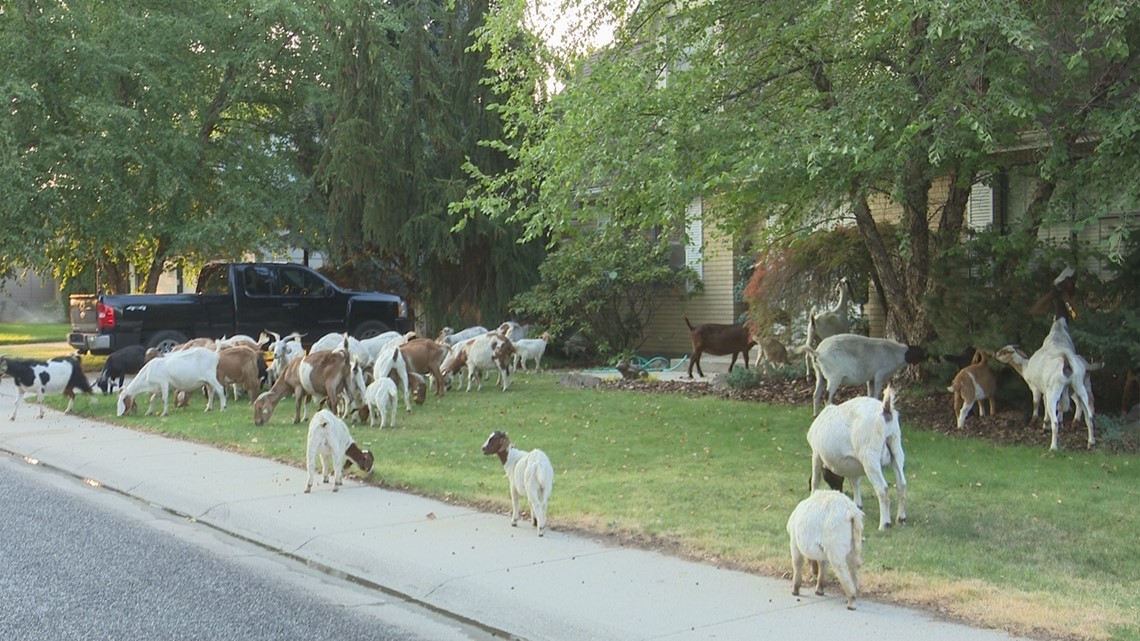
Boise’s hills are no easy terrain. Rocky slopes, steep inclines, and dry grass make mowing hazardous for humans and machines alike. Enter the goats, agile climbers perfectly suited to the challenge.
Local residents initially worried about the animals’ wandering tendencies. Yet the goats adapted quickly, forming a bond with their caretakers while exploring their new “office space.”
For urban wildlife enthusiasts, Boise became a living laboratory. The goats demonstrated how human cities and nature could coexist in unexpected, beneficial ways.
What lessons could other cities learn from this peculiar experiment?
The Economics of Eco-Friendly Grazing
Hiring goats to manage vegetation isn’t just clever—it’s cost-effective. Traditional methods like herbicides, mowing, and manual labor can drain municipal budgets. By contrast, goats reduce expenses and carbon footprints simultaneously.
Environmental experts call this “green infrastructure in action.” The goats are living machines, powered by local flora, that reduce fire hazards and maintain biodiversity.
Could this model be applied to other cities grappling with urban overgrowth, wildfire risks, or invasive plant species? Boise might have unintentionally started a trend in eco-urban planning.
Social Media Sensation
Of course, goats are charming. Pictures of these nimble animals navigating suburban landscapes went viral. Locals posted images on Instagram, Facebook, and Twitter, drawing attention to Boise’s unique approach to urban management.
Tourism spiked as visitors traveled to see the goats in action. Travel bloggers described the hillsides as “a whimsical encounter with nature.” Hotels reported increased bookings, and local businesses capitalized on goat-themed merchandise.
Have you ever traveled somewhere just to see wildlife in an unexpected urban setting? Boise now offers that experience, bridging adventure travel with conservation awareness.
Wildlife and Urban Harmony
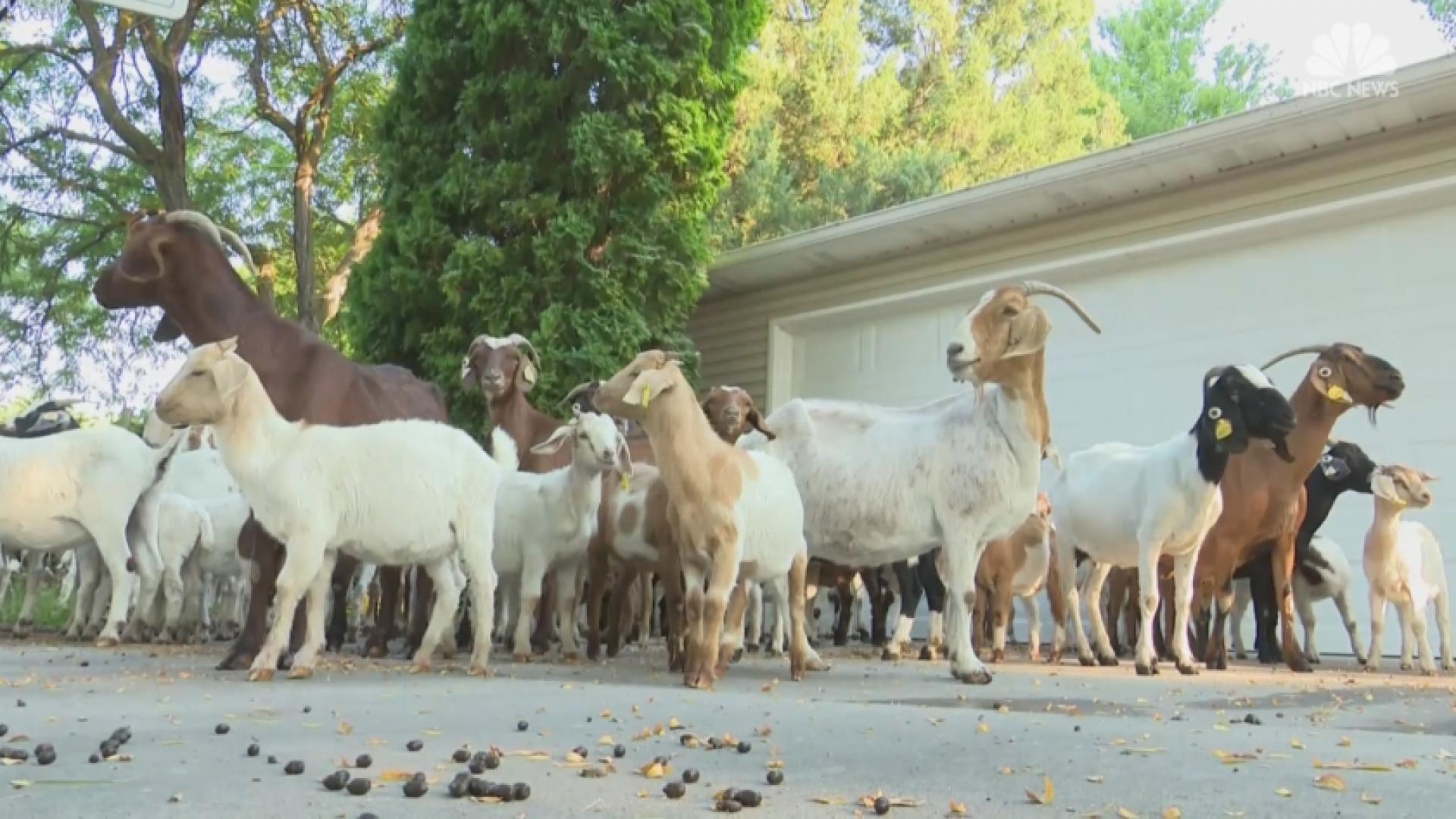
Boise’s goats demonstrate an important principle: humans and wildlife don’t have to be at odds. Properly managed, urban animals can improve ecosystem health, promote community engagement, and inspire conservation-minded travel.
Scientists emphasize the importance of monitoring animal welfare. The goats are rotated across different hillsides, ensuring they graze sustainably and avoid overconsumption. Their care involves veterinary checkups, supplemental feeding, and safe shelters.
Imagine if every city considered such partnerships—how much greener and more resilient would our urban landscapes be?
Health, Wellness, and Community Engagement
There’s a surprising human benefit, too. Residents report improved mental health after encountering the goats. Watching animals roam freely, interact with nature, and tackle challenging terrain can reduce stress, promote mindfulness, and encourage outdoor activity.
Some Boise schools even organized field trips to see the goats, teaching children about ecology, sustainability, and urban planning in an engaging, hands-on way.
If nature has this much impact on our mental and physical well-being, should more cities integrate wildlife into daily life?
Goats as Environmental Innovators
Goats are part of a larger conversation about urban ecology and sustainable solutions. Across the U.S., cities face challenges like fire hazards, invasive plants, and biodiversity loss. Boise’s model shows that sometimes, the solution isn’t technology—it’s leveraging the instincts and natural behaviors of animals.
Environmental planners are now looking at integrating other animals—like sheep, bees, or even birds—into urban ecosystems to solve complex problems. Each species brings unique benefits, and goats are just the beginning.
Could your next landscaping project include a live, breathing “eco-machine”?
Lessons in Urban Wildlife Management
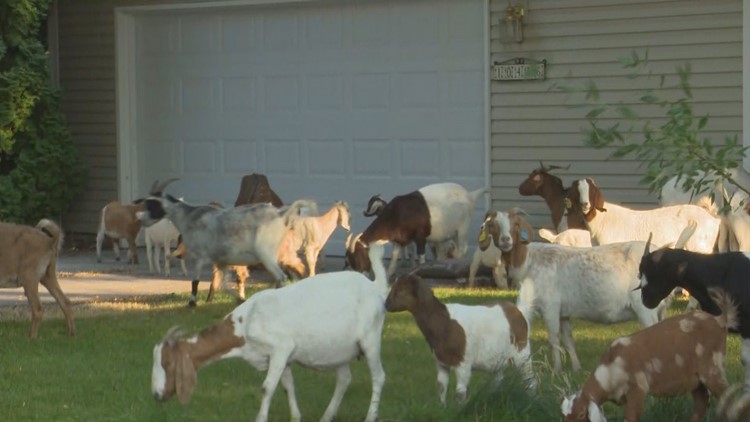
Boise’s goats also illustrate the importance of public education. Residents learned to coexist with these animals, understanding their role in fire prevention, vegetation control, and ecosystem health.
The goats became city ambassadors, demonstrating that wildlife doesn’t always belong in distant wilderness—it can be part of our everyday lives.
What other hidden solutions might animals offer in our cities if we simply observe and adapt?
Capturing the Magic: Tips for Wildlife Photography
Travelers and photographers flocked to Boise to capture the goats’ antics. Experts recommend early morning or late afternoon light, long lenses for safe distance shots, and patience. Remember, goats move unpredictably—they’re climbers, jumpers, and explorers.
The best photos aren’t just about technique—they’re about storytelling. Each goat tells a story of adaptation, resilience, and the intersection of human planning with nature’s ingenuity.
Would you take a perfect shot or simply watch the magic unfold?
The Legacy of Boise’s Goats
As the goats continue their work, Boise has set a global example. The city balances urban growth, wildfire prevention, and wildlife conservation in a way that’s visually stunning, economically sensible, and environmentally responsible.
These goats are more than city mascots—they are living lessons in sustainability, ecology, and creativity.
Could this model inspire other municipalities to reimagine their relationship with wildlife, blending cost savings, conservation, and community engagement?
Conclusion: When Nature and Urban Life Collide
The Boise goats remind us that sometimes the best solutions come from unexpected places. They’re small, nimble, and unconventional—but they make a massive difference.
Whether it’s environmental health, tourism, or mental well-being, the goats have left an indelible mark on the city. And as urban areas expand, perhaps the secret to sustainable, resilient cities lies in learning from animals, not just machines.
Next time you encounter wildlife in an unexpected place, ask yourself: what can nature teach us if we stop and observe? Boise’s goats may have already provided the answer.