

On a quiet morning in Ottawa, lawmakers made a decision that could change the lives of some of the planet’s most intelligent animals forever.
Elephants and great apes — creatures capable of grief, joy, problem-solving, and deep emotional bonds — may finally be getting the protection they’ve needed for decades.
But this isn’t just a wildlife story.
It’s a story about ethics, travel, money, home values, and even our future relationship with nature.
Because when a country decides to end the captivity of elephants and great apes, the impact doesn’t stay inside a zoo’s walls.
It spreads everywhere.
Table of Contents
- A Bill That Could Rewrite History — Bill S-15
- The Moment Everything Changed: A Growing Awareness
- Why This Bill Matters More Than People Realize
- 1. The Financial Side: Wildlife Ethics Affect the Economy
- 2. Home Improvement? Yes — This Bill Even Affects Homeowners
- 3. Travel and Tourism Will Never Be the Same
- 4. Public Health: Yes, Wildlife Protection Affects Us Too
- The Bigger Question: Why Elephants and Great Apes?
- Stories That Sparked a Movement
- Sanctuaries: The Future of Ethical Wildlife Care
- Opposition Exists — But It’s Shrinking Fast
- How Canada’s Bill S-15 Could Influence the World
- Near the End — A Question for You
- Final Thoughts: A Moral Line in the Sand
A Bill That Could Rewrite History — Bill S-15
Canada’s landmark bill — known as Bill S-15 — aims to do something many nations have avoided:
Ban the captivity, breeding, and acquisition of elephants and great apes.
That means chimpanzees.
Gorillas.
Orangutans.
Bonobos.
African elephants.
Asian elephants.
The animals who share our DNA, mirror our emotions, use tools, pass down culture, and mourn their dead — finally under legal protection.
If passed, the bill will:
- End the breeding of these animals in captivity.
- Prevent new imports into Canada.
- Shut down private ownership.
- Restrict zoos from adding more elephants or apes.
- Require permits only for ethical, accredited sanctuaries.
In other words…
No more elephants living on concrete.
No more apes behind glass walls for human entertainment.
And here’s where the story gets even more interesting:
Bill S-15 is already gaining momentum because Canadians overwhelmingly agree — the era of keeping highly intelligent animals in cages is over.
But what pushed lawmakers to finally act?
The Moment Everything Changed: A Growing Awareness

The shift didn’t happen overnight.
For years, animal welfare advocates, scientists, and sanctuary professionals have warned that captivity harms these species in ways most people don’t see:
Elephants in captivity often experience:
- chronic arthritis
- foot disease
- reproductive issues
- psychological trauma
- shortened lifespans
Great apes suffer from:
- depression
- self-harming behaviors
- isolation stress
- cognitive decline
- schizophrenia-like symptoms
And the public started noticing.
Travelers returned from safaris describing elephants roaming natural landscapes — and suddenly, a zoo enclosure felt unbearably small.
Documentaries revealed gorillas who weren’t “lazy,” but depressed.
Viral videos showed chimpanzees learning sign language, recognizing themselves in mirrors, or grieving lost family members.
The question grew louder every year:
If these beings think and feel like us — why are we still locking them in cages?
And Canada finally answered.
Why This Bill Matters More Than People Realize
Most Canadians will never meet an elephant or a gorilla in the wild.
So why does Bill S-15 matter?
Because it represents a shift in how a nation defines responsibility.
This isn’t about just animals.
It’s about:
- Climate change
- Land conservation
- Ethical tourism
- Public health
- Finance and economic planning
- Education and future generations
Let’s break it down.
1. The Financial Side: Wildlife Ethics Affect the Economy
Many don’t realize that animal captivity is expensive — extremely expensive.
Maintaining elephants in captivity costs millions per year:
- specialized enclosures
- food and water
- veterinary care
- transport
- labor
And still, their health declines.
Sanctuaries, by contrast, require fewer artificial interventions because they mimic natural habitats.
This bill shifts financial incentives from entertainment…
to ethical conservation.
It signals a future where:
- investors fund wildlife conservation centers
- families choose ethical travel experiences
- donors support sanctuaries instead of zoos
- eco-tourism becomes a top revenue generator
Ethics, suddenly, are profitable.
2. Home Improvement? Yes — This Bill Even Affects Homeowners

This may sound wild, but hear this:
As ethical wildlife culture grows, homeowners are investing in nature-friendly upgrades such as:
- native gardens
- sustainable landscaping
- pollinator habitats
- natural lighting
- eco-friendly materials
Why?
Because eco-aligned homes now carry higher value in many markets.
A shift in how we treat animals often reflects a shift in how we design our own spaces.
Bill S-15 is part of a cultural transformation that even affects real estate.
3. Travel and Tourism Will Never Be the Same
Animal tourism is one of the world’s largest travel industries — and one of the most controversial.
With Bill S-15, Canada sends a clear message:
Wildlife experiences must be ethical.
This influences:
- where people travel
- which attractions they support
- how travel companies market tours
- how families choose vacation destinations
Imagine travel brochures shifting from:
“See elephants up close!”
to
“Visit a sanctuary where elephants roam freely.”
Travel becomes richer, more meaningful — and less exploitative.
Would you choose a cage… or a sanctuary?
4. Public Health: Yes, Wildlife Protection Affects Us Too
There’s another layer.
Great apes share up to 98% of our DNA.
Elephants live in complex social groups.
When stressed animals are kept in captivity:
- they become disease reservoirs
- they experience immune system collapse
- zoonotic risks increase
By reducing captivity, Canada also reduces potential health dangers — long-term protection for both humans and animals.
The Bigger Question: Why Elephants and Great Apes?
Why not all wild animals?
Why start here?
Because these species give us no excuse.
They:
- recognize faces
- form friendships
- laugh
- play
- grieve
- teach their children
- solve problems
- communicate in complex ways
- experience deep emotional bonds
And perhaps most importantly…
They understand captivity.
In ways that hurt them profoundly.
Stories That Sparked a Movement
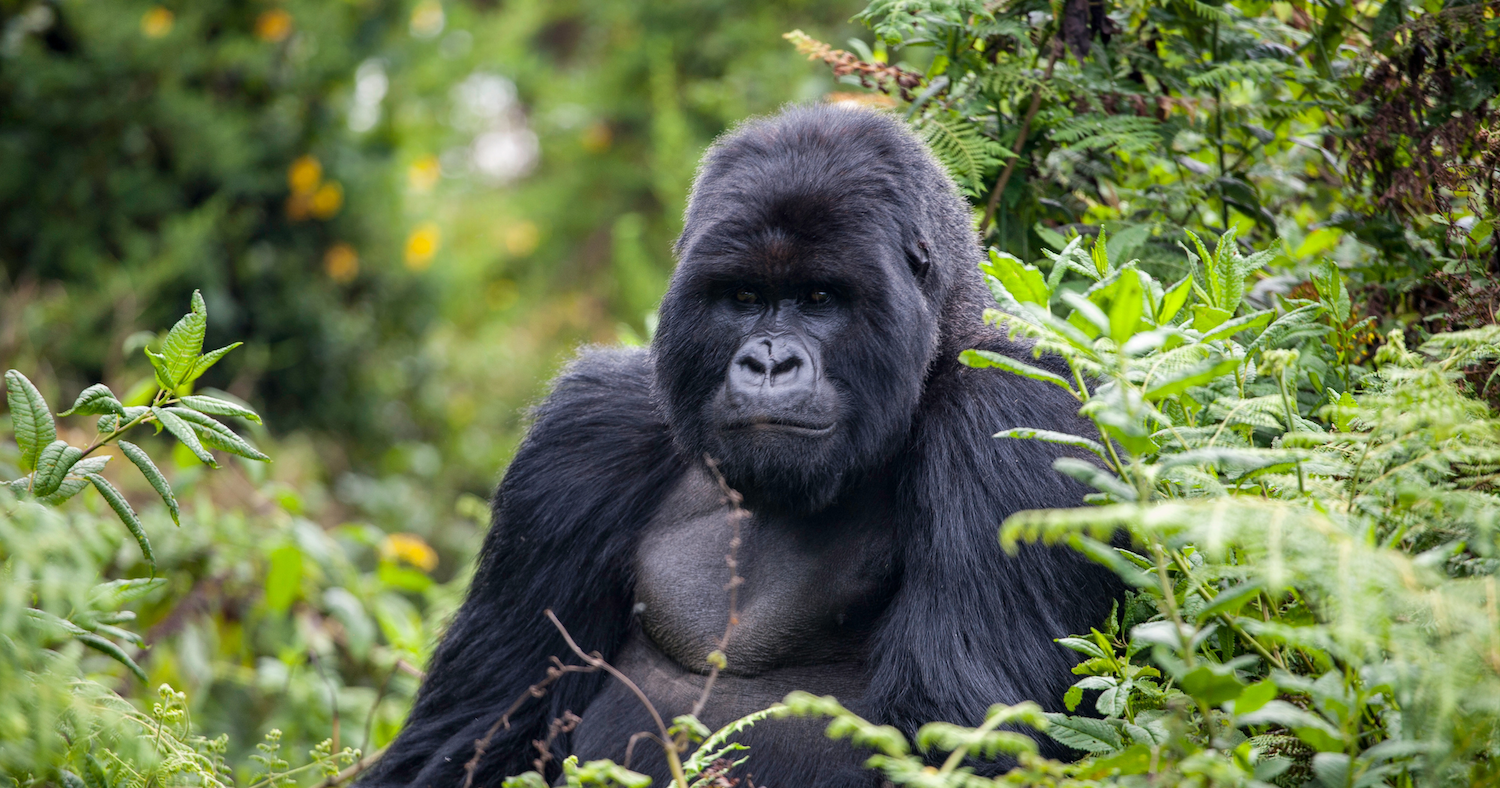
Across Canada, countless stories pushed this bill forward:
- Elephants pacing endlessly in tiny zoo yards
- Gorillas showing signs of depression
- Chimpanzees throwing themselves against enclosure walls
- Orangutans trying to escape repeatedly
- Apes groomed or dressed for entertainment
- Privately owned monkeys living in basements
People began asking:
“Is this really who we want to be?”
That question lit a fire.
And Bill S-15 is the flame.
Sanctuaries: The Future of Ethical Wildlife Care
This bill doesn’t abandon elephants and great apes already in Canada.
Instead, it shifts care toward sanctuaries — expansive spaces designed to mimic wild environments.
Sanctuaries offer:
- natural terrain
- freedom of movement
- social group formation
- enrichment activities
- medical care without exploitation
- dignity
They don’t sell tickets for tricks.
They don’t force interactions.
They don’t breed animals for profit.
They give life back.
Opposition Exists — But It’s Shrinking Fast
Some organizations argue that zoos help with education.
Others fear the economic impact.
But the research is clear:
- Animals in captivity rarely exhibit natural behaviors.
- Artificial breeding programs often fail.
- Conservation rarely benefits from keeping large mammals in enclosures.
- Public education works better with documentaries, VR, and online learning.
And ethically?
Captivity is becoming impossible to justify.
How Canada’s Bill S-15 Could Influence the World
When one country takes a bold ethical stance, others follow.
Bill S-15 could push:
- U.S. states to reconsider elephant exploitation in entertainment
- European nations to tighten animal welfare laws
- Asian countries to regulate private primate ownership
- Travel industries to prioritize ethical certifications
- Global conservation programs to rethink captive breeding
Canada may become a global model.
Just as banning whale captivity reshaped marine ethics, this bill could reshape land-animal ethics worldwide.
Near the End — A Question for You

Imagine standing in front of a gorilla behind glass.
He stares back at you.
Eyes intelligent.
Hands like yours.
Breathing steady.
Sadness you can feel without words.
Now imagine him in a sanctuary —
sunlight, trees, space, family.
Which future feels right?
Which future feels just?
Which future feels like progress?
Final Thoughts: A Moral Line in the Sand
Bill S-15 is more than legislation.
It’s a message.
A statement about who we want to be —
a society that values intelligence, emotion, family, empathy, and the right to live with dignity.
A society that chooses compassion over convenience.
And maybe, years from now, children will look back and ask:
“You used to keep elephants in cages?
Why?”
And we can answer:
“We changed.
Because it was time.”