

Table of Contents
- What Exactly Is Scromiting?
- The Strange Symptoms That Leave Doctors Searching for Answers
- Why Hot Showers Have Become a Signature Clue
- The Discovery of Cannabis Hyperemesis Syndrome
- Why Modern Cannabis May Be Making the Problem Worse
- The Mystery Scientists Still Cannot Explain
- Emergency Rooms Are Seeing More Cases
- When the Condition Becomes Dangerous
- A New Medical Code May Transform Research
- What This Means for the Future of Cannabis Use
What Exactly Is Scromiting?
The term “scromiting” combines two words: screaming and vomiting.
The nickname emerged on social media because many patients suffering from Cannabis Hyperemesis Syndrome experience such intense pain that they cry out, scream, or become visibly distressed while vomiting repeatedly.
Unlike a typical stomach virus that may last a day or two, CHS can trigger relentless episodes of vomiting that continue for hours. Some patients are unable to keep food, water, or medications down.
Doctors describe scenes in emergency rooms where patients arrive curled over in pain, clutching their stomachs, unable to stop vomiting despite exhausting everything in their stomach.
For healthcare workers unfamiliar with the condition years ago, the symptoms often seemed mysterious because they resembled several other serious illnesses.
Today, however, physicians are recognizing a pattern.
Many patients experiencing these episodes share one common factor: long-term cannabis use.
The Strange Symptoms That Leave Doctors Searching for Answers

One reason Cannabis Hyperemesis Syndrome has gained attention is because its symptoms often appear contradictory.
Cannabis is commonly associated with reducing nausea. In fact, marijuana and cannabis-derived medications have long been used to help cancer patients undergoing chemotherapy manage nausea and vomiting.
This makes CHS particularly confusing.
How can a substance known for reducing nausea suddenly become the cause of severe vomiting?
That paradox has puzzled researchers for years.
Patients with CHS often experience intense abdominal pain, persistent nausea, dehydration, and uncontrollable vomiting. Some episodes become so severe that individuals require repeated emergency room visits within a matter of weeks.
Doctors frequently order extensive testing because the symptoms can resemble other serious conditions.
Blood work, imaging scans, gastrointestinal procedures, and various diagnostic tests may be performed before healthcare providers identify cannabis as the underlying trigger.
For many patients, the diagnosis comes only after numerous frustrating hospital visits.
Why Hot Showers Have Become a Signature Clue
One of the most bizarre aspects of Cannabis Hyperemesis Syndrome involves hot water.
Doctors across multiple countries have noticed an unusual pattern among patients experiencing the condition.
Many report spending long periods in extremely hot showers or baths to temporarily relieve symptoms.
Some patients describe taking multiple hot showers each day during severe episodes.
Others report remaining under scalding water for extended periods because it provides the only noticeable relief from pain and nausea.
Researchers are still investigating why this occurs.
One theory suggests that heat affects the body’s pain signaling pathways, temporarily distracting the nervous system from the intense discomfort caused by CHS.
While hot showers may offer short-term relief, doctors emphasize that they do not treat the underlying condition.
Eventually, symptoms typically return.
The unusual connection between hot bathing and symptom relief has become one of the most recognizable warning signs that healthcare providers use when evaluating possible cases.
The Discovery of Cannabis Hyperemesis Syndrome
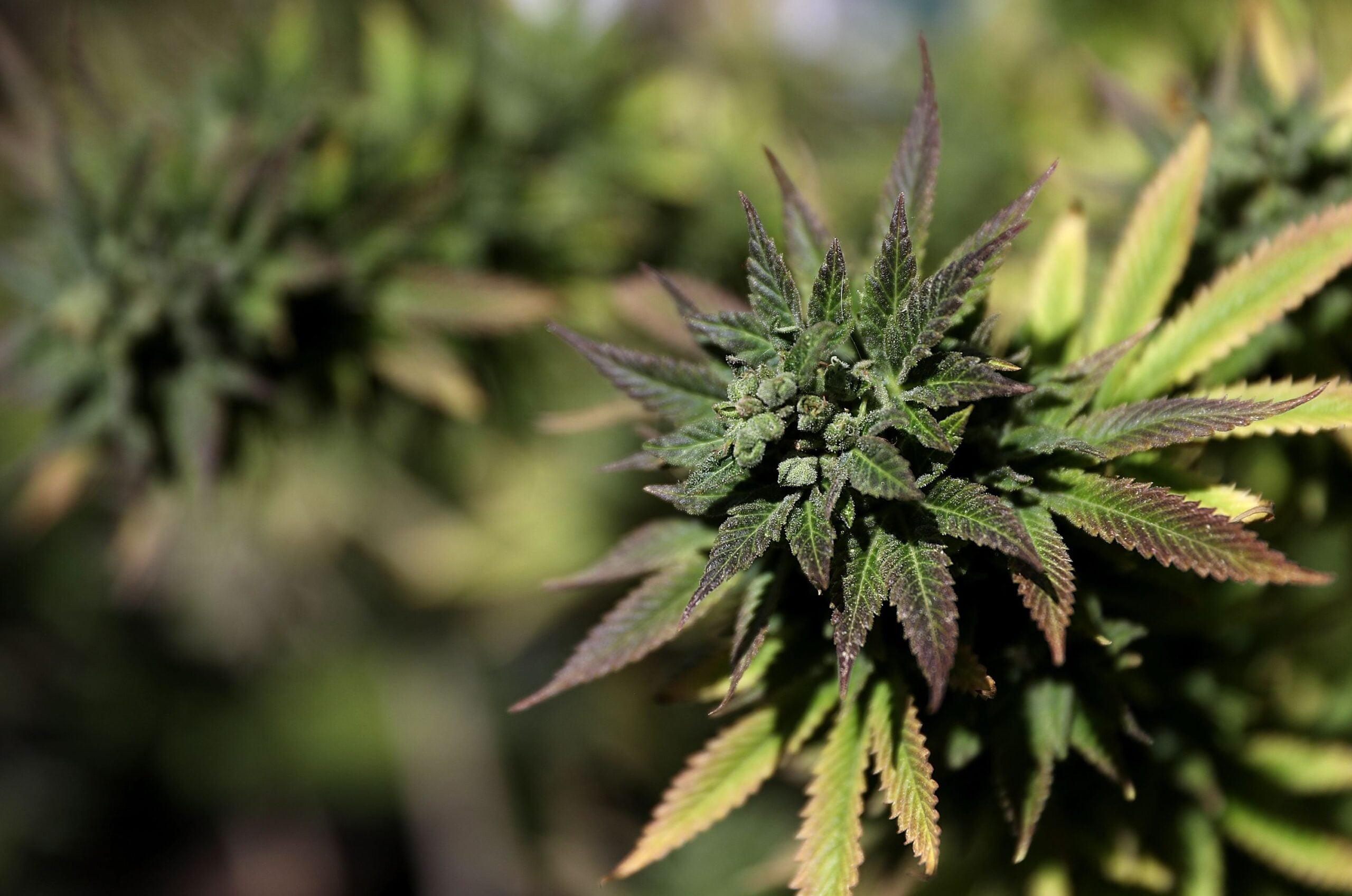
Although marijuana has been used for centuries, Cannabis Hyperemesis Syndrome is a relatively recent medical discovery.
The condition first gained widespread attention in 2004 when Australian researchers documented a group of chronic cannabis users suffering repeated cycles of vomiting and abdominal pain.
The researchers followed several patients over time and observed a striking pattern.
Symptoms improved when cannabis use stopped.
Symptoms returned when cannabis use resumed.
This repeated cycle provided some of the strongest evidence linking marijuana use directly to the condition.
As awareness grew, similar cases began appearing in hospitals throughout North America, Europe, and other regions.
Over time, doctors realized that what initially appeared to be isolated incidents was actually a growing medical phenomenon.
Today, CHS is recognized by healthcare professionals worldwide as a legitimate and increasingly common condition.
Why Modern Cannabis May Be Making the Problem Worse
One factor that concerns researchers is the dramatic increase in cannabis potency over the past several decades.
The main psychoactive ingredient in marijuana is tetrahydrocannabinol, commonly known as THC.
Historically, marijuana products contained relatively modest levels of THC.
Modern products are very different.
Many cannabis products available today contain significantly higher concentrations than products commonly used during the 1980s and 1990s.
Researchers believe this increase in potency may play a role in the growing number of Cannabis Hyperemesis Syndrome cases.
The theory is straightforward.
Higher THC exposure over longer periods may increase the likelihood of triggering abnormal responses within the digestive and nervous systems.
However, scientists caution that the relationship remains complex.
Not every heavy cannabis user develops CHS.
This uncertainty remains one of the biggest mysteries surrounding the condition.
The Mystery Scientists Still Cannot Explain

Despite growing awareness, many questions about Cannabis Hyperemesis Syndrome remain unanswered.
Perhaps the biggest mystery is why only certain users develop the condition.
Millions of people use cannabis regularly, yet only a portion experience CHS symptoms.
Researchers do not yet know whether genetics play a role.
They also remain uncertain about how factors such as frequency of use, product potency, duration of exposure, or specific cannabis formulations contribute to risk.
Some individuals use marijuana heavily for years without developing symptoms.
Others experience severe episodes after shorter periods of use.
This unpredictability makes prevention challenging.
Scientists continue studying the condition in hopes of identifying biological markers that could help determine who is most vulnerable.
Until those answers emerge, healthcare providers often rely on patient history and symptom patterns to identify cases.
Emergency Rooms Are Seeing More Cases
Recent research suggests that Cannabis Hyperemesis Syndrome is becoming increasingly common.
Studies have documented significant increases in emergency room visits linked to cannabis-related vomiting disorders.
Researchers examining trends over the past decade found dramatic growth in cases among both adults and adolescents.
Teenagers and young adults appear particularly vulnerable because they are among the fastest-growing groups of cannabis users in regions where marijuana has become more accessible.
Emergency physicians report seeing patients return repeatedly with the same symptoms.
Some individuals visit hospitals multiple times within just a few months before receiving an accurate diagnosis.
The repeated hospitalizations place additional strain on healthcare systems while creating significant emotional and financial burdens for patients and families.
As awareness increases, healthcare professionals hope earlier recognition can reduce unnecessary testing and improve treatment outcomes.
When the Condition Becomes Dangerous

Although many people initially view CHS as merely a severe stomach problem, doctors warn that complications can become serious.
Persistent vomiting causes rapid fluid loss.
As dehydration worsens, patients may develop electrolyte imbalances that affect critical bodily functions.
In severe cases, complications can include kidney problems, cardiovascular issues, shock, and organ dysfunction.
The danger increases when individuals delay seeking medical care.
Some patients assume symptoms will eventually resolve on their own.
Others hesitate to disclose cannabis use, making diagnosis more difficult.
Healthcare providers emphasize that prolonged vomiting should never be ignored.
Regardless of the cause, excessive fluid loss can become life-threatening if left untreated.
Prompt medical evaluation remains essential.
A New Medical Code May Transform Research
One major obstacle facing researchers has been the lack of standardized tracking.
For years, Cannabis Hyperemesis Syndrome lacked a dedicated diagnostic code within medical billing systems.
As a result, researchers struggled to accurately measure how many people were affected.
Many studies relied on indirect evidence, comparing vomiting-related hospital visits with self-reported cannabis use.
That changed in late 2025.
Health authorities introduced an official diagnostic classification specifically for Cannabis Hyperemesis Syndrome.
The World Health Organization also recognized the condition within its international classification systems.
Researchers believe these changes could dramatically improve future studies.
More accurate reporting may help scientists better understand prevalence, risk factors, and long-term outcomes.
The ability to track cases consistently represents a major step forward for public health research.
What This Means for the Future of Cannabis Use

The rise of Cannabis Hyperemesis Syndrome highlights an important reality about modern marijuana use.
As legalization expands and public attitudes continue evolving, understanding both the benefits and risks of cannabis becomes increasingly important.
For many people, marijuana remains a recreational substance or medical treatment that does not lead to severe complications.
However, the growing number of CHS cases serves as a reminder that cannabis is not risk-free.
Researchers continue working to understand why certain individuals develop this painful condition while others do not. New diagnostic tools, improved reporting systems, and growing medical awareness will likely provide clearer answers in the years ahead.
Until then, healthcare professionals encourage regular cannabis users to pay attention to warning signs such as repeated nausea, unexplained abdominal pain, and recurring vomiting episodes.
The condition may have earned a strange social media nickname, but the suffering experienced by those affected is anything but amusing. As cases continue to rise across the country, scromiting has become one of the most unusual and important health stories emerging from the modern era of cannabis use.