
Table of Contents
- When Research Challenged a Popular Belief
- The Study That Sparked the Debate
- Why the Findings Matter
- Beyond Anxiety and Depression
- Experts Weigh In on the Evidence
- The Growing Popularity Despite Limited Evidence
- The Risks That Cannot Be Ignored
- The Link to Psychosis and Severe Disorders
- The Rise of High Potency Cannabis
- Understanding Cannabis Use Disorder
- Proven Alternatives for Mental Health Treatment
- A Larger Conversation About Science and Perception
- What This Means Moving Forward
- A Cautionary Tale in Modern Medicine
When Research Challenged a Popular Belief
When two major scientific analyses concluded that cannabis does not effectively treat common mental health conditions, the findings immediately captured global attention. For years, marijuana has been widely promoted as a natural solution for anxiety, depression, and trauma related disorders. Millions of people have turned to it in search of relief, often encouraged by anecdotal success stories and expanding legalization. But this new wave of research tells a very different story. What makes this moment significant is not just the scientific conclusion, but what it reveals about the gap between perception and evidence. What follows is a deeper exploration of the studies, the risks, and what this means for the future of mental health treatment.
The Study That Sparked the Debate
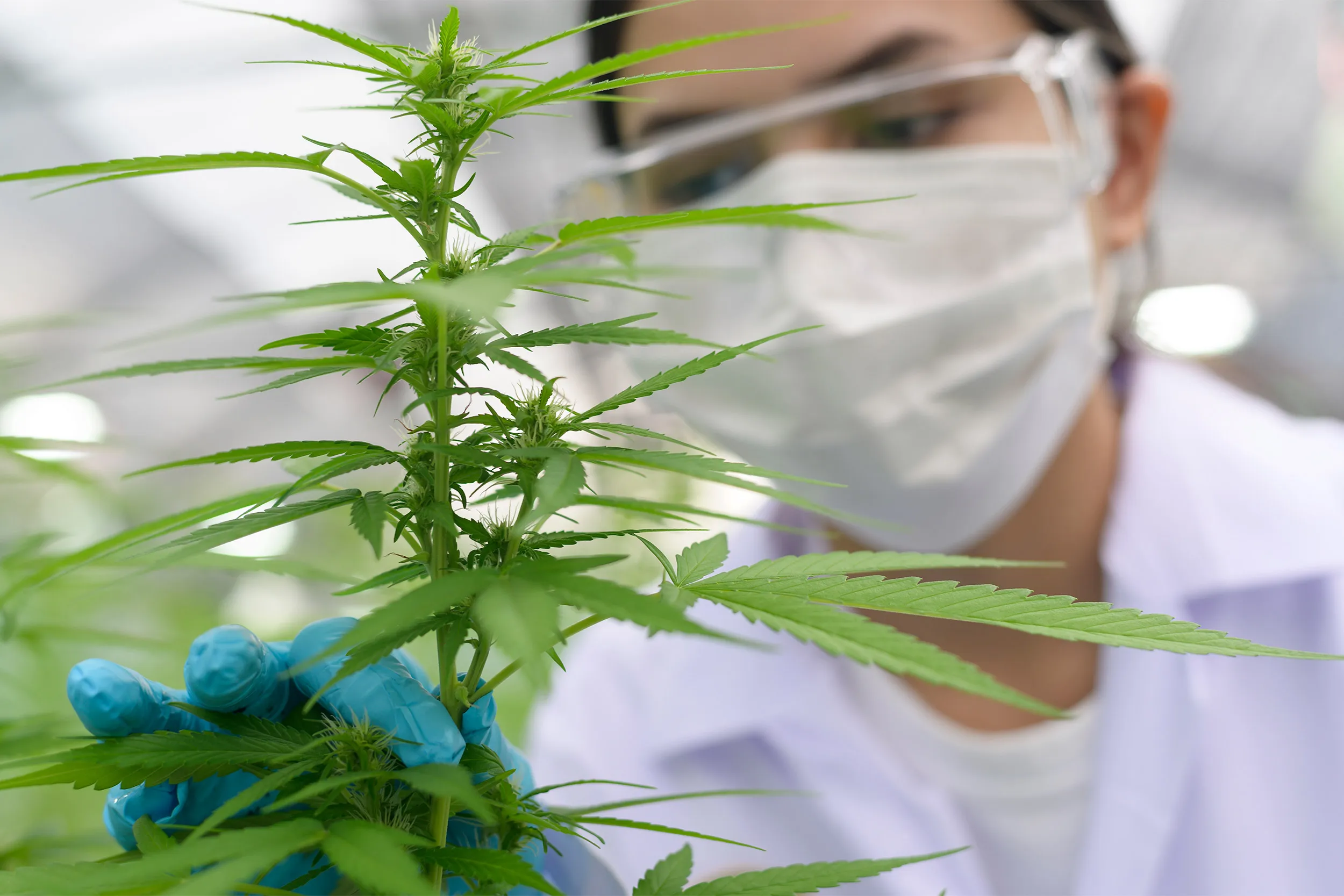
The most prominent analysis was led by researchers at the University of Sydney, who reviewed 54 randomized controlled trials conducted over several decades. These types of studies are considered the gold standard in medical research because they minimize bias and provide reliable data.
The findings were clear. There was no evidence that cannabis, whether in the form of cannabidiol or tetrahydrocannabinol, effectively treats anxiety, depression, or post traumatic stress disorder. These are among the most common reasons people seek out medical marijuana.
The research focused primarily on controlled medical formulations such as capsules, sprays, and oils. These products are often considered more standardized than recreational cannabis, which varies widely in strength and composition. Even within this controlled setting, the results did not support the idea that cannabis provides meaningful mental health benefits.
Why the Findings Matter
At first glance, the conclusion may seem surprising. Cannabis has become deeply embedded in modern culture, often portrayed as a safe and natural alternative to traditional medications.
However, scientific evidence does not always align with popular belief. The significance of this study lies in its ability to challenge assumptions that have gone largely unquestioned.
Mental health conditions are complex and require treatments that are both safe and effective. Relying on substances without proven benefits can delay proper care and potentially worsen outcomes.
The findings also raise important questions about how medical marijuana is prescribed and marketed, especially when evidence does not fully support its use.
Beyond Anxiety and Depression
The research did not stop at common conditions like anxiety and depression. It also examined the effects of cannabis on a range of other mental health disorders, including bipolar disorder, obsessive compulsive disorder, anorexia nervosa, and schizophrenia.
In each case, the conclusion remained consistent. There was no strong evidence to suggest that cannabis improves these conditions.
This broad lack of effectiveness highlights a key issue. While cannabis may produce temporary feelings of relaxation or euphoria, these effects do not necessarily translate into long term therapeutic benefits.
In some cases, they may even mask underlying problems, making it harder for individuals to seek appropriate treatment.
Experts Weigh In on the Evidence
The findings were supported by other experts in the field, including researchers who were not directly involved in the study. One such expert emphasized that the combined evidence from multiple high quality analyses provides a clear message.
There is currently no scientific basis for recommending cannabis or its derivatives as a treatment for mental health conditions.
This perspective is particularly important because it comes from researchers who have extensively studied both natural and synthetic forms of cannabis compounds.
Their conclusions suggest that the issue is not simply a matter of dosage or formulation, but a fundamental lack of effectiveness in addressing the root causes of mental health disorders.
The Growing Popularity Despite Limited Evidence
Despite the lack of proven benefits, the use of cannabis for mental health continues to rise. Surveys indicate that a significant portion of adults in North America have used marijuana for medical purposes, with many citing mental health as their primary reason.
This trend reflects a broader shift in attitudes toward cannabis. As legalization expands, the substance is increasingly seen as both acceptable and beneficial.
However, this perception may be influenced more by marketing and cultural narratives than by scientific data.
The disconnect between usage and evidence underscores the need for better public education and more transparent communication about the risks and limitations of cannabis.
The Risks That Cannot Be Ignored
While the benefits of cannabis for mental health remain unproven, the risks are becoming increasingly clear. Regular use, especially of high potency products, has been linked to a range of negative outcomes.
For vulnerable populations, including adolescents and young adults, the risks are particularly significant. During these stages of life, the brain is still developing, making it more susceptible to external influences.
Exposure to cannabis during this time can interfere with cognitive development and increase the likelihood of long term mental health issues.
In individuals with existing conditions such as depression or bipolar disorder, heavy use has been associated with higher rates of self harm, suicide attempts, and worsening symptoms.
The Link to Psychosis and Severe Disorders
One of the most concerning findings relates to the risk of psychotic disorders. Studies have shown that individuals with a predisposition to conditions like schizophrenia are more likely to develop symptoms if they use cannabis.
This risk is further amplified with frequent use of high potency products. In some cases, individuals who use cannabis regularly may be several times more likely to develop severe mental health conditions compared to non users.
Even for those who have already been diagnosed, continued use can worsen symptoms and increase the likelihood of relapse.
These findings highlight the importance of understanding not just whether a substance is helpful, but also how it may interact with individual risk factors.
The Rise of High Potency Cannabis
Another critical factor in this discussion is the changing nature of cannabis itself. The marijuana available today is significantly more potent than in previous decades.
In the past, average levels of tetrahydrocannabinol were relatively low. Today, many products contain much higher concentrations, with some reaching levels that were once unimaginable.
Concentrated forms of cannabis can contain extremely high levels of active compounds, increasing both their intensity and their potential risks.
This shift has implications for both casual users and those seeking medical benefits. Higher potency increases the likelihood of dependence, adverse effects, and negative mental health outcomes.
Understanding Cannabis Use Disorder
As cannabis use becomes more widespread, so does the prevalence of cannabis use disorder. This condition is characterized by dependence on the substance and difficulty controlling its use.
Individuals with this disorder may experience cravings, irritability, sleep disturbances, and changes in appetite when they attempt to stop using cannabis.
These symptoms can make it challenging to break the cycle of use, even when negative consequences become apparent.
The growing recognition of cannabis use disorder highlights the need to approach marijuana with the same level of caution applied to other substances.
Proven Alternatives for Mental Health Treatment
While the findings may be discouraging for those seeking simple solutions, there are well established treatments for mental health conditions.
Pharmaceutical options such as selective serotonin reuptake inhibitors have been extensively studied and are widely used to treat depression and anxiety.
In addition to medication, psychotherapy plays a crucial role. Cognitive behavioral therapy, in particular, has been shown to be highly effective in helping individuals manage their thoughts, behaviors, and emotions.
These treatments are supported by decades of research and offer structured, evidence based approaches to improving mental health.
A Larger Conversation About Science and Perception
The debate surrounding cannabis and mental health is part of a broader conversation about how society interprets and responds to scientific evidence.
In many cases, public perception is shaped by personal experiences, cultural trends, and media narratives. While these factors are important, they do not always reflect the full picture.
Scientific research provides a more objective lens, but it can be complex and sometimes difficult to communicate.
Bridging the gap between perception and evidence is essential for making informed decisions about health and well being.
What This Means Moving Forward
As research continues to evolve, it is likely that our understanding of cannabis will become more nuanced. There may be specific conditions or contexts where certain compounds offer benefits.
However, current evidence does not support the widespread use of cannabis as a treatment for mental health disorders.
This does not mean that individuals should be judged for their choices, but it does highlight the importance of making decisions based on reliable information.
Healthcare providers, policymakers, and individuals all have a role to play in ensuring that treatments are both safe and effective.
A Cautionary Tale in Modern Medicine
In the end, the story of cannabis and mental health serves as a reminder of how quickly ideas can gain acceptance without sufficient evidence.
It illustrates the need for rigorous research, critical thinking, and open dialogue.
The promise of a simple solution is always appealing, especially when it comes to complex issues like mental health. But true progress often requires a more careful and evidence based approach.
As the conversation continues, one thing remains clear. Understanding the difference between belief and proof is essential for protecting both individual and public health.