
Table of Contents
- When Calls for Reform Sparked Rare Unity in Congress
- What the Proposed Ban Actually Includes
- Why Existing Investments Could Still Influence Decisions
- The Controversy Around Family-Based Trading Loopholes
- A Narrow Focus That Leaves Other Branches Untouched
- Alternative Proposals Offer a Stricter Approach
- The Rise of the No Getting Rich in Congress Act
- Why Public Trust Is at the Center of the Debate
- The Challenge of Balancing Ethics and Practicality
- What Happens Next for These Legislative Efforts
- A Turning Point or Another Missed Opportunity
When Calls for Reform Sparked Rare Unity in Congress
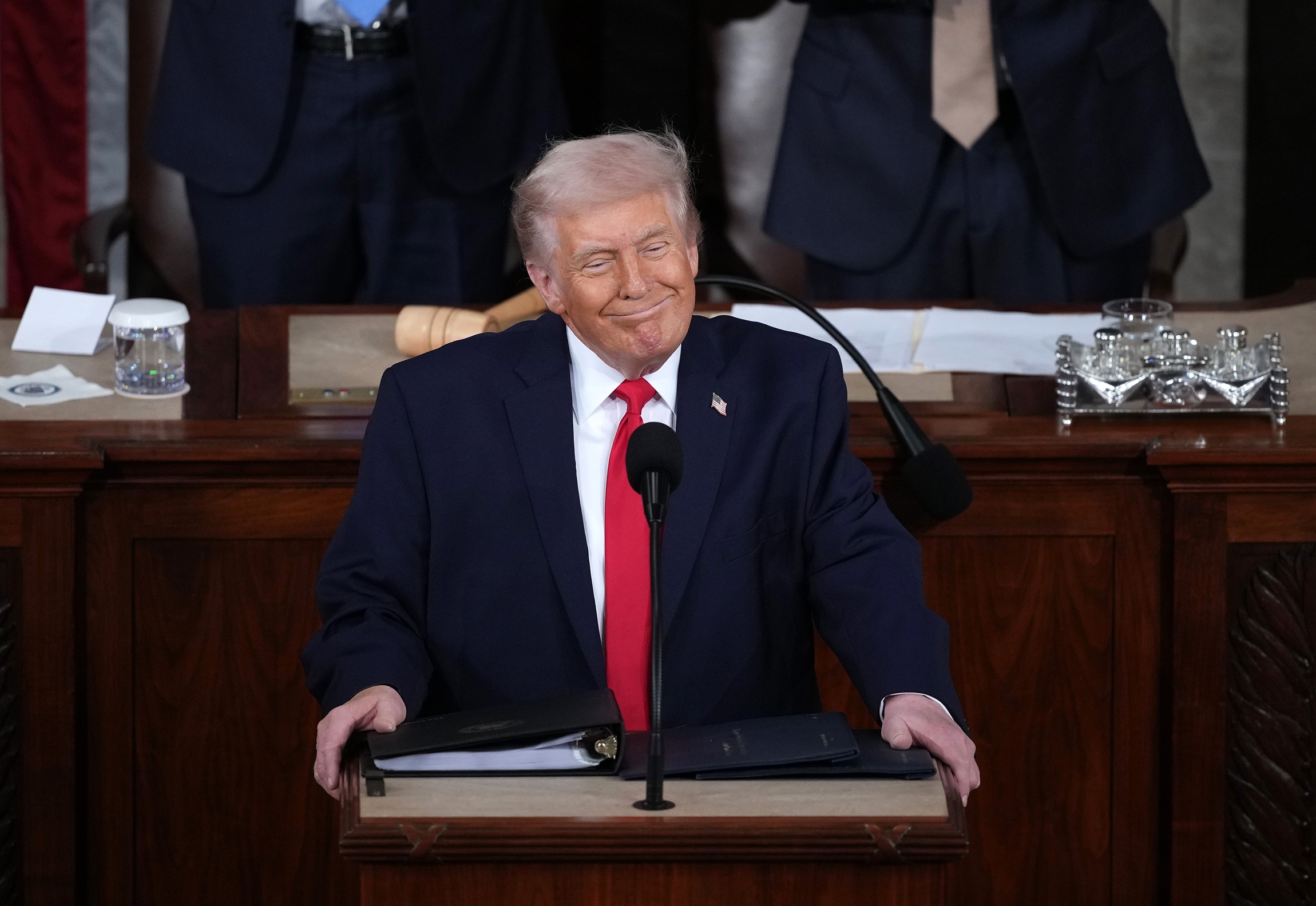
When former President Donald Trump stood before Congress and called for a ban on lawmakers profiting from insider information, the reaction was immediate and unexpected. Lawmakers from both sides of the political aisle rose in a rare bipartisan standing ovation, signaling a shared concern about trust, ethics, and financial transparency in government. The moment suggested a turning point, one where both Democrats and Republicans might finally agree on closing long criticized loopholes that allow elected officials to benefit from privileged information.
But as the applause faded and analysts began to examine the details of the proposed legislation, a different narrative started to emerge. What initially appeared to be a bold step toward accountability quickly became a subject of intense scrutiny. Critics argue that despite its strong messaging, the bill may fall far short of its intended goal, raising a deeper question: is this real reform, or simply the appearance of it?
What the Proposed Ban Actually Includes
The legislation, commonly referred to as the Stop Insider Trading Act, aims to restrict members of Congress, along with their spouses and dependents, from purchasing individual publicly traded stocks while in office. On the surface, this sounds like a meaningful safeguard against conflicts of interest. After all, lawmakers are often in positions where they can influence markets through policy decisions, regulatory changes, or access to confidential briefings.
However, the details reveal significant limitations. One of the most controversial provisions is that lawmakers are still allowed to retain stocks they owned before entering office. This means that even if they cannot buy new shares, they may still benefit financially from decisions they help shape. The law also permits them to sell these assets, provided they give advance notice, typically about a week.
This distinction is crucial. It creates a scenario where lawmakers can still align their legislative actions with personal financial interests, even without actively trading new stocks. Critics argue that this undermines the very purpose of the ban.
Why Existing Investments Could Still Influence Decisions
Allowing lawmakers to keep pre existing stock holdings introduces a subtle but powerful conflict. Even without buying new shares, elected officials may still have a vested interest in industries or companies tied to their portfolios. This could influence how they vote on regulations, subsidies, or oversight measures.
For example, a lawmaker holding significant shares in a pharmaceutical company might support policies that benefit that sector, whether consciously or not. While such actions may not technically violate the law, they raise ethical concerns about whether public decisions are being made in the best interest of citizens or personal wealth.
This issue highlights a broader challenge in governance. Financial incentives, even indirect ones, can shape behavior in ways that are difficult to regulate. By not requiring lawmakers to fully divest, the bill leaves room for these influences to persist.
The Controversy Around Family-Based Trading Loopholes
Another major concern involves the ability of lawmakers to conduct financial activity through extended family members. Under the current proposal, restrictions apply primarily to spouses and dependent children. However, lawmakers could still potentially channel investments through parents or other relatives.
This creates what critics describe as a form of indirect trading. By placing assets under a family member’s name, lawmakers could continue to benefit from market gains while technically complying with the law. Over time, these assets could return to them through inheritance or other legal means.
Such arrangements are difficult to monitor and even harder to prove as intentional workarounds. As a result, they represent a significant loophole that could weaken enforcement and reduce public confidence in the system.
A Narrow Focus That Leaves Other Branches Untouched
Perhaps one of the most surprising aspects of the proposal is its limited scope. The bill focuses primarily on members of Congress, leaving other branches of government largely unaffected. This means that officials in the executive and judicial branches are not subject to the same restrictions.
Given that individuals in these branches also have access to sensitive information, this omission has raised questions about fairness and effectiveness. If the goal is to prevent insider advantages across government, critics argue that any meaningful reform should apply broadly, not selectively.
By excluding these groups, the legislation risks creating an uneven standard of accountability. It may also shift scrutiny toward Congress while leaving other potential areas of concern unaddressed.
Alternative Proposals Offer a Stricter Approach

In response to these concerns, several lawmakers have introduced alternative bills that take a more comprehensive stance. One such proposal, known as the Restore Trust in Congress Act, aims to go further by prohibiting not only trading but also ownership of individual stocks by lawmakers and their immediate families.
Under this approach, officials would be required to divest from individual securities entirely. However, they would still be allowed to invest in diversified options such as mutual funds, exchange traded funds, and government bonds. These types of investments are generally considered less susceptible to conflicts of interest because they are spread across multiple assets.
Supporters of this model argue that it strikes a better balance between allowing financial participation and maintaining ethical standards. By removing direct ownership, it reduces the likelihood that policy decisions could benefit specific personal investments.
The Rise of the No Getting Rich in Congress Act
Another proposal gaining attention is the No Getting Rich in Congress Act, which expands restrictions even further. Unlike the Stop Insider Trading Act, this bill applies not only to lawmakers but also to the president and vice president, as well as candidates running for federal office.
It prohibits the buying and selling of individual stocks, commodities, futures, and even cryptocurrency. Additionally, it includes strict reporting requirements and enforcement mechanisms, with penalties for violations. The bill also extends ethics rules to cover spouses and dependents more comprehensively, addressing some of the loopholes identified in earlier proposals.
One notable feature is its stance on corporate involvement. Lawmakers and their spouses would be barred from serving on corporate boards, reducing another potential avenue for conflicts of interest. This broader approach reflects a growing demand for transparency and accountability across all levels of government.
Why Public Trust Is at the Center of the Debate

At its core, the debate over stock trading bans is not just about financial regulations. It is about trust. In recent years, public confidence in government institutions has been challenged by concerns over transparency, ethics, and fairness.
When lawmakers are perceived to benefit financially from their positions, it can erode trust in the democratic process. Citizens may begin to question whether decisions are being made for the public good or personal gain. This perception alone can have significant consequences, even if no laws are technically broken.
Efforts to address insider trading are therefore seen as an opportunity to rebuild that trust. However, for these efforts to be effective, they must be both comprehensive and enforceable.
The Challenge of Balancing Ethics and Practicality
Designing a policy that eliminates conflicts of interest without discouraging qualified individuals from entering public service is a complex task. Some lawmakers argue that overly strict rules could deter experienced professionals from running for office, particularly those with extensive financial backgrounds.
Others counter that public service should come with sacrifices, including limits on personal financial activity. They argue that the integrity of the system is more important than individual convenience.
This tension highlights a broader dilemma in governance. How do you ensure ethical behavior while maintaining a system that attracts capable leaders? The answer is not simple, and it continues to shape the discussion around these proposals.
What Happens Next for These Legislative Efforts
As multiple bills compete for attention, the future of stock trading reform remains uncertain. Lawmakers must navigate political differences, public expectations, and practical considerations as they work toward a solution.
The outcome will likely depend on a combination of factors, including public pressure, media scrutiny, and internal negotiations within Congress. While there is clear momentum for change, the form that change will take is still being debated.
What is certain is that the issue is unlikely to disappear. As long as concerns about insider advantages persist, calls for reform will continue to grow louder.
A Turning Point or Another Missed Opportunity
The push to ban stock trading among lawmakers represents a significant moment in the ongoing effort to improve government transparency. It reflects a recognition that the current system may not adequately protect against conflicts of interest.
However, the effectiveness of any reform will depend on its ability to close loopholes and apply standards consistently across government. Without these elements, even well intentioned policies risk falling short.
As the debate continues, the question remains whether this moment will lead to meaningful change or become another example of reform that promised more than it delivered. For many observers, the answer will shape not only the future of financial ethics in government but also the level of trust citizens place in those who represent them.