

Table of Contents
- When the House advanced another immigration crackdown
- What the House bill would do
- Why critics say current law already covers much of this
- The politics behind the bipartisan vote
- The fear that victims could be caught in the sweep
- Part of a wider effort to tighten immigration law
- The constitutional and practical questions looming ahead
- The enormous cost of mass detention and deportation
- What this bill says about the future of the immigration debate
When the House advanced another immigration crackdown
When the House moved forward with a new deportation bill focused on immigrants accused or convicted of violent acts against women and children, Washington once again found itself at the center of a fierce national argument over immigration, crime, and the meaning of public safety. Supporters framed the measure as a necessary step to protect women, children, and families from dangerous offenders. Opponents warned that behind the forceful language and emotionally charged messaging, the bill could sweep too broadly, duplicate laws already on the books, and place vulnerable victims in even greater danger.
That tension is what made the vote so striking. The measure did not pass on Republican support alone. Dozens of Democrats joined Republicans, helping deliver a bipartisan majority and showing how far the political debate on immigration had shifted after the 2024 election. For Republican leaders, the bill was more than a piece of legislation. It was a test of momentum in the opening days of a new Congress, and a signal that immigration enforcement would remain one of the party’s defining priorities as Donald Trump prepared to return to the White House.
But as often happens with politically explosive bills, the headline only told part of the story. Beneath it sat a more complicated fight over what the measure would actually do, who it would affect, whether it was truly necessary, and how much it could cost to enforce. What follows is not just the story of one House vote, but of a larger campaign to reshape immigration law through a series of narrower, high impact bills designed to steadily harden federal policy.
What the House bill would do
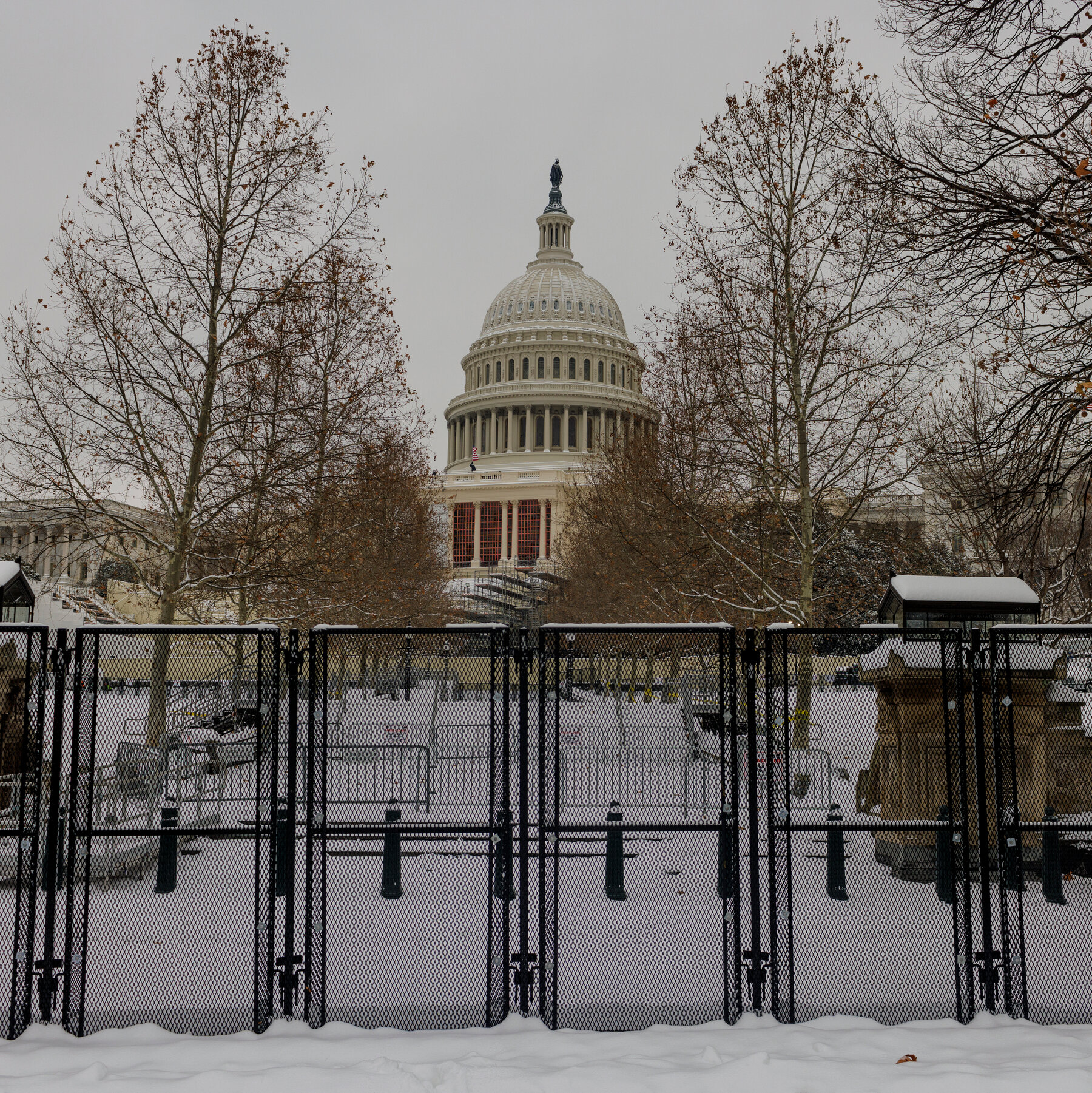
The legislation approved by the House would require deportation or denial of entry for certain immigrants with uncertain or unauthorized legal status, as well as foreign nationals, who are convicted of or admit to committing a range of offenses. Those offenses include sex crimes, domestic violence, stalking, child abuse, and violations of protection orders.
Supporters argued that the bill closes gaps in current law by using broader definitions, especially in the area of domestic violence. Its author, Representative Nancy Mace of South Carolina, contended that existing immigration law is too narrow and leaves room for dangerous individuals to remain in the country when they should be removed. Backers of the measure insisted that if lawmakers were serious about protecting women and children, the government should move quickly to deport noncitizens who engage in such conduct.
That is the message proponents wanted the public to hear. In political terms, it is a powerful one. Few issues are more emotionally potent than violence against women and children, and few slogans are more effective in Congress than those centered on safety. Yet critics immediately pointed out that the reality is more layered than the bill’s supporters suggest.
Why critics say current law already covers much of this
One of the strongest arguments against the bill is that federal immigration law already allows for the removal of immigrants with contested or unauthorized status who are found guilty of rape, sexual assault, or domestic violence. Existing law includes deportation provisions for crimes involving moral turpitude, a broad and long debated standard that has already been used in immigration enforcement.
That means the measure is not arriving in a legal vacuum. It is entering a system where the government already possesses significant authority to detain and deport noncitizens convicted of serious crimes. For opponents, that raises a basic question. If current law already provides tools to remove such offenders, why is a new bill needed at all?
Supporters answer that current standards are inconsistent and insufficiently broad. They say the new legislation makes the rules clearer and ensures more aggressive action. Critics respond that clarity is not the same thing as necessity, and that lawmakers may be packaging an already existing power as if it were a major new breakthrough. In that sense, the bill has become a symbol of a broader Republican strategy: taking narrower slices of the immigration debate and turning each one into a distinct legislative battle with strong political optics.
The politics behind the bipartisan vote

The vote itself revealed how politically sensitive immigration has become for both parties. The bill passed 274 to 145, with 61 Democrats joining all Republicans. That level of Democratic support did not happen by accident. It reflected a changing political landscape in which some Democrats, especially those from competitive districts, appear increasingly unwilling to be portrayed as weak on immigration enforcement or public safety.
Republican leaders have clearly recognized this opening. In the first days of the new Congress, they pushed a series of immigration measures designed not only to move policy, but also to force Democrats into difficult votes. Each bill has been narrow enough to sound reasonable on its face, yet broad enough to reinforce the larger Republican message that the immigration system needs a harder edge.
The strategy, at least in the House, has been effective. By focusing on crimes that trigger public alarm, Republicans have made it politically risky for Democrats to oppose them, even when civil liberties groups, immigrant advocates, and some legal experts raise serious objections. The result is a series of votes that are as much about narrative as they are about legislation. They allow Republicans to say they are acting aggressively on border and public safety issues, while placing pressure on Democrats who are still recalibrating after electoral setbacks.
The fear that victims could be caught in the sweep
For many Democrats and advocacy groups, the deepest concern is not what the bill says about offenders, but what it could mean for victims. The legislation relies on a broader definition of domestic violence, one drawn from the Violence Against Women Act. That definition covers various forms of abuse, not all of which are criminal in the same way under every circumstance. Opponents say that matters enormously.
Under current law, there are protections and exceptions that can help shield survivors who may have fought back against their abusers or been accused by those abusers in manipulative retaliation. Critics say those protections are not preserved in the same way under the new measure. In practice, that could mean an immigrant victim of domestic abuse who acted in self defense, or who became entangled in a chaotic and violent household dispute, could face devastating immigration consequences.
That concern has led several domestic violence advocacy groups to oppose the bill. Their argument is that the measure, despite being presented as a defense of women, could actually make immigrant survivors more afraid to report abuse, seek help, or defend themselves. If any contact with the criminal justice system could trigger immigration consequences, victims may stay silent rather than risk detention or deportation.
This is where the bill’s public messaging collides most sharply with its critics’ warnings. One side says the legislation protects women. The other says it could punish some of the very people it claims to defend.
Part of a wider effort to tighten immigration law

The House measure did not emerge in isolation. It is part of a sequence of immigration bills advanced by Republicans as they attempt to build a tougher enforcement framework piece by piece. In the last Congress, several of these measures passed the House but stalled in the Senate. This time, with political winds shifting, supporters hope some will go further.
Among the most prominent is the Laken Riley Act, another bill that gained bipartisan support. That legislation would require migrants accused of theft or shoplifting to be detained and potentially deported. It is named after a Georgia nursing student whose killing by a migrant who had entered the country illegally became a rallying point for advocates of stricter enforcement.
The Senate also moved toward expanding the list of offenses that could trigger deportation by accusation, including assault of a law enforcement officer. Together, these measures show the direction of travel. Rather than waiting for one sweeping immigration overhaul, lawmakers are pursuing a series of targeted bills that gradually broaden detention and deportation rules. Each one addresses a specific category of conduct, but together they form a larger architecture of enforcement.
The constitutional and practical questions looming ahead
Even as Republicans press forward, major questions remain about how these measures would be implemented and whether parts of them would survive legal challenges. Critics have raised concerns about due process, especially when deportation can hinge not only on convictions but also on admissions or allegations in certain contexts.
That concern is especially sharp in cases involving complex family disputes, domestic violence incidents, or allegations that have not been fully tested through the criminal justice system. Expanding mandatory immigration consequences in such cases could invite constitutional scrutiny, particularly if enforcement becomes detached from careful case by case evaluation.
There is also the question of administrative capacity. Passing a bill is one thing. Enforcing it at scale is another. Immigration courts are already under enormous pressure, detention facilities are stretched, and federal agencies regularly face staffing and budget constraints. A law can promise immediate action, but the machinery required to carry it out is expensive, slow, and often politically contentious in its own right.
For now, supporters have largely brushed aside those practical hurdles, arguing that protecting public safety must come first. But those issues will not stay in the background forever. If these measures become law, implementation will move from rhetoric to reality, and reality tends to be far more complicated.
The enormous cost of mass detention and deportation

Perhaps the most sobering part of the debate involves money. According to a cost estimate cited by Democrats on the Senate Appropriations Committee in relation to the broader enforcement push, laws like these could require Immigration and Customs Enforcement to detain hundreds of thousands of people per year. In the case of the Laken Riley measure, the estimate suggested detention demands could rise to as many as 800,000 people annually.
That would require a dramatic expansion of detention capacity. The federal government would need tens of thousands of additional beds beyond what is currently available, along with more officers, more staff, more transportation, more court resources, and more deportation flights. The projected price tag is enormous. Estimates cited in the debate suggested costs of roughly $26 billion in the first year and more than $83 billion over three years for the Department of Homeland Security.
Those numbers matter because they reveal that immigration enforcement is not simply a question of political will. It is also a question of logistics, infrastructure, and taxpayer burden. Even people who support tougher immigration laws may ultimately ask whether the federal government has the capacity to deliver on such sweeping promises without creating new humanitarian, legal, and financial crises along the way.
What this bill says about the future of the immigration debate
The House vote made one thing unmistakably clear: immigration enforcement is no longer being debated only at the level of border crossings and asylum numbers. It is increasingly being framed through criminal law, gender based violence, and public safety. That framing gives supporters powerful moral language and places opponents on the defensive, even when those opponents are objecting to due process problems or warning about harm to victims.
In that sense, this bill is both a policy proposal and a political message. It signals the kind of legislative agenda Republicans want to build and the terrain on which they believe they can win. It also shows how much pressure Democrats are under to respond to voter frustration on immigration, even when the measures before them raise serious legal and humanitarian concerns.
What happens next will depend on the Senate, the executive branch, and eventually the courts if these measures become law. But the broader trajectory is already visible. Washington is moving toward a more punitive immigration framework, one bill at a time, with each vote expanding the boundaries of detention and deportation.
For supporters, that is overdue correction. For critics, it is a warning sign. Either way, the House’s decision was more than a routine legislative step. It was another marker in a rapidly escalating struggle over who gets to stay, who gets removed, and how far the government should go in the name of safety.