
Table of Contents
- A Small New York District Faces A Shocking Case
- What Authorities Have Alleged
- Why The School Board Connection Matters
- Longo’s Public Profile Added More Attention
- The Board Demanded Resignation
- Parents Want Answers
- Federal Charges Carry Serious Penalties
- Investigators Believe There May Be More Victims
- The Role Of Digital Platforms
- The Court Process Is Just Beginning
- Why This Story Went Viral
- The Community Impact
- A Case That Raises Hard Questions
A Small New York District Faces A Shocking Case
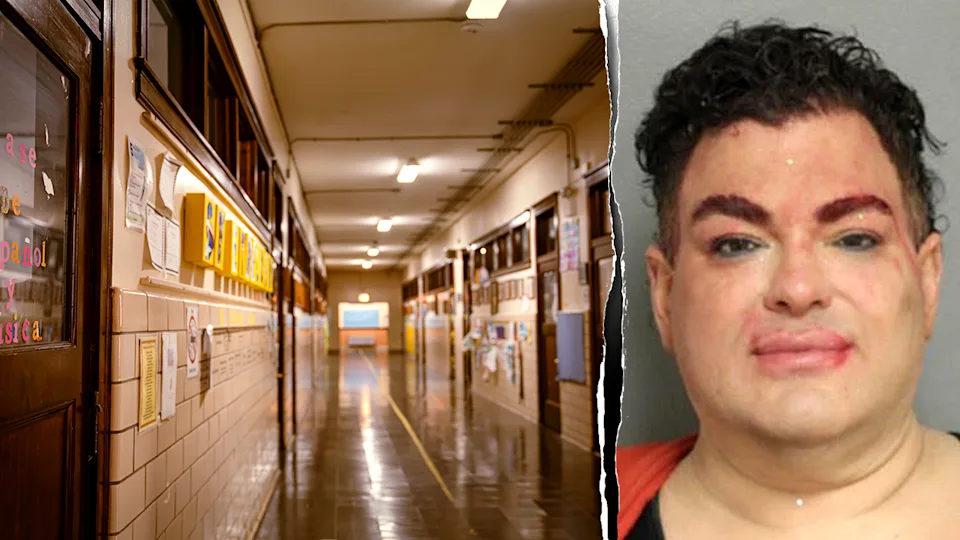
When news broke that a vice president of a New York school board had been arrested on child exploitation charges, the story immediately sent shockwaves through the Cazenovia community and far beyond. The case involves Travis J. Longo, a 46-year-old resident of Cazenovia who served as vice president of the Cazenovia Central School District Board of Education before resigning after the allegations became public.
The allegations are serious and deeply disturbing. State police say Longo was arrested after an investigation into alleged sexually explicit communications with a child under the age of 12. Federal prosecutors later said he appeared in court on charges of receiving and possessing child pornography, a legal term often referred to by child safety advocates as child sexual abuse material.
The case has drawn national attention not only because of the nature of the charges, but also because of Longo’s public role in a school district. As an elected school board member, he held a position connected to public trust, education policy, and the welfare of students. That connection is what has made the allegations feel especially painful for many parents.
What Authorities Have Alleged

According to law enforcement, the case began with a child exploitation investigation involving multiple agencies. New York State Police said Longo was arrested on June 18 and charged with four counts of endangering the welfare of a child.
Investigators said the charges stemmed from allegations that Longo had engaged in a pattern of sexually explicit communications with a child under the age of 12. Police also said they believe there may be additional victims and asked anyone with information to contact investigators.
Federal prosecutors then announced that Longo appeared in federal court on June 20 on charges of receiving and possessing child pornography. Prosecutors said investigators found numerous images and videos on a phone that had been seized by New York State Police.
Because the subject matter involves minors, officials have limited the level of detail released publicly. That is appropriate. Cases involving child exploitation should be reported carefully, without graphic descriptions and without identifying victims.
Longo has not been convicted. The allegations will now move through the courts, where prosecutors must prove their case and the defense will have the opportunity to respond.
Why The School Board Connection Matters
The reason this case has drawn such intense attention is not only the criminal allegation. It is the position Longo held at the time. School board members help shape district policy, vote on budgets, influence leadership decisions, and represent the community’s trust in public education.
Parents expect schools to be safe places. They expect adults connected to school leadership to protect children, not become the subject of child exploitation investigations. That is why the allegations have created such a strong emotional reaction.
The U.S. Attorney’s Office specifically noted Longo’s role as school board vice president in its announcement. Federal officials framed the case as an alleged betrayal of public trust. For many families in Cazenovia, that may be the hardest part to process.
A school board is not the same as a classroom, but it is still part of the system parents rely on. When someone in that system is accused of harming or exploiting children, the fear reaches beyond one household. It shakes confidence in the structures meant to protect students.
Longo’s Public Profile Added More Attention

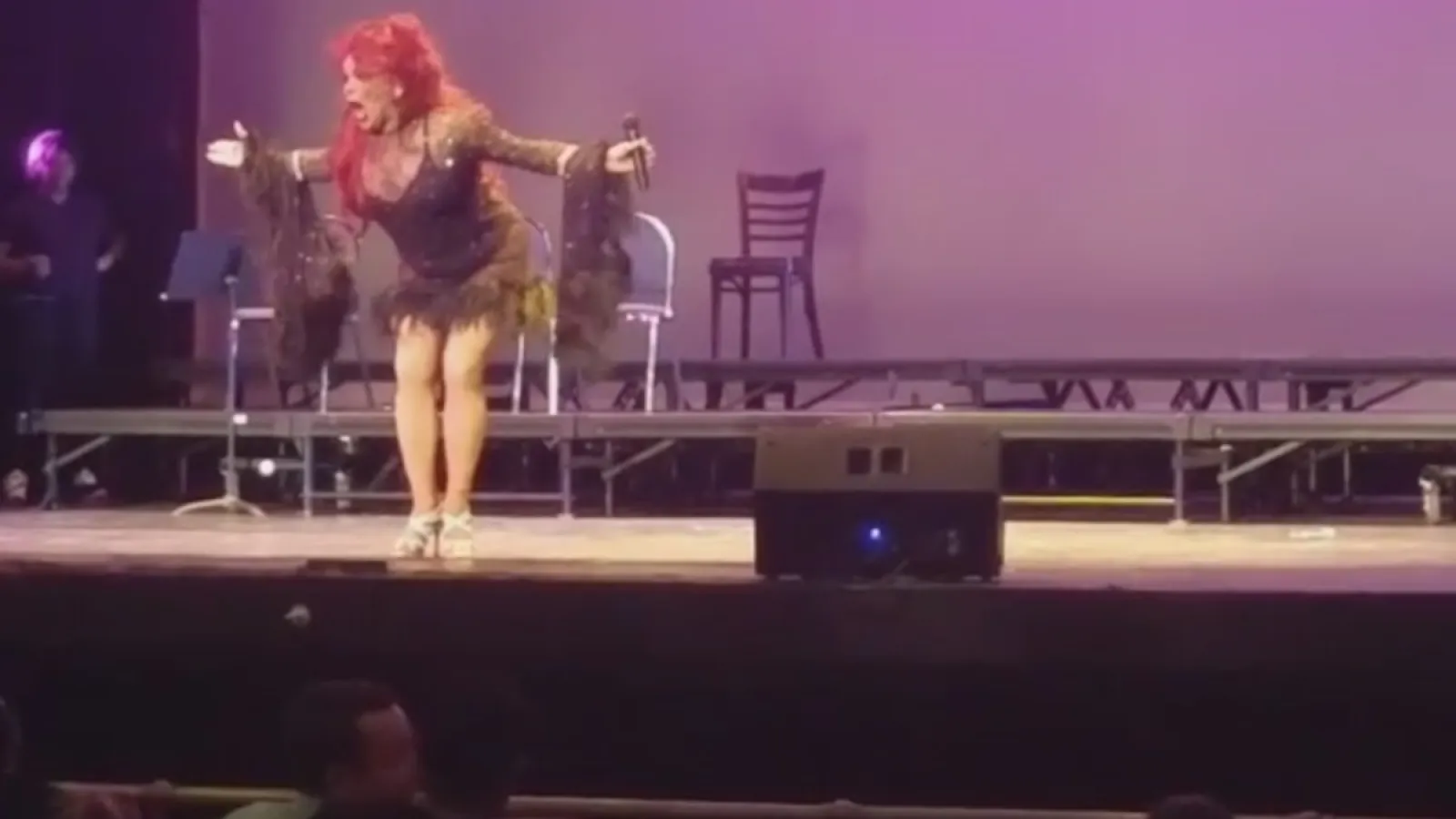
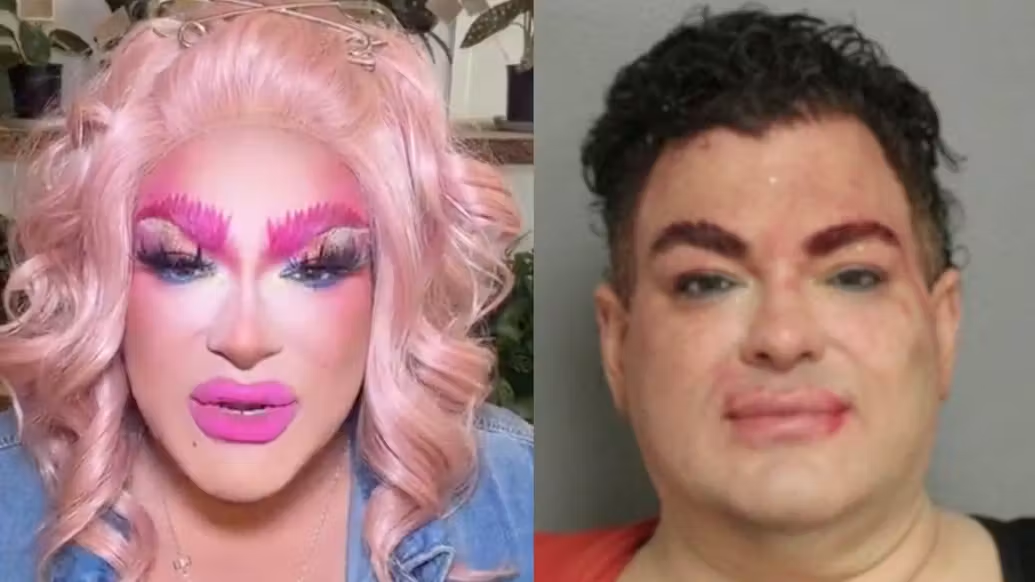
Longo had a visible public profile before the arrest. He was elected to a three-year term on the Cazenovia school board in May 2024. He was also known in media appearances and community events for performing under the stage persona Anita Buffem and had been described as the first drag performer elected to a public school board.
That part of his identity has become a major focus in some headlines. However, it is important to separate public biography from criminal allegations. The charges are against Longo as an individual. They should not be used to smear an entire group of people, a form of performance, or a broader community.
At the same time, because Longo himself publicly referenced that part of his profile and because it appeared in prior coverage, it has become part of how the case is being discussed nationally.
The central issue remains the same regardless of his public persona: a school board official is accused of serious crimes involving children, and the court process will determine what can be proven.
The Board Demanded Resignation
After the allegations became public, the Cazenovia Board of Education moved quickly to distance the district from Longo. The board demanded his immediate resignation and said it was prepared to pursue legal removal if he did not step down.
Longo ultimately resigned from the board on June 22. According to local reporting, the resignation came after an emergency meeting and after the board had prepared to begin formal removal proceedings.
The board’s statement expressed shock, sadness, and outrage. It also emphasized support for children and families involved, while acknowledging that the courts must determine guilt or innocence.
For parents, the resignation may provide some immediate relief, but it does not answer all the questions. Many will still want to know what the district knew, what safeguards exist, whether background checks should be expanded, and how school systems can better respond when allegations involve public officials.
Parents Want Answers
Cases like this often leave communities with a painful mix of anger, fear, and confusion. Parents may ask how someone accused of such conduct could hold a public education role. They may also wonder whether any warning signs were missed.
School board members are elected, not hired in the same way teachers or school employees are. That can create gaps in public understanding about what screening applies to board candidates and what legal tools exist if a board member later faces serious allegations.
Some parents in the Cazenovia community have reportedly voiced frustration over the board’s handling of the situation. That reaction is understandable. When children are involved, families often want immediate answers, not procedural explanations.
But public institutions also have legal limits. A district must protect students and communicate with families, while avoiding actions that could interfere with an active investigation or violate privacy rights.
That balance can feel unsatisfying in the middle of a crisis, especially when allegations are as serious as these.
Federal Charges Carry Serious Penalties
The federal charges against Longo are severe. Prosecutors said the receipt charge carries a mandatory minimum sentence of five years in federal prison if convicted. Both federal counts carry a maximum sentence of 20 years, along with possible fines, supervised release, and sex offender registration requirements.
Those penalties reflect how seriously federal law treats cases involving child sexual abuse material. Authorities often emphasize that these materials are not simply illegal images. They are records of abuse involving real children who may be harmed again each time the material is viewed, stored, or shared.
That is why child safety experts often prefer the phrase child sexual abuse material instead of child pornography. The word pornography can wrongly suggest consent or adult sexual content. In these cases, there is no consent. The victims are children.
Federal authorities said the case is being handled as part of Project Safe Childhood, a nationwide initiative focused on combating child exploitation and abuse online.
Investigators Believe There May Be More Victims
One of the most important details from the New York State Police announcement is that investigators believe there may be additional victims who had contact with Longo. Police asked anyone with information to contact the Troop D Headquarters and reference the case number.
That request shows the investigation may still be expanding. In child exploitation cases, digital devices, messaging platforms, social media accounts, and witness statements can reveal additional contacts over time.
This is also why investigators often move carefully. They must identify potential victims, protect privacy, preserve evidence, and avoid releasing information that could harm children or weaken the case.
For families in the community, the possibility of additional victims is frightening. It may lead parents to check devices, ask children difficult questions, or revisit past interactions. Experts often advise parents to approach children calmly, avoid leading questions, and contact law enforcement or child advocacy professionals if they have concerns.
The Role Of Digital Platforms
This case also highlights the dangers of digital communication involving minors. Authorities have described allegations involving online messages and material received through an internet-based messaging application.
Digital platforms can create hidden spaces where adults communicate with minors in ways parents may not immediately see. Even when children are physically safe at home, online contact can create serious risks.
That does not mean every app is dangerous or every online friendship is suspicious. It means parents, schools, and communities need to take digital safety seriously. Children should know they can tell trusted adults if someone sends inappropriate messages, asks them to keep secrets, requests images, or makes them feel uncomfortable.
The internet has changed how exploitation cases begin, how evidence is found, and how offenders may attempt to hide. It has also given investigators new tools to identify and prosecute abuse.
The Court Process Is Just Beginning

The case is now moving through federal and state legal systems. Longo appeared in federal court by video and was detained pending further proceedings. The state charges related to child endangerment remain part of the broader legal picture.
At this stage, the public should be careful not to treat allegations as convictions. The evidence must be tested in court. The defense may challenge searches, evidence, intent, identification, or other parts of the government’s case.
That legal caution does not minimize the seriousness of the accusations. It simply reflects how criminal justice works. In the United States, even the most disturbing allegations must be proven through lawful process.
For the victims and families potentially involved, that process can be long and painful. For the Cazenovia community, it may take time to rebuild trust and understand how such a case reached a public leadership position.
Why This Story Went Viral
The story spread quickly because it combines several powerful elements: children, an elected school official, digital exploitation allegations, a small community, federal charges, and a public figure whose identity had already attracted media attention.
It is the kind of case that generates outrage instantly. But outrage must be directed carefully. The focus should remain on protecting children, supporting victims, and allowing the legal system to determine guilt or innocence based on evidence.
The most dangerous version of this story would be one that turns into political weaponry or broad stereotyping. The most useful version is one that asks hard questions about child safety, digital risks, public trust, and how communities respond when serious allegations surface.
A case like this should not become a tool for attacking unrelated people. It should become a reminder that child protection requires vigilance everywhere, including in trusted institutions.
The Community Impact
Cazenovia is now dealing with more than a criminal case. It is dealing with a crisis of trust. Families may feel betrayed, students may hear confusing or frightening conversations, and school leaders must reassure the public while cooperating with investigators.
The district’s response will matter. Clear communication, support for affected families, and transparency about policy improvements can help rebuild confidence. Silence or defensiveness can make fear worse.
At the same time, leaders must be careful not to release private information about minors or make statements that could complicate legal proceedings. That creates a difficult communication challenge.
The board’s immediate demand for resignation showed urgency. But the community may still expect a broader review of safeguards, especially around how elected officials interact with students and families.
A Case That Raises Hard Questions
The arrest of Travis J. Longo has left a New York community shaken and parents demanding answers. The charges are still allegations, but their seriousness has already changed the Cazenovia school district and placed a former board vice president at the center of a federal and state criminal case.
The most important issue now is the protection of children and the integrity of the investigation. If there are additional victims, they must be identified and supported. If evidence proves the charges, accountability must follow. If parts of the case are disputed, they must be tested in court.
This story is disturbing because it touches the deepest fear parents have: that someone connected to a trusted institution could be accused of exploiting the very children the system is supposed to protect.
As the case continues, the public should remember that behind the headlines are children, families, and a community trying to understand what happened. The court will decide guilt or innocence. But the broader lesson is already clear: trust in schools must be protected not only with words, but with accountability, transparency, and constant vigilance.