
Table of Contents
- A Deadly Outbreak That Has Experts Worried
- What Is Ebola?
- Why Bundibugyo Changes The Response
- The Numbers Are Rising Fast
- Contact Tracing Is Falling Behind
- Conflict Makes Everything Harder
- Mistrust Is Fueling The Crisis
- Funding Has Become A Major Weakness
- Health Workers Are At Risk
- Why This Could Become The Worst Ever
- Uganda’s Cases Raise Regional Concern
- Vaccines And Trials Offer Hope, But Not A Quick Fix
- What The World Needs To Do Now
- A Warning The World Should Not Ignore
A Deadly Outbreak That Has Experts Worried
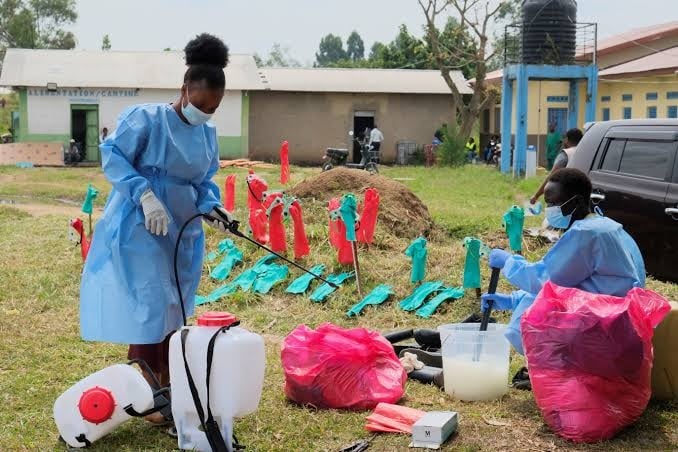
When health officials warned that the latest Ebola outbreak could become the worst in history, the world took notice. The warning was not based on panic or speculation. It came as the virus spread across parts of the Democratic Republic of Congo and into neighboring Uganda, with cases rising faster than health workers could trace contacts, isolate patients, and reassure frightened communities.
The outbreak is caused by the Bundibugyo species of Ebola, a rarer form of the virus that has appeared before but has not received the same vaccine and treatment investment as the more familiar Zaire species. That difference matters deeply. In previous major Ebola outbreaks, vaccines and targeted treatments helped change the trajectory. This time, responders are facing a deadly virus without an approved vaccine or specific treatment for this strain.
The result is a dangerous mix: a fast-moving outbreak, conflict-hit regions, displaced populations, weak funding, public mistrust, and exhausted health workers trying to contain a disease that can spread through bodily fluids and remain infectious after death.
What Is Ebola?
Ebola disease is a severe viral illness that can cause fever, weakness, vomiting, diarrhea, internal damage, and in some cases bleeding. It spreads through direct contact with the bodily fluids of someone who is sick or has died from the disease. That includes blood, vomit, stool, saliva, sweat, and other fluids.
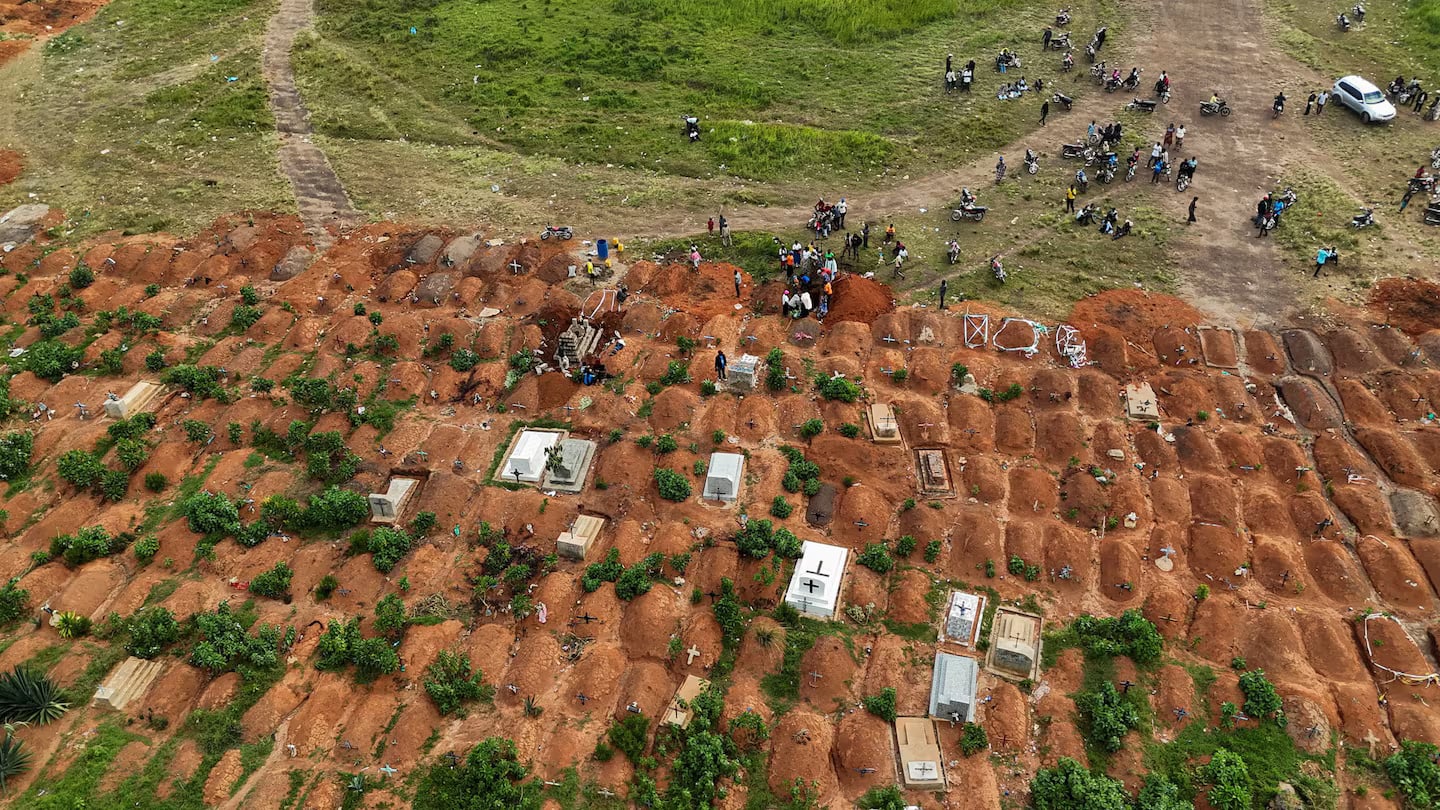
The disease is especially feared because it can kill quickly and because traditional caregiving and burial practices can unintentionally increase transmission. Families often care for sick relatives at home before they realize Ebola is involved. After death, loved ones may wash or touch the body as part of burial customs, which can expose them to the virus.
There are different species of Ebola virus. The Zaire species caused the massive West Africa outbreak from 2014 to 2016 and the major DRC outbreak from 2018 to 2020. The current outbreak is caused by Bundibugyo virus, which has been recorded far less often.
That rarity is part of the problem. Because it has caused fewer outbreaks, it has attracted less research funding, fewer clinical trials, and fewer ready-to-use medical tools.
Why Bundibugyo Changes The Response
The current outbreak is different because the Bundibugyo species does not yet have an approved vaccine or specific treatment. That leaves health teams relying heavily on classic outbreak control methods: finding cases, isolating patients, tracing contacts, protecting health workers, supporting patients with fluids and care, and educating communities.
Those measures can work, but they depend on speed and trust. If patients are identified early, isolated safely, and treated supportively, chains of transmission can be broken. If cases are missed, hidden, or discovered late, the virus can move through families, clinics, markets, mining communities, refugee camps, and border areas before authorities catch up.
Experts have also warned that Bundibugyo infection can be harder to spot because symptoms may overlap with common illnesses such as malaria. If people do not see the bleeding they associate with Ebola, some may believe the outbreak is exaggerated or fake. That confusion can delay treatment and increase community spread.
In an outbreak, delay is dangerous. Every missed case can create new contacts. Every untraced contact can become the next cluster.
The Numbers Are Rising Fast
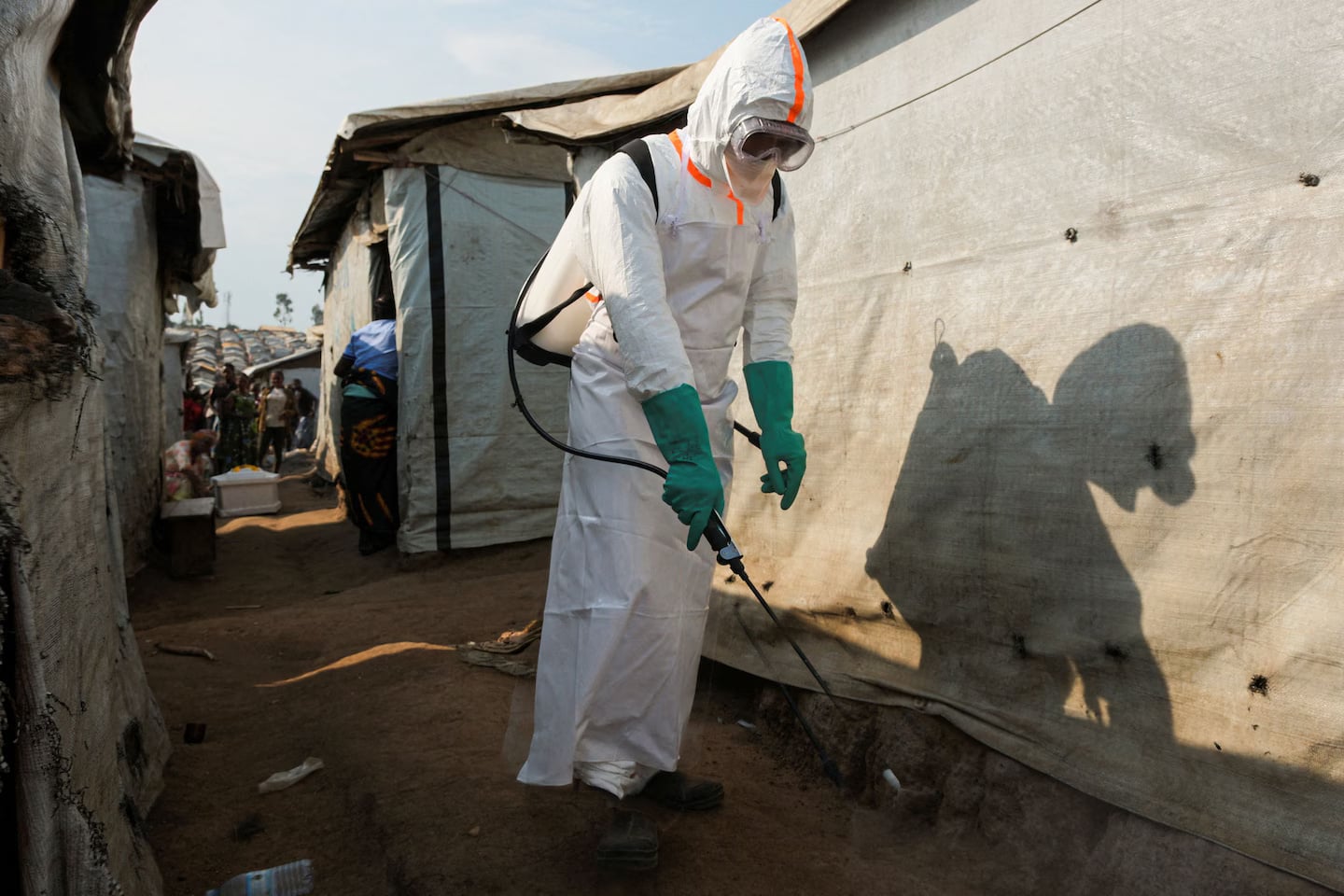
The figures have changed quickly. Earlier reports counted hundreds of infections and nearly 200 deaths in DRC. By late June, newer official data reported more than 1,100 confirmed cases and more than 300 deaths in the country, with additional cases reported in Uganda.
Numbers during an outbreak can shift for several reasons. Sometimes cases rise because the virus is spreading. Sometimes they rise because testing improves and a backlog of samples is processed. Often, both things happen at once.
That is what makes this outbreak so worrying. Health officials are not only seeing more confirmed cases. They are also warning that the real number may be higher because contact tracing is incomplete in areas affected by conflict and displacement.
In Ebola control, confirmed numbers are only one part of the picture. The hidden cases matter just as much. If people are sick but not counted, the outbreak may be bigger than the official figures suggest.
Contact Tracing Is Falling Behind
Contact tracing is one of the most important tools in an Ebola outbreak. When someone tests positive, health workers try to identify everyone who had close contact with that person. Those contacts are then monitored for symptoms so they can be isolated quickly if they become sick.
This system depends on access, trust, and staffing. In peaceful settings, it is difficult. In conflict zones, it can become nearly impossible.
Africa CDC officials have warned that thousands of contacts may be missing from follow-up. That means health teams do not know where some exposed people are, whether they are sick, or whether they are spreading the virus to others.
This is one reason experts fear the outbreak could grow beyond previous disasters. Ebola does not need every contact to be missed. It only needs enough gaps to keep moving. In crowded communities, one undetected case can trigger a chain that is hard to stop.
Conflict Makes Everything Harder
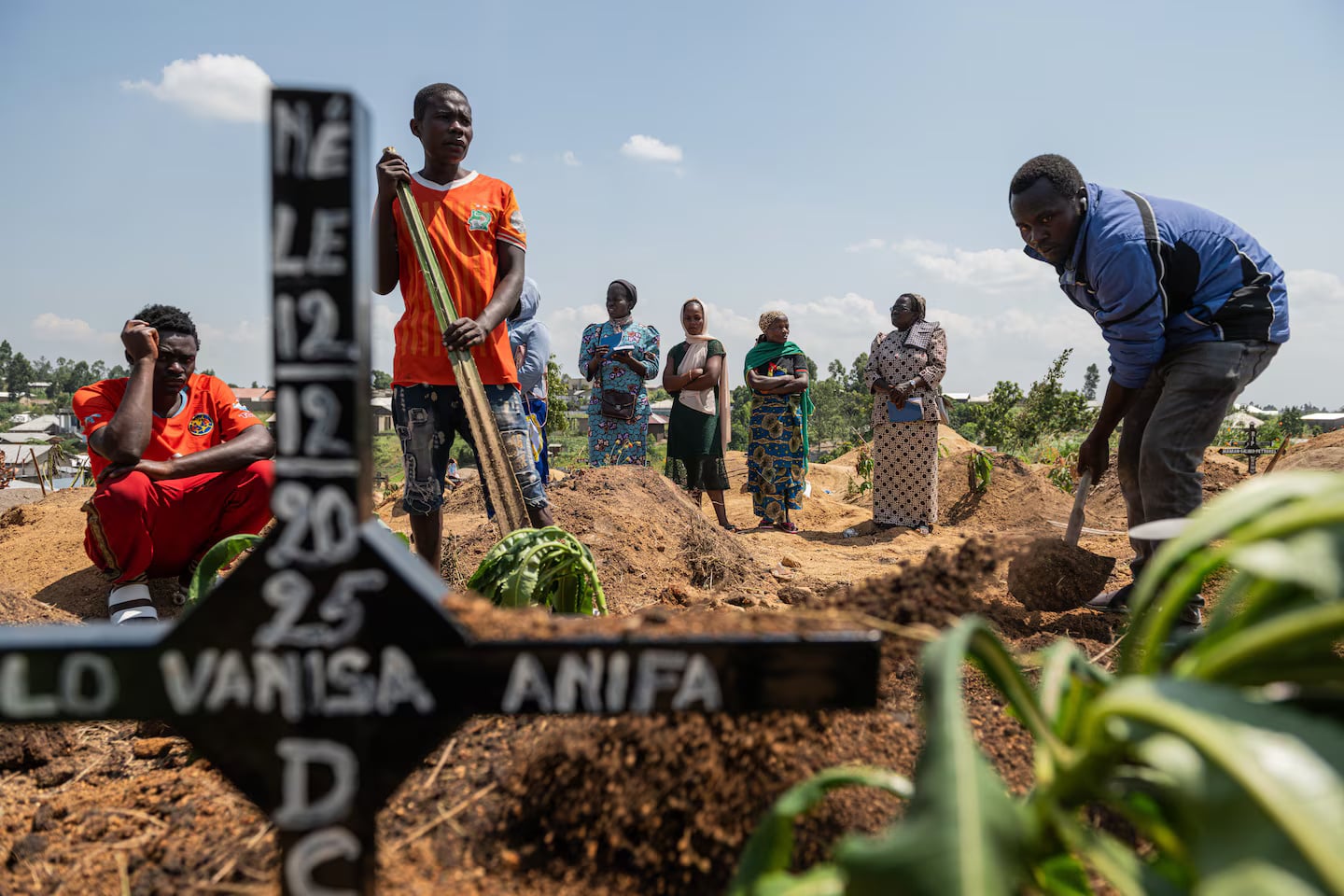
The outbreak is unfolding in areas already strained by conflict, insecurity, and displacement. Eastern DRC has long faced violence involving armed groups, including fighting that has affected roads, health facilities, and civilian movement.
For outbreak responders, insecurity changes everything. Health workers may not be able to reach certain villages. Ambulances may not move safely. Patients may flee treatment centers because they fear violence, stigma, or isolation. Supplies can be delayed. Data can become incomplete. Community engagement teams may be blocked from entering areas where they are needed most.
Displacement adds another layer. People fleeing violence may move through crowded camps, informal settlements, or border crossings. These settings can make infection control harder because families live close together and access to clean water, sanitation, and healthcare may be limited.
Ebola control requires stability. This outbreak is happening in places where stability is already fragile.
Mistrust Is Fueling The Crisis
Public mistrust has become one of the outbreak’s most dangerous accelerants. In parts of DRC, some people reportedly believe Ebola is a hoax, a government money-making scheme, or a foreign invention. Others fear that going to a treatment center means never coming home.
These beliefs do not come from nowhere. Many communities have lived through years of conflict, corruption, broken promises, and underfunded services. When health teams arrive suddenly in protective suits, restrict burials, and focus heavily on one disease while other daily needs remain unmet, suspicion can grow quickly.
That mistrust can turn violent. Reports have described attacks on treatment facilities and anger over restrictions on traditional burial practices. When communities reject health workers, the virus gains time.
This is why experts say response teams must do more than deliver medical messages. They need to listen, provide broader healthcare, support safe burials with dignity, and work through trusted local leaders.
Funding Has Become A Major Weakness
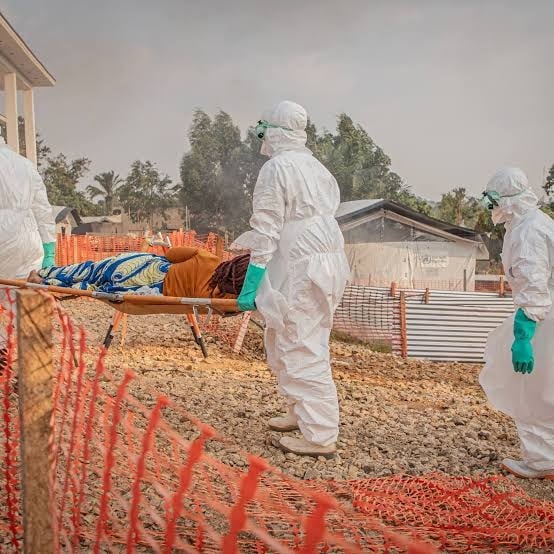
The outbreak is also unfolding at a time when global health funding is under pressure. International donors responded to the 2014 West Africa Ebola outbreak with billions of dollars in support. This time, funding has been slower and less certain.
Africa CDC initially estimated that hundreds of millions of dollars would be needed, then later raised the estimate sharply to include both outbreak control and humanitarian support. Officials have warned that pledges are not the same as money actually delivered. If funds arrive late, health workers may lose critical time.
Funding is not just about treatment centers. It pays for protective gear, lab testing, transportation, safe burial teams, contact tracers, public communication, water access, health worker training, and support for families affected by isolation or death.
Without money, even the best outbreak plan becomes a paper strategy. Ebola spreads in real time. Delayed funding can mean delayed containment.
Health Workers Are At Risk
Health workers are among the most vulnerable people in any Ebola outbreak. They care for patients before diagnoses are confirmed, handle contaminated materials, and work long hours under intense pressure.
Reports from the current outbreak indicate that healthcare workers have been infected and some have died. That is alarming because when health workers fall sick, the response loses skilled staff and communities may become even more afraid to visit clinics.
Protecting health workers requires personal protective equipment, training, infection control systems, safe triage, and enough staffing to prevent exhaustion. If clinics become places where Ebola spreads, people may avoid seeking care not only for Ebola, but also for malaria, childbirth, injuries, and other urgent conditions.
That can create a second health crisis. People may die not only from Ebola, but from ordinary medical needs that go untreated because the health system is overwhelmed or distrusted.
Why This Could Become The Worst Ever
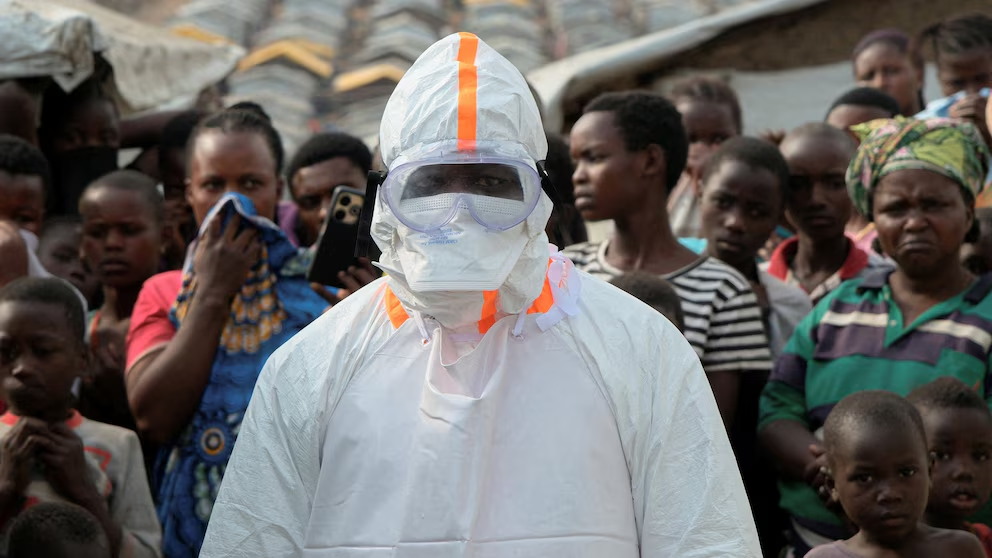
Experts are warning of a worst-case scenario because several dangerous factors are happening at once. The virus is spreading quickly. There is no approved vaccine or specific treatment for this strain. Contact tracing is incomplete. Conflict limits access. Communities are mistrustful. Funding has not fully matched the need. Health workers are under threat.
Any one of these problems would make an Ebola response difficult. Together, they create the conditions for a historic outbreak.
The West Africa outbreak of 2014 to 2016 killed more than 11,000 people and infected nearly 29,000. That disaster showed what happens when Ebola spreads in urban areas, crosses borders, and outruns early response systems.
The current outbreak has not reached that scale, but officials are worried about its trajectory. The warning is meant to prevent history from repeating itself, not to declare that the worst has already happened.
Uganda’s Cases Raise Regional Concern
The spread into Uganda has increased concern because cross-border movement can turn a national outbreak into a regional crisis. People move for trade, family, healthcare, farming, security, and survival. Borders in daily life are often more porous than they appear on maps.
Uganda has experience responding to Ebola, but even experienced health systems face danger when a neighboring outbreak is expanding. Early detection, isolation, and border surveillance become crucial.
The regional dimension is one reason Africa CDC and WHO have pushed for urgent international support. If the outbreak grows across borders, the cost of containment rises and the human toll can increase sharply.
Ebola control is most effective when action is early. Waiting until multiple countries face widespread transmission would be far more dangerous.
Vaccines And Trials Offer Hope, But Not A Quick Fix
Scientists are working on vaccine and treatment options for Bundibugyo Ebola, but these tools are not yet approved and widely available. That means they cannot currently play the same role that Zaire Ebola vaccines played in previous outbreaks.
Clinical trials may provide important data, but trials take time. They require ethical approval, logistics, cold chain systems, community consent, and careful monitoring. In an emergency, researchers and health officials must move quickly without cutting safety corners.
Even if a promising candidate is tested, it may not immediately solve the outbreak. Manufacturing, distribution, and public acceptance all matter. Communities already struggling with mistrust may be hesitant to accept an experimental vaccine unless engagement is handled carefully.
Still, the search for Bundibugyo-specific tools is essential. This outbreak has exposed a dangerous gap in Ebola preparedness.
What The World Needs To Do Now
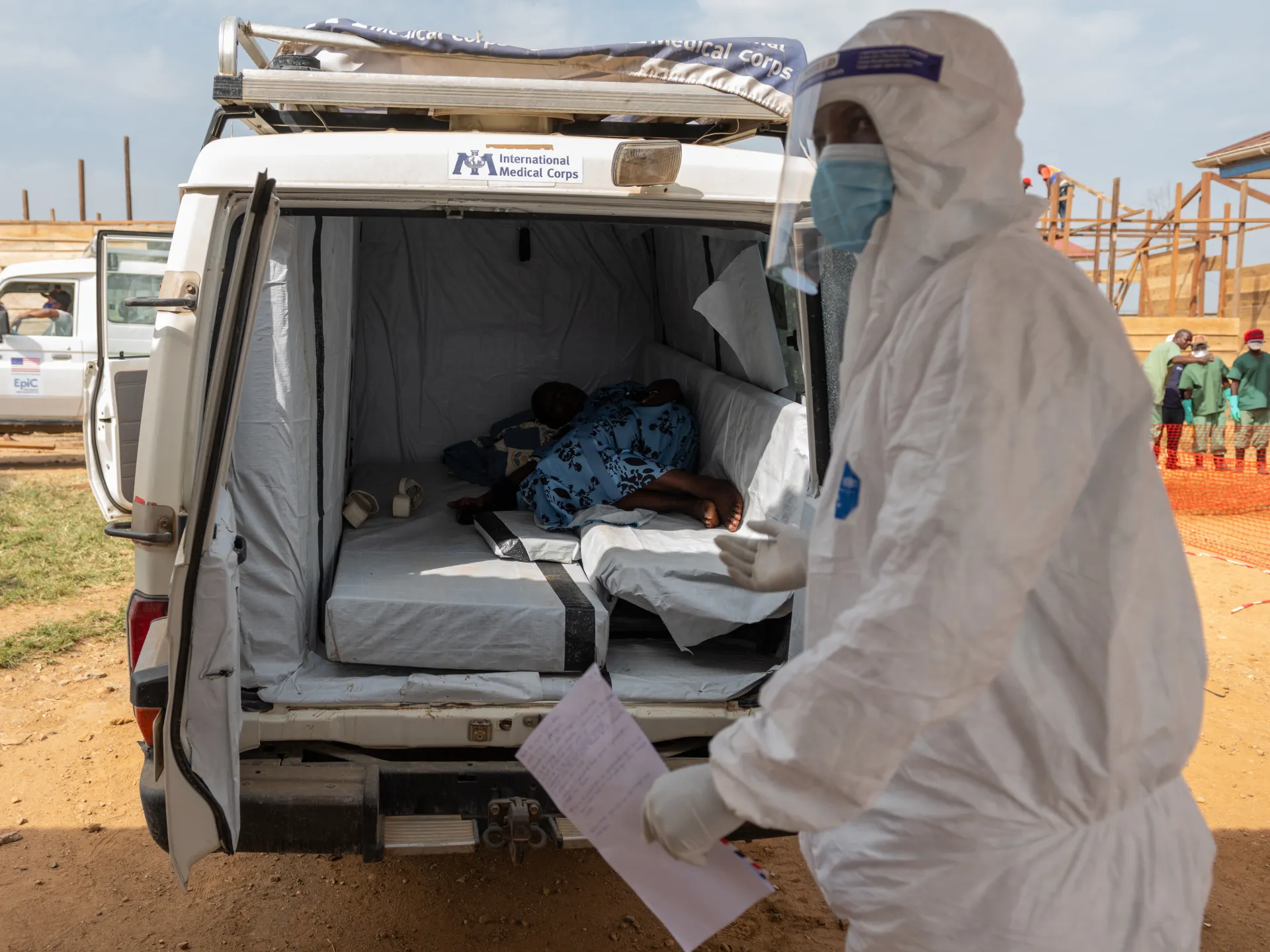
Experts say the response must move faster on several fronts. Funding must be delivered, not only promised. Health workers need protective gear and training. Contact tracing teams need access and security. Communities need trusted information. Patients need safe treatment. Families need support so isolation and safe burial rules do not feel like punishment.
The response must also address non-Ebola needs. In areas affected by conflict and poverty, people may care more urgently about food, water, malaria, childbirth, and safety than an outbreak message from outsiders. If health teams ignore those needs, mistrust can deepen.
That is why MSF and other responders emphasize listening to communities. Ebola cannot be controlled by force alone. It requires trust, care, and practical support.
A strong response must treat people not only as possible carriers of a virus, but as families living through fear, grief, poverty, and violence.
A Warning The World Should Not Ignore
The latest Ebola outbreak is a warning about what happens when a rare virus meets a fragile health system, a conflict zone, and a world distracted by other crises. It is not yet the worst Ebola outbreak in history, but experts fear it could move in that direction if containment efforts do not accelerate.
The most frightening part is that many of the problems are preventable. Contact tracing can work if teams can reach people. Patients can survive if they receive care early. Communities can cooperate if they trust responders. Funding can stop transmission if it arrives in time.
But Ebola punishes delay. Every missed case, every unprotected health worker, every underfunded clinic, and every rumor can give the virus another path forward.
The world has seen what Ebola can do when it is underestimated. The question now is whether global leaders, donors, and health agencies will act quickly enough to stop this outbreak before the warning becomes history.