
Table of Contents
- A Cold Case That Still Haunts San Francisco
- How The Doodler Got His Name
- The Victims Police Have Linked
- The Castro, Polk Gulch, And A City In Fear
- Survivors Who Could Not Step Forward
- Why Police Believe They Are Close
- The Reward Has Grown
- Why This Case Was Overlooked
- A Case About Violence And Prejudice
- The Role Of Modern Forensics
- The Families Still Waiting
- Why The Story Still Grips People
- What Happens Next
- A Mystery That Demands Justice
A Cold Case That Still Haunts San Francisco
When San Francisco police renewed attention on the unsolved case of “The Doodler,” one of the city’s darkest cold cases returned to the public eye more than 50 years after the killings began. The suspected serial killer is believed to have targeted gay men in the 1970s, luring victims from bars and social spaces before attacking them in isolated parts of the city.
For decades, the case remained overshadowed by other infamous crimes from the same era. The Zodiac Killer, the Zebra murders, and the Patty Hearst case all dominated headlines. But for San Francisco’s LGBTQ community, The Doodler represented something deeply personal and terrifying: a killer believed to have preyed on men whose lives were already made vulnerable by stigma, fear, and distrust of police.
Today, the case remains unsolved. Police have released sketches, identified a possible sixth victim, and increased the reward for information to $250,000. Investigators say they still need public help to finally identify, arrest, and convict the person responsible.
How The Doodler Got His Name
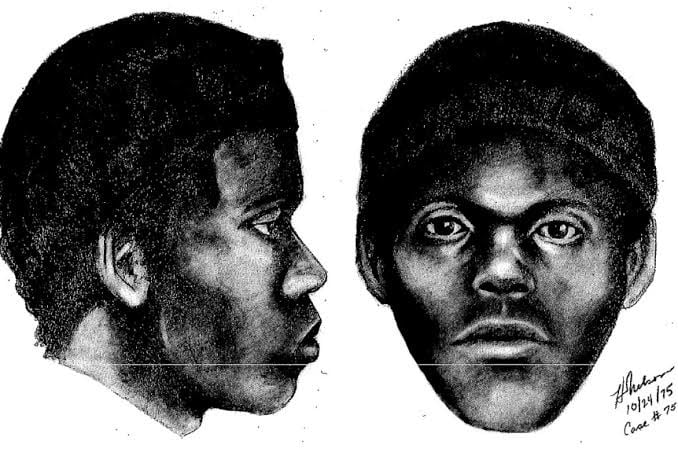
The nickname “The Doodler” came from an unusual and chilling detail reported by a surviving victim. Police said the suspect claimed to be a cartoonist and would sketch or doodle while talking with potential victims.
According to investigators and reporters who have followed the case, the suspect was believed to approach men in bars or late-night meeting places, start a conversation, draw for them, and use that as a way to build trust. That strange habit became the detail that defined him publicly.
The idea is disturbing because it shows how ordinary charm can become a tool of danger. A drawing, a conversation, a compliment, or a shared table could seem harmless in the moment. But police believe that for several men in San Francisco during the mid-1970s, those encounters led to violence.
The nickname may sound almost cartoonish, but the crimes were not. Behind it are real victims, grieving families, surviving witnesses, and a community that waited decades for answers.
The Victims Police Have Linked
San Francisco police originally linked five killings to The Doodler. In 2022, investigators said they believed Warren Andrews may be a sixth victim after a new review of the evidence.
Andrews was found unconscious at Land’s End in April 1975 after a violent assault. He never regained consciousness and died weeks later. His case had similarities to the other attacks, which is why police later connected him to the same suspected killer.
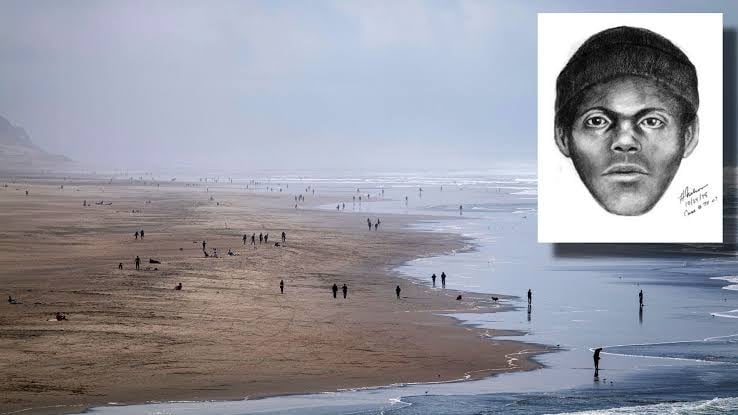
The first known homicide linked to the case occurred in January 1974. Over the following months, several more men were found dead in outdoor or coastal areas around San Francisco, including locations near Ocean Beach, Golden Gate Park, and Lincoln Park.
Police have said the victims were believed to be gay white men. That detail matters because investigators believe the victims may have been targeted because of who they were and where they socialized. It also matters because the social conditions of the 1970s made it harder for witnesses and survivors to come forward.
The Castro, Polk Gulch, And A City In Fear
The Doodler case unfolded during a pivotal time in San Francisco’s LGBTQ history. The Castro and Polk Gulch were important gathering places for gay men, offering community, nightlife, and visibility in a country where many still faced discrimination, job loss, police harassment, and family rejection.
Those neighborhoods offered freedom, but they were not free from danger. In the 1970s, being openly gay carried serious risks. Many men remained closeted. Some feared that being named in a police report, a newspaper story, or a court case could destroy their careers, families, or public reputations.
That fear shaped the Doodler investigation. Survivors reportedly helped police develop sketches, but some were reluctant to testify because doing so could publicly reveal their sexuality.
This is one of the most painful parts of the case. The killer may have benefited not only from violence, but from the silence created by prejudice.
Survivors Who Could Not Step Forward
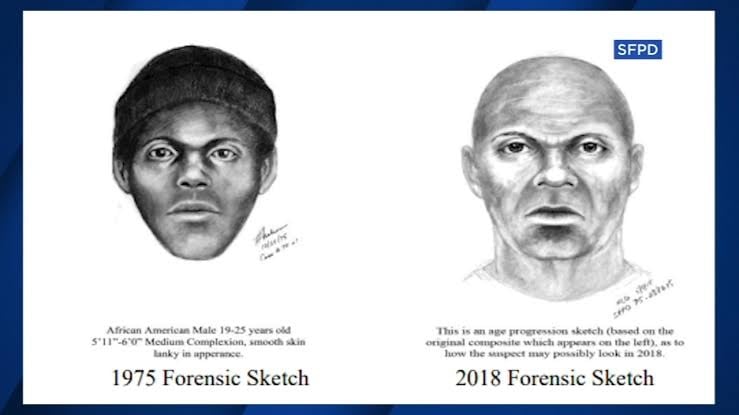
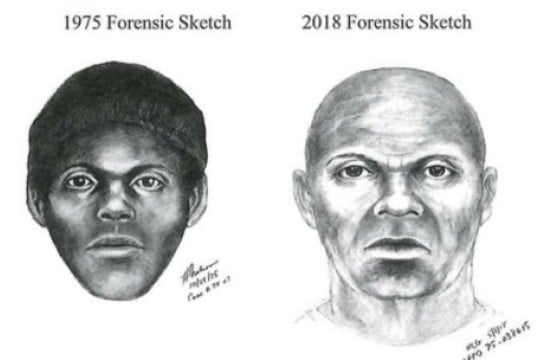
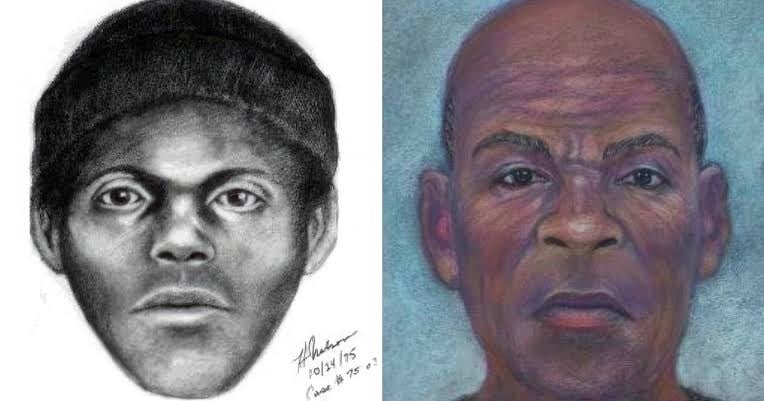
Police had surviving victims, and those survivors gave investigators valuable information. Their descriptions helped create the original sketch of the suspect in the 1970s. A later age-progressed sketch was also released to show what the suspect might look like decades later.
But the survivors reportedly did not want to testify in court. Some were said to have been prominent people who feared being publicly connected to gay bars, gay murders, or same-sex encounters. At the time, such exposure could have been life-changing.
That reluctance has often been described as one reason the case stalled. Police reportedly questioned a person of interest, but without enough evidence and without witness testimony, prosecutors could not move forward.
In today’s world, that may seem frustrating. But in the context of the 1970s, it reflects how dangerous public exposure could feel for gay men. The problem was not simply a lack of courage. It was a society that made truth feel unsafe.
Why Police Believe They Are Close
Over the years, investigators have suggested that they had a strong person of interest. Reports have said this individual was questioned in the 1970s and remained a focus of later review. However, no one has ever been charged, and police have not publicly named the suspect.
That is important. A person of interest is not the same as a convicted killer. Without enough evidence, the case remains open, and the public must be careful not to treat suspicion as proof.
Still, police have repeatedly returned to the case because new tools are now available. DNA testing, forensic genealogy, evidence reexamination, and modern cold case methods have solved crimes that once seemed impossible.
Investigators have also asked the public to come forward with tips, especially from people who may have known the suspect, heard rumors, survived an attack, or recognized details from the sketches.
In cold cases, one small memory can matter. A name, a car, a bar encounter, an old conversation, or a forgotten police contact can suddenly become the missing piece.
The Reward Has Grown
The reward in the case has changed over time. In 2019, police offered $100,000 for information. In 2022, that amount rose to $200,000 after investigators linked a possible sixth victim. In 2023, SFPD increased the reward again to $250,000.
That reward is now one of the clearest signs that police still believe the case can be solved. It is meant to encourage anyone with information to come forward, even after all these years.
Money alone does not solve a case, but it can break silence. Someone who stayed quiet because of fear, shame, loyalty, or uncertainty may reconsider when police renew attention and make it clear that the investigation remains active.
The reward also sends a message to victims’ families: the city has not closed the file and moved on.
Why This Case Was Overlooked
One reason The Doodler case is so haunting is that many Americans still know little about it. Other serial killer cases from the same era became nationally famous, but The Doodler remained less widely recognized.
Part of that was timing. San Francisco in the 1970s was dealing with multiple high-profile crime stories. Part of it was media attention. Crimes against gay men were often covered differently, minimized, or framed through stigma.
Another part was police-community distrust. Many LGBTQ people did not believe law enforcement would protect them fairly. Some had experienced harassment from police or had seen friends treated with disrespect. That history made cooperation difficult, even when a killer was targeting the community.
The result was a case that never received the same cultural spotlight as other serial murder investigations. For families and survivors, that lack of attention added another layer of harm.
A Case About Violence And Prejudice
The Doodler investigation is not only a murder mystery. It is a story about violence, prejudice, and the cost of silence. Police believe the victims were targeted because they were gay men. That makes the case part of a larger history of anti-LGBTQ violence in America.
In the 1970s, many gay men lived with daily risk. A bar could be a refuge, but also a place where predators knew people might be vulnerable. A victim might be less likely to report an attack if doing so meant explaining where he had been or whom he had met.
That fear gave violent people room to operate. It also made justice harder to reach.
This is why the case still matters today. Solving it would not only answer a criminal question. It would acknowledge lives that were ignored for too long and confront a history in which victims were not always treated with the urgency they deserved.
The Role Of Modern Forensics
Modern forensic science has transformed cold case work. DNA that once seemed useless can now be tested with greater sensitivity. Evidence once stored away can be reexamined. Genealogy databases have helped investigators solve decades-old murders by identifying relatives of unknown suspects.
Police have not publicly shared every detail of the forensic work in The Doodler case, which is normal in an active investigation. But reports have suggested that DNA and old evidence have been reviewed.
Even if DNA exists, solving the case is not guaranteed. Samples can be degraded, incomplete, contaminated, or difficult to link directly to a crime. Cold cases also face missing records, deceased witnesses, lost evidence, and fading memories.
Still, the possibility of modern testing gives investigators hope. Cases once considered impossible have been solved after 40 or 50 years. The Doodler may yet become one of them.
The Families Still Waiting
For the families of the victims, time has not erased the damage. A cold case does not become less painful simply because decades pass. Parents, siblings, friends, partners, and relatives are left with unanswered questions that can shape entire lives.
The family of Jae Stevens, one of the men linked to the case, has spoken publicly about the lasting pain. His sister has said that renewed interest gives the family some hope because for years the case received little attention.
That hope is fragile. Every new sketch, reward increase, or police appeal can reopen old wounds. But it can also bring the possibility that someone, somewhere, finally says what they know.
For families, justice may not bring back what was taken. But it can restore truth, accountability, and recognition.
Why The Story Still Grips People
The Doodler case has all the elements of a haunting true crime story: an unknown killer, a strange signature behavior, surviving witnesses, police sketches, missed opportunities, hidden evidence, and a community living in fear.
But its power comes from something deeper. It exposes how social prejudice can shape criminal investigations. It shows how victims can be overlooked when society refuses to value their lives equally. It reminds the public that silence is not always empty. Sometimes it is created by fear.
The case also feels solvable in a way that makes it frustrating. Police have sketches. They have a person of interest. They have surviving witnesses. They have modern technology. Yet the suspect has never been charged.
That tension keeps the case alive in the public imagination.
What Happens Next
The San Francisco Police Department says the case remains active. Investigators continue to ask for tips and have urged anyone with information to contact the homicide cold case unit or the department’s tip line.
The most important leads may come from people who were in San Francisco during the 1970s, people who knew the Castro or Polk Gulch bar scene, or people who remember someone matching the suspect description. Even secondhand information could matter if it helps investigators connect names, timelines, or locations.
The suspect, if still alive, would likely be an older man today. Police have released age-progressed images to help the public imagine what he might look like now.
The case may ultimately depend on a combination of science and memory. DNA may point in one direction. A witness or tipster may confirm what science cannot.
A Mystery That Demands Justice
The hunt for The Doodler is not just a search for a killer. It is a long-delayed demand for justice in a case shaped by fear, stigma, and years of unanswered questions.
For San Francisco, the case remains a wound from a time when gay men were targeted, mistrusted, and too often denied the protection they deserved. For the victims’ families, it remains a personal tragedy. For investigators, it remains a cold case that still has a chance.
The renewed reward and public appeal show that the file is not closed. The sketches still circulate. The names of the victims are still spoken. The possibility of one final tip still matters.
More than 50 years later, The Doodler remains unidentified. But the silence around the case is not as strong as it once was. The city is listening again, the public is paying attention, and the question that has haunted San Francisco for decades still waits for an answer: who was The Doodler?