
Table of Contents
- A Closed-Door Testimony Reopens Old Questions
- Why Congress Questioned Gates
- Gates Says He Was Not Blackmailed
- The Role Of Extramarital Affairs
- Epstein’s Alleged Leverage Strategy
- Why Gates Met Epstein At All
- Meetings Over Four Years
- The Boris Nikolic Connection
- Gates Disputes Epstein’s Private Notes
- A Relationship Gates Now Regrets
- The Broader Epstein Investigation
- Lawmakers Focus On Warning Signs
- Why The Story Went Viral
- What Happens Next
- A Testimony About Power, Secrets, And Regret
A Closed-Door Testimony Reopens Old Questions
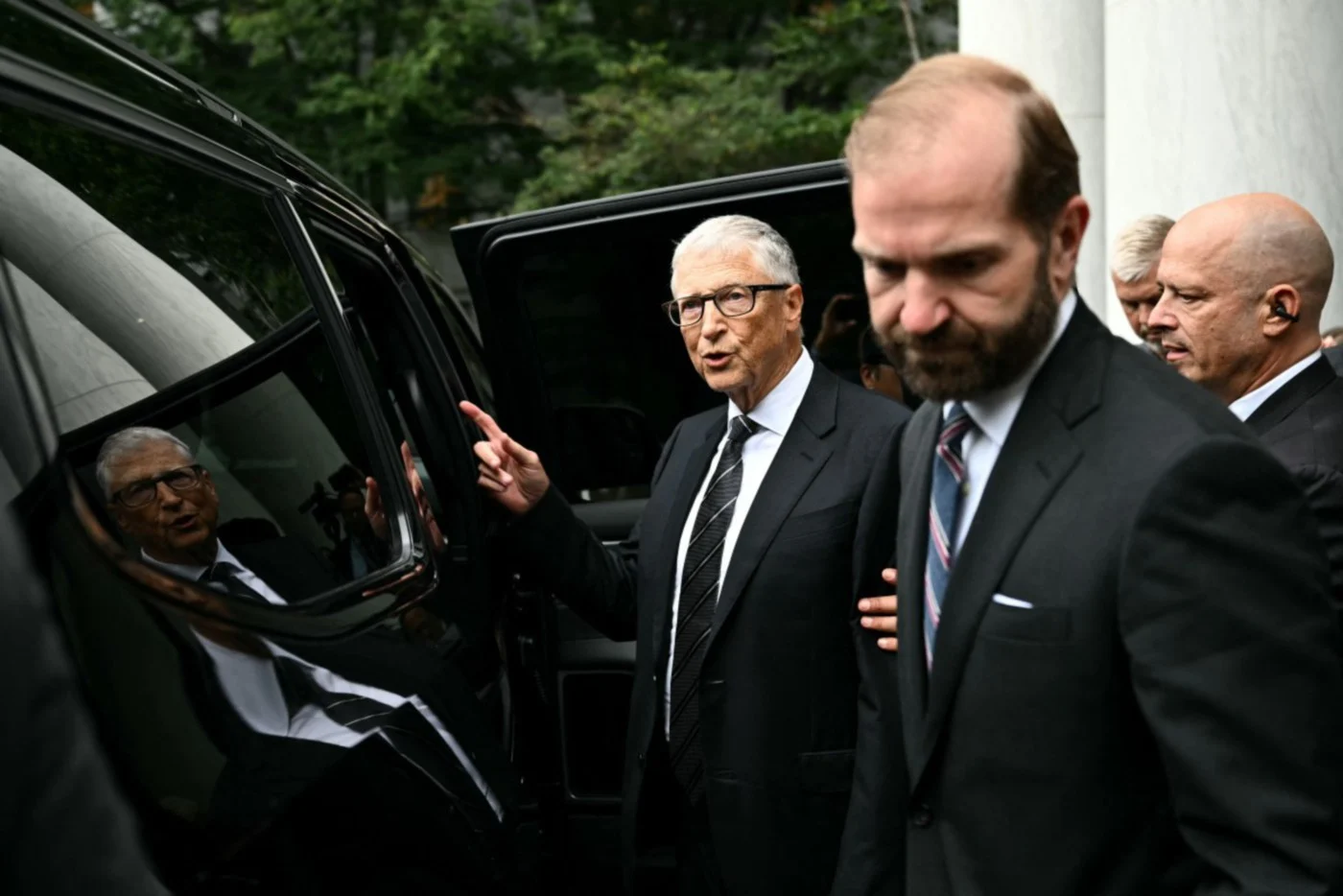
When Bill Gates appeared before the House Oversight Committee for a closed-door interview, the testimony pulled one of the world’s most famous billionaires back into the long shadow of Jeffrey Epstein. The Microsoft co-founder has spent years saying he regrets meeting Epstein, but newly released transcripts gave the public a closer look at how Gates described the relationship, why it continued, and how he believed Epstein may have tried to use private information for leverage.
The most striking part of the testimony centered on Gates’ belief that Epstein may have been considering blackmailing him over extramarital affairs. Gates was careful with his wording. He said he was not actually blackmailed, but that Epstein’s internal emails and conduct appeared to be moving in that direction.
That distinction matters. Gates did not testify that Epstein successfully forced him to do anything. Instead, he described a pattern of pressure, veiled language, personal information, and false claims that he believed Epstein could have tried to weaponize.
Why Congress Questioned Gates
The House Oversight Committee has been investigating the Jeffrey Epstein case, including how Epstein built influence, how he maintained access to powerful figures, and whether federal authorities mishandled investigations connected to him.
Gates was one of several prominent figures questioned because his name appeared in Epstein-related records and because he met with Epstein multiple times after Epstein’s 2008 conviction. Gates told lawmakers that he agreed to answer questions voluntarily and said he supported the full release of Epstein files.
His testimony was not only about what he personally did or did not know. It was also about how Epstein moved through elite circles in technology, finance, academia, and philanthropy. Gates’ name carries enormous weight, and his presence in Epstein’s orbit has long raised a difficult question: how did Epstein continue to attract powerful people after his criminal past was already known?
The committee’s goal was to understand those relationships, including whether Epstein used access, secrecy, reputation, and private information to protect himself or influence others.
Gates Says He Was Not Blackmailed
The headline-grabbing answer came when Gates addressed whether Epstein had blackmailed him. Gates said no, but he also said the available emails made it look like Epstein’s thinking was moving in that direction.
According to Gates, there was no direct threat where Epstein clearly said he would expose private information unless Gates complied. Instead, Gates described the pressure as indirect and veiled. He said Epstein used language suggesting that everyone should remain friends, while private information about Gates’ affairs appeared to sit in the background.
Gates said he confronted the possibility directly. His message, as he described it, was that Epstein would not get money from him and that if Epstein chose to talk publicly about private matters, Gates would deal with the consequences.
That testimony paints a picture of a tense break in the relationship. Gates was trying to distance himself. Epstein, according to Gates, appeared to be searching for ways to pull him back in.
The Role Of Extramarital Affairs
Gates acknowledged that he had been unfaithful during his marriage to Melinda French Gates. He said those affairs had nothing to do with Epstein and that the women involved were not connected to Epstein.
That point became central because Epstein allegedly knew about at least some of the affairs through people around Gates. Gates suggested that Epstein may have learned sensitive information from Dr. Boris Nikolic, a former close adviser to Gates who also had contact with Epstein.
Gates told lawmakers that Epstein mixed some true personal information with what Gates described as false claims. That combination, in his view, made the situation especially dangerous because false allegations could be placed next to real details, giving the entire narrative more power.
In his prepared remarks, Gates said the affairs were painful for his family. But he insisted they were separate from his interactions with Epstein, which he said were tied to potential philanthropic fundraising.
Epstein’s Alleged Leverage Strategy
The testimony suggests that Gates believed Epstein was trying to use information as a tool. In Gates’ account, Epstein was not merely gossiping. He was allegedly exploring ways to pressure Gates into re-engaging with him or supporting requests tied to donations.
One issue involved Epstein allegedly asking for reimbursement related to expenses connected to a woman Gates had an affair with. Gates said he told a key person at Gates Ventures that no payment would be made.
Another issue involved Epstein’s desire to have philanthropic donations made in his name. Gates said he had made clear that he would not do that. He also said he made a donation to MIT for reasons unrelated to blackmail, while hoping that telling Epstein about the donation might help end repeated pressure.
The testimony did not prove a completed blackmail plot. But it did provide a rare look at how Gates interpreted Epstein’s behavior: as manipulative, strategic, and increasingly focused on sensitive personal details.
Why Gates Met Epstein At All
Gates said he was introduced to Epstein in 2011 through people he trusted in his professional and philanthropic circles. According to Gates, Epstein claimed he could help raise billions of dollars for global health work by connecting Gates to wealthy donors.
At the time, Gates was deeply focused on global health and education. His foundation work relied not only on his own wealth, but also on persuading other major donors to contribute. Epstein’s promise of access to large-scale philanthropic money became the reason Gates accepted meetings.
Gates told the committee he was aware that Epstein had faced prior legal trouble, but said he did not fully understand the extent of Epstein’s crimes. He now says that was a grave error in judgment.
The promised donations never materialized. Gates said no charitable vehicle was created, no funds were raised through Epstein, and the relationship ended after it became clear Epstein could not deliver what he had promised.
Meetings Over Four Years
Gates told lawmakers he met with Epstein roughly 12 to 14 times and also had two Skype calls over a four-year period. He described the contact as limited and focused mainly on philanthropic discussions, although the testimony also covered additional interactions connected to a former employee’s exit arrangement.
Gates said he never went to Epstein’s island, ranch, or Florida home. He also said he never witnessed Epstein’s criminal conduct and never victimized anyone.
Those denials are important because Epstein’s properties and social world have become central to public understanding of the case. Gates’ position is that he met Epstein in professional contexts and failed to apply the scrutiny he should have applied before accepting access to him.
Still, critics argue that the number of meetings itself is troubling because Epstein was already a convicted sex offender. Gates’ response is that he should have known better and should never have taken the meetings.
The Boris Nikolic Connection
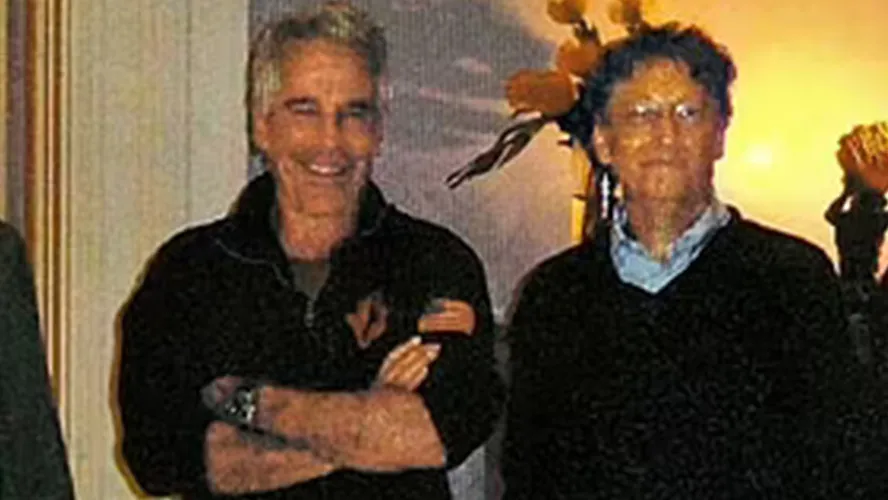
One of the more complicated parts of the testimony involved Boris Nikolic, a former Gates adviser. Gates said Epstein became involved in negotiations related to Nikolic’s exit from Gates’ private office, even though Gates said he did not ask for or want Epstein to play that role.
This matters because Gates believed Nikolic may have been the source of personal information that later reached Epstein. Gates said he thought Nikolic may have told Epstein about affairs that Nikolic knew about.
Epstein’s later connection to Nikolic has drawn attention before, including because Nikolic was reportedly named in Epstein’s final will, something Gates said he learned about through press reports.
The Nikolic connection shows how Epstein’s influence often moved through intermediaries. His access to one person could open doors to another. His knowledge of private details could come from someone close to a target. His power came not only from wealth, but from proximity.
Gates Disputes Epstein’s Private Notes
During the interview, lawmakers questioned Gates about emails and draft messages Epstein appeared to write to himself. Gates strongly disputed several allegations contained in those materials.
He argued that Epstein appeared to collect every negative thing he knew or claimed to know and combine it with false statements. Gates said some of the claims were completely untrue, including allegations related to sexual health and Epstein’s involvement with women.
This is another reason the testimony required careful language. Epstein’s writings may reveal what Epstein was thinking, but they do not automatically prove that every claim in them was true. Gates pushed back hard on that point.
At the same time, Gates acknowledged that Epstein’s use of real private information made the documents more alarming. The danger, as Gates described it, was not just one lie. It was the layering of lies on top of sensitive facts.
A Relationship Gates Now Regrets
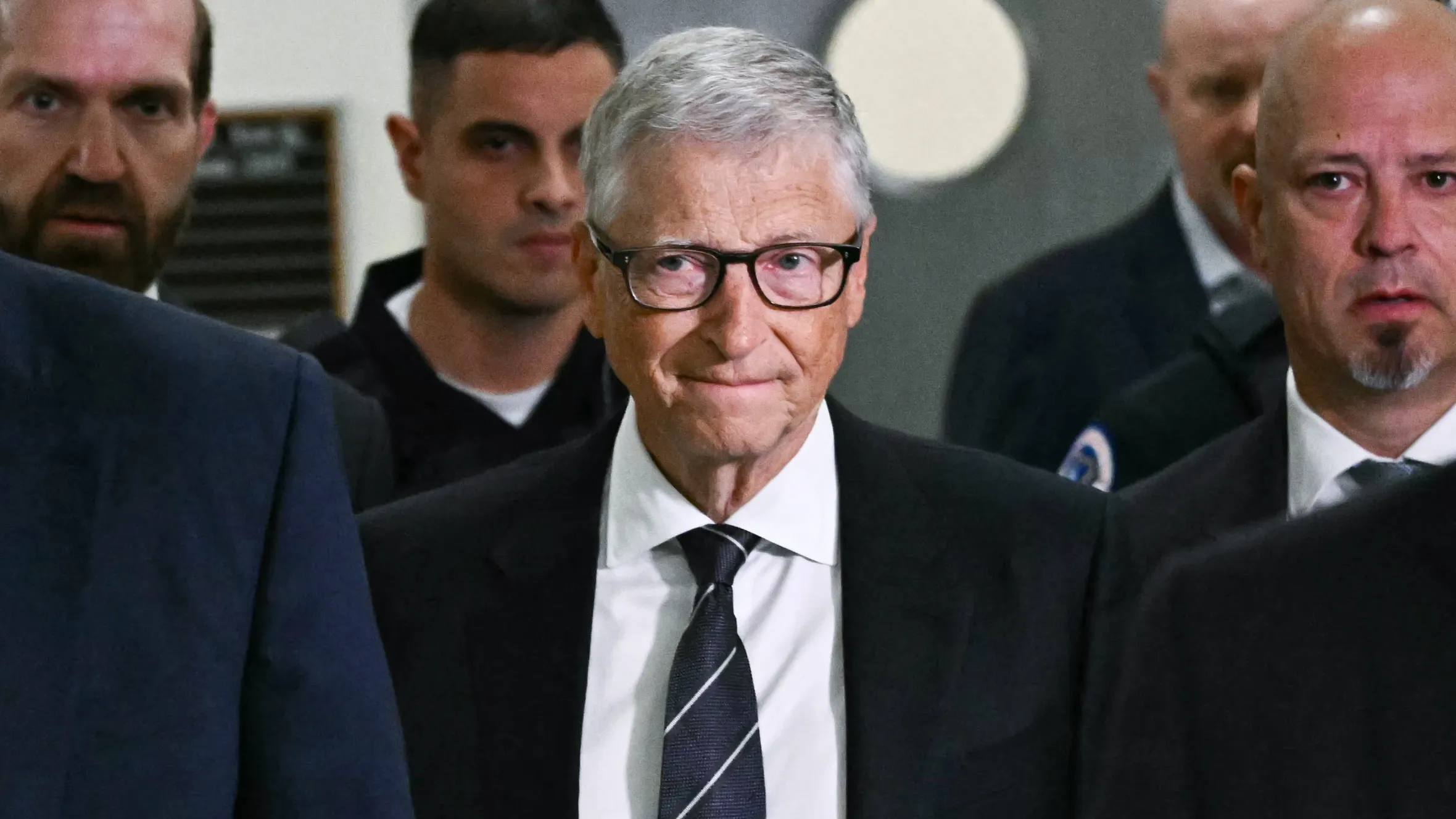
Gates has repeatedly said he regrets meeting Epstein. In his prepared statement, he said the association risked the reputation of his philanthropic work and may have helped Epstein build an image of legitimacy.
That admission is one of the most important takeaways. Gates did not simply say the meetings were unproductive. He said Epstein used access to respected people to rehabilitate his reputation and deflect scrutiny.
That is the deeper lesson in the case. Powerful people do not need to participate in crimes to become useful to someone like Epstein. Their presence alone can become social currency. A meeting, a photo, a dinner, or a professional introduction can help create the impression that a disgraced figure still belongs in elite circles.
Gates said he was too focused on the possibility of raising money for global health and allowed that goal to override his better judgment.
The Broader Epstein Investigation
The House Oversight Committee’s investigation extends far beyond Gates. Lawmakers have sought testimony from other people linked to Epstein’s network, including figures from politics, finance, law, and academia.
The committee is examining not only Epstein’s personal crimes, but also the systems that allowed him to maintain influence after his conviction. That includes questions about prosecutorial decisions, plea deals, powerful associates, institutional failures, and the long delay in public access to records.
Epstein died in a New York jail in 2019 while awaiting trial on federal sex trafficking charges involving underage girls. Authorities ruled his death a suicide, but the handling of his case remains a source of intense public suspicion and political pressure.
The Gates testimony fits into this larger question: how did Epstein continue to move comfortably among powerful people even after his past was known?
Lawmakers Focus On Warning Signs

Some lawmakers have argued that powerful men around Epstein saw only what they wanted to see. They may not have participated directly in Epstein’s crimes, but critics say they ignored warning signs that should have mattered.
That issue came up around Gates because he admitted he knew Epstein had a prior conviction of a sexual nature, even if he said he did not fully understand the extent of the crimes. To many observers, that should have been enough to end the relationship before it started.
Gates’ testimony offers one explanation: he was focused on philanthropy and believed Epstein could help raise major funding. But explanation is not the same as excuse. Gates himself said the relationship was a mistake and that even if Epstein had delivered donors, it would not have justified the association.
That reflection may be one reason the transcript has drawn so much attention. It shows both denial of wrongdoing and acknowledgment of serious misjudgment.
Why The Story Went Viral
This story spread quickly because it combines several powerful elements: Bill Gates, Jeffrey Epstein, private affairs, alleged leverage, congressional testimony, elite networks, and the possibility of blackmail.
But the deeper reason it resonates is that it reveals how power can be manipulated. Epstein appeared to understand that secrets, access, reputation, and money could be used as pressure points. Gates’ testimony suggests he eventually recognized that danger, but only after the relationship had already created reputational damage.
The public is still demanding answers because the Epstein scandal was never only about Epstein. It was about the people who enabled him, ignored him, met with him, funded him, worked for him, protected him, or gave him status.
Gates denies wrongdoing. But his testimony still adds to the public record of how Epstein operated.
What Happens Next
The release of the transcript gives the public more detail, but it does not end the committee’s work. Lawmakers are still reviewing Epstein files, interviewing witnesses, and examining how federal agencies handled the case.
Gates’ spokesperson said he answered every question during nearly six hours of testimony and supports the full release of files. Gates also said he hopes survivors of Epstein’s crimes receive justice.
For Gates, the testimony may be an attempt to close a painful chapter by placing his account on the record. For critics, it may raise more questions about why he stayed connected as long as he did. For the committee, it is one part of a much larger effort to understand how Epstein’s world functioned.
The transcript does not show that Gates was successfully blackmailed. It does show that he believed Epstein’s conduct and private writings looked like a move toward pressure.
A Testimony About Power, Secrets, And Regret
The Gates testimony is not only about a billionaire’s personal mistakes. It is about the danger of powerful networks where reputation can be borrowed, secrets can become weapons, and access can protect people who should have been kept far from influence.
Gates says he did not witness Epstein’s crimes, did not participate in them, and never allowed Epstein to blackmail him. He also says he should never have met with him in the first place.
That tension is why the story matters. It shows how someone can deny criminal wrongdoing while still acknowledging a failure of judgment with serious consequences.
For Epstein’s survivors, the most important issue remains accountability. For lawmakers, it is understanding how Epstein maintained power. For the public, the Gates transcript offers another uncomfortable glimpse into the elite world Epstein built around himself.
The final lesson may be simple but disturbing: when reputation becomes a shield and secrets become leverage, even the most powerful people can become part of a system they later claim they never fully understood.