
Table of Contents
- When Chemtrails Reentered the Conversation, Scientists Took Notice
- What Chemtrail Theories Claim and Why They Persist
- How Public Figures Can Shift Fringe Ideas Into the Spotlight
- The Collision Between Chemtrails and the Climate Crisis
- Why Scientists Say These Theories Are More Than Harmless Beliefs
- The Role of Social Media in Reinforcing Visual Misinformation
- The Deeper Issue
- How Climate Communication Becomes Collateral Damage
- Why Debunking Alone Is Not Enough
- The Stakes for Democracy and Climate Action
- What This Moment Reveals About the Future of Public Debate
- A Conclusion That Extends Beyond the Sky
When Chemtrails Reentered the Conversation, Scientists Took Notice
When chemtrail conspiracy theories resurfaced in mainstream discussion, they did not arrive quietly. For years, the idea that aircraft are secretly spraying chemicals to manipulate weather, control populations, or engineer the climate lived mostly on the fringes of the internet. But as these claims were echoed more openly in public debate, scientists and climate experts began raising concerns that something deeper was happening. The issue was no longer just about an isolated conspiracy belief. It was about how distrust in science was being normalized at a time when global cooperation on climate action is already fragile.
What alarmed experts was not only the persistence of the theory itself, but the context in which it was being discussed. Climate change is one of the most complex challenges humanity faces, requiring trust in data, institutions, and long-term planning. When a narrative suggests that scientists and governments are secretly poisoning the sky, it does more than spread misinformation. It erodes the foundation needed for any meaningful response to environmental crisis.
What Chemtrail Theories Claim and Why They Persist

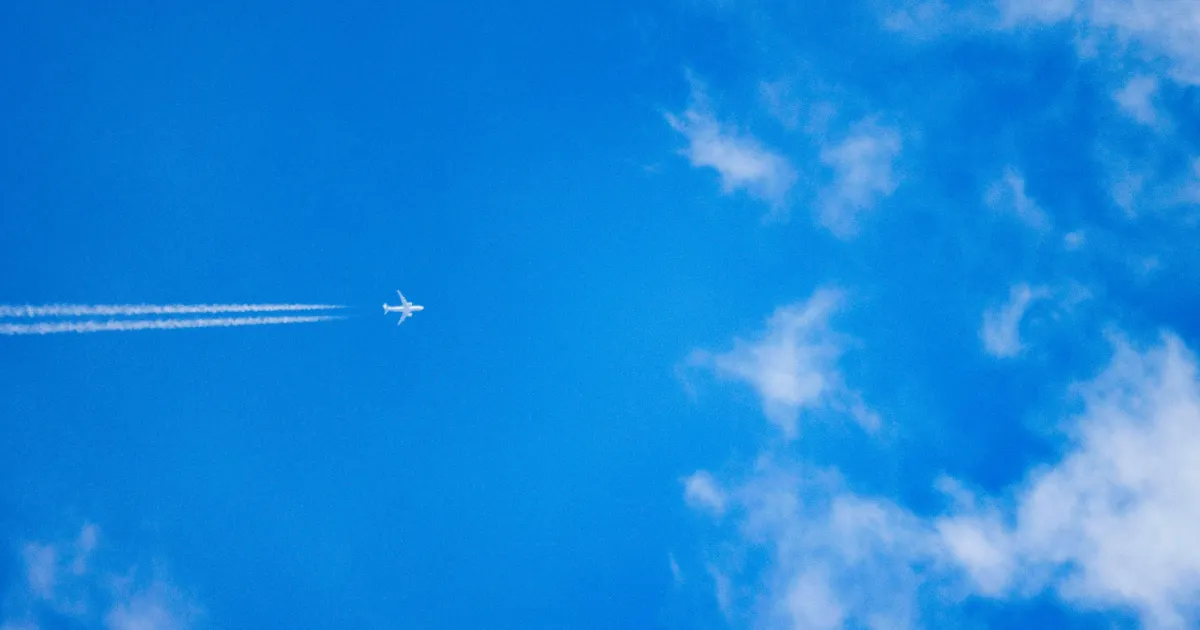
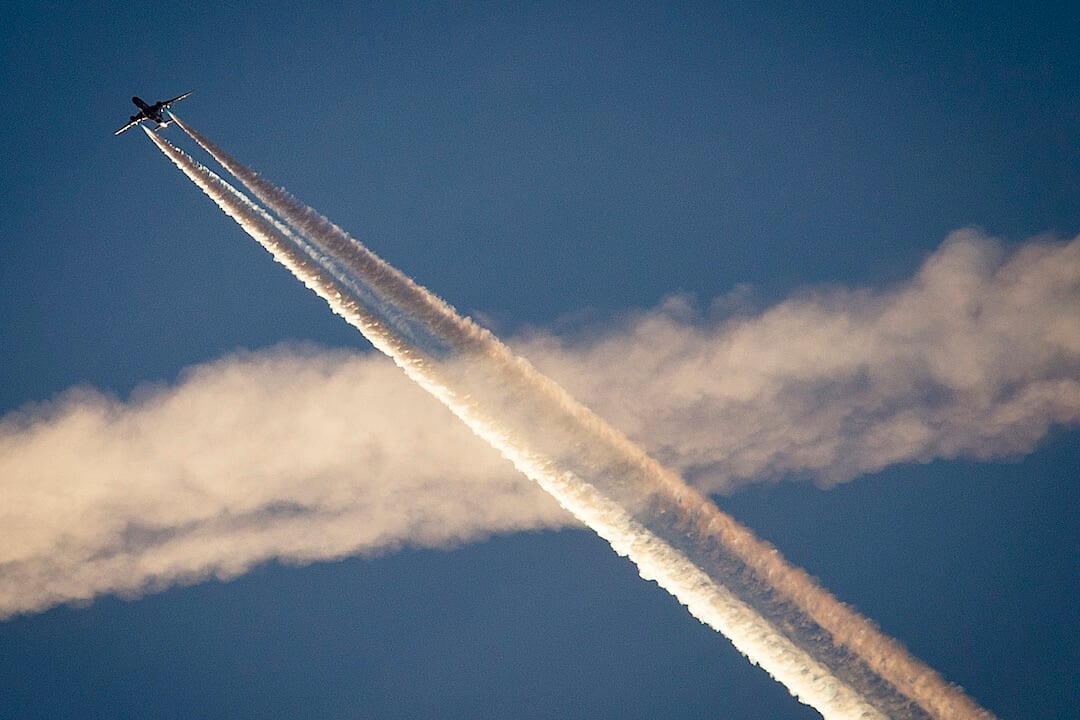
At the core of chemtrail conspiracy theories is a reinterpretation of something ordinary: condensation trails left by aircraft at high altitudes. These visible streaks, known scientifically as contrails, form when hot engine exhaust meets cold air, causing water vapor to condense and freeze. For most people, they are a routine feature of modern aviation. For conspiracy theorists, they are evidence of something hidden and malicious.
The persistence of this belief is not rooted in scientific ambiguity but in psychological patterns. Chemtrail narratives offer simple explanations for complex fears: environmental degradation, illness, loss of control, and distrust of authority. They transform invisible anxieties into visible symbols in the sky. Once framed this way, every lingering trail becomes confirmation, reinforcing belief rather than inviting scrutiny.
How Public Figures Can Shift Fringe Ideas Into the Spotlight
What changes the impact of a conspiracy theory is not just how many people believe it, but who repeats it. When individuals with public platforms echo chemtrail narratives, the theory gains a veneer of legitimacy. It begins to feel less like fringe speculation and more like a “question worth asking,” even when it has been repeatedly debunked.
This shift matters because audiences often interpret repetition by well-known figures as evidence of controversy rather than misinformation. The theory does not need to be proven; it only needs to be discussed seriously enough to plant doubt. For scientists, this dynamic is deeply frustrating. Years of research, peer review, and transparent data can be overshadowed by a single viral claim that frames expertise as deception.
The Collision Between Chemtrails and the Climate Crisis
The timing of chemtrail narratives gaining traction is not accidental. Climate change is increasingly visible, through extreme weather, heatwaves, and environmental disruption. As the reality becomes harder to ignore, some people look for explanations that preserve a sense of control or assign blame to hidden actors rather than systemic causes.
Chemtrail conspiracies intersect with climate anxiety by offering a distorted narrative: the climate is changing not because of emissions, consumption, and policy failure, but because “someone” is deliberately manipulating the atmosphere. This reframing shifts attention away from fossil fuels, industrial responsibility, and collective action. It replaces accountability with suspicion and paralysis.
Why Scientists Say These Theories Are More Than Harmless Beliefs
Scientists often tolerate fringe ideas as background noise, but chemtrail conspiracies cross a threshold because they directly undermine public understanding of atmospheric science. When people are taught to distrust explanations of how clouds form, how aircraft operate, or how climate systems work, it becomes harder to communicate real risks.
This erosion of trust has practical consequences. Climate models, emissions data, and mitigation strategies rely on public acceptance of evidence-based reasoning. If large segments of society come to believe that scientists are hiding secret programs, then even transparent research becomes suspect. Experts warn that this environment makes effective climate policy almost impossible.
The Role of Social Media in Reinforcing Visual Misinformation
Chemtrail theories thrive in image-driven spaces. Photographs of dramatic skies circulate widely, detached from context and explanation. Algorithms reward emotionally charged content, especially material that provokes fear or outrage. Each share reinforces the illusion that something unusual is happening everywhere, all the time.
In this ecosystem, scientific explanations struggle to compete. A calm description of condensation physics rarely travels as far as a striking image paired with ominous text. Over time, repetition builds familiarity, and familiarity is often mistaken for truth. This is how misinformation becomes normalized without ever being proven.
The Deeper Issue

Chemtrail beliefs are rarely isolated. They often coexist with skepticism toward vaccines, climate science, and democratic institutions. Together, they form a worldview in which official explanations are assumed to be lies, and alternative narratives feel more authentic precisely because they oppose authority.
Experts argue that addressing chemtrail misinformation requires more than fact-checking. It requires rebuilding trust in institutions that many people feel have failed them economically, socially, or politically. Without that trust, scientific communication becomes a defensive exercise rather than a collaborative one.
How Climate Communication Becomes Collateral Damage
One of the most troubling effects of chemtrail narratives is how they distort conversations about real climate interventions. Discussions around geoengineering, emissions reduction, and atmospheric research become harder when any mention of the sky triggers suspicion.
This creates a chilling effect. Scientists become cautious about explaining legitimate research, fearing misinterpretation. Policymakers hesitate to engage openly. Meanwhile, conspiracy narratives fill the vacuum, offering confident answers where science offers careful uncertainty. The result is a public sphere where clarity loses ground to certainty, even when that certainty is false.
Why Debunking Alone Is Not Enough
Decades of research on misinformation show that simply repeating corrections rarely changes deeply held beliefs. In some cases, debunking can even reinforce the original claim by giving it more attention. This is why experts increasingly emphasize the importance of context, empathy, and narrative.
Rather than mocking believers or dismissing concerns outright, effective communication focuses on explaining how science works, why transparency matters, and where uncertainty genuinely exists. The goal is not to “win” an argument, but to invite critical thinking back into the conversation.
The Stakes for Democracy and Climate Action
At its core, the chemtrail debate is not about aircraft trails. It is about whether societies can still agree on shared facts in an era of crisis. Climate change demands long-term cooperation, trust in expertise, and willingness to accept uncomfortable truths about consumption and responsibility.
When conspiracy narratives dominate, they fracture consensus. They encourage suspicion over solidarity and imagination over evidence. For climate experts, this is the real danger. Not that people question authority, but that questioning becomes detached from any method for finding truth.
What This Moment Reveals About the Future of Public Debate
The resurgence of chemtrail conspiracies alongside climate anxiety reveals a broader cultural shift. People are searching for meaning in a rapidly changing world, and not all explanations feel equally satisfying. Science offers complexity, uncertainty, and incremental progress. Conspiracies offer clarity, villains, and immediate emotional resolution.
The challenge ahead is not simply to correct misinformation, but to make evidence-based explanations feel human, relevant, and trustworthy again. Without that effort, the climate crisis will continue to be filtered through suspicion rather than understanding.
A Conclusion That Extends Beyond the Sky
Chemtrail conspiracy theories may seem absurd to scientists, but dismissing them outright misses their significance. They are symptoms of a deeper rupture between knowledge and trust. As climate risks intensify, that rupture becomes more dangerous.
The question is not whether chemtrails are real. They are not. The question is whether societies can still distinguish between fear-driven narratives and evidence-based reality when the stakes are this high. What happens next will determine not only how we talk about the sky, but how we face the future beneath it.