
Table of Contents
- When Bravery Comes Early: Nathan’s Heroic Act
- The Attack Unfolded
- Immediate Family Reactions
- Heroism in Youth: Understanding Courage
- Legal and Safety Implications
- National Recognition and Calls for Awards
- The Psychological Impact on Nathan
- Community Response and Reflection
- Media Coverage and Societal Impact
- Broader Implications for Families
- Courage, Recognition, and Lessons
When Bravery Comes Early: Nathan’s Heroic Act
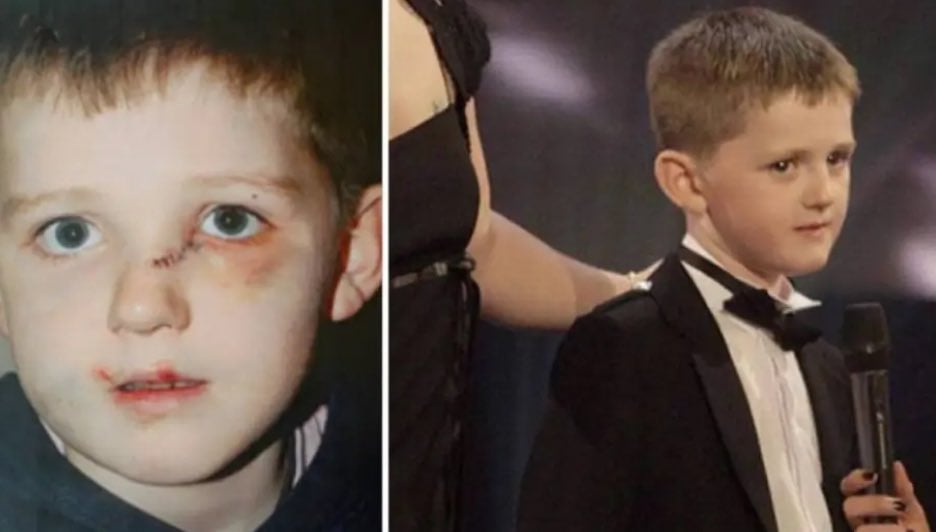
In November of last year, a terrifying home invasion in Fife, Scotland, ended in a remarkable story of courage. A nine-year-old boy named Nathan Thomson confronted a violent attacker attempting to stab his mother inside their home. Despite his young age, Nathan acted without hesitation, putting himself in danger to protect his family. The world has since recognized his extraordinary bravery, and calls have emerged for him to receive a top bravery award.
Nathan’s heroism demonstrates the profound impact a child can have when faced with life-or-death circumstances. It is not merely a tale of fear and danger — it is a story about instinct, courage, and the human capacity to act selflessly, even in the youngest of heroes. This account explores the events leading to Nathan’s brave actions, the aftermath, and the broader implications for communities, families, and child safety.
The Attack Unfolded
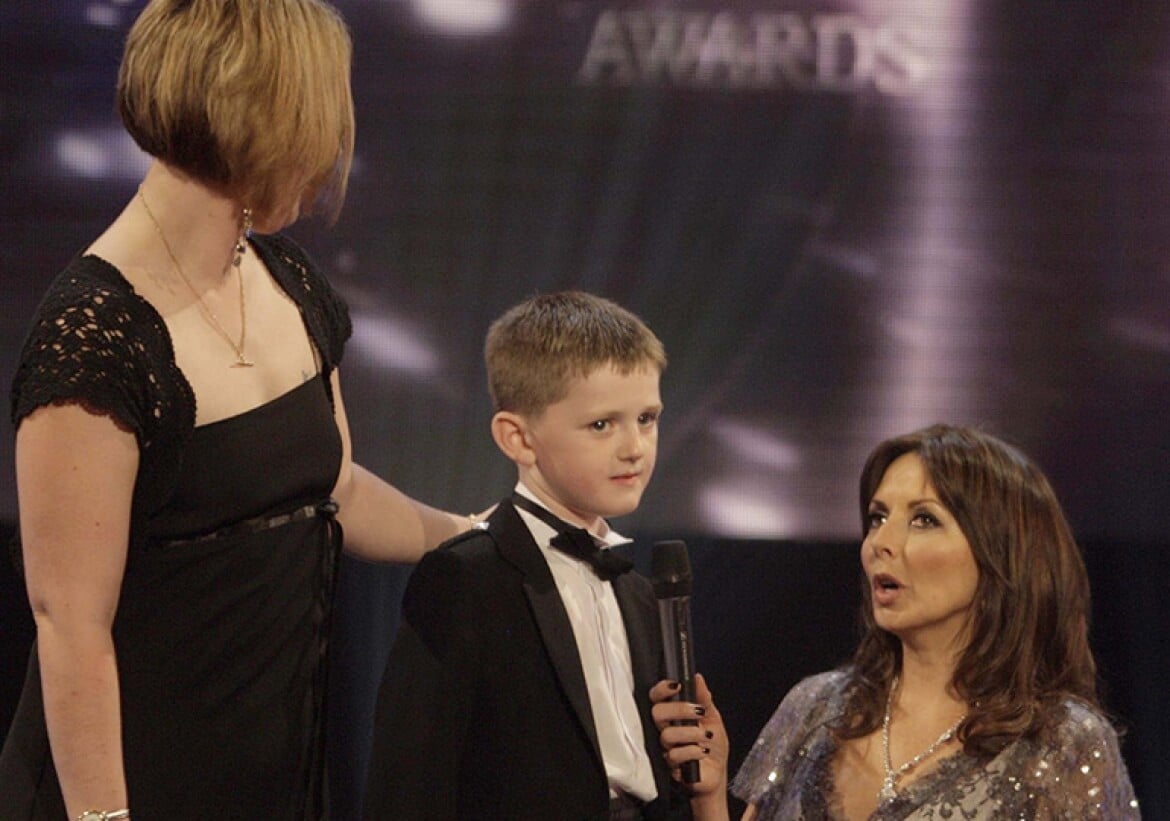
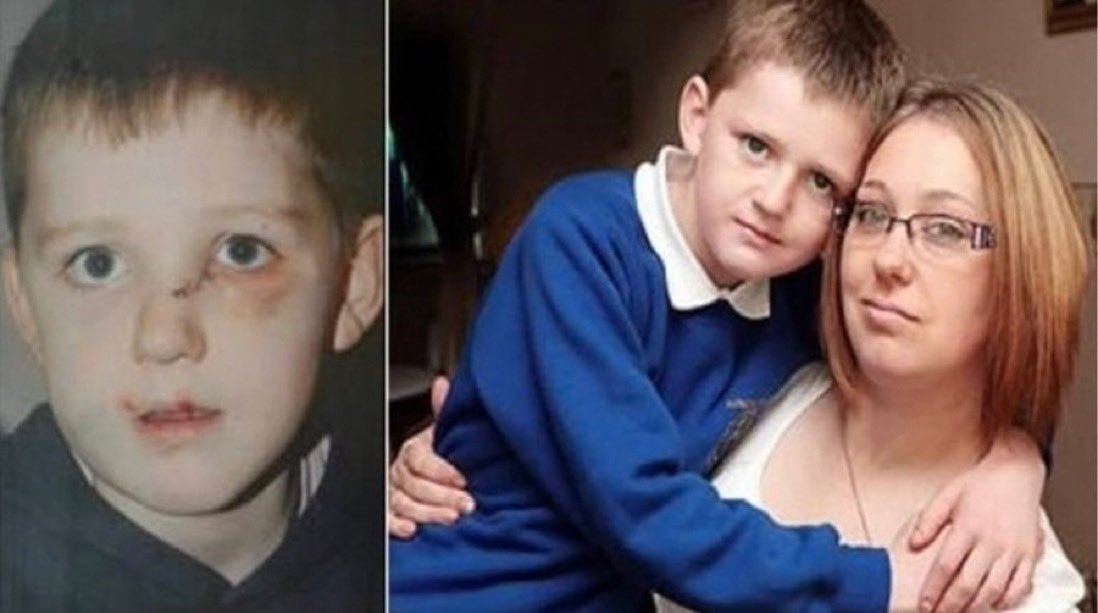
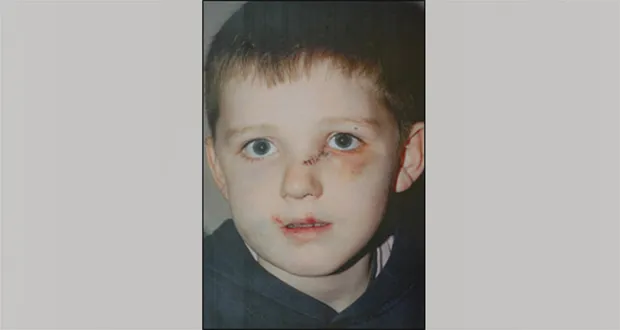
On a quiet evening in Fife, the Thomson family experienced an intrusion that could have resulted in tragedy. A stranger broke into the family’s home with violent intent. Nathan’s mother, Ena Thomson, became the primary target of the assailant. As the attacker attempted to stab her, Nathan instinctively jumped on the man’s back to intervene. In the struggle, Nathan sustained a cut across his face and injuries to his nose, showing the personal cost of his bravery.
Meanwhile, Nathan’s sister, Shannon, was forced to escape by jumping out of her bedroom window to reach safety. The family’s quick thinking and courage collectively prevented a much worse outcome. Authorities later prosecuted the intruder, who received an eight-and-a-half-year prison sentence for the assault, ensuring accountability and justice for the attack.
Immediate Family Reactions
Nathan’s parents have shared the immense pride and relief they feel toward their children. Ena Thomson described both Nathan and Shannon as having acted beyond their years. “They did really well — I couldn’t have done what they did,” she said. Nathan’s father, Mark Thomson, emphasized the significance of the recognition, stating that the bravery award would hold profound meaning for his son.
The family’s response illustrates a combination of shock, relief, and admiration. It also highlights the role parents play in nurturing resilience and courage while helping children process dangerous and traumatic events. Nathan’s actions, though instinctive, reflect the support and values instilled by his family, showcasing the broader role of upbringing in moments of crisis.
Heroism in Youth: Understanding Courage
While instances of child heroism are rare, psychologists note that children are capable of extraordinary acts when motivated by instinctive empathy and protective impulses. Nathan’s intervention exemplifies this capacity. Even at nine years old, he demonstrated critical decision-making skills, risk assessment, and moral courage, traits that often take decades to develop fully in adults.
Experts in child development emphasize the importance of follow-up support in such scenarios. Exposure to violent events, even when successfully defending oneself or others, can result in trauma. Counseling and emotional guidance are vital to ensuring long-term psychological well-being, allowing children to reconcile their bravery with the fear and stress they experienced.
Legal and Safety Implications
In the aftermath of the attack, authorities emphasized the rare and extreme nature of the situation. The intruder’s sentencing reflected the severity of the crime, while discussions of child safety and legal responsibility emerged. In Scotland, children are recognized as capable of self-defense in life-threatening circumstances, provided that their actions are proportionate to the threat. Nathan’s response fits these criteria, highlighting the complex interplay of law, morality, and youth courage.
This case also underscores the broader importance of home security and awareness. While violent attacks on private homes are uncommon, families are encouraged to take preventive measures, including secure locks, emergency planning, and community vigilance. Preparing children with knowledge and guidance about safety without inducing fear can help them respond appropriately if extraordinary circumstances arise.
National Recognition and Calls for Awards
Nathan’s heroism has garnered attention from top political figures and the wider public. Calls for him to receive a formal bravery award highlight the cultural significance of his actions. Recognitions of this nature celebrate courage, emphasize positive role models, and inspire communities to reflect on the values of protection, empathy, and moral responsibility.
Awards and public acknowledgment not only honor the individual but also provide an opportunity to educate society about proactive safety, child empowerment, and ethical decision-making under duress. Nathan’s case serves as a model of the profound impact even the youngest members of society can have in critical moments.
The Psychological Impact on Nathan
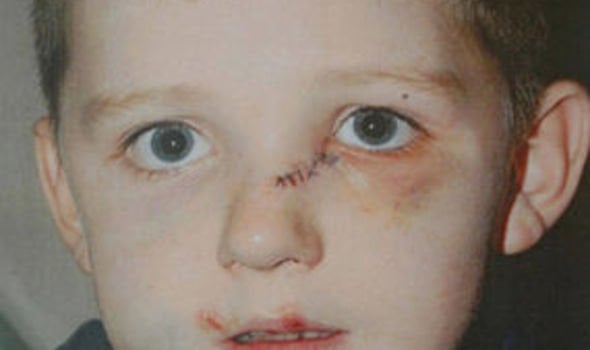
Despite the praise and recognition, the incident was undoubtedly traumatic. Being injured while confronting a violent intruder can have lasting emotional effects, including heightened anxiety, fear, and hyper-vigilance. Psychologists recommend structured support, including counseling, safe spaces for discussion, and reassurance from family members.
Nathan’s parents have played a central role in ensuring he feels secure and supported. They have emphasized both pride and comfort, helping Nathan navigate the balance between recognizing his bravery and processing the fear he experienced. This approach is vital to prevent long-term trauma and foster resilience.
Community Response and Reflection
The Thomson family’s story has sparked conversations throughout Fife and beyond. Communities have reflected on the importance of teaching children to act courageously yet safely in emergencies. Neighborhood initiatives focusing on child safety, home security, and emergency response training are often inspired by such incidents.
Public discussion has also highlighted the ethical dimensions of bravery. How should society balance recognition with caution? What lessons can be shared with families about preparing children for emergencies without encouraging unnecessary risk? Nathan’s story offers a platform to explore these questions thoughtfully.
Media Coverage and Societal Impact
News outlets across the United Kingdom and international platforms have shared Nathan’s heroism widely. Social media amplified the story, sparking admiration and debates regarding child safety, parental guidance, and legal protections for minors acting in emergencies.
The narrative of a nine-year-old confronting danger resonates universally. It challenges assumptions about age and capability, demonstrates the potential for courage in young people, and encourages societal reflection on the conditions that cultivate resilience and heroism.
Broader Implications for Families
Nathan’s actions offer critical insights for families about preparation, vigilance, and fostering moral courage. While no parent wishes for their child to confront danger, equipping children with situational awareness, emergency knowledge, and ethical decision-making skills can empower them to respond effectively in extreme circumstances.
Home safety measures, open communication, and proactive planning can reduce risk and ensure that children know how to seek help or intervene appropriately. Nathan’s story illustrates both the extraordinary potential of youth and the importance of supportive family structures in shaping responses to crises.
Courage, Recognition, and Lessons
The bravery displayed by Nathan Thomson will be remembered as a defining moment of heroism. Recognition through awards and public acknowledgment serves not only to honor his actions but also to inspire communities, encourage preparedness, and highlight the profound capacities of children when faced with danger.
For society, the story prompts reflection on ethics, responsibility, and the delicate balance between protecting children and allowing them to act decisively in life-threatening situations. Nathan’s example demonstrates that courage is not confined to age and that heroism often manifests in moments when instinct, empathy, and determination converge.
As Fife and the United Kingdom celebrate Nathan’s bravery, his story offers enduring lessons: the power of selflessness, the importance of family support, and the extraordinary resilience of youth. It is a story that reminds the world that courage, even in the smallest packages, can change lives.