

Table of Contents
- Kentucky Home Invasion
- The Incident: Details from the Scene
- Family Response: Shock, Relief, and Gratitude
- The Role of Self-Defense for Minors
- Understanding Home Invasions
- Children in Crisis Situations
- Law Enforcement Perspective
- National Attention and Media Response
- Community Awareness and Safety Measures
- Broader Implications: Policy and Debate
- Courage, Ethics, and Community
Kentucky Home Invasion
In the early hours of a Saturday morning in Manchester, Kentucky, a terrifying home invasion ended in a rare and dramatic turn of events. Two men entered a private residence with the intent to steal firearms from a safe, only to be met by a juvenile living in the home. In a split-second decision that would save lives, the child retrieved a handgun and fired at the intruders, killing both.
The extraordinary act of self-defense has captured national attention, not just for the violence averted but for the unusual circumstances of a minor facing life-or-death choices. While home invasions are tragic and unsettling, this case has highlighted courage, responsibility, and the ethical complexities surrounding self-defense. What follows is an in-depth exploration of the incident, the people involved, and the broader implications for families and communities across America.
The Incident: Details from the Scene

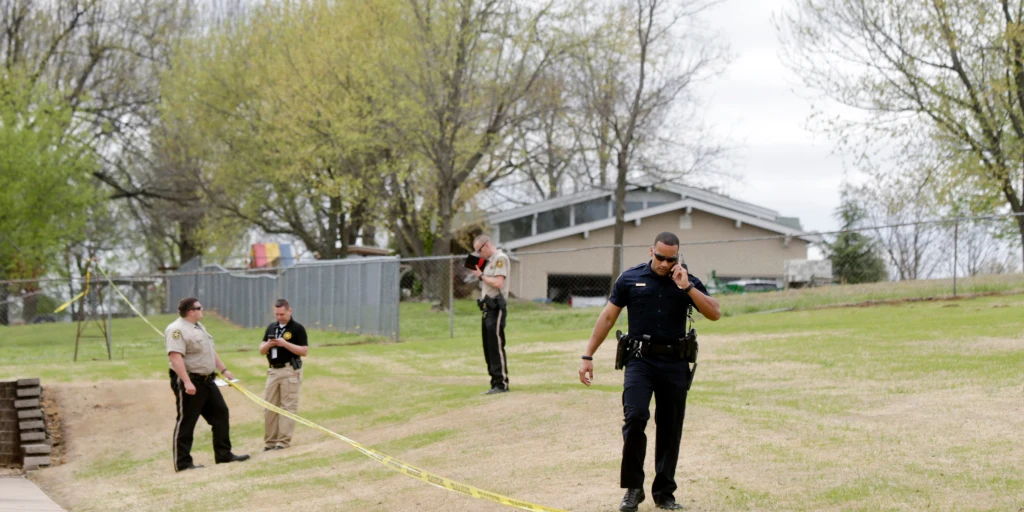
According to Kentucky State Police, troopers were dispatched to the home around 4:30 a.m. following reports of a shooting. Upon arrival, authorities found two men suffering from gunshot wounds. Jeffrey Allen, 51, was pronounced dead at the scene, while 44-year-old Roger Smith was transported to a nearby hospital where he later succumbed to his injuries.
Investigators determined that both men had broken into the home intending to steal firearms from a safe. The presence of a minor in the home complicated an already tense situation. Police stated that the child, witnessing the intruders wielding firearms, acted to protect themselves and others in accordance with self-defense laws. The juvenile then escaped through a bedroom window, avoiding further confrontation.
The age of the child has not been disclosed, and authorities continue to investigate the circumstances surrounding the intrusion, including the identity of the perpetrators and the sequence of events leading to their deaths.
Family Response: Shock, Relief, and Gratitude
Family members of the household have expressed a mixture of shock, relief, and gratitude. The idea of a child in possession of a firearm is generally a source of concern, but in this instance, the minor’s quick thinking prevented what could have been a fatal outcome.
The family described the incident as surreal. While the physical and emotional aftermath is profound, there is immense pride in the child’s courage under pressure. Experts in crisis psychology suggest that the family’s response will play a critical role in helping the child process the traumatic event and recover from potential long-term stress or anxiety.
The Role of Self-Defense for Minors

The case has sparked important conversations regarding minors and self-defense. While law enforcement acknowledges that children should generally avoid physical confrontation, they recognize the extraordinary circumstances that can lead to life-saving decisions.
Self-defense laws in Kentucky allow individuals, including minors under certain circumstances, to use reasonable force to prevent imminent harm or death. Legal analysts indicate that the child’s actions align with these statutes, though the situation is extremely rare. This incident raises complex questions about the intersection of youth responsibility, ethics, and legal protection.
Understanding Home Invasions
Home invasions, though relatively uncommon, remain one of the most feared crimes in the United States. Intruders often target homes during early morning hours, seeking vulnerable occupants and valuable possessions. According to crime statistics, these incidents typically involve weapons and can escalate rapidly, leaving families with little time to react.
The Kentucky event underscores the unpredictable nature of such crimes. Experts recommend a combination of proactive safety measures, including secure locks, alarm systems, and emergency planning. Awareness, combined with preparedness, can mitigate the risks of such invasions and potentially save lives.
Children in Crisis Situations

The involvement of a juvenile in a violent encounter is exceptional. Children are generally advised to seek help from authorities or retreat to safe areas during emergencies. In extraordinary situations, however, instinct and resourcefulness may drive them to act in ways that adults might not anticipate.
Child psychologists emphasize the importance of supportive intervention following traumatic events. Experiencing violence firsthand, even when successfully preventing harm, can result in post-traumatic stress or anxiety. Counseling and continued emotional support are critical to help minors cope with the aftermath and maintain healthy development.
Law Enforcement Perspective
Kentucky State Police have confirmed that the child’s actions were consistent with self-defense. Officers praised the minor’s composure and decisiveness under pressure.
The investigation remains active. Authorities are focused on identifying potential accomplices, examining the circumstances of the firearm’s presence in the home, and ensuring the safety of the community. Police have emphasized that while this case concluded without further tragedy, vigilance and precaution remain paramount.
National Attention and Media Response

The story quickly spread across national media and social platforms, drawing attention to the rare scenario of a child defending a household during a violent intrusion. Commentators highlighted both the heroism displayed and the ethical complexities of the situation.
Social media users debated the implications of minors handling firearms, the role of parental supervision, and broader public safety considerations. Many expressed admiration for the child’s bravery, while others urged caution and reflection on the need for safe storage and education regarding firearms in homes.
Community Awareness and Safety Measures
In the aftermath, the local community in Manchester has responded with heightened awareness. Neighborhood groups have discussed strategies such as community watch programs, emergency preparedness workshops, and home security enhancements.
Experts recommend a multi-layered approach: reinforced entry points, clear emergency communication plans, and education on safely confronting intrusions without unnecessary risk. While no measures can guarantee complete safety, these practices reduce exposure to life-threatening scenarios.
Broader Implications: Policy and Debate
The Kentucky incident has rekindled discussions about gun access, youth responsibility, and self-defense. Advocates for responsible firearm ownership argue that access to legal, secured firearms can prevent tragedies and protect families. Critics caution against the potential dangers of minors accessing guns, emphasizing the risk of accidents or misuse.
Furthermore, this event invites consideration of elder protection, the ethics of self-defense, and emergency response policies. Lawmakers, legal experts, and social commentators are examining ways to balance safety, legal protection, and moral responsibility in similar scenarios.
Courage, Ethics, and Community
This case is a striking example of courage under pressure. It demonstrates the extraordinary capacity of young individuals when confronted with imminent danger. It also challenges communities to rethink safety, preparedness, and the responsibilities placed on minors in extreme circumstances.
For families, the key lesson lies in preparation and awareness. For communities, it highlights the importance of vigilance, support networks, and proactive safety measures. For the nation, it raises fundamental questions about self-defense, legal frameworks, and ethical decision-making when life and death hang in the balance.
As Manchester and the family involved process these events, the story will likely serve as a reference for future discussions on safety, youth resilience, and ethical decision-making in home invasions. The courage displayed by this child will be remembered as both extraordinary and thought-provoking, prompting reflection on the delicate balance between protection and responsibility.