
Table of Contents
- When Courage Defends Family: The Goldsboro Home Invasion
- The Incident Unfolded
- Family Reactions: Shock and Relief
- The Role of Self-Defense in Youth Protection
- The Broader Picture: Home Invasions in the United States
- Children and Emergency Response
- Law Enforcement Perspective
- National Reaction and Media Coverage
- Safety Measures and Community Response
- Implications for Policy and Debate
- Looking Forward: Lessons and Reflection
When Courage Defends Family: The Goldsboro Home Invasion
In the early hours of February 13, 2021, a shocking home invasion in Goldsboro, North Carolina, left the nation in awe of a 12-year-old boy’s quick thinking and bravery. While two masked men broke into a ground-floor apartment with the intent of robbery, it was the actions of a young grandson that prevented what could have been a tragic loss of life.
The boy, whose identity is being protected due to his age, managed to gain control of a firearm and fire at the intruders. The result was fatal for one of the attackers, underscoring the unpredictable and often dangerous realities of home invasions in the United States. What followed sparked a nationwide conversation about child self-defense, the role of firearms in home protection, and the extraordinary courage displayed by a young member of a family facing imminent threat.
This story is not just about a crime — it is about courage, split-second decision-making, and the delicate balance of safety and responsibility. The details that follow provide a comprehensive look into the incident, the individuals involved, and the broader implications for communities and policy.
The Incident Unfolded
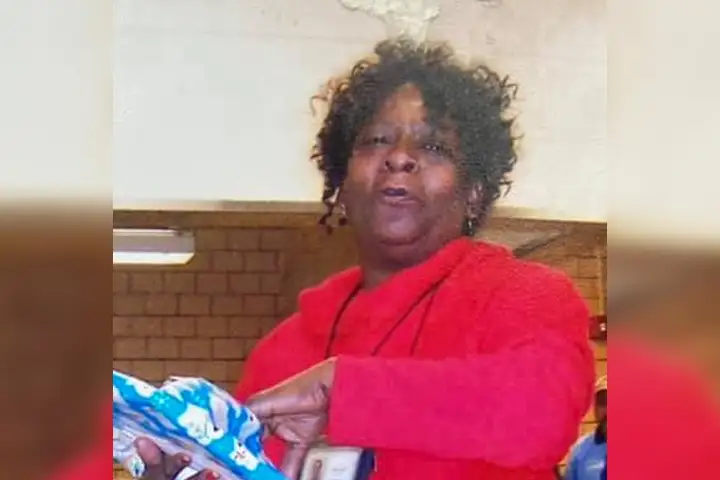
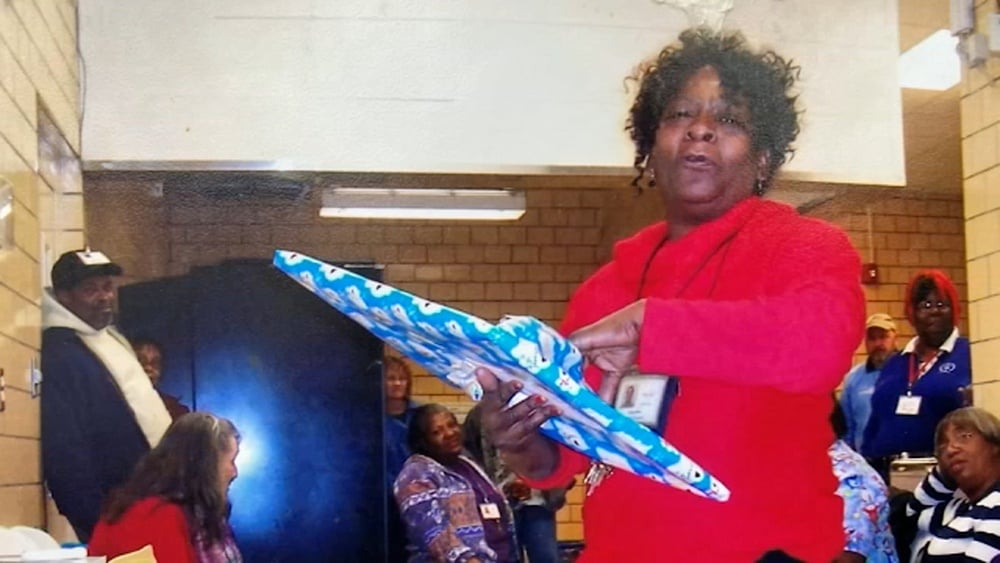
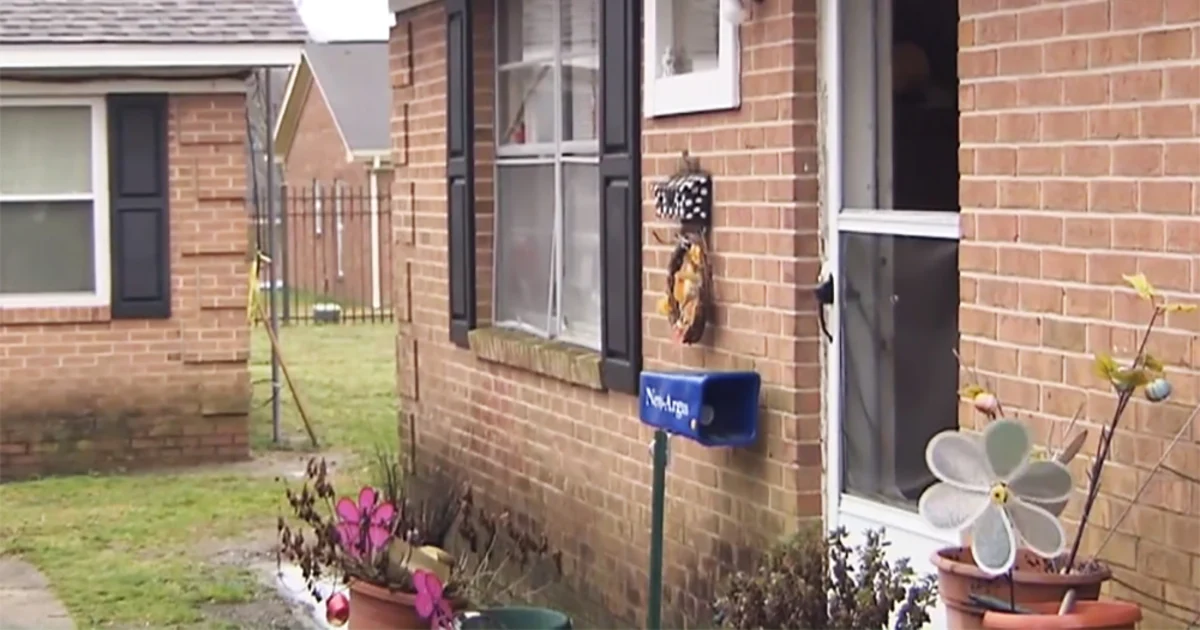
According to the Goldsboro Police Department, the invasion occurred at approximately 1 a.m. Two men wearing masks entered the apartment where 73-year-old Linda Ellis lived. Reports indicate that the intruders demanded cash and physically threatened Ellis. At some point during the encounter, the elderly woman was shot in the leg, sustaining non-life-threatening injuries.
Inside the apartment was her 12-year-old grandson. In a moment of courage, he retrieved a firearm — the origin of which authorities have not disclosed — and fired at the intruders. The shots struck one of the men, later identified as 19-year-old Khalil Herring, who was found lying in the street with gunshot wounds. Herring died later that day in the hospital.
The second suspect managed to flee the scene, and the investigation into his identity remains ongoing. Police confirmed that the boy acted in self-defense and that no charges would be filed against him, a decision that has been widely reported as both legally and morally supported.
Family Reactions: Shock and Relief
The aftermath of the incident left Ellis’ family reeling. Great-niece Chiquita Coley described the family’s disbelief, emphasizing her aunt’s character and the senselessness of the attack. “She’s been here for so many years. Who would come here and do that?” Coley said.
Ellis’ son, Randolph Bunn, also recounted the harrowing moments. He described one intruder holding a gun and pinning him down, while Ellis was taken into the kitchen to comply with the men’s demands. Bunn expressed gratitude toward his grandson, acknowledging the extraordinary circumstances that forced the child into a position no one should face.
The Role of Self-Defense in Youth Protection
Experts in law enforcement and child psychology have weighed in on the rare scenario of a minor defending themselves and others with a firearm. While generally advocating for safe storage and limited access to firearms for children, professionals recognize that extreme situations, such as a home invasion, can lead to life-saving decisions.
Self-defense laws vary by state, but North Carolina statutes allow for defensive actions when there is an immediate threat to life. In this case, the boy’s actions were legally justified, highlighting the nuanced intersection between law, morality, and circumstance.
The Broader Picture: Home Invasions in the United States
Home invasions remain a pressing concern nationwide. Studies indicate that residential robberies and invasions often occur in the early morning hours, taking advantage of sleep patterns and household routines. Victims are frequently targeted based on perceived vulnerability, such as age or physical limitations.
The Goldsboro incident underscores how quickly such situations escalate and the importance of community awareness, home security measures, and emergency preparedness. While tragic outcomes are not always preventable, education and planning can improve the chances of safety for all household members.
Children and Emergency Response
The involvement of a 12-year-old in a violent scenario is rare but significant. Children are typically advised to call emergency services or retreat to a safe location. In extraordinary circumstances, however, instinct and available resources may compel them to act.
Child psychologists emphasize the importance of follow-up support in such cases. Exposure to life-threatening violence can result in trauma, even when actions prevent fatalities. Counseling and long-term psychological care are crucial for ensuring that the child can process the events without enduring lasting emotional damage.
Law Enforcement Perspective
Police officers responding to the scene praised the boy for his quick thinking and affirmed that the actions were consistent with self-defense. Their investigation continues regarding the second suspect, who remains unidentified.
Officers also highlighted the unpredictable nature of home invasions and stressed the need for community engagement and proactive safety measures. Police departments across the nation often use such incidents to educate the public on emergency planning and protective strategies.
National Reaction and Media Coverage
The story quickly gained national attention, with major news outlets covering the heroism of the young boy and the tragedy of the intruder’s death. Social media platforms were flooded with commentary, ranging from praise for the child’s courage to debates on firearm access and child safety.
Many commenters emphasized the moral complexity of the scenario: while one life was lost, another was potentially saved, raising difficult questions about the ethics of self-defense and the role of firearms in households with minors.
Safety Measures and Community Response
Following the incident, neighbors and community members in Goldsboro expressed heightened concern for local safety. Community groups have discussed initiatives to improve surveillance, neighborhood watch programs, and education about safely handling emergencies involving intrusions.
Experts recommend reinforcing doors, maintaining visibility around homes, and establishing clear communication protocols with local authorities. While no strategy guarantees safety, combining awareness with preparedness can significantly reduce risk.
Implications for Policy and Debate

The Goldsboro home invasion has reignited national discussions on multiple fronts. Gun rights advocates argue that the boy’s actions demonstrate the potential life-saving value of firearms in private homes. Conversely, opponents highlight the risks of children having access to guns, citing the possibility of accidents and misuse.
Additionally, the event has sparked conversations about elder protection, home security technology, and the responsibilities of minors in crisis situations. Policy makers and legal analysts continue to explore how best to balance public safety, child welfare, and the right to self-defense.
Looking Forward: Lessons and Reflection
The story of the 12-year-old in North Carolina is both sobering and inspiring. It serves as a stark reminder of the unpredictability of life-threatening situations and the extraordinary capacities of even young individuals when faced with danger.
For families, the lesson lies in preparation and vigilance. For communities, it demonstrates the importance of mutual support and proactive safety measures. For the nation, it raises fundamental questions about self-defense, firearm access, and the ethical dimensions of life-or-death decisions.
As Goldsboro continues to process the events of that February morning, the boy and his family move forward with the complex emotions that accompany such experiences — relief, grief, pride, and caution. Their story will undoubtedly contribute to ongoing conversations about safety, youth responsibility, and the courage sometimes demanded in the most unexpected moments.