

Table of Contents
A Silent Struggle in Nersac
A shocking story of survival unfolded quietly in Nersac, a small commune in southwestern France, when a nine-year-old boy managed to live alone for two full years. Surviving without adult supervision or care, he continued his schooling, maintained his grades, and did whatever it took to feed and look after himself. It’s a story that raises countless questions, especially regarding the roles of community awareness and responsibility in detecting child neglect. This silent struggle went unnoticed for much longer than it should have, and the aftermath reveals both the resilience of youth and the alarming failures in child welfare.
How could such a young boy endure this unimaginable solitude for so long without being discovered? And how did the community fail to notice the signs of his distress? His remarkable survival, coupled with the community’s lack of awareness, highlights the gaps in systems designed to protect vulnerable children. This case brings to light the complexities of neglect and how even the best efforts at normalcy can sometimes mask underlying suffering.
The Ordeal of a 9-Year-Old Alone
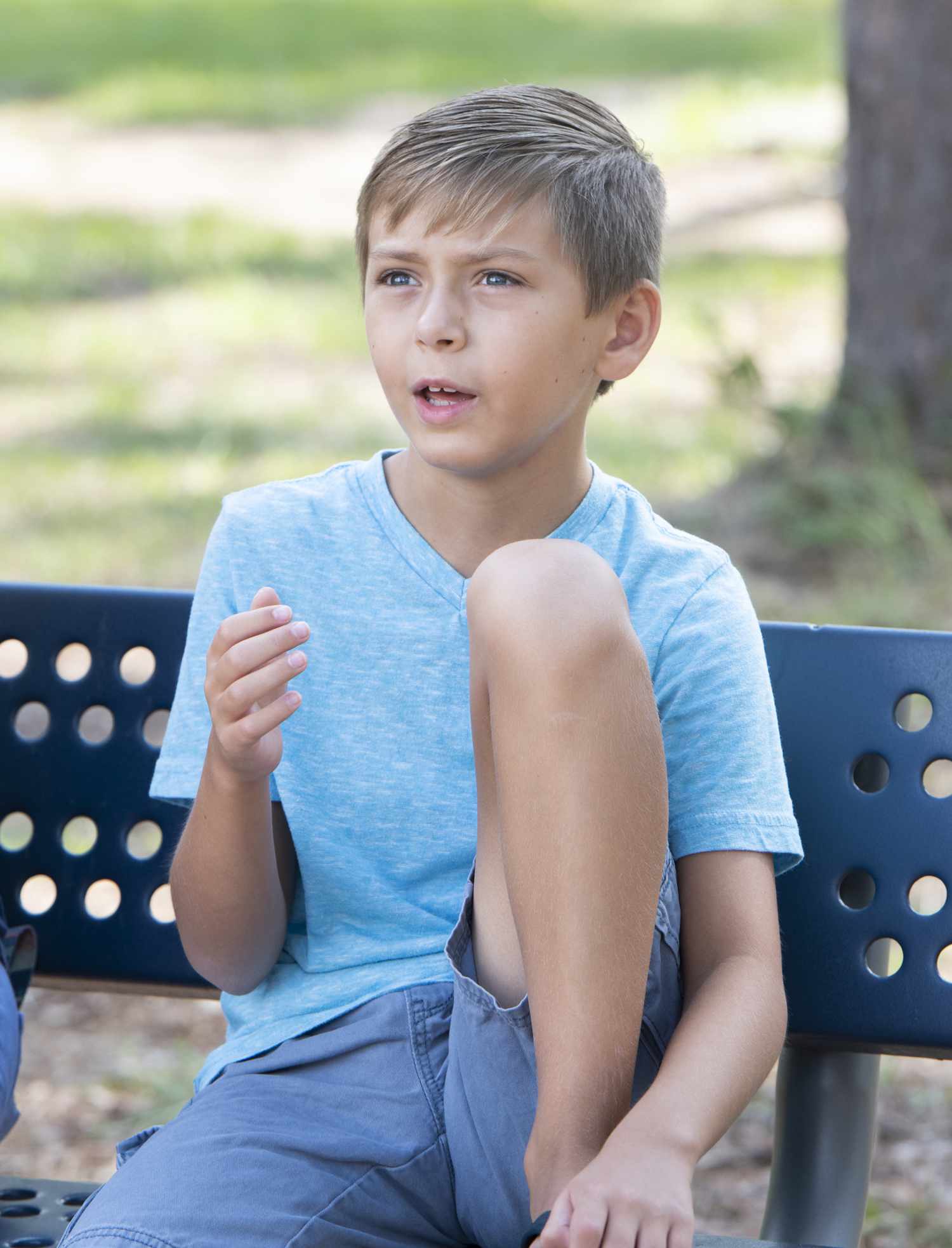
For two years, this young boy lived in near-total isolation. His living conditions were harsh: he survived on a minimal diet consisting mostly of cakes, cold canned goods, and tomatoes he scavenged from a neighbor’s balcony. The flat he inhabited had no electricity or hot water, and he often spent his nights using multiple blankets to keep warm. Despite these dire circumstances, he continued to attend school regularly, managing his studies and even excelling academically. He was viewed by his teachers and peers as a “good pupil,” which further delayed recognition of his distress.
The boy’s mother, who lived nearby, occasionally visited him, but these visits were brief and did not address the deeper issues of neglect. Her failure to provide consistent care for him or ensure his well-being led to significant legal consequences. After authorities intervened, his mother was prosecuted for child abandonment and endangerment, shedding light on a problem that had gone unchecked for far too long.
This situation reveals a troubling reality—neglect that is masked by appearances of normalcy can go unnoticed for years. The boy’s survival skills were extraordinary, but they also underscore the alarming lack of intervention from those who should have noticed the signs. School officials and neighbors were all in a position to recognize something was amiss, but the boy’s ability to maintain outward appearances—his grades, hygiene, and demeanor—meant that his suffering remained hidden until it was almost too late.
The Role of the Community in Child Welfare
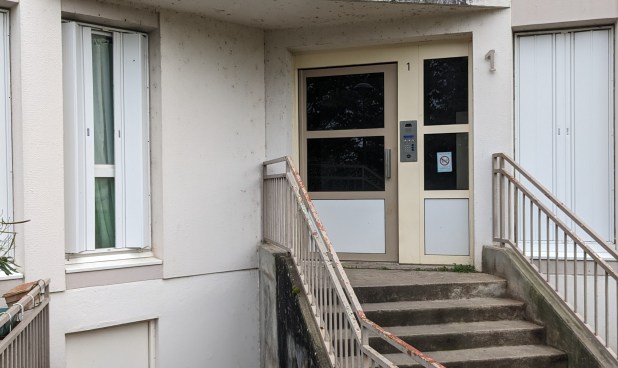
The story of this boy’s survival is a stark reminder of the crucial role communities play in identifying and addressing child neglect. In this case, neighbors occasionally provided him with food, but many failed to recognize the severity of the situation or take action. It wasn’t until a neighbor realized the full extent of the neglect and reported it to authorities that intervention finally occurred.
Research has shown that the presence of strong social ties and community engagement can greatly improve a neighborhood’s ability to identify and prevent neglect. Areas with a higher level of social cohesion—where neighbors are familiar with each other and often communicate—tend to have a better track record in spotting early signs of child abuse or neglect. In this case, the lack of such social interactions meant that the boy’s distress was missed for much longer than it should have been.
Equally concerning is the role of the school system. The boy continued attending classes, maintained good grades, and interacted with teachers, none of whom appeared to notice that something was wrong. This raises the question: how well-equipped are schools to detect the subtle signs of neglect that go beyond academic performance? Educators and school staff need more training in recognizing and responding to cases of child neglect, as academic success should never be the only metric for evaluating a child’s well-being.
Psychological Impact of Neglect on Children
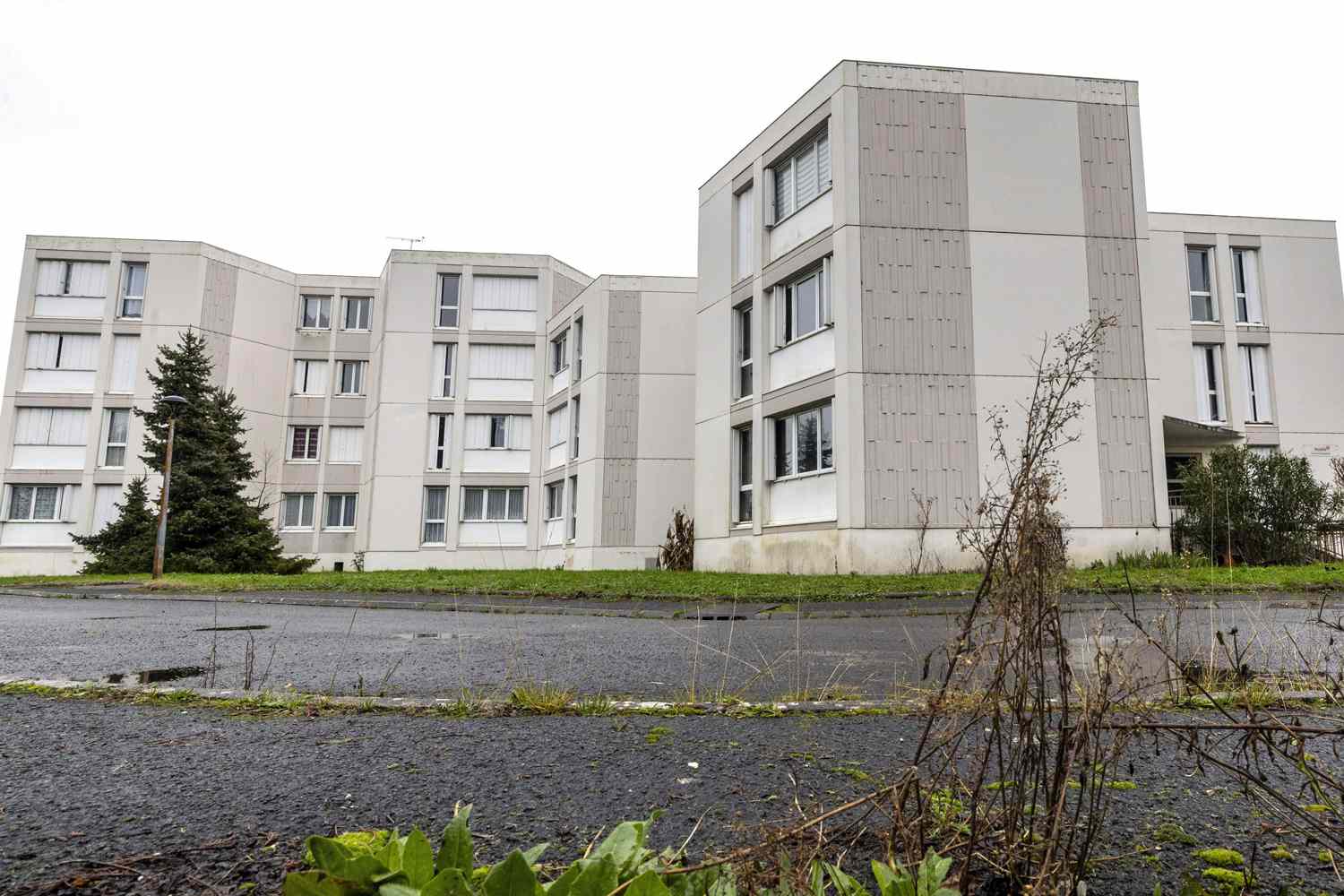
The psychological effects of prolonged neglect on children are both profound and long-lasting. Research shows that chronic neglect, especially during the formative years, can disrupt a child’s emotional and cognitive development. In this boy’s case, despite maintaining a good academic performance, he likely faced severe emotional challenges that could impact his mental health in the future.
Neglect during childhood is associated with a range of cognitive, emotional, and behavioral impairments. Children who experience prolonged neglect may struggle with language development, emotional regulation, and the ability to form healthy relationships later in life. They often face difficulties in socializing and may develop a sense of insecurity or mistrust in others. For this boy, his ability to survive and maintain his academic performance despite these challenges speaks to a remarkable level of resilience, but it also highlights the immense toll such neglect can take on a child’s well-being.
The boy’s case is an example of how some children, despite experiencing severe neglect, may still manage to maintain a sense of normalcy in their lives. However, this should not detract from the fact that such resilience is not always a given, and many children who experience neglect do not fare as well. Effective intervention and support are crucial in helping children overcome the adverse effects of neglect and trauma.
Legal Consequences and Social Responsibility

The legal consequences for the mother of this boy were severe. In France, child neglect is taken very seriously, and those responsible for it can face significant legal repercussions, including imprisonment. In this case, the mother was charged with child abandonment and endangerment, a reflection of how seriously French law treats the welfare of children.
However, the legal system’s response only came after the situation reached a crisis point. This delay in intervention raises important questions about the broader social responsibilities in protecting children. Communities, schools, and other institutions must recognize that neglect can sometimes be subtle and hidden behind seemingly normal behavior. The failure to act sooner in this case demonstrates the gaps in our systems for safeguarding vulnerable children.
Moreover, the case serves as a reminder of the need for more comprehensive child welfare programs that not only react to reported cases of neglect but also take proactive measures to prevent them. Preventive programs, early intervention, and greater community involvement are critical in addressing child neglect before it becomes a crisis.
How to Prevent Child Neglect in Your Community
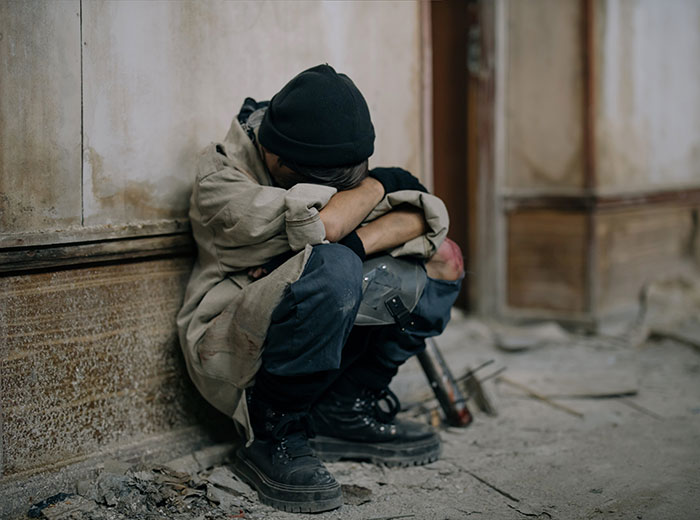
While the situation in Nersac was an extreme case, it highlights the importance of community vigilance in protecting children. Here are a few ways that individuals and communities can help prevent neglect and support children in need:
- Be Observant: Pay attention to children in your neighborhood. Look for signs such as frequent injuries, signs of malnutrition, or improper clothing for the weather. These could indicate neglect.
- Know the Signs: Educate yourself about the signs of child abuse and neglect. Child welfare organizations often provide resources and training to help community members recognize warning signs.
- Offer Support: If you see a family in distress, offer support. Simple acts of kindness can make a significant difference. For instance, offering to help with childcare or providing meals can alleviate some of the stress that might contribute to neglect.
- Report Suspected Neglect: Know who to contact if you suspect child neglect. Familiarize yourself with local child welfare services and be prepared to make a report if necessary.
- Support Local Programs: Many communities have family resource centers and prevention programs. Supporting these initiatives can help prevent neglect by providing families with the resources they need before issues escalate.
- Create Community Connections: Building a strong community can help ensure that children are supported and looked after. Engaging in neighborhood events and building relationships with families can help create a safer environment for everyone.
A Call for Greater Awareness and Action
The story of the nine-year-old boy from Nersac is a sobering reminder of how neglect can remain hidden even in close-knit communities. While the boy’s resilience and ability to maintain his academic success are remarkable, they should not overshadow the broader issue of child neglect and the need for greater awareness and action.
This case underscores the importance of early intervention, education, and community responsibility in safeguarding the well-being of children. It also highlights the need for schools and communities to recognize that neglect can manifest in ways that go beyond academic performance. By working together and remaining vigilant, we can help ensure that children receive the care and protection they deserve.