

Table of Contents
- A Breakthrough in Diabetes Treatment
- Understanding Type 1 Diabetes
- The Groundbreaking Stem Cell Treatment
- The First Patient’s Journey
- Challenges and Uncertainties in the Science
- Global Impact and Industry Implications
- Ethical Concerns and Questions of Access
- What’s Next for Type 1 Diabetes Treatment?
- A New Era for Diabetes Treatment
A Breakthrough in Diabetes Treatment
In a landmark development, scientists in Beijing have unveiled a potential cure for Type 1 Diabetes (T1D), a disease that has plagued millions worldwide for more than a century. Unlike current treatments that only manage the symptoms, this new approach aims to address the root cause of the disease by restoring the body’s ability to produce insulin naturally. The breakthrough, achieved at Peking University, involves reprogramming a patient’s own fat cells into insulin-producing cells. This has led to a successful trial where the first patient, a 25-year-old woman, stopped relying on insulin injections after undergoing the procedure. Could this be the breakthrough that Type 1 Diabetics have long hoped for?
While the concept of curing T1D has long remained a distant dream for the medical community, this Chinese discovery may change that narrative. But as exciting as the news is, it also raises several important questions about the safety, accessibility, and long-term sustainability of such a treatment.
Understanding Type 1 Diabetes
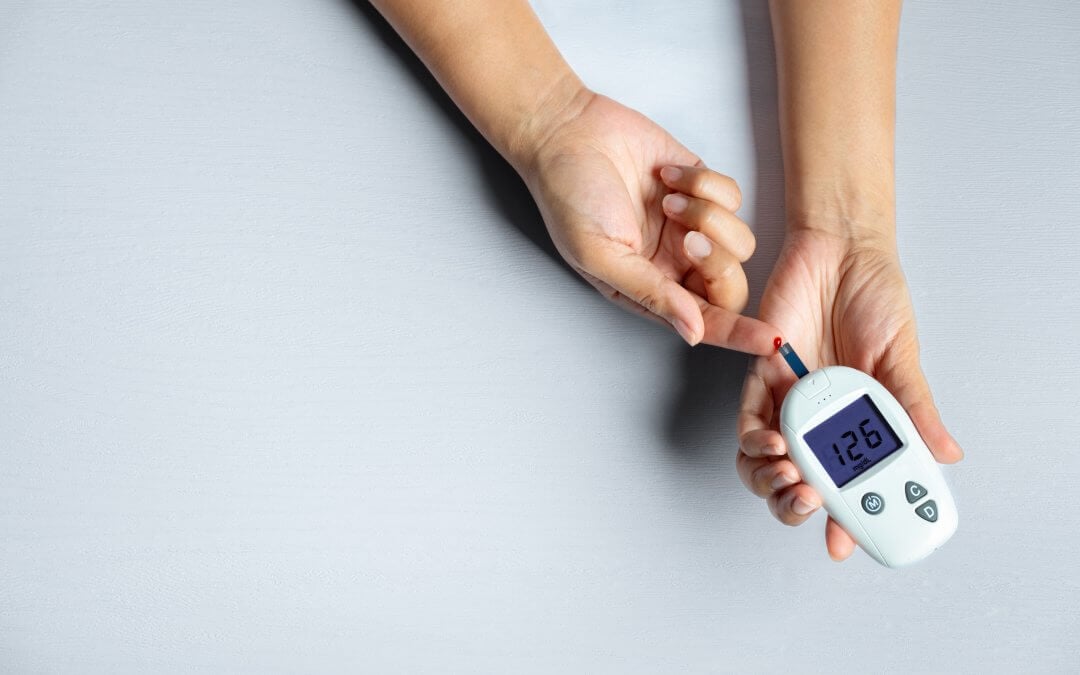
Type 1 diabetes is an autoimmune condition in which the body’s immune system mistakenly attacks and destroys the beta cells in the pancreas. These cells are responsible for producing insulin, a hormone that helps regulate blood sugar levels. Without sufficient insulin, glucose accumulates in the bloodstream, leading to high blood sugar levels, which can cause serious health issues if not managed properly.
For those with T1D, insulin therapy is the lifeline. Patients must inject insulin multiple times a day or use an insulin pump, while also constantly monitoring their blood glucose levels. This daily routine is essential to prevent dangerous highs and lows in blood sugar. Even with the best tools available, managing T1D is an ongoing challenge, as there is no current cure. The introduction of this stem cell therapy offers hope that insulin independence could one day become a reality.
The Groundbreaking Stem Cell Treatment
This new treatment, developed by researchers at Peking University, revolves around the use of induced pluripotent stem cells (iPSCs). The process begins with a small sample of fat tissue from the patient’s body. This sample is then reprogrammed into iPSCs, which have the ability to develop into almost any type of cell in the body.
The critical next step is guiding these iPSCs to become insulin-producing beta cells, the same cells that the body normally uses to regulate blood sugar. Once the newly created insulin-producing cells are ready, they are implanted into the patient’s abdominal muscle, where they integrate into the surrounding tissue. This allows them to respond to changes in blood sugar and produce insulin in the way the body’s natural cells would.
What makes this approach different from previous attempts is that the procedure uses the patient’s own fat cells, significantly reducing the risk of immune rejection. Previous trials that used donor cells required patients to take immunosuppressants to prevent their bodies from rejecting the foreign cells. This new method eliminates that concern, as the cells are derived from the patient’s own tissue.
The First Patient’s Journey
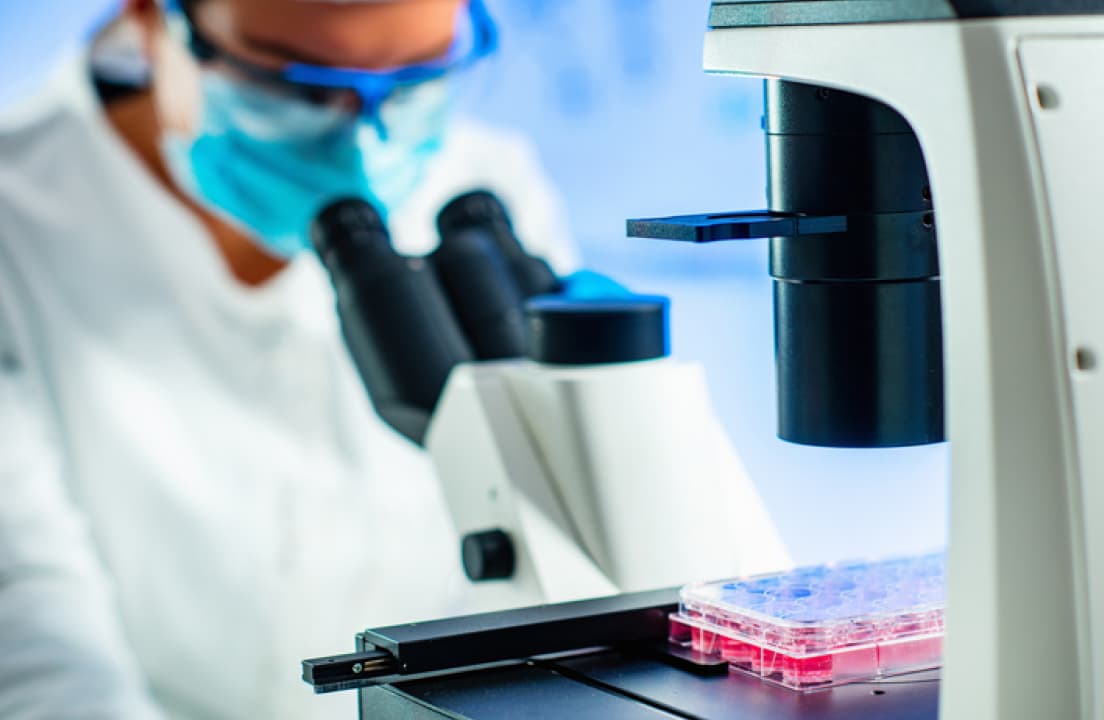
The first patient to undergo this procedure was a 25-year-old woman who had been living with Type 1 Diabetes for several years. After receiving the treatment, she was able to stop using insulin altogether within 75 days, with her blood glucose levels remaining stable for more than a year. This marked the first time a Type 1 Diabetic patient had achieved insulin independence through stem cell therapy.
For this patient, the therapy didn’t just represent a medical breakthrough—it restored a sense of normalcy and independence. After years of daily injections and constant blood sugar monitoring, she was free from the need for insulin. Her success is being hailed as a major milestone in diabetes research, but it’s important to recognize that this is just the first case. The true test will be whether this therapy can provide long-term results and be scaled to benefit millions of people living with Type 1 Diabetes.
Challenges and Uncertainties in the Science
While the success of the first patient is promising, experts caution that this breakthrough is still in its early stages. The treatment has only been tested in a small group of patients, and long-term data is still needed to determine if the effects are sustainable. In particular, researchers are closely monitoring whether the reprogrammed cells continue to produce insulin over a long period of time and whether they remain functional without being attacked by the immune system.
Additionally, the fact that Type 1 Diabetes is an autoimmune disease means that the body’s immune system may eventually attack the newly created beta cells. This raises questions about the long-term viability of the treatment, and researchers are working to find ways to prevent this immune response. Some scientists are exploring genetic modifications to make the newly created cells more resistant to immune attack, while others are considering other methods to protect the cells.
Another significant challenge is the scalability of this therapy. At present, the process of reprogramming fat cells into functional beta cells is labor-intensive and requires highly specialized techniques. For this treatment to become widely available, it will need to be mass-produced in a way that is cost-effective and accessible to the millions of people living with Type 1 Diabetes around the world.
Global Impact and Industry Implications
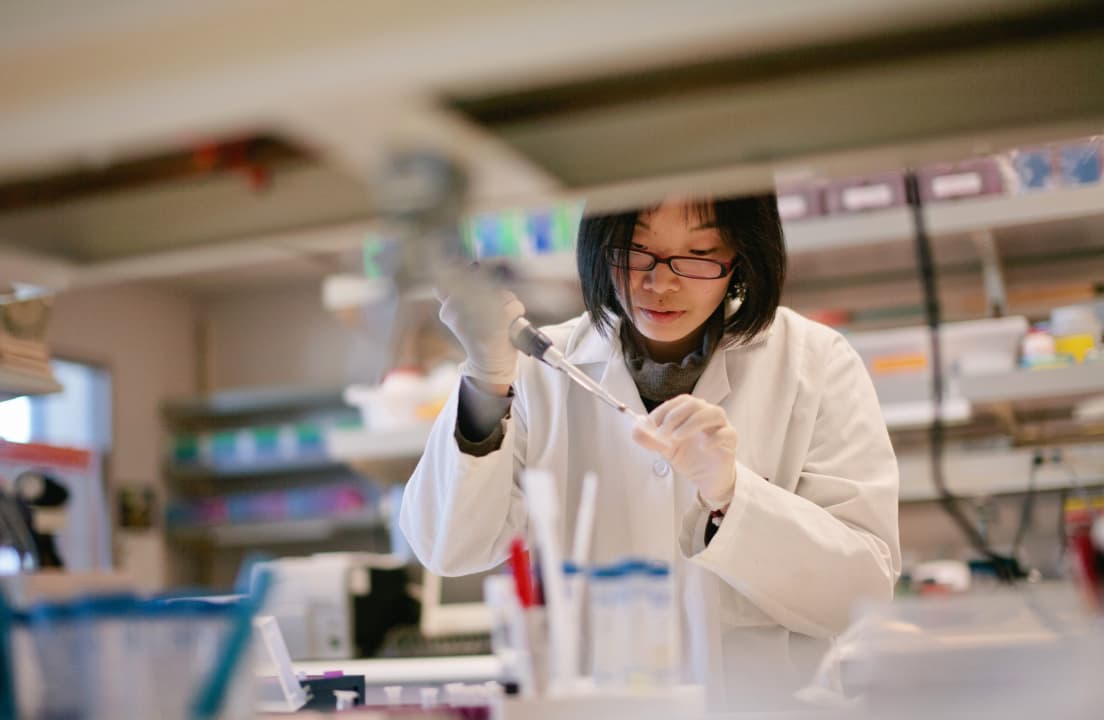
If this treatment can be proven safe and effective over the long term, it could have profound implications for the healthcare industry. The global market for diabetes care is enormous, with Type 1 Diabetes alone affecting millions of people worldwide. Insulin, which is currently the primary treatment for diabetes, generates billions of dollars in revenue for pharmaceutical companies each year. If a functional cure for Type 1 Diabetes becomes available, it could disrupt this market and lead to a shift in how diabetes is treated.
This potential shift in the healthcare landscape is already raising questions. How will the pharmaceutical industry respond to a potential cure? Will insurance companies and governments support the widespread adoption of this therapy, or will access be limited by cost and availability? These are important questions that will need to be addressed in the coming years as the treatment moves through clinical trials and regulatory reviews.
Moreover, the success of this therapy could also spark new innovations in regenerative medicine, offering hope for other diseases that involve the destruction of critical cells, such as Parkinson’s disease, heart disease, and even certain types of cancer.
Ethical Concerns and Questions of Access
As with any breakthrough technology, there are important ethical considerations to address. One of the main concerns is the accessibility of this therapy. Given the labor-intensive nature of the process, the treatment is currently expensive and may be out of reach for many patients. Even if the procedure becomes more efficient and affordable in the future, there may be disparities in access between high-income and low-income countries, raising concerns about global healthcare inequality.
Additionally, there are questions about the ethics of using stem cells in this way. While the cells are derived from the patient’s own fat tissue, some people may still have reservations about the use of stem cell technology in medical treatments. Researchers and policymakers will need to address these concerns in order to ensure that the therapy is developed in an ethical and responsible manner.
What’s Next for Type 1 Diabetes Treatment?
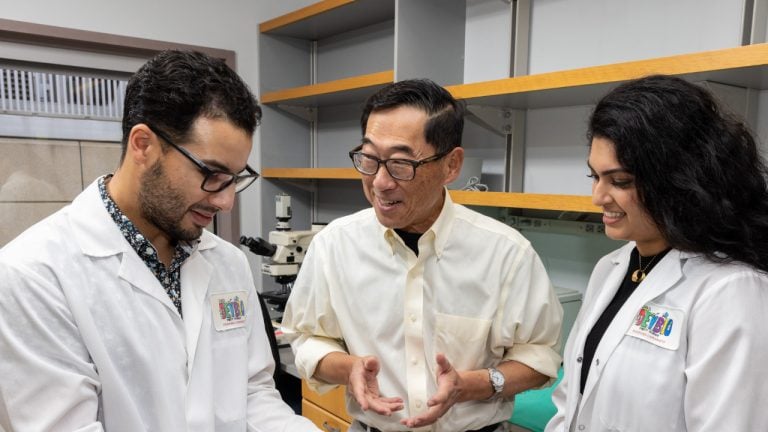
While this breakthrough is an exciting step forward, it’s important to recognize that it is just the beginning. The path from experimental treatment to widespread, accessible therapy will take time. Large-scale clinical trials, regulatory approvals, and the development of manufacturing systems will all need to be completed before this treatment can be made available to the general public.
For people living with Type 1 Diabetes, this breakthrough offers hope for the future. While insulin therapy remains the standard of care, the success of this treatment shows that the possibility of a true cure is no longer a distant dream. In the meantime, patients and advocates will continue to push for more research, funding, and access to treatments that improve quality of life.
A New Era for Diabetes Treatment

The success of the stem cell therapy developed by researchers in Beijing is an incredible milestone in the fight against Type 1 Diabetes. While there are still challenges to overcome, the fact that this therapy has restored insulin independence in a patient for over a year is a testament to the power of regenerative medicine. As research continues and the therapy moves closer to becoming a standard treatment, the potential to change the lives of millions of people with Type 1 Diabetes is within reach.
For now, this breakthrough offers a glimmer of hope for a disease that has long been managed, but never cured. If the therapy proves to be safe and sustainable, it could redefine the future of diabetes care, offering patients a life free from daily insulin injections and the constant worry of blood sugar fluctuations. The path ahead may be long, but the promise of a cure for Type 1 Diabetes is brighter than ever.