

Table of Contents
- A Flat Earth Belief That Took Sail
- A Quest Based on Misguided Beliefs
- Navigational Failures and the Unraveling of Their Journey
- The Psychological and Societal Factors Behind the Belief
- The Role of Online Platforms and Misinformation
- Lessons Learned from the Misadventure
- The Broader Implications of the Flat Earth Belief
- The Need for Critical Thinking and Vigilance
A Flat Earth Belief That Took Sail
In a world where scientific evidence overwhelmingly supports the round Earth theory, there remains a vocal community that staunchly adheres to the belief that the Earth is flat. One such couple, driven by this controversial conviction, embarked on a journey during the pandemic to sail to the edge of the world. Their voyage was not only a pursuit of an unfounded theory but a testament to the strength of human belief, no matter how misguided. However, what seemed like an adventurous quest quickly turned into a disaster, highlighting the inherent contradictions in their beliefs and the practical challenges of navigating the world based on a debunked theory.
This story of adventure and misadventure began in Venice, Italy, during the height of the COVID-19 pandemic. As global travel was restricted, this couple sought to break free of the confines of quarantine and embark on an expedition that defied scientific reasoning. Their mission? To sail to Lampedusa, an island they believed was the “edge of the world,” the place where the flat Earth theory supposedly met its limits. The couple’s story, filled with irony and missteps, reflects not just the persistence of this belief but also the profound challenges that come with following a theory that contradicts centuries of scientific evidence.
A Quest Based on Misguided Beliefs
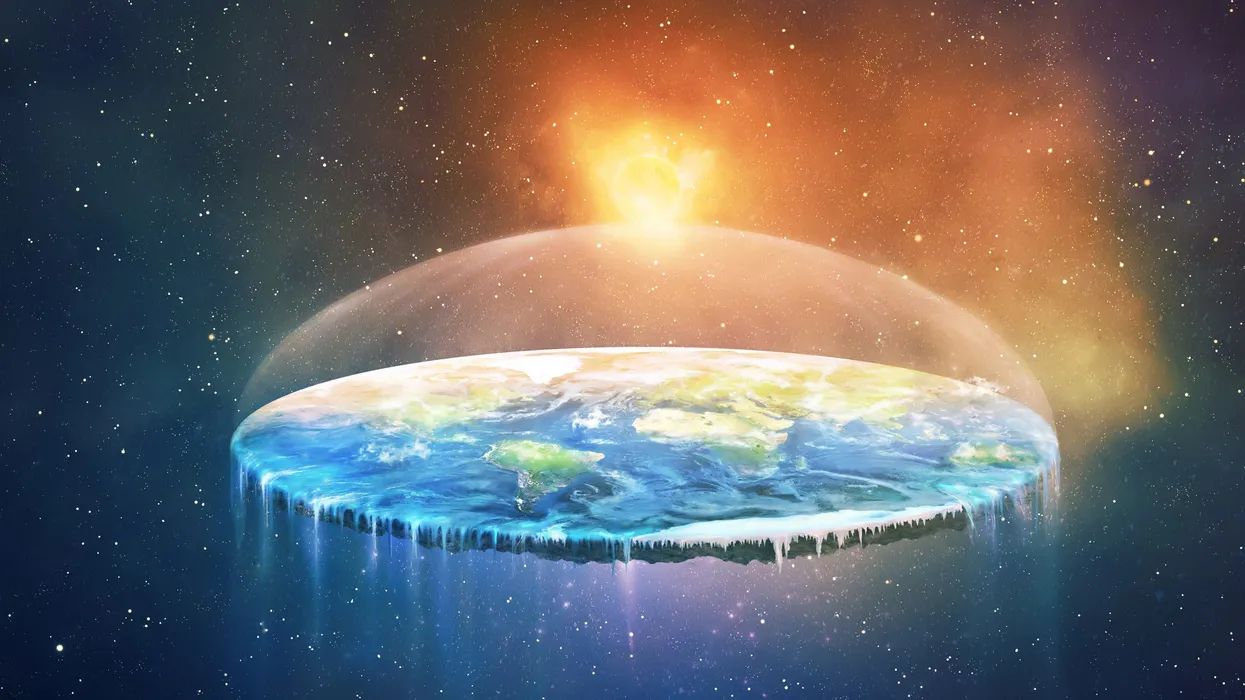
The couple’s decision to pursue this theory was more than just an abstract interest—it was a life-altering commitment. To fund their journey, they sold their car, demonstrating the depth of their belief in the flat Earth theory. With the money raised, they purchased a boat and set sail, eager to discover what they were convinced lay beyond the horizon. However, their journey began with an immediate contradiction: the couple relied on a compass to navigate.
The compass, an instrument used for navigation, functions based on Earth’s magnetic field—something that flat Earth believers typically reject. The irony of using such a tool in their pursuit of disproving a spherical Earth was not lost on observers. Salvatore Zichichi, a doctor from the maritime health office, remarked, “The funny thing is that they oriented themselves with the compass, an instrument that works on the basis of terrestrial magnetism, a principle that they, as flat-Earthers, should reject.” This paradox not only highlighted the scientific principles they inadvertently accepted but also served as a reminder of the robustness of the Earth’s actual shape, which flat Earth theories continue to ignore.
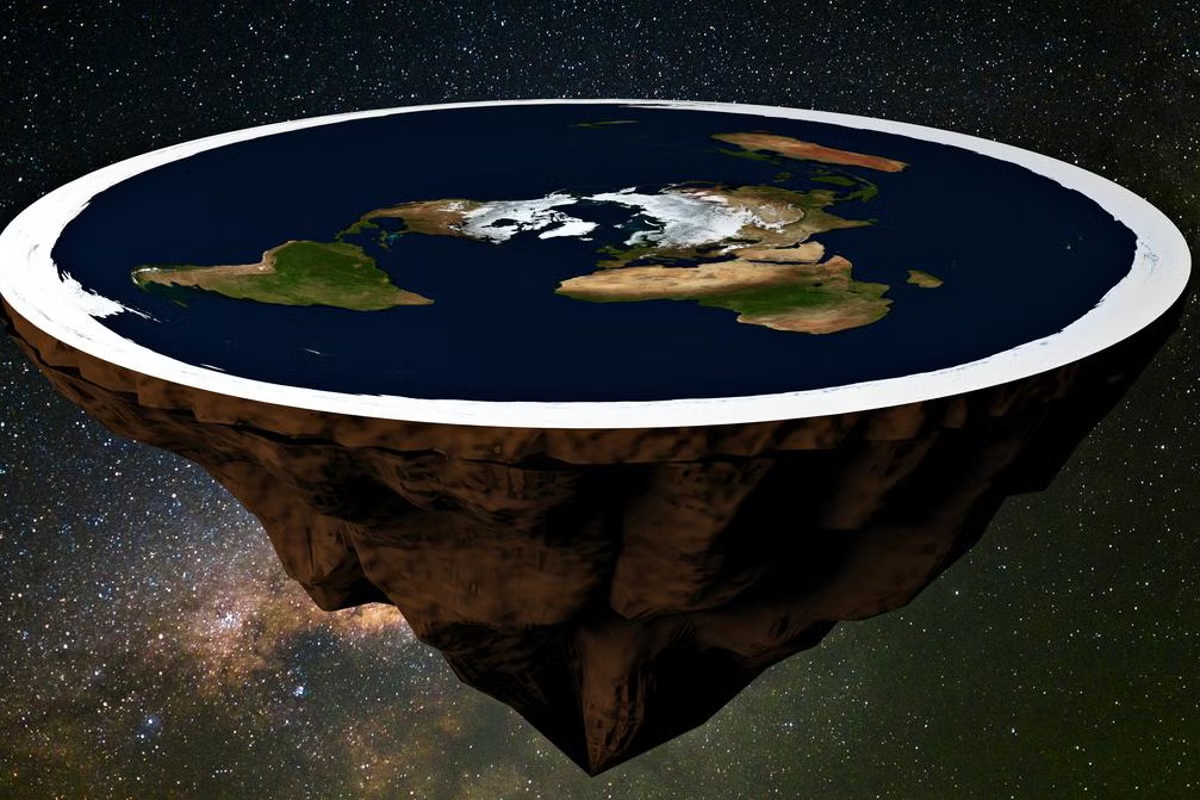
As the couple sailed into the Mediterranean, their voyage quickly became a series of misadventures. Despite their determination, they were unable to stay on course and missed their intended destination of Lampedusa. Instead, they ended up on the island of Ustica, significantly off their planned route. This error in navigation was a clear indication of the practical difficulties they faced in attempting to prove a discredited theory using tools rooted in science.
Upon reaching Ustica, the couple’s ordeal worsened as they found themselves placed under quarantine due to the ongoing pandemic. However, undeterred by this setback, they attempted to escape quarantine in an effort to continue their journey. Their escape attempt, which lasted only three hours before authorities located and retrieved them, mirrored the youthful folly of trying to run away from home, only to be promptly returned. Their lack of planning and understanding of the situation became painfully evident as they abandoned their quest and returned to mainland Italy by ferry.
This turn of events underscored the profound gap between their conviction and reality. Despite their persistence, their efforts were met with the consequences of misdirected beliefs, offering a stark reminder of the dangers of pursuing such goals without a grounded understanding of the world.
The Psychological and Societal Factors Behind the Belief
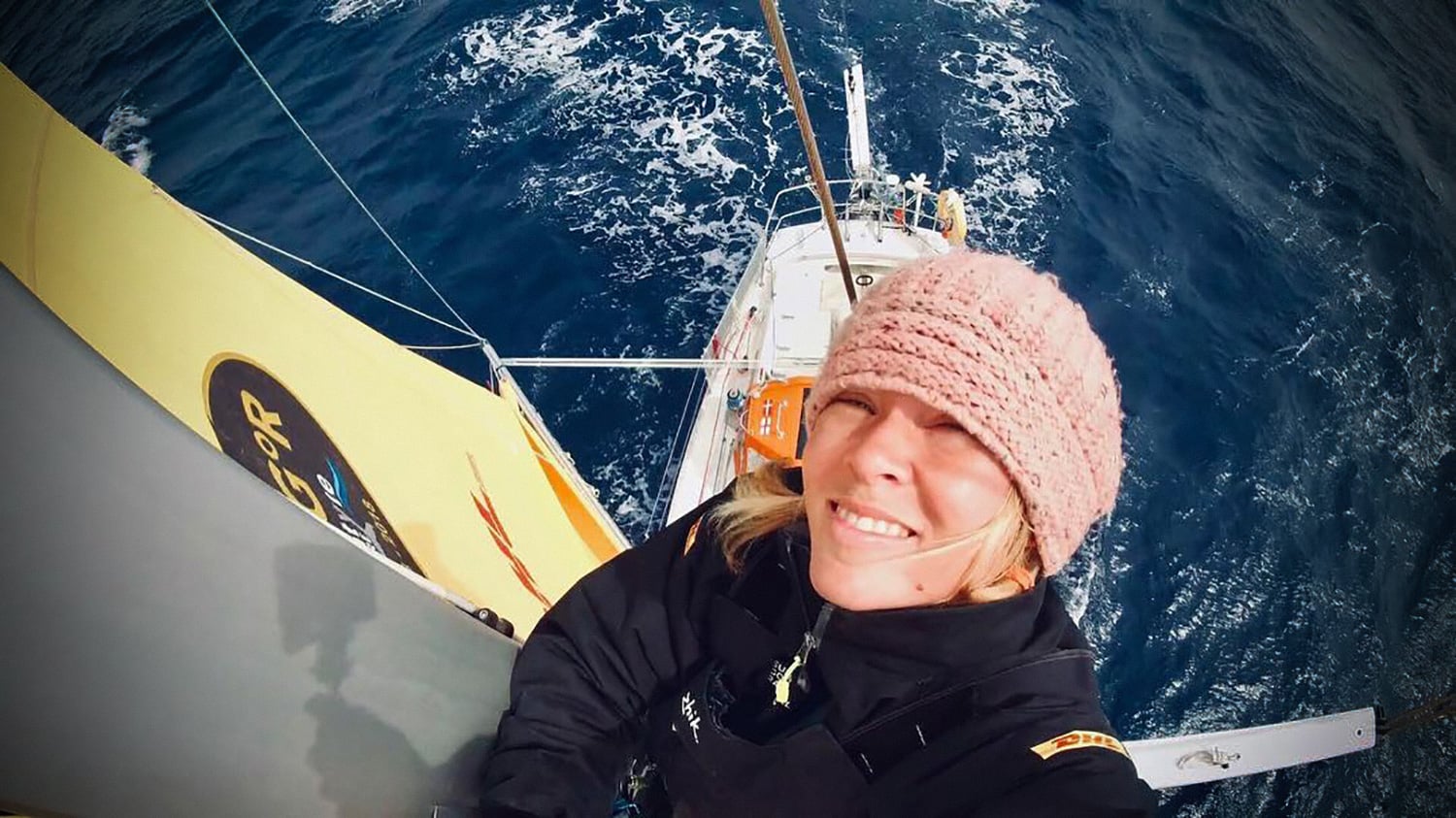
While the flat Earth belief remains a fringe theory, its persistence among a segment of the population is a topic that psychologists and sociologists have been studying for years. Research by Asheley Landrum, a psychologist from Texas Tech University, revealed that many flat Earthers hold their beliefs with sincere conviction. These individuals are not simply trolling for attention; they are genuinely convinced that the Earth is flat. Landrum’s interviews with members of the flat Earth community highlighted the role of deep distrust in institutions and authorities in shaping these beliefs. “It’s not really an education thing – it really is about distrusting authorities and institutions,” she explained.
This distrust, coupled with a conspiracy mentality, is a significant driver behind the persistence of the flat Earth belief. It is not just about rejecting scientific evidence but also about rejecting the authorities and institutions that provide this evidence. The online communities that fuel these beliefs—particularly on platforms like YouTube—exacerbate this situation. Many flat Earthers reported being introduced to the theory through videos, which, thanks to platform algorithms, led them deeper into a cycle of misinformation and conspiracy. This illustrates the critical role that media literacy and critical thinking play in counteracting such unfounded beliefs.
The Role of Online Platforms and Misinformation

The spread of the flat Earth theory, particularly through online platforms, is a phenomenon that has become increasingly prevalent in the digital age. Landrum’s research shows that YouTube is a key source for many individuals’ exposure to the theory. The platform’s algorithms often promote related content, creating a “rabbit hole” effect that deepens viewers’ beliefs and makes it difficult for them to break free from the cycle of misinformation. This highlights the importance of media literacy and the need for better science communication in combating the spread of such unsubstantiated theories.
The couple’s reliance on YouTube and other online resources to fuel their journey is a powerful reminder of the influence that digital platforms can have on individuals’ beliefs. While online spaces provide a platform for open discussion and the exchange of ideas, they can also perpetuate misinformation, especially when individuals seek confirmation of their beliefs rather than the truth. This underscores the urgent need for more effective strategies to combat misinformation and foster critical thinking, particularly in the digital age.
Lessons Learned from the Misadventure

The misadventure of the flat Earth couple offers several key lessons that extend beyond their personal journey. First, it highlights the power of deeply held beliefs and how they can drive individuals to take extraordinary, sometimes irrational, actions. The couple’s determination to find the edge of the world, despite overwhelming scientific evidence to the contrary, underscores the strength of conviction and the human desire for certainty.
Second, their reliance on a compass, an instrument rooted in scientific principles they rejected, reveals the necessity of critical thinking and understanding basic scientific concepts. This paradoxical reliance on a tool that directly contradicts their beliefs serves as a reminder of the importance of education and scientific literacy in navigating the complex world of ideas.
Finally, the couple’s misadventures emphasize the dangers of misinformation and the role of online platforms in perpetuating false beliefs. Their journey was not only a literal attempt to find the edge of the world but also a metaphorical exploration of the limits of human understanding when clouded by misinformation.
The Broader Implications of the Flat Earth Belief
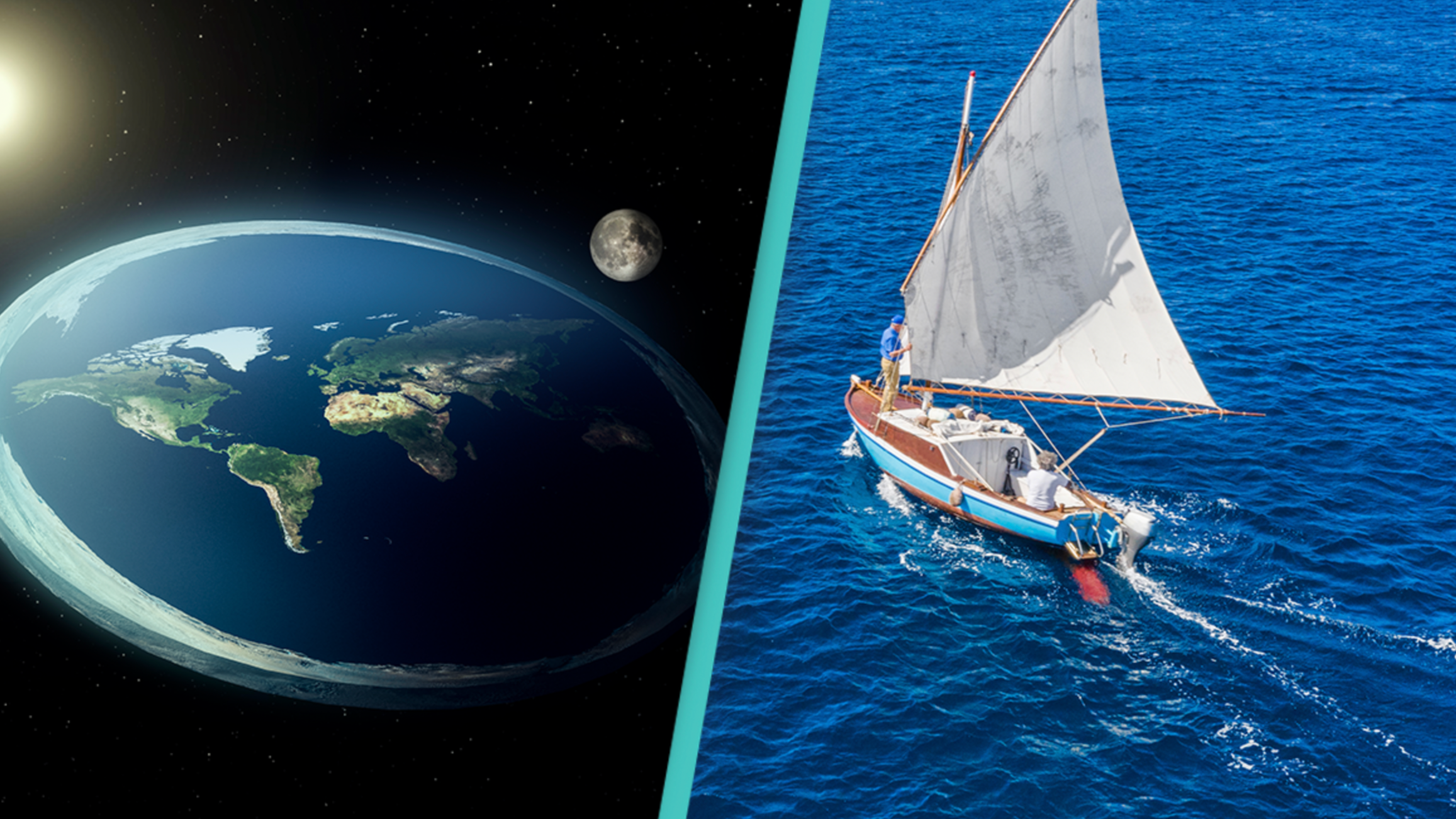
The case of the flat Earth couple is not just an isolated incident. It reflects a broader societal challenge: the persistence of irrational beliefs in the face of overwhelming evidence. While the scientific community has long debunked the flat Earth theory, it continues to attract attention among a small but vocal group. This phenomenon raises important questions about how we approach education, critical thinking, and the dissemination of scientific knowledge.
In the digital age, where information is easily accessible but not always accurate, the challenge of combating misinformation has never been greater. The spread of flat Earth beliefs, along with other conspiracy theories, illustrates the need for a more informed and scientifically literate society. It also calls for greater accountability from online platforms, which have the power to shape public opinion and perpetuate misinformation.
The Need for Critical Thinking and Vigilance
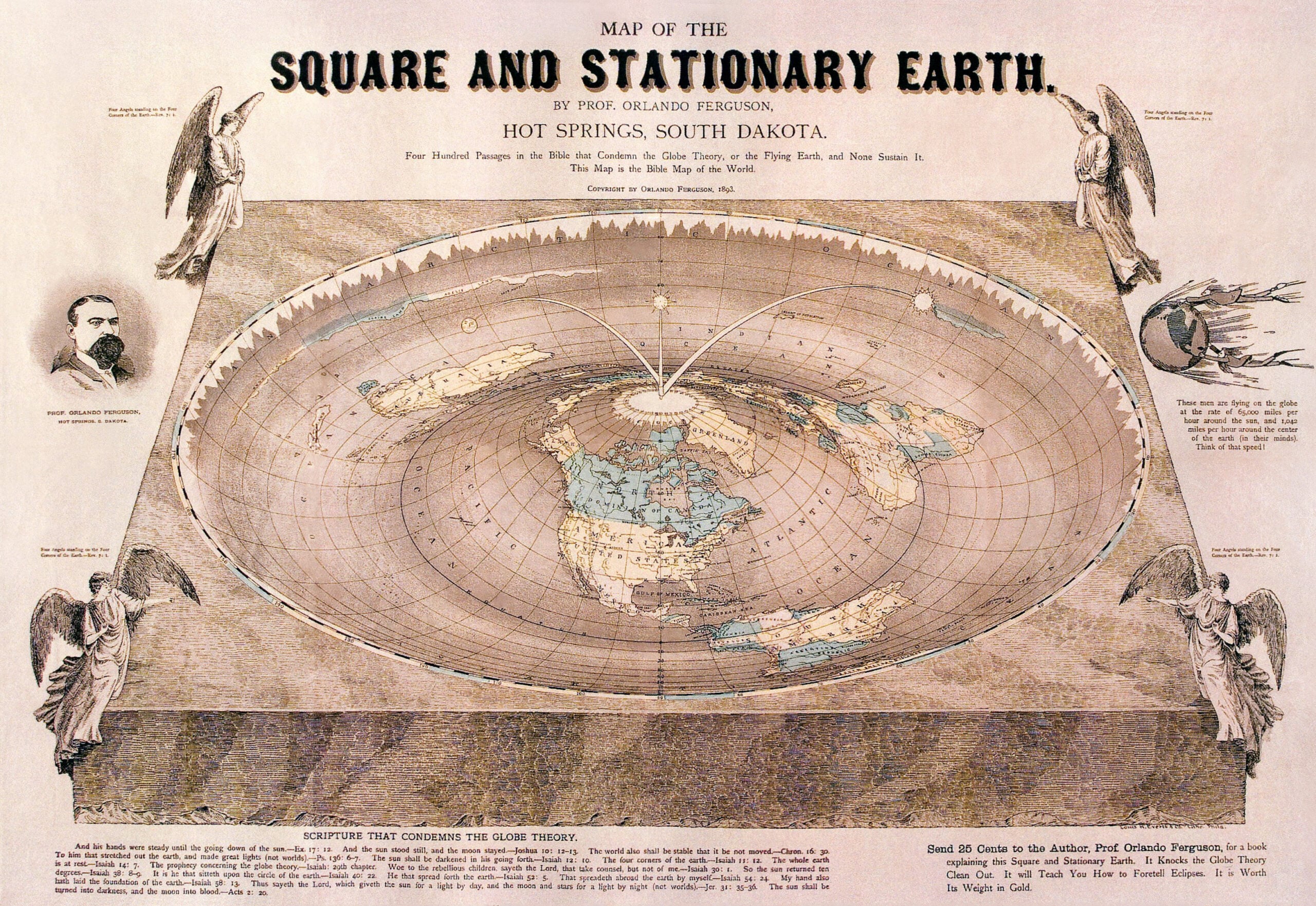
The story of the flat Earth couple’s journey is a reminder of the importance of critical thinking, scientific literacy, and vigilance in the face of misinformation. While their journey may have been misguided, it highlights the strength of human belief and the consequences of allowing misinformation to flourish unchecked. As we move forward, it is essential to continue promoting education, fostering critical thinking skills, and encouraging healthy skepticism in the face of unsupported claims. In doing so, we can ensure that future generations are better equipped to navigate the complexities of the world and the ideas that shape it.