
Table of Contents
- The Retaliation Behind the Funding Cut
- Political Context: Trump’s Attack on Pope Leo XIV
- Retaliation Against Religious Institutions
- A Long-Standing Partnership Under Siege
- The Trump Administration’s Pattern of Conflict with the Catholic Church
- The Legal and Constitutional Ramifications
- The Catholic Church’s Commitment to the Vulnerable
- The Moral and Ethical Implications
- What This Means for Religious Freedom in the U.S.
- A Call to Action
The Retaliation Behind the Funding Cut
Catholic Charities has been a pillar of support for migrant children, with a 60-year legacy of providing shelter, foster care, and family reunification services. Yet, the Department of Health and Human Services (HHS) recently justified this drastic action by citing a decline in the number of unaccompanied minors in federal custody. While reduced demand might warrant adjustments, the scale of the closure suggests something more sinister at play. Archbishop Thomas Wenski of Miami noted that this program was a national model, recognized for its competence in providing care to vulnerable children. The funding withdrawal came mere days after President Trump’s attack on Pope Leo XIV, escalating tensions between the Vatican and the U.S. administration.
Political Context: Trump’s Attack on Pope Leo XIV
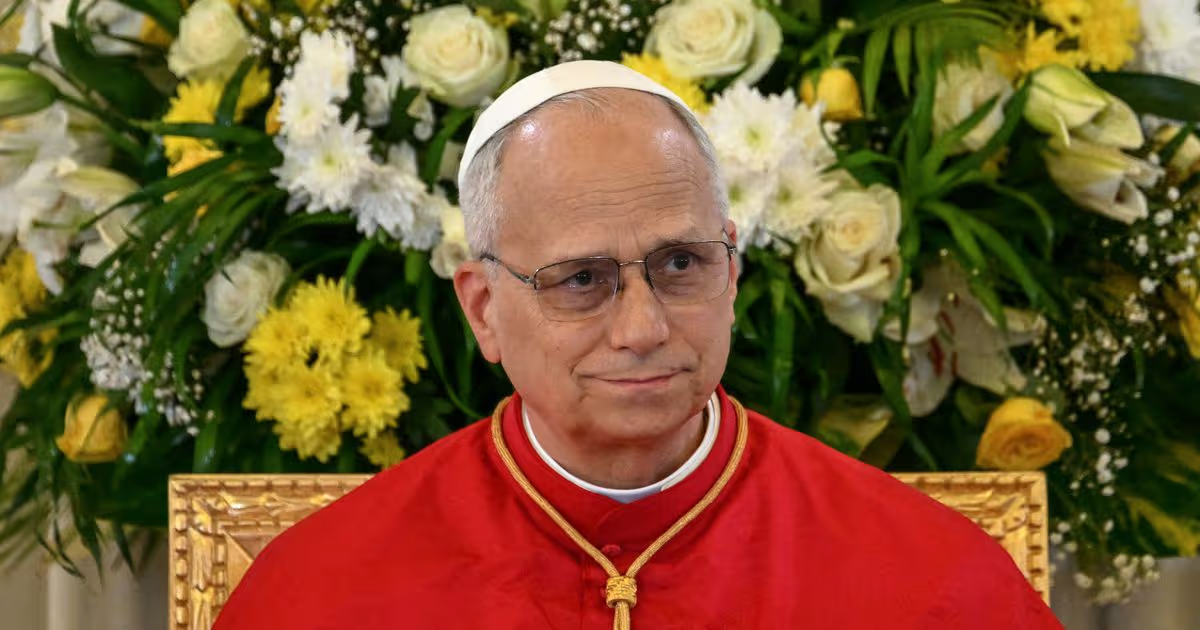
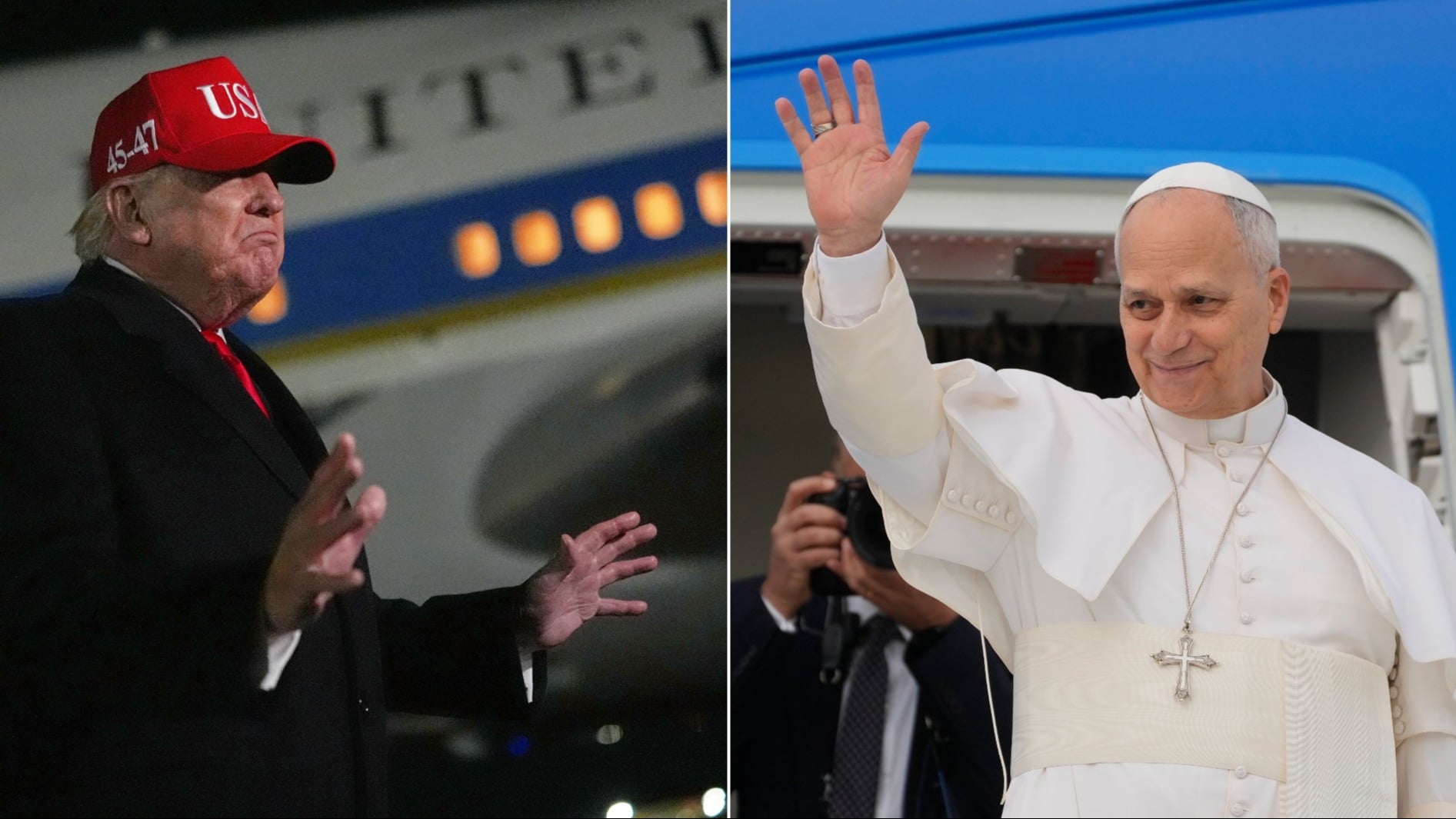
The Trump administration’s attack on Catholic Charities coincides with a broader dispute with Pope Leo XIV. The pope’s criticism of U.S. foreign policy and its role in the Iran conflict led Trump to publicly call him “weak on crime” and “terrible for foreign policy.” This was followed by statements from Italian Prime Minister Giorgia Meloni, who condemned the president’s remarks as “unacceptable.” This marks the latest in a series of incidents where the administration has clashed with the Vatican, including Vice President JD Vance’s accusations against Catholic institutions for prioritizing profit over humanitarian concerns.
Retaliation Against Religious Institutions
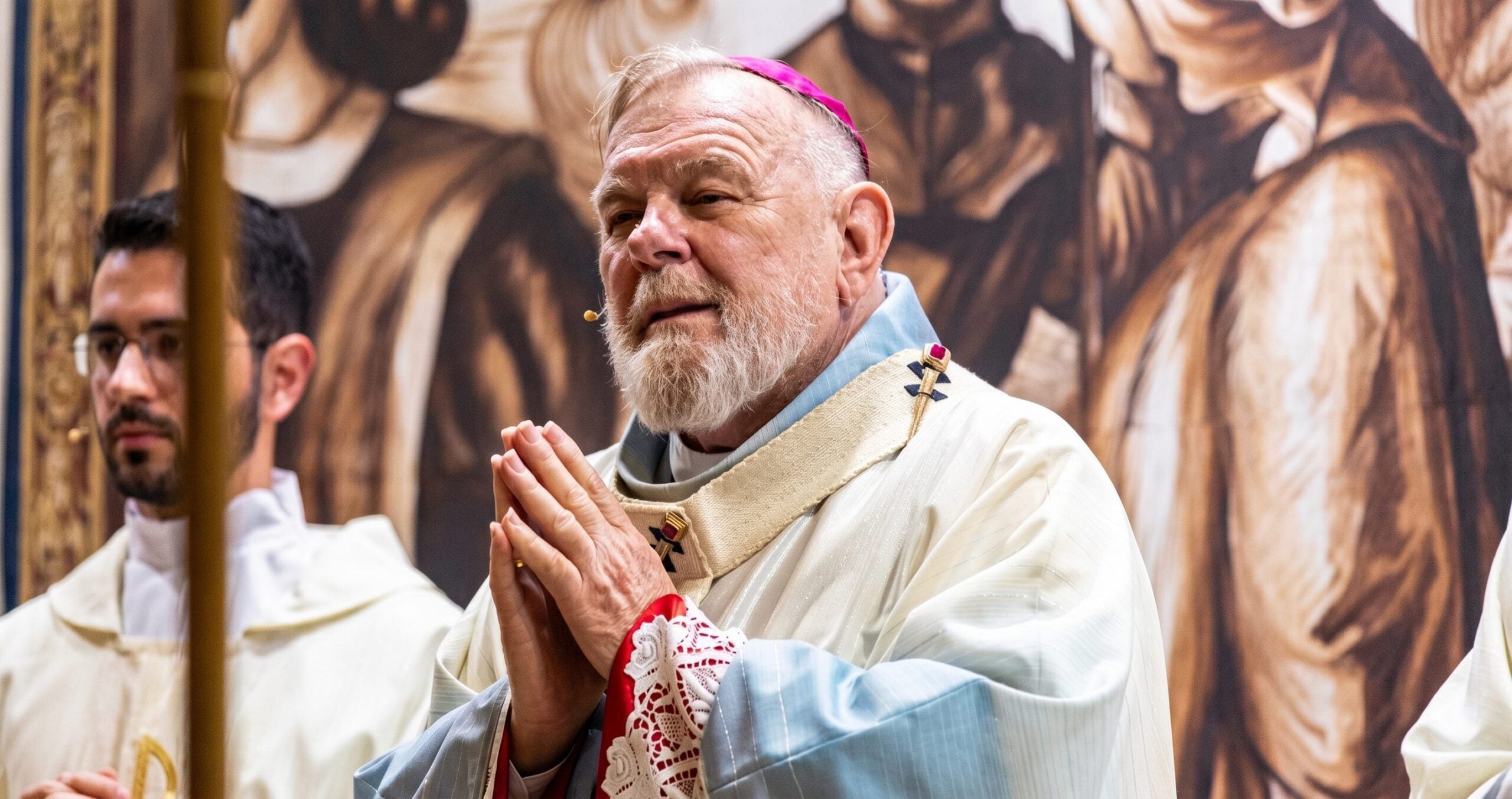
This funding cut is not the first time the Trump administration has targeted religious institutions critical of its policies. Early in 2025, the administration froze federal funding for Catholic Charities of the Rio Grande Valley in Texas, and other religious groups have faced similar penalties. The withdrawal of funding for the Monsignor Bryan Walsh Children’s Village, a Catholic charity dedicated to aiding vulnerable children, sends a clear message to religious organizations that their financial support could be revoked if they challenge the administration’s policies. This move raises important questions about the future of religious freedom and the government’s role in punishing institutions for their beliefs.
A Long-Standing Partnership Under Siege
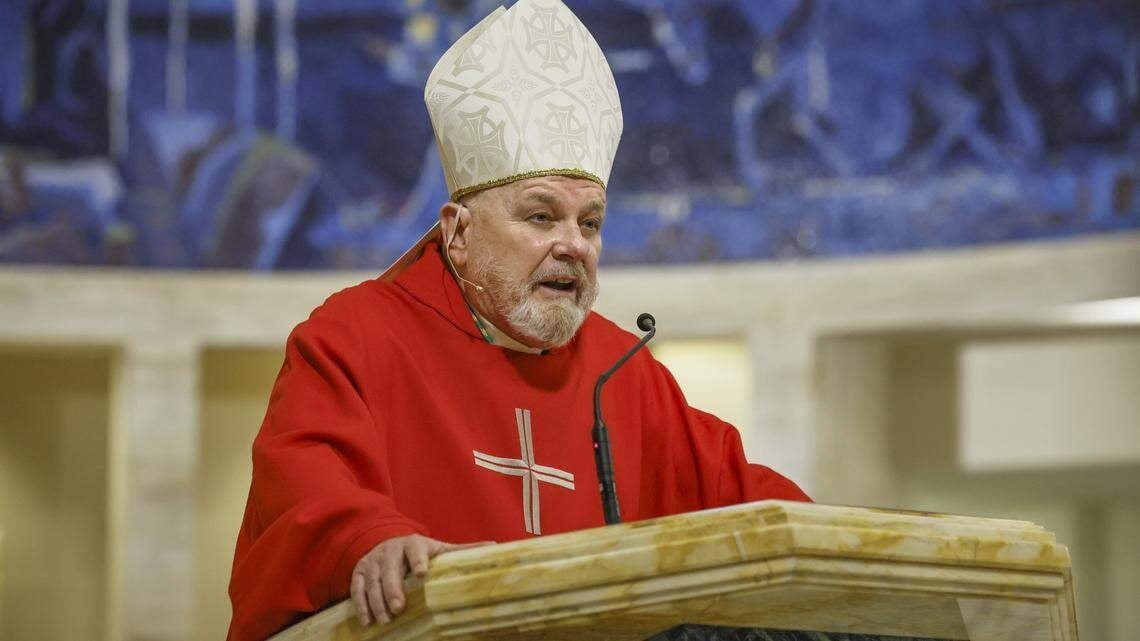
The partnership between the U.S. government and Catholic Charities has spanned decades, with the Church playing a critical role in the care of migrants and refugees. Operation Pedro Pan, which began in the early 1960s, saw the Church shelter over 14,000 Cuban children fleeing Fidel Castro’s regime. For more than six decades, Catholic Charities has been at the forefront of refugee resettlement, providing services that the government itself could not replicate. The Trump administration’s move to dismantle this partnership is not only an attack on a specific program but also a broader challenge to the relationship between religious organizations and the U.S. government.
The Trump Administration’s Pattern of Conflict with the Catholic Church
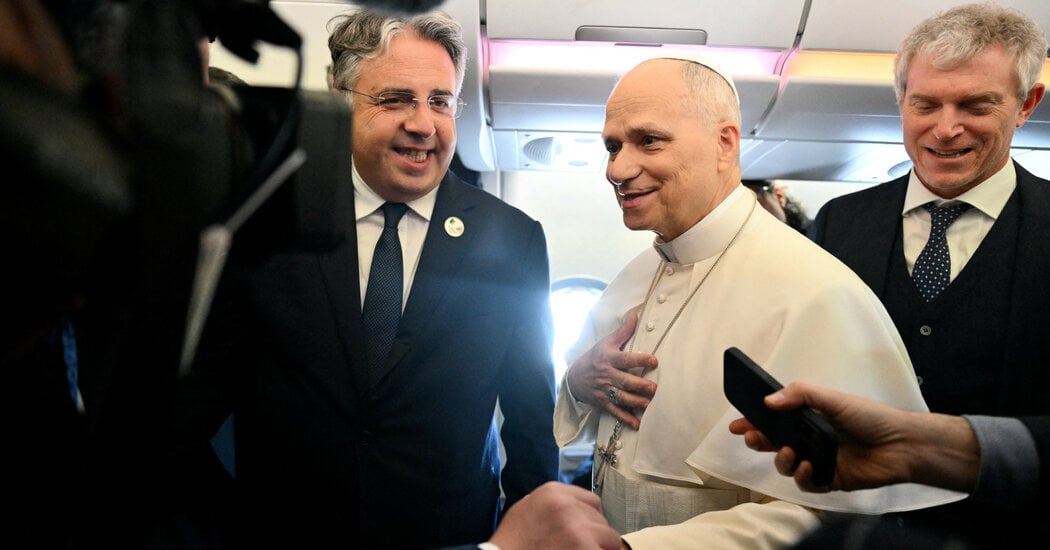
This latest funding withdrawal fits into a larger pattern of conflict between the Trump administration and the Catholic Church. Since taking office, Trump’s policies have been at odds with the Church’s teachings on social justice, immigration, and human dignity. From the family separation crisis at the border to the attack on refugee resettlement programs, the administration has taken steps that contradict Catholic values of compassion and care for the vulnerable. The decision to target Catholic Charities is not just about policy disagreements; it is a direct attack on the Church’s mission to care for the marginalized.
The Legal and Constitutional Ramifications
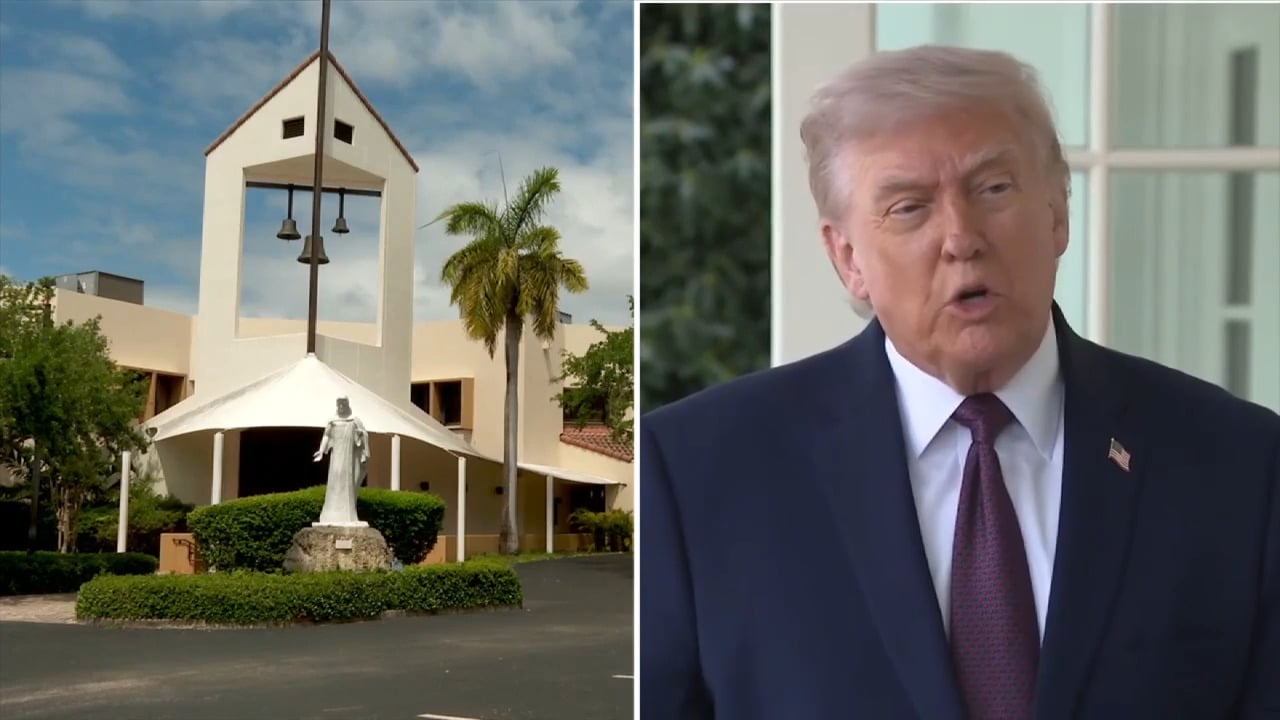
The First Amendment of the U.S. Constitution guarantees the free exercise of religion, including the protection of religious institutions from government retaliation. By stripping funding from a Catholic organization in retaliation for the pope’s criticism, the Trump administration appears to be violating this principle. The Religious Freedom Restoration Act (RFRA) further protects religious organizations from discrimination, ensuring they can practice their faith without fear of retaliation from the government. This move by the administration is a textbook violation of these legal protections and sets a dangerous precedent for future conflicts between the government and religious institutions.
The Catholic Church’s Commitment to the Vulnerable
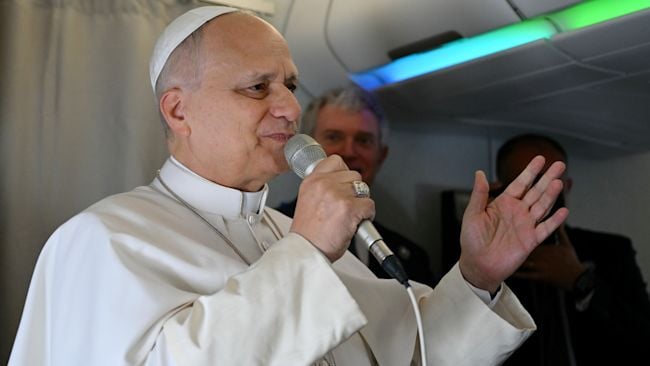
The Catholic Church’s commitment to caring for the vulnerable is rooted in its foundational teachings. The concept of the “preferential option for the poor” emphasizes that the Church’s mission is to prioritize those who are most in need, including migrants, refugees, and unaccompanied minors. The withdrawal of funding for the Monsignor Bryan Walsh Children’s Village strikes at the heart of this mission, punishing a religious institution for serving the most vulnerable. By targeting Catholic Charities for its charitable work, the Trump administration is undermining the Church’s ability to fulfill its religious duty.
The Moral and Ethical Implications
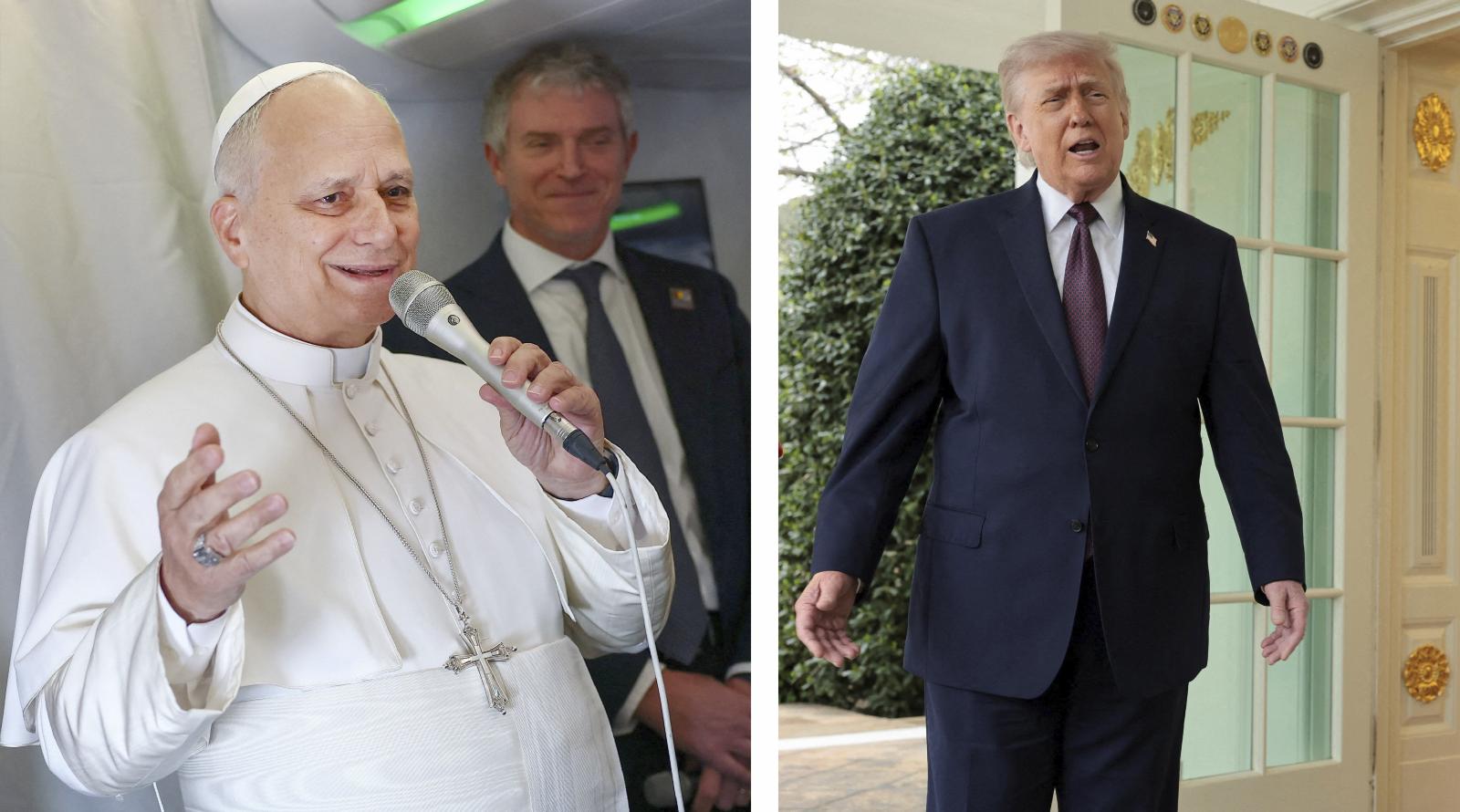
This funding cut raises serious moral and ethical questions. The Church’s involvement in migrant care is not a political act but a religious one, grounded in the Gospel’s teachings on compassion and justice. The government’s attempt to punish the Church for carrying out this work is a violation of basic moral principles, particularly the right of religious institutions to serve those in need without fear of retribution. The decision to close down a program that has provided critical services for vulnerable children is not just a political move—it is an ethical affront to the values of compassion and care for the vulnerable that are at the core of both Catholicism and American democracy.
What This Means for Religious Freedom in the U.S.
The closure of Catholic Charities’ Miami program has significant implications for religious freedom in the U.S. If the government can retaliate against religious organizations for carrying out their mission, what other institutions might be at risk? This move sets a troubling precedent for how the government treats religious groups that speak out against its policies. Religious freedom is a cornerstone of American democracy, and any attempt to punish religious institutions for exercising their faith threatens the very foundations of the republic. This attack on Catholic Charities is not just an isolated incident; it is part of a broader pattern of targeting religious organizations that stand up for their beliefs.
A Call to Action
As the Trump administration continues to clash with the Catholic Church, the stakes for religious freedom have never been higher. The closure of the Monsignor Bryan Walsh Children’s Village is a direct attack on the Church’s mission to serve the vulnerable and a troubling sign of the government’s willingness to retaliate against religious institutions. It is time for Catholics and people of goodwill to stand up for the right of religious organizations to carry out their mission without fear of retaliation. We must hold the Trump administration accountable for its actions and ensure that religious freedom remains protected for all Americans.