

Table of Contents
- How The Babylon Bee Turned Satire Into a Viral Political Story
- Why So Many People Initially Believed the Story
- Why RFK Jr. Became an Easy Target for Satire
- Childhood Obesity Is Actually a Serious National Issue
- The Internet’s Growing Satire Problem
- Why Political Satire Continues to Thrive
- Critics Say Satire Can Fuel Misinformation
- The Strange Relationship Between Comedy and Politics
- Why Viral Satire Often Outperforms Real News
- What This Viral Story Really Reveals About Modern Media
How The Babylon Bee Turned Satire Into a Viral Political Story
The Babylon Bee has become one of the internet’s most recognizable satire outlets by blending political commentary with absurd humor. Often compared to older satirical publications like The Onion, the site specializes in fictional stories that exaggerate real political tensions and cultural debates.
The RFK Jr. obesity article followed that familiar formula.
The fictional story claimed RFK Jr. believed chasing overweight children with a stick would solve childhood obesity while simultaneously allowing him to physically punish them if they stopped running. The article escalated further with fake quotes describing the policy as “100% effective” and fictional aides supposedly allowing RFK Jr. occasional “treats” where he could chase children around Washington, D.C.
The humor relied heavily on absurd exaggeration, caricature, and intentionally offensive overstatement designed to mock political spectacle itself.
However, once screenshots escaped the original website and spread independently across social media, context quickly disappeared. Many users encountered isolated quotes or cropped images without immediately realizing the source was satirical.
This phenomenon has become increasingly common online.
Why So Many People Initially Believed the Story

One reason the article gained traction is because modern political discourse has already become so extreme that parody sometimes feels only slightly more outrageous than reality.
Over the past decade, viral internet culture has repeatedly blurred the line between satire and legitimate headlines. Political figures frequently make controversial statements, unconventional policy proposals, or highly emotional remarks that already sound exaggerated. As a result, satire creators now push absurdity even further to remain recognizable as parody.
Yet this creates a strange paradox.
The more bizarre real-world politics becomes, the harder satire becomes to distinguish from actual news.
Many social media users reportedly reacted emotionally to the RFK Jr. story before verifying its source. Some users expressed outrage, believing the article described genuine policy discussions. Others immediately recognized the joke and mocked those who fell for it.
The viral spread demonstrates how online engagement often rewards emotional reaction before factual verification. Algorithms prioritize shocking, funny, or anger-inducing content because those emotions generate clicks, shares, and comments.
In that environment, satire can rapidly escape its original context and take on a life of its own.
Why RFK Jr. Became an Easy Target for Satire
Robert F. Kennedy Jr. has long been one of America’s most controversial political and health-related public figures. His outspoken views on vaccines, food systems, pharmaceuticals, and public health policies have generated intense criticism as well as passionate support.
Because of this reputation, satire writers often portray him as someone willing to embrace unconventional or extreme health solutions.
The Babylon Bee article specifically played into public perceptions of RFK Jr. as a figure associated with anti-establishment health ideas and dramatic rhetoric surrounding America’s health crisis.
The fictional obesity policy exaggerated those perceptions to absurd levels.
Satire traditionally works best when it contains some recognizable connection to real-world personalities or debates. In this case, the humor depended on audiences already viewing RFK Jr. as someone associated with controversial health discussions.
Even readers who immediately recognized the article as fake often found it believable enough to be funny because it exaggerated existing public perceptions rather than inventing something completely disconnected from reality.
Childhood Obesity Is Actually a Serious National Issue

Beneath the satire, the article also indirectly touched on a very real public health problem.
Childhood obesity rates in the United States have risen dramatically over recent decades. Health experts warn that obesity increases long-term risks for diabetes, cardiovascular disease, joint problems, sleep disorders, and mental health challenges.
According to health agencies and medical researchers, several major factors contribute to rising childhood obesity rates, including processed food consumption, sedentary lifestyles, screen time, economic inequality, reduced physical activity, and limited access to nutritious foods in some communities.
The issue has become politically charged because solutions often involve debates about school lunches, food marketing, government regulation, healthcare systems, parenting styles, and corporate responsibility.
This broader context partially explains why the satirical article resonated so strongly online. It mocked a real national concern through absurd exaggeration.
The humor worked because audiences already recognize childhood obesity as a genuine issue requiring difficult conversations.
The Internet’s Growing Satire Problem
One of the most fascinating aspects of the story is not the satire itself, but how audiences interacted with it.
Researchers studying digital misinformation increasingly warn that satire can unintentionally contribute to confusion when users encounter isolated screenshots or reposted excerpts outside their original context.
Unlike traditional newspapers, social media platforms fragment information into highly shareable pieces stripped of surrounding details. Headlines, cropped images, or short video clips often spread independently from source material.
As a result, satirical content sometimes circulates alongside genuine misinformation, making it difficult for casual users to distinguish between the two.
This problem becomes even more complicated when satire targets real political controversies.
Some users share parody content ironically. Others share it sincerely because they believe it is real. Still others knowingly repost satire simply because it generates engagement and reactions.
The result is an online environment where factual clarity often becomes secondary to emotional impact.
Why Political Satire Continues to Thrive
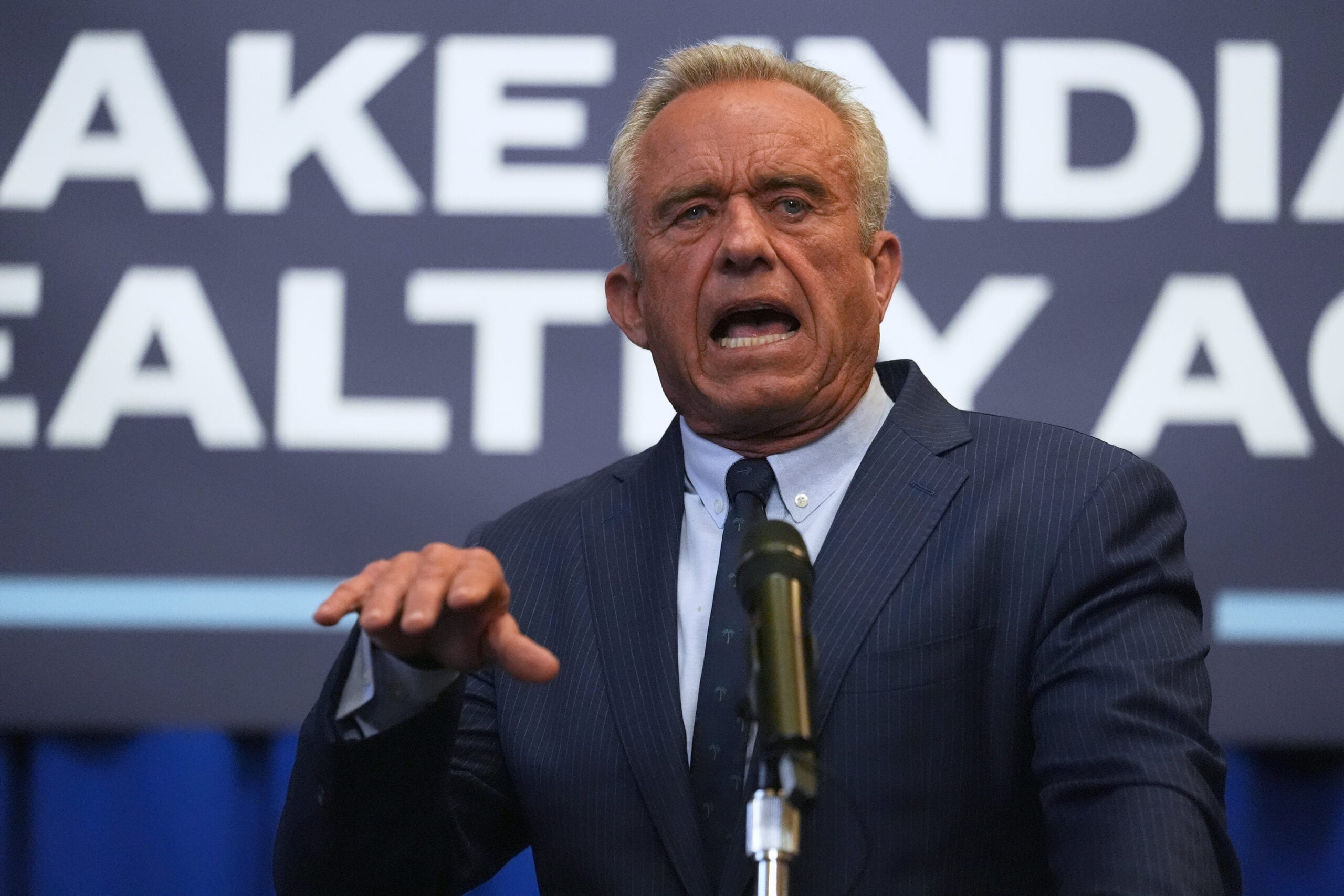
Despite the confusion it occasionally creates, political satire remains enormously popular because it serves several important cultural functions.
Satire allows audiences to process frustration, anxiety, and absurdity surrounding political events through humor. It exaggerates real tensions to expose contradictions, hypocrisies, or cultural fears.
In the case of the RFK Jr. article, the humor came from combining genuine concerns about childhood obesity with an intentionally ridiculous “solution” that mocked simplistic political thinking.
The fictional scenario also reflected broader internet humor trends where increasingly exaggerated absurdity becomes part of the joke itself.
Modern satire often operates less like traditional editorial commentary and more like viral meme culture. Stories are designed not only to entertain readers directly, but to generate screenshots, reaction posts, and secondary discussion across multiple platforms.
This makes satire highly effective at dominating online conversation even when audiences disagree about its meaning.
Critics Say Satire Can Fuel Misinformation
While supporters defend political satire as protected humor and cultural commentary, critics argue the blurred boundaries between parody and misinformation create real risks.
Studies show some users continue believing false claims even after learning the original source was satirical. Psychologists sometimes refer to this as the “continued influence effect,” where repeated exposure to a claim reinforces memory even when corrections follow later.
This is especially concerning in highly polarized political environments where audiences may already distrust mainstream media or rely heavily on emotionally driven content.
Some critics argue satire websites should more aggressively label fictional stories. Others counter that clearly absurd exaggeration should already signal parody to readers.
The debate reflects a larger societal challenge surrounding media literacy in the digital age.
As information spreads faster than ever before, audiences increasingly bear responsibility for verifying sources, checking context, and recognizing satirical formats.
Yet social media systems often encourage the opposite behavior by rewarding speed, outrage, and impulsive engagement.
The Strange Relationship Between Comedy and Politics

The RFK Jr. satire story also highlights how deeply intertwined comedy and politics have become in modern culture.
Political news today often unfolds through viral moments, memes, jokes, reaction videos, and internet commentary rather than traditional reporting alone. Satirical outlets frequently shape public conversation as much as conventional journalism.
In some cases, satire even influences political narratives directly by framing how audiences perceive certain figures or controversies.
This creates an unusual feedback loop.
Real politics becomes increasingly theatrical and exaggerated. Satire responds by becoming even more absurd. Audiences then struggle distinguishing parody from reality because both increasingly resemble one another.
The result is a media ecosystem where entertainment and political discourse continuously merge together.
The RFK Jr. article became viral not simply because it was funny, but because it perfectly captured this strange modern dynamic.
Why Viral Satire Often Outperforms Real News
One reason satirical content spreads so effectively online is because it triggers powerful emotional responses quickly.
Humor, shock, outrage, and absurdity all perform exceptionally well within social media algorithms designed to maximize engagement. Satire combines these elements into highly shareable content optimized for internet culture.
Traditional journalism often struggles competing with this style of communication.
A serious article about childhood obesity statistics may receive moderate attention. A fictional story about a politician chasing overweight children with a stick instantly generates emotional reaction, screenshot sharing, and viral debate.
This does not necessarily mean audiences prefer misinformation. Rather, emotionally intense content simply travels faster online.
Modern internet platforms reward material that provokes immediate reaction rather than careful reflection.
That structural reality continues reshaping how news, satire, and public discourse function in the digital era.
What This Viral Story Really Reveals About Modern Media
At its core, the RFK Jr. satire controversy reveals something larger than one fictional article.
It demonstrates how fragmented, emotional, and fast-moving modern information systems have become. People increasingly encounter content divorced from original context, filtered through algorithms optimized for engagement rather than clarity.
In that environment, satire becomes both more powerful and more dangerous.
The article itself was never intended as factual reporting. Yet the intensity of public reaction showed how uncertain many audiences now feel about distinguishing reality from parody in political culture.
That uncertainty may be one of the defining characteristics of the modern internet age.
Political satire will almost certainly continue thriving because it offers humor, emotional release, and social commentary in a world that already feels increasingly surreal. But stories like this also serve as reminders that digital literacy has become more important than ever.
In a media environment overflowing with outrage, memes, manipulated clips, and emotionally charged headlines, understanding context may be one of the most valuable skills audiences can develop.
And ironically, that lesson may be far more important than the fictional story about RFK Jr. chasing children with a stick ever was in the first place.