
Table of Contents
- A Surprising Shift After Years of Decline
- Why Researchers Were Shocked
- How the Pandemic Forced Religious Innovation
- Small Churches Are Finding New Life
- Politics Is Part of the Story
- Religion Is Gaining Public Influence Again
- The Christian Nationalism Debate
- Young Men Are Returning to Worship
- The Rebound Has Limits
- What This Means for America’s Future
A Surprising Shift After Years of Decline
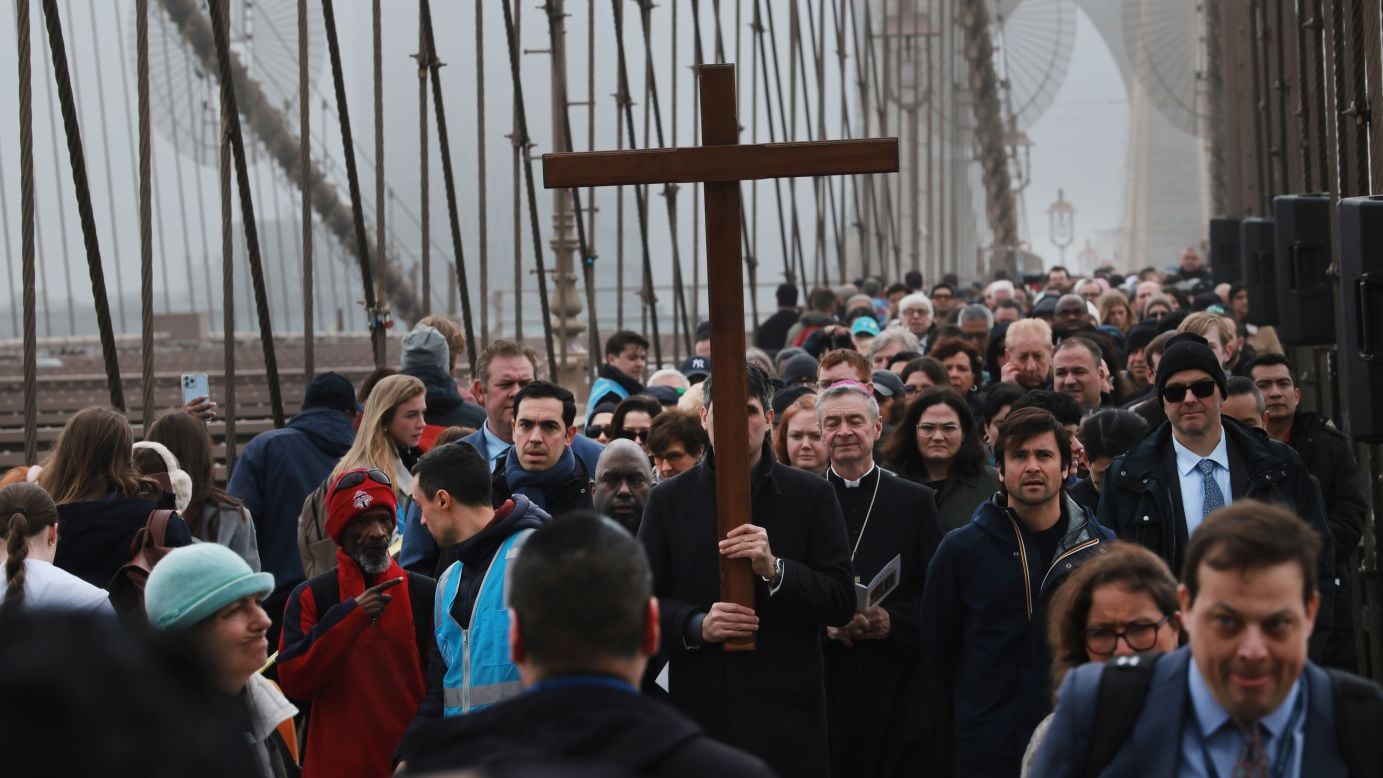
The new report from the Hartford Institute for Religion Research found that median in-person worship attendance has risen to 70, surpassing pandemic lows and marking the first positive gain in 25 years of tracking. The study drew responses from 7,453 congregations across 79 denominations and faith traditions, making it one of the most detailed looks at post-pandemic religious life in America.
That number may not sound massive at first. A congregation of 70 people is still small compared with the packed churches and synagogues many Americans remember from previous generations. But researchers say the increase matters because it interrupts a long national pattern of decline. For years, nearly every major indicator of congregational life had been moving downward. Attendance was falling. Membership was shrinking. Volunteers were disappearing. Clergy were exhausted.
The pandemic appeared to accelerate all of those problems. Houses of worship closed their doors, livestreamed services from empty sanctuaries, and watched members drift away. Some never returned. Others moved to online worship permanently. Many small congregations feared they would never recover.
That is why the rebound caught researchers by surprise.
Why Researchers Were Shocked
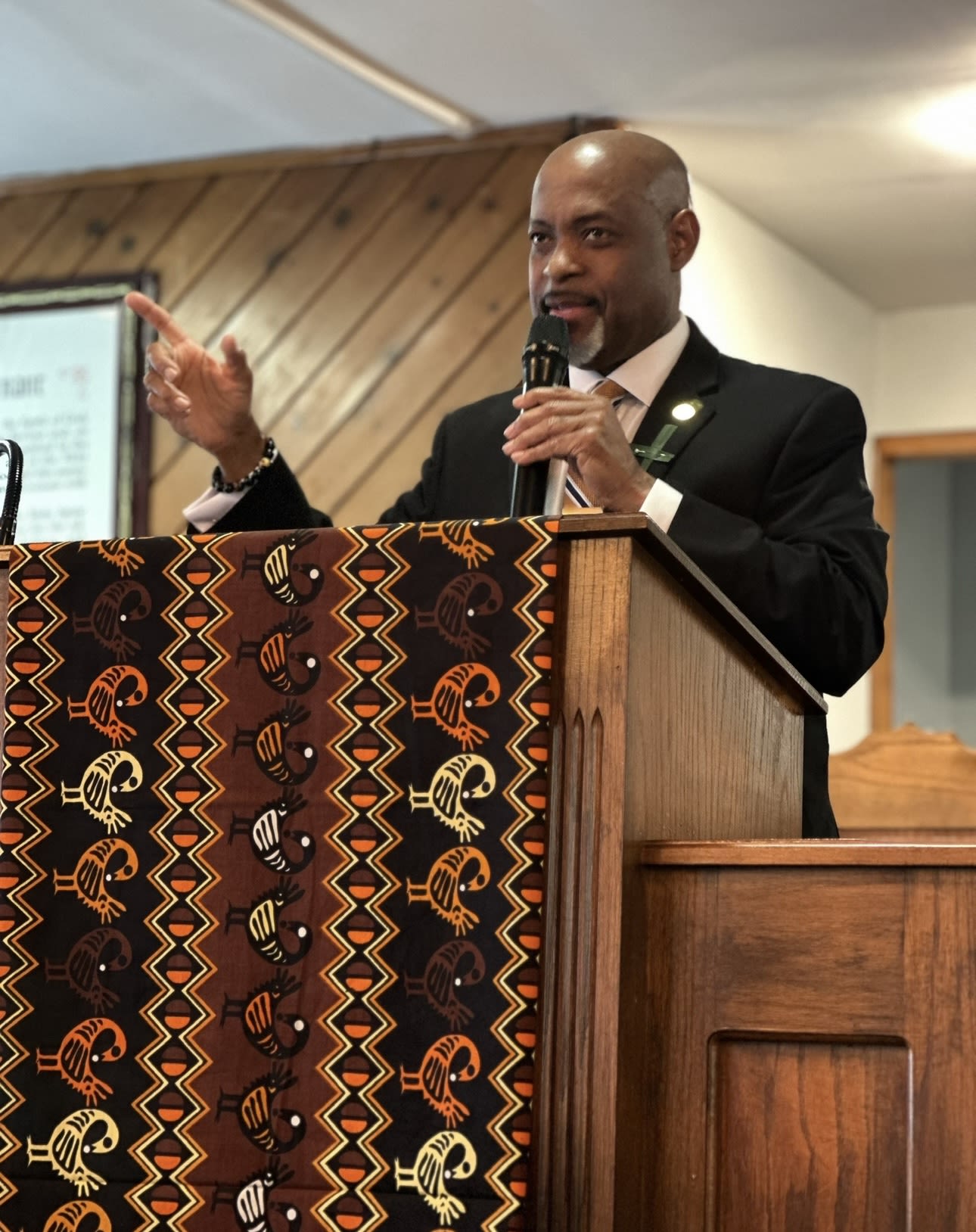
Scott Thumma, director of the Hartford Institute for Religion Research, said the rise in median worship attendance was especially surprising because the long-term trend had been so consistently negative. According to reporting on the study, researchers even rechecked the data because the results were so unexpected.
The findings do not suggest that America is suddenly returning to the religious landscape of the 1950s, when worship attendance was far more common. Instead, they point to something more modest but still meaningful: a post-pandemic recalibration.
Many congregations did not simply return to normal. They changed. They learned to livestream. They improved online giving. They clarified their mission. They became more intentional about community. Some churches that survived the pandemic emerged smaller but more focused.
That shift may explain why some congregations are now reporting greater vitality, stronger giving, and renewed volunteer participation.
How the Pandemic Forced Religious Innovation
The pandemic was devastating for many religious communities, but it also forced them to adapt quickly. Congregations that had never seriously invested in digital ministry suddenly had to learn how to stream services, collect donations online, communicate through social media, and maintain community without physical gatherings.
For some churches, those changes became permanent strengths.
A small congregation could now reach people who would never have walked through its doors. A sermon posted online could bring in new visitors. A livestream could help elderly members remain connected. Digital giving could stabilize finances when offering plates were no longer passed around.
The Hartford report found that median congregational income reached $205,000 in 2025, and volunteer participation returned to pre-pandemic levels, with 40% of congregants volunteering regularly.
Those numbers suggest that the rebound is not only about attendance. It is also about energy, engagement, and survival.
Small Churches Are Finding New Life
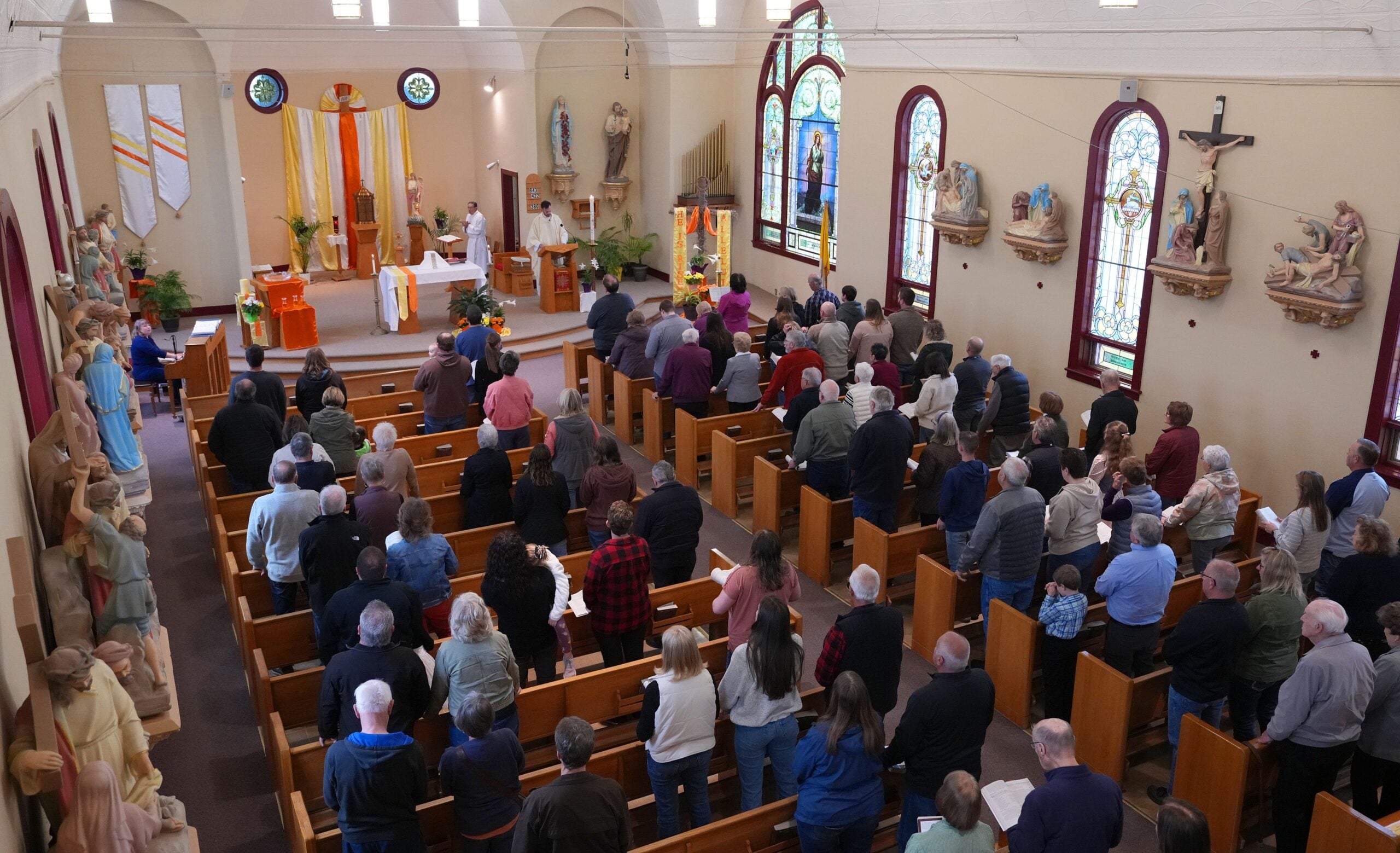
The story of religious recovery is especially visible in small congregations. Many of these communities were hit hardest by the pandemic because they had fewer financial resources, fewer staff members, and fewer volunteers.
When one key member left, the entire church felt it. When donations dropped, basic maintenance became difficult. When in-person services stopped, community bonds weakened.
But smaller churches also had one advantage: flexibility.
Without large bureaucracies or deeply entrenched systems, some small congregations were able to rethink their identity more quickly. They could experiment with new worship styles, new outreach efforts, and new forms of leadership.
In several cases, the pandemic created an opening for churches to ask deeper questions: Who are we now? Why do we exist? What kind of community are we trying to become?
That kind of clarity appears to be one reason some congregations are showing signs of renewal.
Politics Is Part of the Story
The religious rebound has not happened evenly across the country. The Hartford study found that theologically conservative congregations in Republican-majority areas experienced greater growth and vitality.
That finding connects religion to the larger political climate in America. Conservative Christian communities, especially White evangelical churches, have remained closely tied to Republican politics and to Donald Trump’s political movement.
Some researchers say pandemic-era decisions may have contributed to the divide. Many conservative churches reopened earlier or resisted long closures, attracting people who wanted in-person worship during lockdowns. More cautious congregations, especially those that followed stricter public health guidance, often stayed online longer.
This does not mean every growing church is political. In fact, the Hartford research and other reporting suggest many congregations actively avoid political conflict. But the broader national environment matters.
In 2026, religion is not only a private spiritual matter. It is also part of America’s public debate over identity, power, values, and national direction.
Religion Is Gaining Public Influence Again
A separate Pew Research Center poll found that 37% of Americans now believe religion is gaining influence in American life, the highest level in 24 years. That shift appears to have reversed a long trend in which more Americans believed religion was losing influence.
The finding is important because it captures perception, not just attendance. Even Americans who do not attend worship regularly may feel that religion is becoming more visible in politics, culture, education, and public debate.
But the Pew findings also reveal deep division. Many White evangelicals and religious conservatives view religion’s growing influence positively. Atheists, agnostics, and many secular Americans tend to see it negatively.
This tension is one of the defining features of religion in America today. Faith may be “back in fashion” in some communities, but that does not mean Americans agree about what role religion should play in public life.
The Christian Nationalism Debate
The renewed visibility of religion has also brought greater scrutiny of Christian nationalism, the belief that American identity should be closely tied to Christianity.
Pew’s latest findings show that more Americans are familiar with Christian nationalism, but only a small share view it positively, while many more view it negatively.
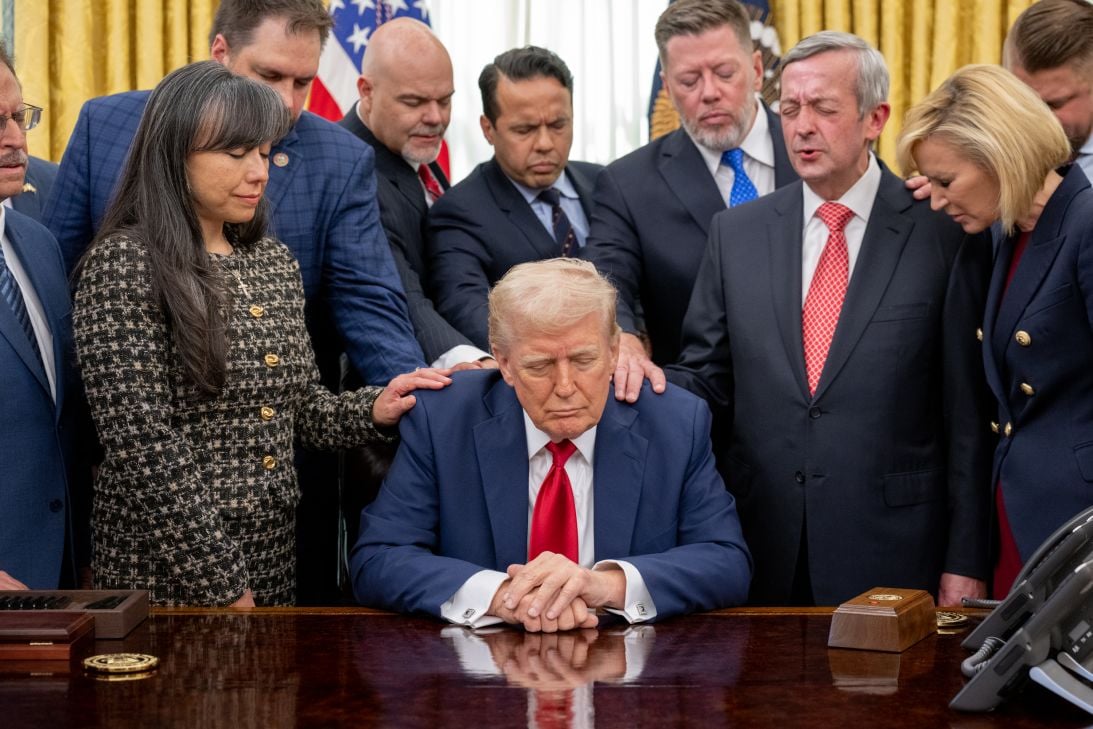
This matters because some national prayer gatherings and political religious events are framed around America’s Christian heritage. Supporters often describe these events as patriotic and spiritually meaningful. Critics argue they blur the boundary between church and state and promote a narrow vision of American identity.
The debate is not simply about whether religion is good or bad. It is about which version of religion gains influence and how that influence is used.
Many Americans still support faith communities as places of service, comfort, worship, and moral formation. At the same time, large numbers also believe churches and houses of worship should avoid direct political involvement.
Young Men Are Returning to Worship
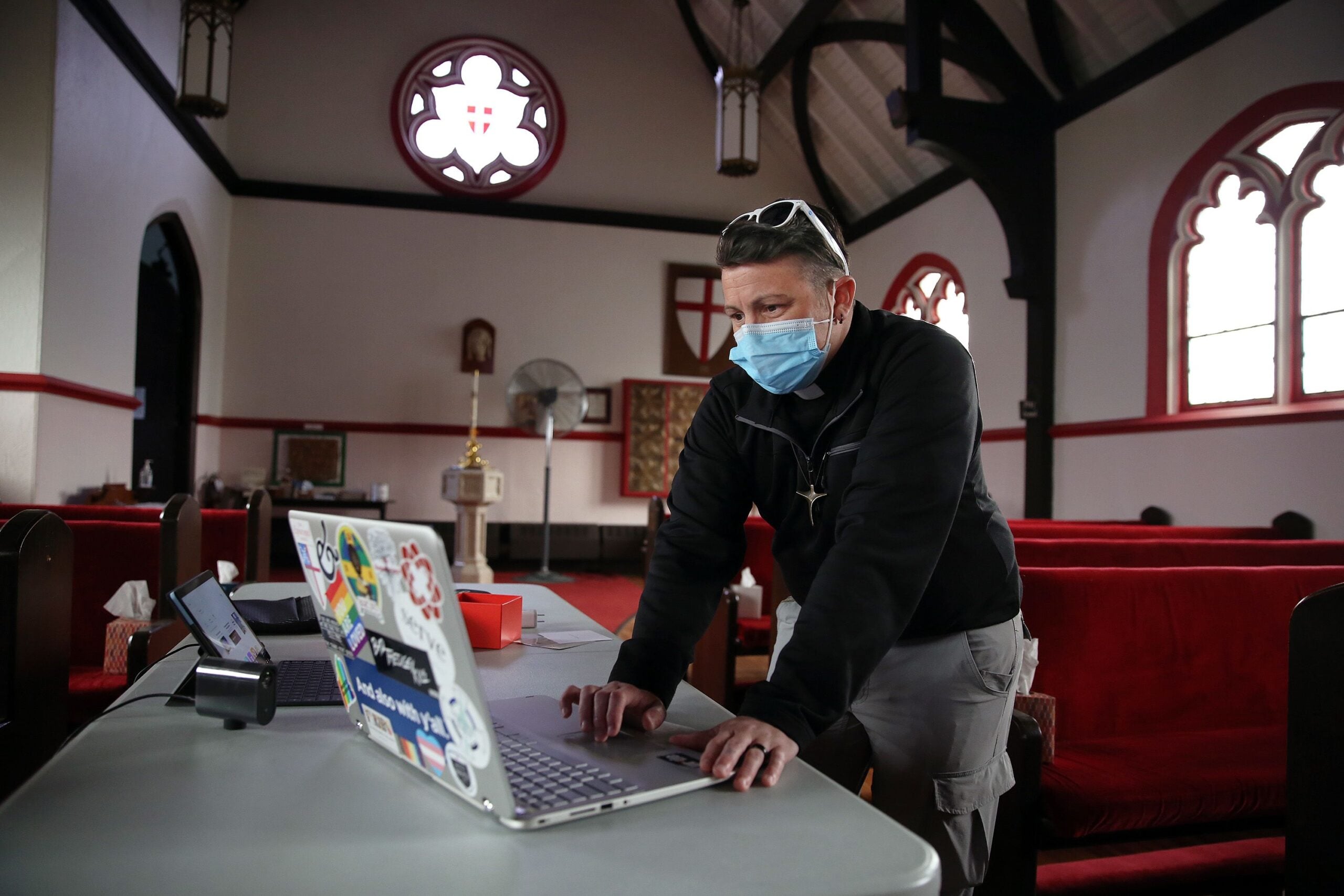
Another striking trend is the rise in religious attendance among young men. A Gallup poll reported that 40% of men ages 18 to 29 now attend religious services monthly or more, the highest level for that group since 2012 to 2013.
This development has caught the attention of religious leaders because young adults are often assumed to be the least connected to organized religion.
The reasons are complex. Some young men may be searching for structure, identity, belonging, or moral clarity in a time of social isolation and cultural confusion. Others may be drawn into religious communities through conservative politics, online influencers, or traditional views of family and masculinity.
Still, researchers caution that it is too early to say whether this represents a lasting religious revival or a temporary shift. But the trend adds another layer to the broader story: American religion is not declining uniformly across every group.
The Rebound Has Limits
Despite the hopeful signs, researchers are careful not to overstate the change. The increase in attendance does not erase decades of decline. Many congregations are still fragile. Nearly half continue to report declining attendance, according to the CNN article the user provided.
The long-term trend toward religious disaffiliation remains significant. Many Americans still identify as religiously unaffiliated, and younger generations remain less tied to organized religion than previous generations.
Large megachurches may receive national attention, but most congregations remain small. Many depend heavily on volunteers. Many struggle with aging buildings, shrinking budgets, and leadership fatigue.
So while the latest data suggests recovery, it does not suggest a full return to America’s old religious landscape.
The better word may be renewal, not revival.
What This Means for America’s Future
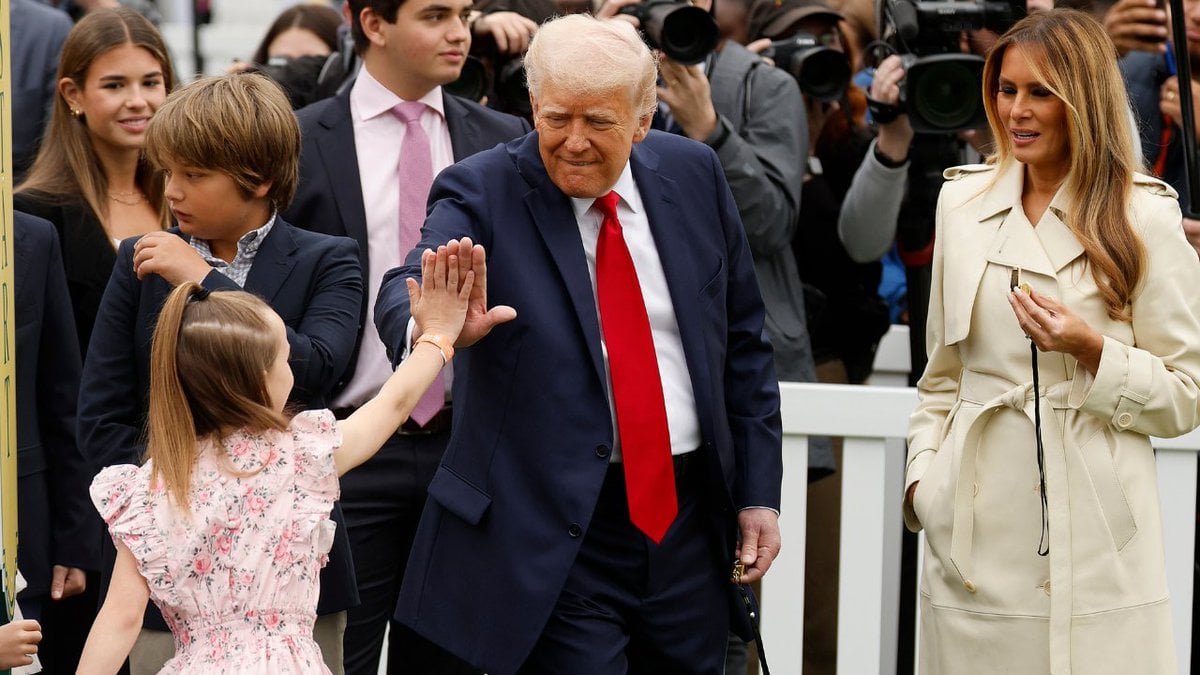
The return of religion in America is not a simple story of decline reversing overnight. It is a story of disruption, adaptation, and uneven recovery.
Some congregations are growing because they changed. Some are growing because they reopened quickly. Some are growing because people are hungry for community after years of loneliness. Some are growing because politics and religion have become more closely connected in parts of the country.
At the same time, many houses of worship are still struggling to survive.
What makes this moment fascinating is that religion is reappearing in American life in multiple forms at once. It is showing up in small churches rebuilding after the pandemic. It is showing up in national prayer events. It is showing up in political debates. It is showing up among young men searching for belonging. It is showing up in renewed arguments about Christian nationalism and church-state boundaries.
That makes the future of religion in America both promising and complicated.
The old story said religion was fading. The new story suggests something more interesting: religion is changing shape. It may be smaller than it once was, but in many places it is also more intentional, more adaptive, and more publicly visible.
For communities that survived the pandemic, the challenge now is not simply getting people back into the pews. It is proving that faith communities can offer meaning, service, connection, and hope in a country still trying to understand what it believes.