
Table of Contents
- Why Russia Says It Banned “International Satanism”
- The Role of Patriarch Kirill and the Russian Orthodox Church
- How Russian Lawmakers Linked Satanism to National Security
- The Growing Use of “Extremism” Laws in Russia
- Why “Traditional Values” Have Become Central in Russian Politics
- Why the “International Satanism” Label Raises Questions
- Religion, Politics, and the Ukraine War
- How the International Community Is Reacting
- Why Stories Like This Spread So Quickly Online
- What This Means for Russia’s Future Direction
Why Russia Says It Banned “International Satanism”
According to statements released after the ruling, Russian authorities accused followers of the alleged movement of promoting hatred toward traditional religions, attacking Orthodox Christian values, and encouraging destructive behavior.
Officials claimed the movement justified neo-Nazi ideas, promoted hostility toward social norms, and committed ritual crimes, including alleged offenses involving minors. Russian prosecutors argued that the movement represented a direct threat to public morality and national security.
The language used by authorities reflected a broader pattern in Russian political rhetoric, where cultural, spiritual, and political threats are often framed as existential dangers to the nation itself.
Russian state media and pro-government voices have increasingly portrayed ideological conflicts not merely as political disagreements, but as battles over civilization, morality, and survival.
This framing has become especially common in discussions involving religion, sexuality, Western liberalism, and national identity.
The Role of Patriarch Kirill and the Russian Orthodox Church
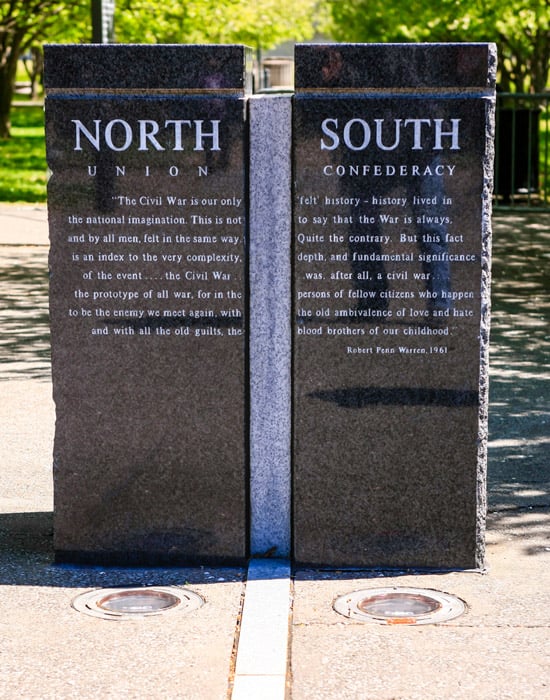
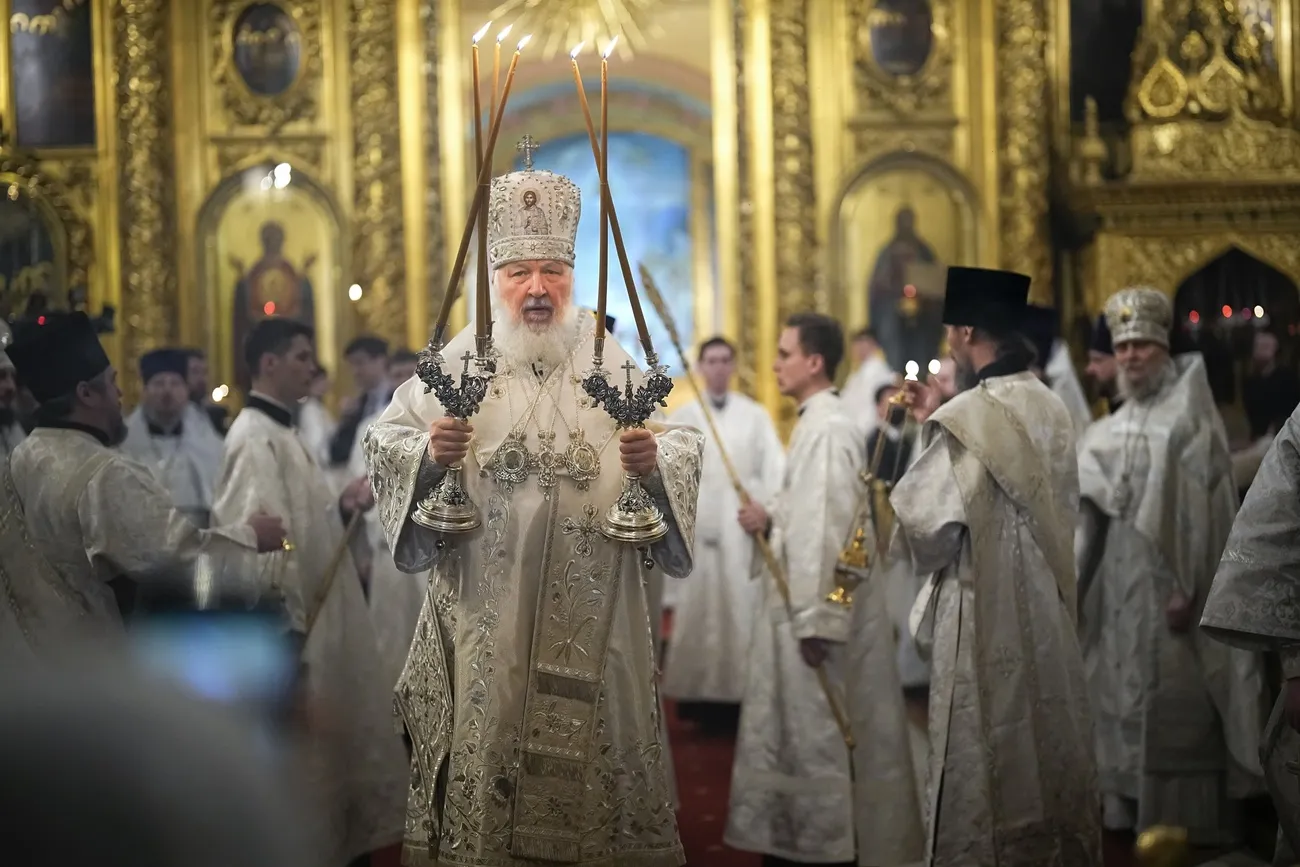
The ban did not emerge suddenly. Earlier in the year, Patriarch Kirill of Moscow, the head of the Russian Orthodox Church, publicly called for stronger action against what he described as “Satanic sects” operating inside Russia.
Kirill warned that such groups were freely conducting rituals, recruiting young people, and openly organizing through social media platforms. He described their activity as dangerous to Russian society and harmful to the country’s spiritual foundations.
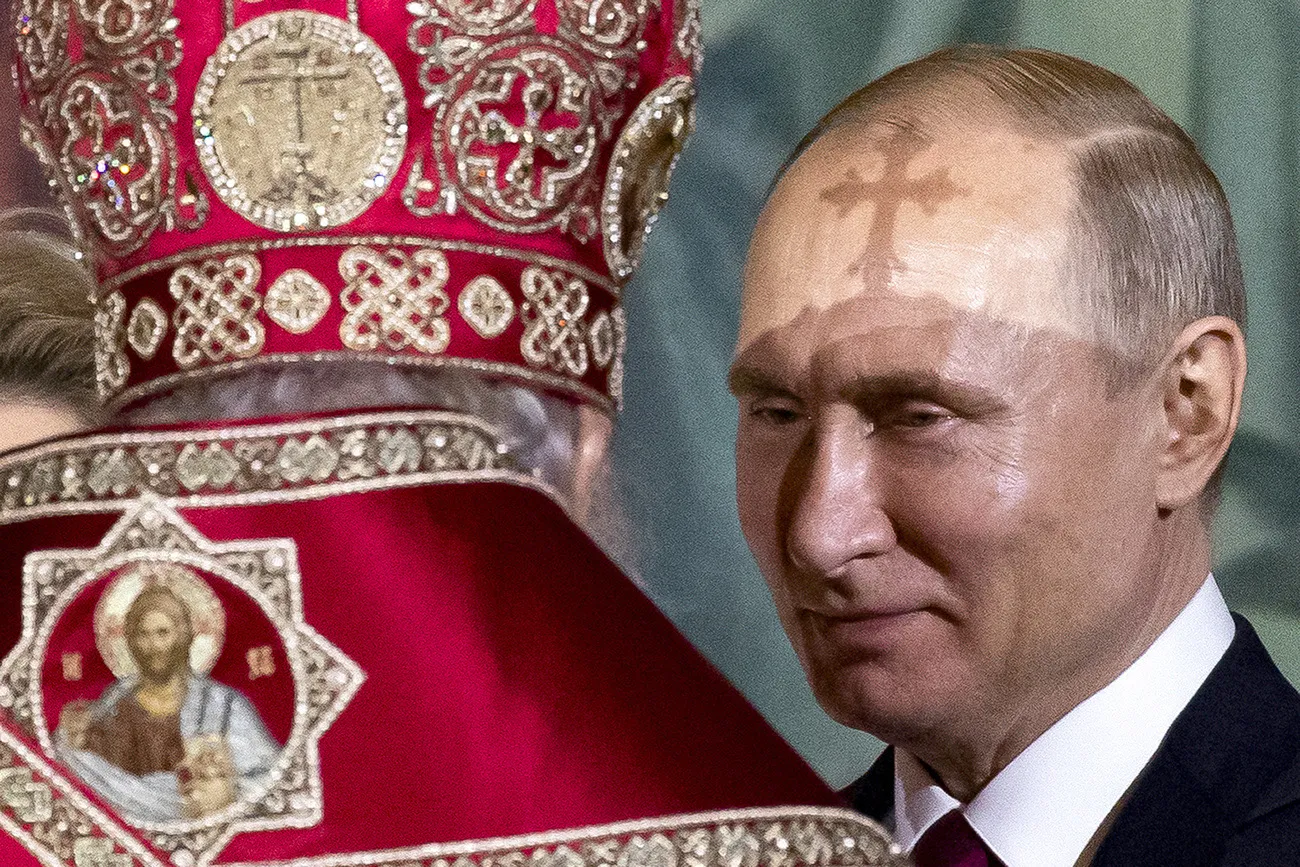
The Russian Orthodox Church has become one of the most influential institutions in modern Russian public life, especially under President Vladimir Putin’s government. Over the past two decades, church and state have increasingly aligned around themes of patriotism, traditional family values, national identity, and resistance to what they describe as Western moral decline.
Religious symbolism now plays a major role in Russian political messaging. Government officials frequently present Russia as a defender of traditional Christian civilization against perceived threats from secular liberalism and foreign cultural influence.
Within that context, the ban on “International Satanism” fits into a broader ideological narrative already deeply embedded in Russian politics.
How Russian Lawmakers Linked Satanism to National Security
Earlier this year, Russian lawmakers discussed Satanism during a parliamentary roundtable in the State Duma focused on threats to traditional Russian values.
Participants reportedly compared Satanism to Nazism and LGBTQ-related movements while warning that attacks on traditional religious identity could weaken the Russian state itself.
One senior lawmaker, Nikolai Burlyaev, argued that the collapse of traditional values represented the primary goal of Satanist movements and warned that such cultural decline could eventually lead to the destruction of Russian civilization.
Another prominent figure, Andrei Kartapolov, chairman of the State Duma’s defense committee, reportedly connected Russia’s ongoing war in Ukraine with a larger battle against what he described as Satanism and destructive ideologies.
These statements reflect a broader strategy increasingly used by Russian authorities: framing political conflicts, cultural disputes, and geopolitical struggles in spiritual or civilizational terms rather than purely military or political language.
Critics argue this rhetoric helps justify crackdowns on dissent and alternative viewpoints by portraying ideological opposition as morally dangerous rather than merely politically different.
The Growing Use of “Extremism” Laws in Russia
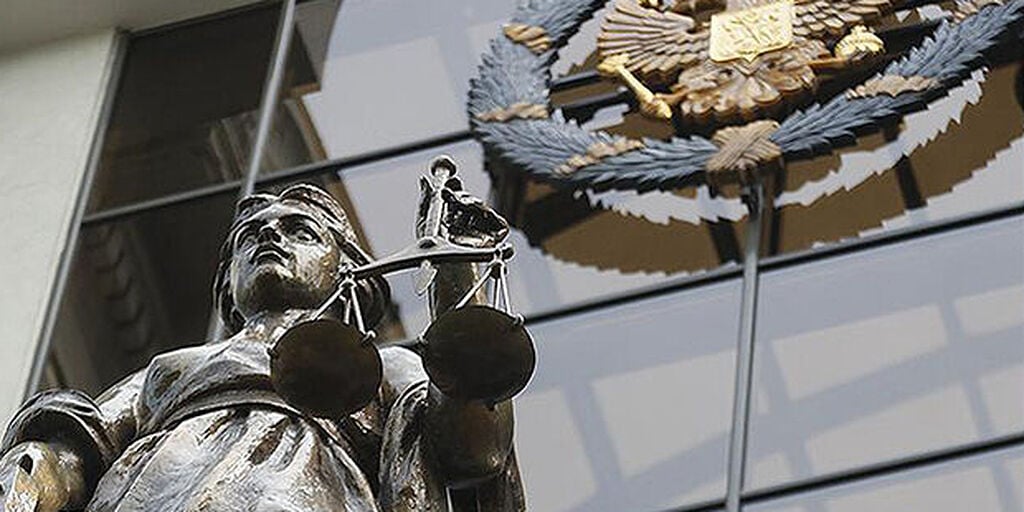
The Satanism ruling is part of a much larger pattern involving Russia’s expanding use of extremism laws.
Over recent years, Russian authorities have increasingly classified various organizations, movements, and identities as extremist threats. These designations often carry severe legal consequences, including bans on public activity, criminal prosecution, financial restrictions, censorship, and imprisonment.
One detail that drew particular attention was that the same judge involved in banning the “International LGBT Movement” in 2023 also issued the ruling against the “International Satanism Movement.”
In both cases, critics noted that no clearly identifiable organization under those exact names appeared to exist in a conventional legal sense.
Independent Russian outlet Meduza reportedly could not locate evidence of formal international organizations matching either designation.
This has raised concerns among human rights groups and legal observers about the increasingly vague and expansive nature of extremism definitions in Russia.
Critics argue that undefined or symbolic “movements” can become flexible legal tools for suppressing broad categories of speech, identity, culture, or dissent.
Why “Traditional Values” Have Become Central in Russian Politics
To understand the significance of the Satanism ban, it is important to understand how central “traditional values” have become within Russia’s political identity.
Under Vladimir Putin, the Russian government has increasingly positioned itself as a global defender of conservative cultural and religious values. Officials frequently criticize what they describe as Western moral decay, secularism, gender ideology, and attacks on family structures.
This messaging intensified following deteriorating relations between Russia and Western countries over issues including NATO expansion, sanctions, the Ukraine war, and human rights criticism.
In response, Russian leaders have leaned heavily into narratives portraying Russia as a spiritually resilient civilization resisting foreign cultural influence.
Religion, particularly Russian Orthodoxy, now functions not only as a spiritual institution but also as a symbolic pillar of national identity.
Policies targeting LGBTQ activism, independent media, foreign-funded organizations, and now alleged Satanist movements are often presented as efforts to protect Russia’s cultural sovereignty.
Supporters see these actions as preserving national stability and moral order. Critics view them as increasingly authoritarian attempts to control culture and suppress diversity.
Why the “International Satanism” Label Raises Questions
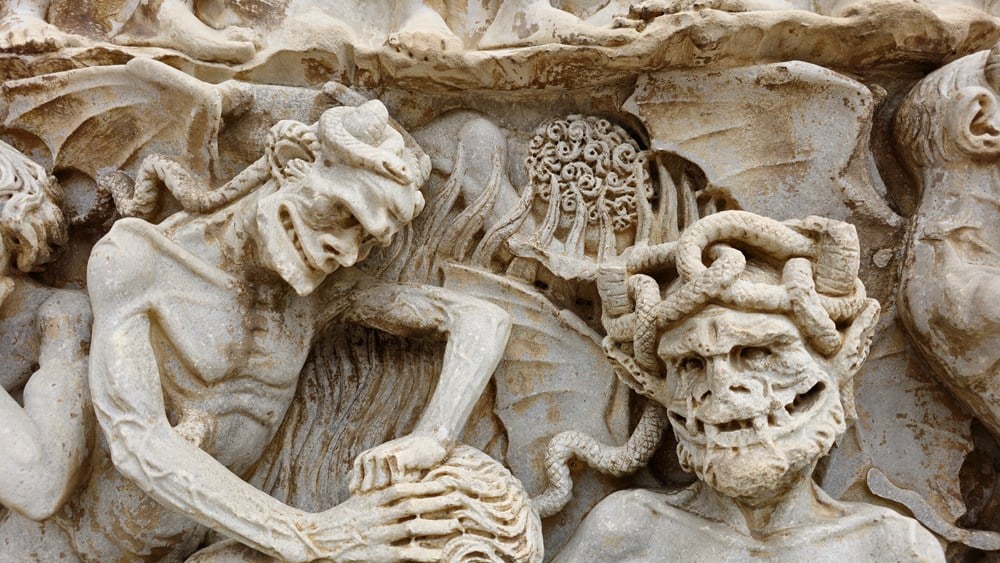
One of the most debated aspects of the ruling involves the movement itself.
Unlike established political organizations or religious institutions, the so-called “International Satanism Movement” appears difficult to define clearly.
Observers have questioned whether Russian authorities were targeting a specific organized network or using the term more broadly as a symbolic category encompassing various subcultures, online communities, or ideological expressions.
This ambiguity matters because vague legal definitions can create uncertainty regarding what exactly becomes prohibited.
Human rights advocates warn that undefined extremism categories can potentially be expanded to include artistic expression, alternative religious practices, internet communities, or critical political speech.
Supporters of the ruling argue that authorities do not need to wait for formally structured organizations if dangerous ideologies are already spreading online.
The debate highlights broader tensions over how governments regulate belief systems, subcultures, and ideological expression in the digital age.
Religion, Politics, and the Ukraine War
The Satanism ban also reflects how deeply intertwined religion and politics have become during Russia’s war in Ukraine.
Russian officials increasingly frame the conflict not only as a geopolitical struggle but as a moral and spiritual battle. State rhetoric frequently portrays Russia as defending traditional civilization against Western liberal influence.
Some pro-government religious figures have openly supported the war using religious language, describing it as part of a larger defense of Christian values.
Critics, meanwhile, argue that religious symbolism is being weaponized politically to justify nationalism, suppress dissent, and consolidate state power.
This broader context helps explain why movements labeled as anti-traditional, anti-religious, or culturally foreign receive intense scrutiny from authorities.
The Satanism ruling therefore cannot be viewed in isolation. It fits into a much wider ideological campaign shaping modern Russian political identity.
How the International Community Is Reacting
International reactions to the ruling have been mixed.
Some conservative religious groups outside Russia praised the decision as a stand against anti-Christian or anti-religious movements. Others expressed concern that Russia’s increasingly broad extremism laws threaten religious freedom and civil liberties.
Human rights organizations have repeatedly criticized Russia for using vague extremism legislation to silence critics, restrict minority rights, and suppress independent activism.
Western governments and advocacy groups have also raised alarms over previous bans targeting LGBTQ organizations, opposition movements, independent media outlets, and civil society groups.
The Satanism ruling is therefore likely to deepen concerns about freedom of belief and expression inside Russia.
At the same time, Russian authorities appear largely unconcerned with international criticism in these matters. Instead, officials often portray such criticism as proof that Russia is successfully resisting foreign ideological pressure.
Why Stories Like This Spread So Quickly Online
Part of the reason this story attracted global attention is because it combines several emotionally charged themes at once: religion, politics, extremism, morality, censorship, and cultural conflict.
The phrase “International Satanism banned in Russia” itself sounds dramatic enough to immediately trigger curiosity, confusion, or disbelief.
Modern social media environments amplify stories involving ideological battles because such topics generate strong emotional engagement. Supporters and critics rapidly interpret these events through broader political worldviews involving religion, nationalism, authoritarianism, or cultural identity.
As a result, stories like this often evolve beyond the original legal ruling itself and become symbolic debates about larger societal issues.
What This Means for Russia’s Future Direction
The ban on the so-called “International Satanism Movement” reveals how modern Russia increasingly defines itself through ideological and cultural confrontation.
The government’s vision of national identity now strongly emphasizes religion, traditional values, patriotism, and resistance to perceived foreign cultural influence. Movements viewed as threatening that vision face growing legal pressure through extremism laws and state regulation.
Whether supporters see these measures as moral protection or critics see them as authoritarian overreach largely depends on political perspective.
What remains clear, however, is that Russia’s cultural and ideological battles are becoming more intense, more symbolic, and more legally consequential.
The Satanism ruling may appear unusual on the surface, but it reflects much larger global tensions surrounding identity, religion, freedom, nationalism, and political power in the twenty-first century.
As Russia continues reshaping its national identity around traditionalist ideology, conflicts involving culture and belief may become just as important to the country’s future as economics, diplomacy, or military power.