
Table of Contents
China’s War on Western Digital Culture
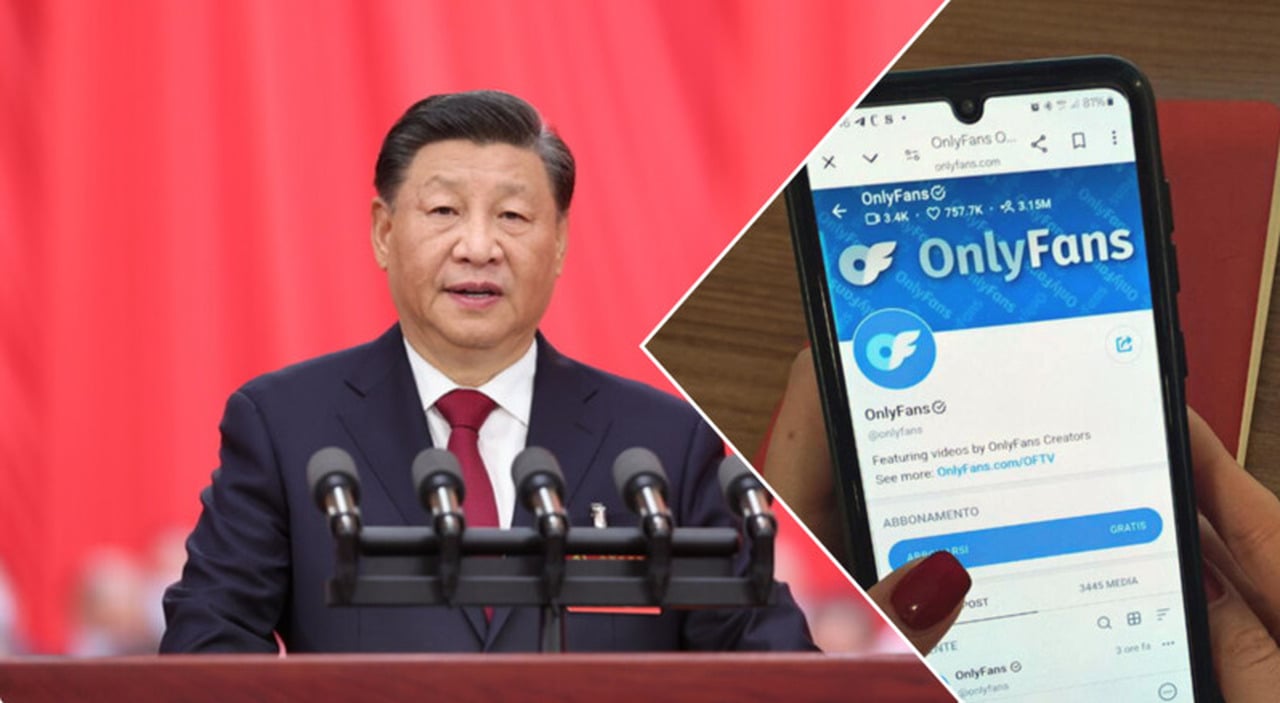
In a striking move against Western digital platforms, China’s internet regulators have officially banned OnlyFans, a platform primarily known for its subscription-based adult content. The move has sent shockwaves through global digital media communities, sparking widespread discussions on the role of internet governance and the ongoing battle against Western cultural influence.
This ban, while significant in its own right, marks another escalation in China’s stringent efforts to reshape its digital landscape, enforcing a moral and cultural framework that contrasts sharply with the more permissive environments of Western nations. OnlyFans, a platform famous for allowing creators to share adult content in exchange for subscription fees, has been accused by Chinese authorities of being a “corrupt Western disease” that represents the moral decay they seek to avoid.
Why Did China Block OnlyFans? A Closer Look at the Decision

The move to block OnlyFans is part of China’s broader efforts to tighten control over digital spaces within the country. For years, the Chinese government has been vigilant in regulating foreign websites, especially those that compete with the nation’s ideological values. Platforms like Facebook, Twitter, and Google have long been blocked in China, with domestic alternatives like WeChat and Baidu taking their place.
China’s official stance on OnlyFans is that it represents a threat to societal values, as it promotes adult content and self-objectification, issues that China has been actively trying to suppress through a series of media and cultural regulations. This ideological push stems from a deeply ingrained belief in the importance of family values and social harmony, which are seen as paramount to national stability. China’s emphasis on controlling moral and cultural output is often positioned as a way to protect the youth and promote family-friendly entertainment.
The Rise of OnlyFans and Its Temporary Access in China
OnlyFans gained substantial popularity in the 2010s as a space where adult content creators could directly monetize their followers. The platform’s growth coincided with the increasing normalization of adult content consumption, particularly in the West. In China, however, the platform’s content quickly ran afoul of the nation’s strict internet policies that heavily censor online material related to pornography or what the government deems to be morally corrupt.
While initially blocked, OnlyFans had managed to squeeze through a gap in China’s stringent controls by offering access via VPNs and third-party payment systems. This temporary access allowed some users in China to engage with the platform, but the government moved quickly to shut down these workarounds, enforcing a more robust digital firewall that closed all access to the site entirely.
China’s Zero-Tolerance Approach to Western Content
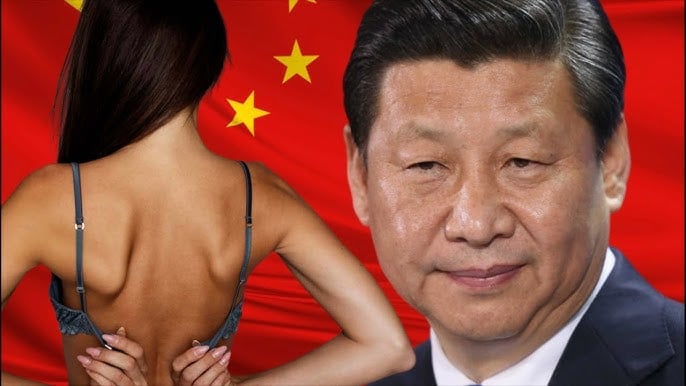
The blocking of OnlyFans is in line with China’s broader zero-tolerance stance toward Western internet platforms that introduce content seen as antithetical to traditional Chinese values. By cracking down on adult content websites, China aims to reinforce its strict censorship laws and prevent Western cultural elements from undermining what the government considers appropriate for its population.
This move against OnlyFans also reflects a broader geopolitical struggle, as China seeks to assert its dominance in shaping global internet culture. By banning foreign platforms like OnlyFans, China is signaling its intent to control not only the flow of information but also the types of content available to its population. This reflects the nation’s efforts to promote an alternative internet ecosystem that aligns with its political ideology, pushing for content that promotes public morality and nationalistic values.
China’s Digital Sovereignty
China’s Great Firewall, one of the world’s most sophisticated internet censorship systems, has long been a point of contention for critics of authoritarian control. However, it remains a crucial tool for Beijing in maintaining digital sovereignty. Through this extensive censorship system, China has not only prevented access to platforms like OnlyFans but also to a wide range of international social media outlets, news websites, and even Western search engines.
China’s digital sovereignty approach is designed to shield its citizens from “harmful” foreign content, especially content related to pornography, political dissent, and other forms of information deemed inappropriate by the government. The country’s strict regulations are also enforced in line with the Communist Party’s vision of morality and social harmony, creating a highly controlled, nationalized digital environment.
What Does This Mean for Other Countries?

China’s decision to block OnlyFans is likely to set a precedent for other nations with more authoritarian tendencies, which may follow suit in an effort to impose their own moral frameworks on the internet. In Africa and parts of Asia, there has already been considerable debate about the spread of Western media and its potential to corrupt local cultures.
Countries with similar moral and cultural frameworks might adopt China’s model of censorship, seeing it as a way to protect younger generations from what they perceive as harmful or immoral content. This raises concerns about the future of internet freedom and the potential for more widespread censorship in places where governments seek to control content in similar ways.
Censorship vs. Freedom of Expression
The block on OnlyFans raises significant ethical questions regarding the balance between censorship and freedom of expression. While China justifies its decision on the grounds of protecting societal values, many in the international community argue that it violates fundamental rights, such as the right to free speech and access to information.
Proponents of online freedom point out that this type of censorship can lead to a slippery slope, where governments can justify blocking any platform they find ideologically uncomfortable. Critics also argue that such measures are counterproductive, as they often force people to turn to illegal workarounds or underground networks to access banned content. In the case of OnlyFans, this could lead to greater internet fragmentation and a less open global information exchange.
What’s Next? The Future of Global Internet Regulation

The blocking of OnlyFans in China is part of a larger conversation about the future of the internet and global digital regulation. As more nations adopt stricter online content policies, it remains to be seen how these regulations will impact the global digital economy and the freedom of the internet.
The fight for digital freedom and sovereignty is likely to become even more intense as countries with differing political ideologies clash over censorship and content regulation. As for China, it will continue to expand its digital walls while defending its actions as necessary to preserve national values and social stability. However, its model of internet governance will likely face mounting challenges, both domestically and internationally.
Conclusion:
China’s decision to ban OnlyFans is just one piece of a larger puzzle in the world of global internet governance. While the platform’s removal from the Chinese market signals the country’s commitment to digital control and moral regulation, it also raises important questions about freedom of expression, internet sovereignty, and global digital standards.
As the internet becomes more central to daily life, the need for international dialogue on digital rights and freedoms becomes ever more urgent. What happens next will depend on how nations balance their internal regulations with global efforts to promote a free and open internet.