
Table of Contents
- Bad Bunny’s Groundbreaking Super Bowl Performance Turns Heads, But Not Everyone Was Impressed
- A Language Barrier During a Historic Moment
- Staying True to His Roots
- Cultural Pride or Exclusion?
- More Than Just Music
- Divided Opinions and Surprising Support
- The Future of Multilingual Performances in Global Events
- Conclusion:
Bad Bunny’s Groundbreaking Super Bowl Performance Turns Heads, But Not Everyone Was Impressed
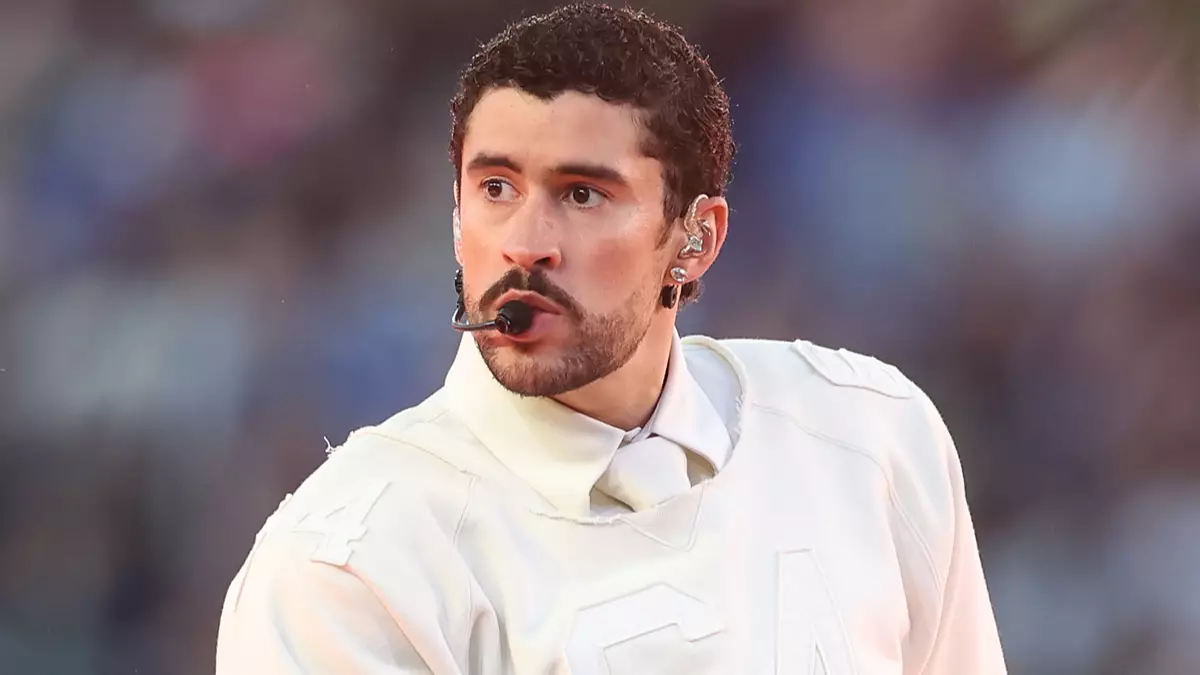
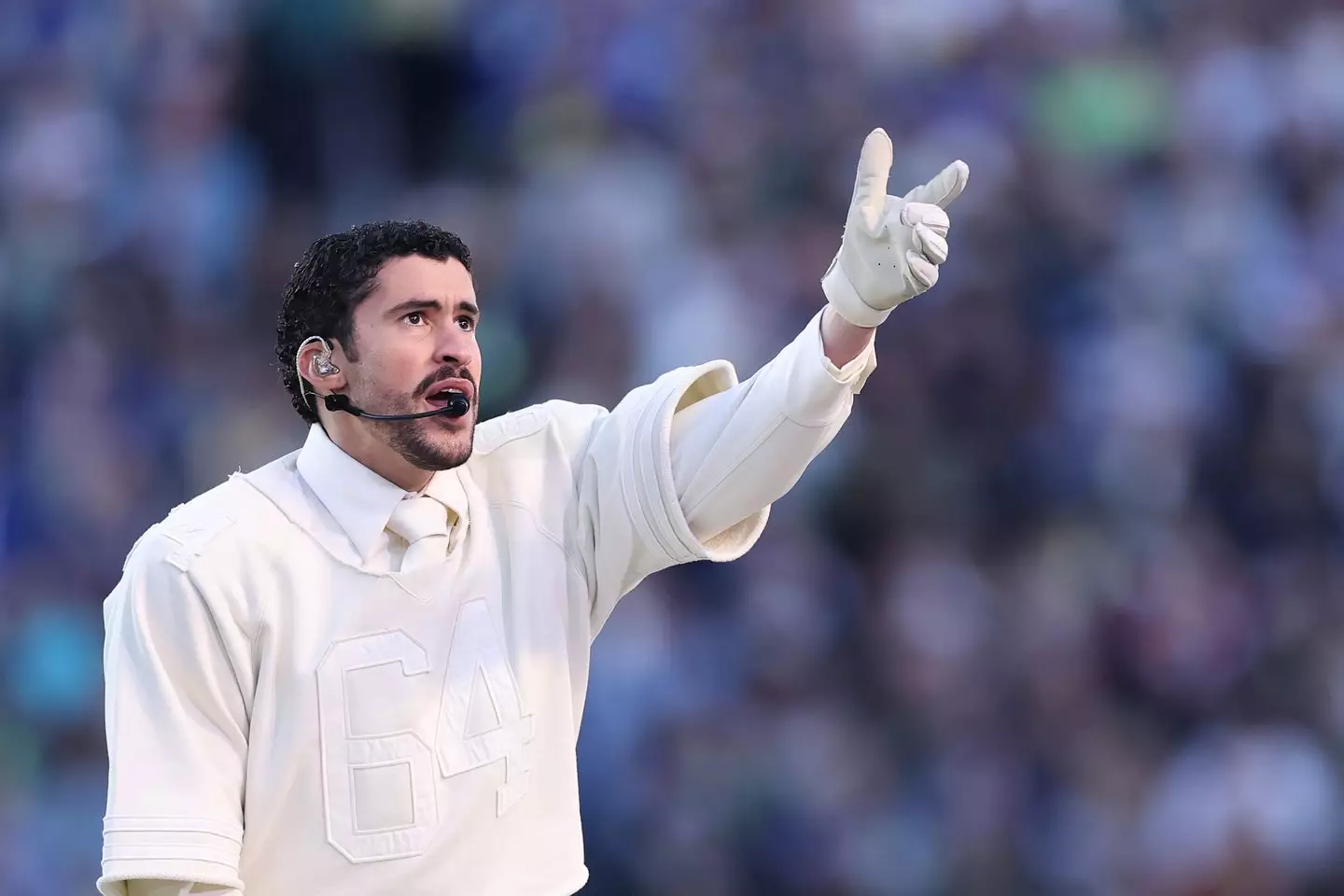
When Bad Bunny, the Grammy-winning Puerto Rican artist, took the stage for the Super Bowl LX halftime show, he made history as the first Latin artist to headline the performance solo. Known for his genre-defying music and unapologetic embrace of his culture, Bad Bunny’s set was nothing short of electrifying. However, his decision to perform the entire show in Spanish sparked significant backlash from a portion of the American audience, with many viewers voicing their frustrations about the language barrier.
The performance, which featured Bad Bunny alongside stars like Ricky Martin and Lady Gaga, was a celebration of Latin music and culture, but for some fans unfamiliar with Spanish, the experience left them feeling disconnected. On social media, the reactions were swift — some viewers called it the “worst halftime show ever,” while others appreciated the cultural significance of the performance despite the language gap.
What followed was a fascinating mix of criticism and praise, highlighting the broader cultural clash between globalization, language diversity, and American entertainment.
A Language Barrier During a Historic Moment

Bad Bunny’s Super Bowl performance was a milestone in more ways than one. As an artist who has championed Latin music on global platforms, his decision to perform entirely in Spanish was seen as an act of cultural pride. However, it quickly became a point of contention. Some viewers on social media expressed frustration, stating that they could not understand a word being sung and felt disconnected from the performance, especially during such a globally watched event.
One viewer expressed their discontent, saying, “Why as Americans are we watching the Super Bowl halftime show in Spanish? With English being our national language, I could not understand a word. Not prejudiced, just don’t understand.” Others echoed the sentiment, saying that it was strange for the halftime show to be “nearly all in Spanish,” even though they acknowledged their respect for Latin culture.
Despite the complaints, Bad Bunny’s loyal fans, particularly within the Latino community, defended the performance as a long-overdue celebration of their culture. As Latin music continues to rise in mainstream popularity, this performance was viewed by many as a bold statement of inclusion and recognition at one of the world’s biggest stages.
Staying True to His Roots
Bad Bunny has long made it clear that he will not compromise his identity for broader commercial appeal. In interviews, he’s repeatedly emphasized that he has no intention of switching to English simply to broaden his audience.
In an interview with Vanity Fair in 2023, he stated: “I think in Spanish, I feel in Spanish, I eat in Spanish, I sing in Spanish,” illustrating his commitment to staying true to his Puerto Rican roots. He even humorously encouraged his fans to learn Spanish in preparation for his Super Bowl performance. While many embraced this as a moment of cultural pride, others struggled to connect with the performance due to the language barrier.
For Bad Bunny, performing in Spanish was not about excluding others, but rather about staying authentic to who he is and representing a global Latinx audience. The artist’s defiance against the pressure to switch languages reflects a broader push for cultural sovereignty and representation in an increasingly globalized entertainment industry.
Cultural Pride or Exclusion?
The divide between those who supported Bad Bunny and those who criticized the language choice is part of a larger debate about cultural inclusion versus exclusivity in mainstream media. While 42-59 million Americans speak Spanish, making the U.S. the second-largest Spanish-speaking country in the world after Mexico, many still feel that mainstream media platforms should adhere to English for the sake of a wider audience. However, critics of this perspective argue that language diversity should be embraced as part of the globalization of music and culture.
In this case, the performance was not just about the language but about a shift toward recognizing Latin music as part of mainstream American culture. For many Latinx fans, Bad Bunny’s decision to perform entirely in Spanish was an empowering moment, symbolizing how Latin music has broken barriers in mainstream entertainment. This cultural moment, however, revealed a divide in how American audiences relate to non-English-speaking performers.
More Than Just Music
Bad Bunny’s halftime show was not just about music but about representing a global community. According to Pew Research, Spanish is the second most spoken language in the U.S., and Latinx communities are the fastest-growing demographic group. The Super Bowl, as a global event watched by millions, offered Bad Bunny a platform to represent a growing and influential demographic. His performance wasn’t just a spectacle but a statement of empowerment for millions of Latinx fans who have long been underrepresented in mainstream entertainment.
In many ways, this performance was a response to the criticism of cultural monoculture in mainstream entertainment. By choosing to perform entirely in Spanish, Bad Bunny brought a vibrant and diverse cultural perspective to a highly Westernized event, challenging the expectation that all cultural content be filtered through an English-language lens.
Divided Opinions and Surprising Support

While the complaints about the language barrier were loud, the support for Bad Bunny was equally strong. Some viewers, despite not speaking Spanish, took to social media to express their appreciation for the performance. One user commented, “I am an old white guy who doesn’t speak a word of Spanish, and I enjoyed the hell out of Bad Bunny’s Super Bowl halftime show.” Another remarked, “The performance was done so well. I don’t speak Spanish, but he’s clearly talented. The production was amazing. He seized his opportunity and crushed it.”
This split reaction highlights the complexity of cultural representation in mainstream media. While some felt excluded by the language choice, many others appreciated the show’s authenticity and cultural significance. The debate over language in entertainment is not likely to end with this performance, as the music industry continues to evolve and embrace diverse cultural voices.
The Future of Multilingual Performances in Global Events
Bad Bunny’s performance at the Super Bowl may mark a turning point in how multilingual performances are perceived by mainstream American audiences. While some may continue to resist the use of languages other than English, there is a growing recognition of the global nature of entertainment and the need for greater inclusion and representation in mass media.
In the future, we may see more artists, like Bad Bunny, who embrace their native languages and use their platforms to promote cultural diversity. The shift toward a more inclusive global entertainment industry will likely bring about more performances in languages other than English, helping to bridge cultural gaps and celebrate the richness of human diversity.
Conclusion:
Bad Bunny’s decision to perform entirely in Spanish at the Super Bowl was a bold move that sparked both controversy and praise. While some viewers struggled with the language barrier, others celebrated the performance as a much-needed representation of Latin culture in mainstream entertainment. Bad Bunny’s success has opened the door for future artists to use their platforms to celebrate their roots, and it marks a step toward a more inclusive and multicultural entertainment landscape.
As we move into an era of greater cultural exchange and representation, performances like Bad Bunny’s could become the norm, with artists of all backgrounds using their native languages to express themselves and connect with audiences worldwide. The conversation surrounding language, cultural representation, and inclusivity in the entertainment industry is far from over, but Bad Bunny’s Super Bowl performance has certainly helped shape the future of global entertainment.