
Table of Contents
- A Divisive Post from Donald Trump
- Strong Criticism and Call for Accountability
- Why It Sparked Outrage
- The Role of Social Media in Political Responsibility
- Divided Opinions on Trump’s Actions
- A Complex Conversation About Race and Politics
- The GOP’s Response
- The Importance of Accountability in Political Leadership
- Conclusion:
A Divisive Post from Donald Trump
The political landscape was shaken this week after former President Donald Trump shared a racist meme mocking the Obamas, which depicted Barack and Michelle Obama as apes. The post, which quickly went viral, received widespread condemnation, especially from within the Republican Party, with Representative Mike Lawler being one of the first prominent Republicans to call it out publicly. Lawler, who represents New York, described the meme as “racist” and urged the former president to issue an apology for what he called a clear act of offensive imagery.
The post, which included baseless claims about the 2020 election, concluded with the offensive image, playing the song “The Lion Sleeps Tonight” over the animation of the Obamas’ faces placed on the bodies of apes. The incident sparked a backlash from multiple sectors, questioning not only Trump’s actions but also the broader implications of such inflammatory posts in contemporary politics.
Strong Criticism and Call for Accountability
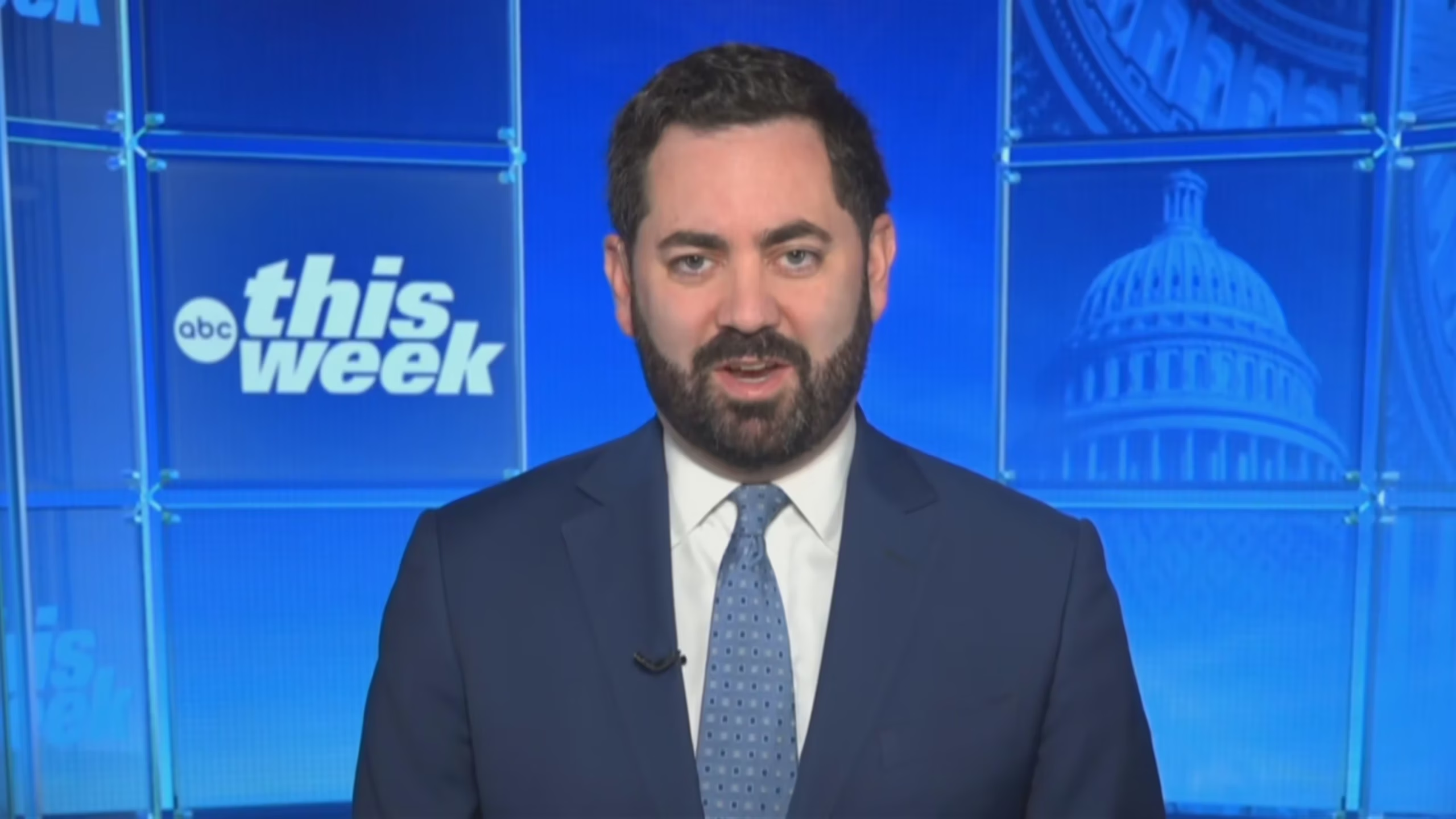
Mike Lawler was swift to condemn Trump’s post. On a live interview on ABC’s This Week, he stated, “I think sometimes in our public discourse it is best to just say, ‘I’m sorry.’” Lawler’s comments came after he viewed the post, which had been shared widely on social media. He reiterated that regardless of whether it was intentional, the post was clearly racist and offensive to many Americans, especially those in Black communities.
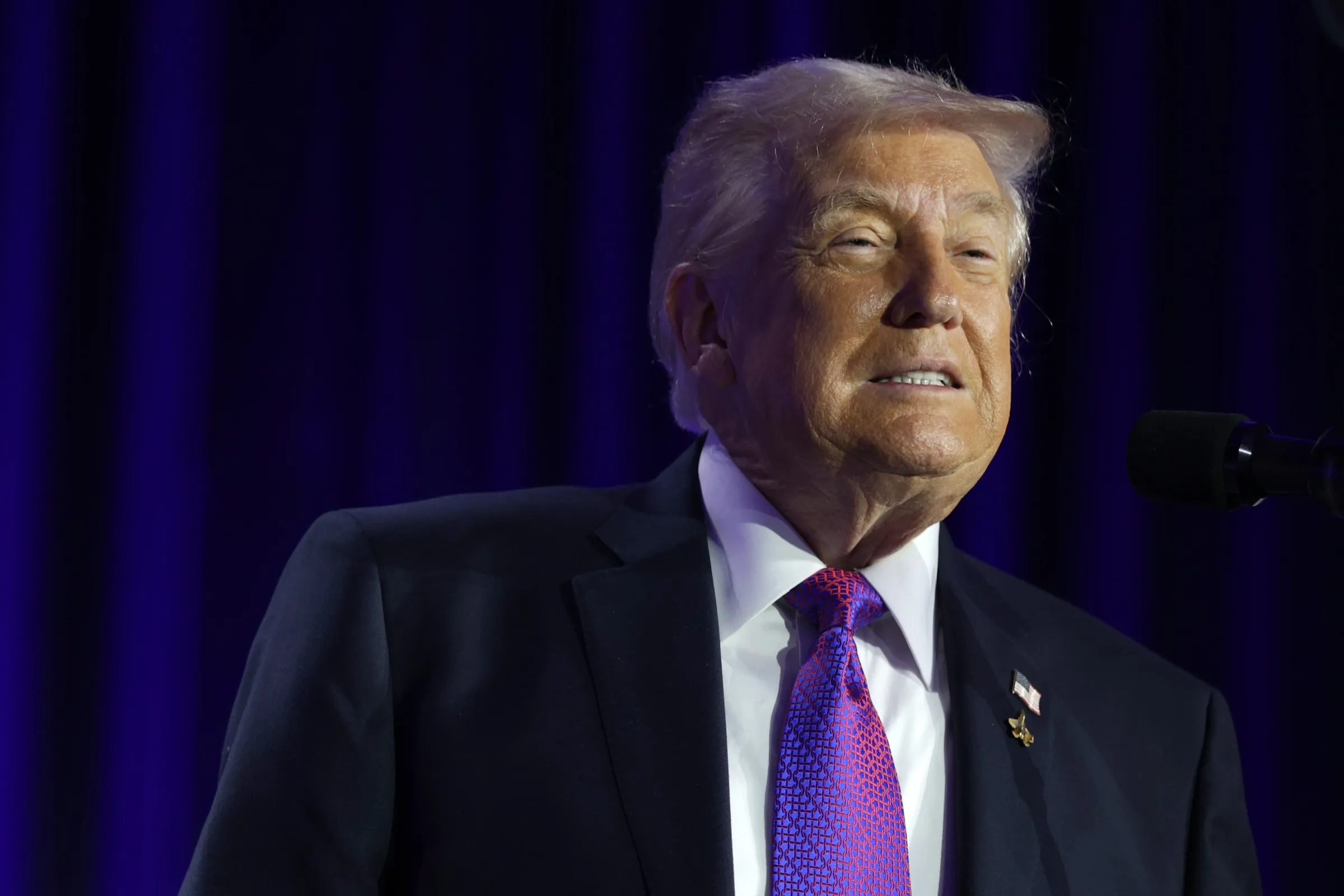
Despite the uproar, Trump defended his actions, claiming that he did not make a mistake and insisted that the meme was not racist. “No, I didn’t make a mistake. I looked at it, and it was fine,” he said when asked if he would apologize. His dismissal of the incident further fueled the conversation about responsibility in leadership and the impact of social media on public discourse.
Why It Sparked Outrage
The controversial meme posted by Trump included false narratives surrounding the 2020 presidential election and ended with the offensive image of the Obamas. The visual was jarring to many because of the clear racist undertones — using imagery that historically has been used to demean Black people, such as comparing them to animals.
This meme’s content was a reminder of the long-standing racial tensions and prejudices that persist in public media, and the repercussions of using such platforms to perpetuate harmful stereotypes. While Trump claimed that it was a mistake, the larger implications of this meme reflect the increasing polarization in American politics and the need for more responsibility in political communications.
The response from Trump’s allies also played a significant role in shaping the public conversation. Senator Tim Scott, one of Trump’s staunchest allies, described the meme as “the most racist thing I’ve seen out of this White House.” Scott’s remarks were an important indication that even within Trump’s party, there were figures who were willing to speak out against racially insensitive content.
The Role of Social Media in Political Responsibility
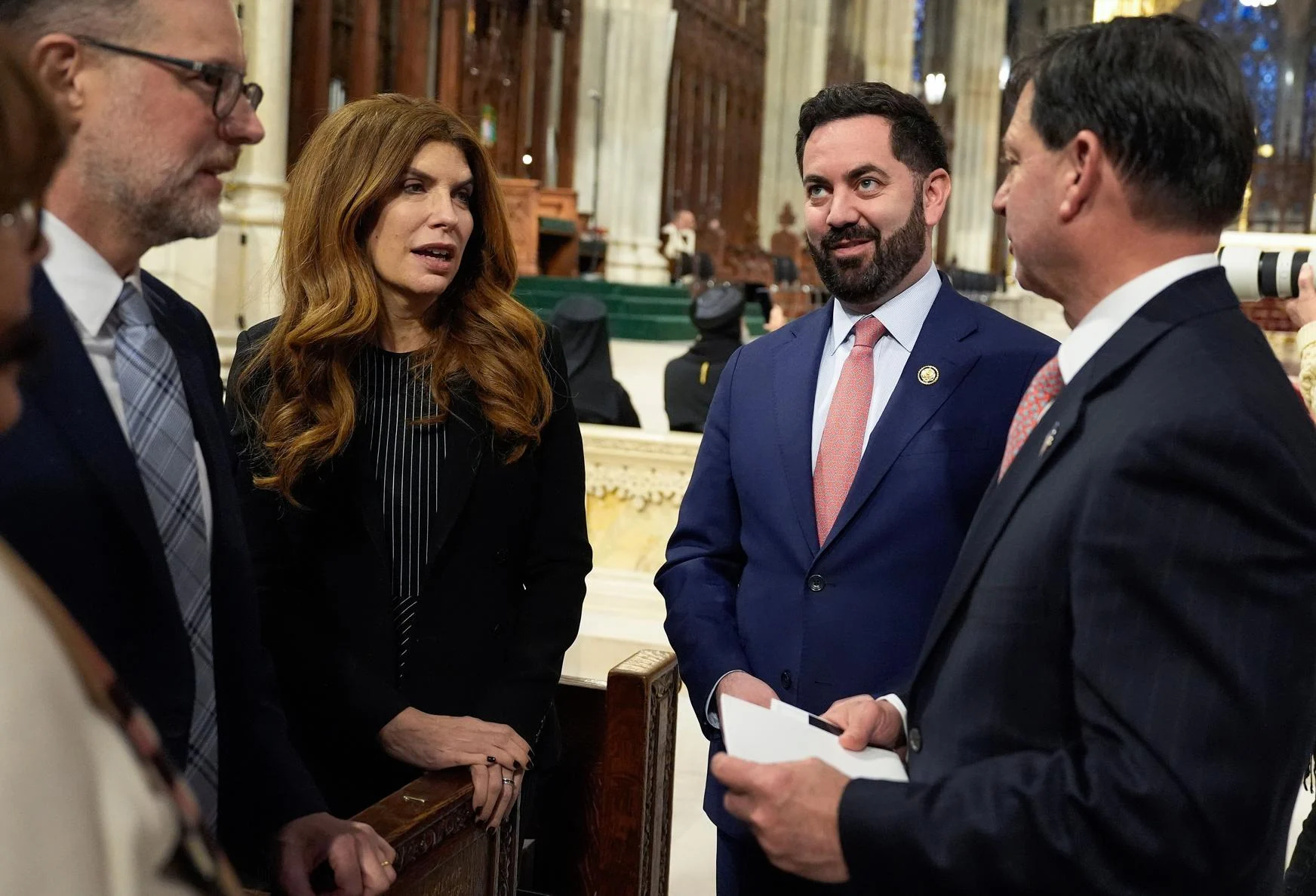
In today’s political landscape, social media has become an unavoidable tool for politicians and public figures to express opinions and shape narratives. However, the rapid spread of inflammatory content can have significant consequences, particularly when such posts come from individuals with large followings. Trump’s post highlighted the risks of unchecked online communication — where harmful rhetoric can be spread instantaneously to millions of followers without immediate accountability.
As a former president, Trump holds immense influence, and his actions on social media can fuel discourse on race, divisiveness, and political discourse. Critics argue that public figures should be held accountable for the content they share, particularly when it perpetuates racism or misinformation. The viral nature of his post, paired with his refusal to apologize, raises questions about digital ethics and accountability in today’s political environment.
Divided Opinions on Trump’s Actions
While Republicans like Lawler and Tim Scott condemned the post, others in the party were less vocal. Some supporters of Trump remained silent, while others defended the meme, claiming that it was just political satire or an unintentional mistake. Meanwhile, Democrats and various advocacy groups expressed outrage, calling the meme unacceptable and accusing Trump of using racial imagery to further polarize the nation.
The incident triggered a broader conversation about racial sensitivity and the use of media for political gain. Supporters of the Obamas and civil rights groups demanded that Trump be held accountable for perpetuating racial stereotypes that continue to harm marginalized communities. The debate also raised questions about the impact of internet culture on political leaders, particularly in the post-truth era, where misinformation and racially charged narratives often dominate online spaces.
A Complex Conversation About Race and Politics
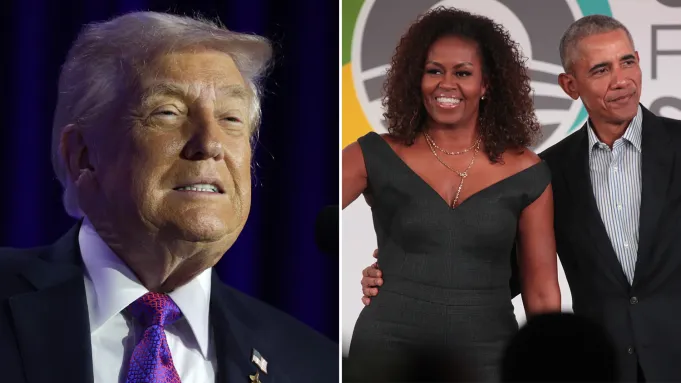
This controversy adds to the already complex legacy of Donald Trump, who has long been a divisive figure in American politics. Throughout his presidency and beyond, Trump has faced accusations of racial insensitivity, including his comments about Mexican immigrants, Muslims, and Black Americans. His rhetoric has often sparked debate over the role of racism in politics and the responsibility of leaders to promote unity and inclusivity.
While Trump’s supporters continue to defend him, often citing his policies on immigration and economic growth, his critics argue that his behavior contributes to the division and polarization in American society. The issue of race remains one of the most contentious aspects of his legacy, and this latest incident serves to remind the public of the persistent tensions that still shape the nation’s discourse.
The GOP’s Response
Trump’s actions have placed the Republican Party in a difficult position. On the one hand, he remains an influential figure among Republican voters, many of whom view him as a champion of their values. On the other hand, incidents like this one highlight the growing rift between mainstream Republicans and Trump’s supporters.
Mike Lawler’s strong condemnation of Trump’s post represents a shift in how some Republican leaders are distancing themselves from the former president’s more controversial actions. Lawler’s statement, calling for an apology, reflects the pressure on Republicans to stand up against racism and maintain a moral high ground within the party. This tension could affect the GOP’s future strategies as it navigates the complexities of Trumpism in the post-presidency era.
The Importance of Accountability in Political Leadership
At the heart of this controversy lies the question of accountability in political leadership. Public figures, especially those with large followings, have a responsibility to model ethical behavior and to consider the impact of their words and actions. Trump’s refusal to apologize, despite the backlash, reflects a growing trend of political figures being reluctant to take responsibility for harmful rhetoric.
While some argue that Trump’s post was an unfortunate mistake, others believe it is part of a broader pattern of divisive rhetoric that continues to hurt the social fabric of the United States. This incident serves as a reminder of the power that politicians hold in shaping public discourse, and how their actions can either contribute to healing or deepen the wounds of racial and social division.
Conclusion:
The controversy surrounding Trump’s racist post mocking the Obamas is just one chapter in the ongoing saga of his complicated relationship with race in politics. As the Republican Party grapples with Trump’s influence, the question remains whether it will take a stronger stance against such rhetoric or continue to support the divisive figure that many see as the future of the party.
For Mike Lawler and other Republicans who speak out against Trump, the challenge is balancing their party’s identity with the need for moral leadership. The future of the GOP may depend on its ability to navigate these contentious issues and decide what role racism, and figures like Trump, will play in its legacy.