
Table of Contents
- The Science Behind the Coilgun
- A Leap Forward in Weapon Efficiency
- From Riot Control to Military Application: The Versatility of the Coilgun
- The Race Between East and West: How China’s Coilgun Outpaces Western Developments
- A Strategic Inflection Point: China’s Military Innovation
- Overcoming the Challenges: Battery Life and Accuracy
- The Future of Electromagnetic Weapons: A New Era
- The Global Impact of China’s Coilgun
The Science Behind the Coilgun
What truly sets China’s electromagnetic coilgun apart from its predecessors is the radical shift in how it stores and delivers energy. Traditionally, electromagnetic coilguns relied on capacitors, devices designed to store and discharge electrical energy in short, intense bursts. While capacitors allowed for high-powered discharges, they also introduced a significant bottleneck in the system—the recharge cycle. This limitation capped the rate of fire to around 100 rounds per minute, rendering the technology largely impractical for rapid-fire scenarios.
But China’s latest coilgun eliminates this barrier by replacing the capacitors with lithium-ion batteries. This breakthrough innovation, led by Professor Xiang Hongjun from the Army Engineering University, allows the weapon to fire at an unprecedented rate of 3,000 rounds per minute. By using direct lithium battery power, the weapon can now discharge energy without the lag time inherent in capacitor systems, resulting in continuous high-speed firing. This efficiency opens up new possibilities for military and tactical applications, particularly in situations that demand rapid, sustained fire.
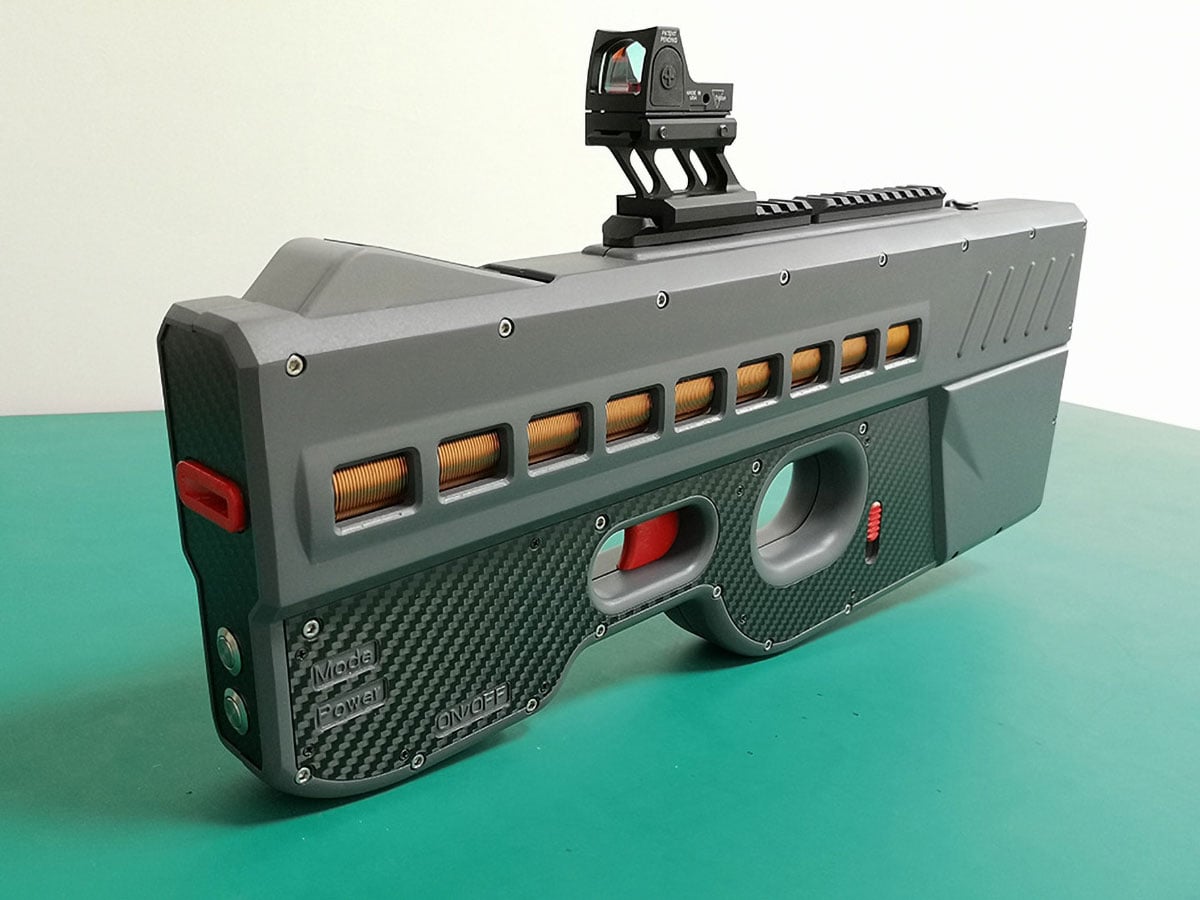
The design is remarkably compact, with the weapon featuring 20 closely spaced copper coils through which a steel armature projectile moves. The coils are activated by precision-controlled timing chips, utilizing insulated-gate bipolar transistors (IGBTs) to generate magnetic fields that propel the projectiles forward at a rapid pace. The result is a weapon capable of achieving speeds that were once thought impossible with traditional coilgun technology.
A Leap Forward in Weapon Efficiency
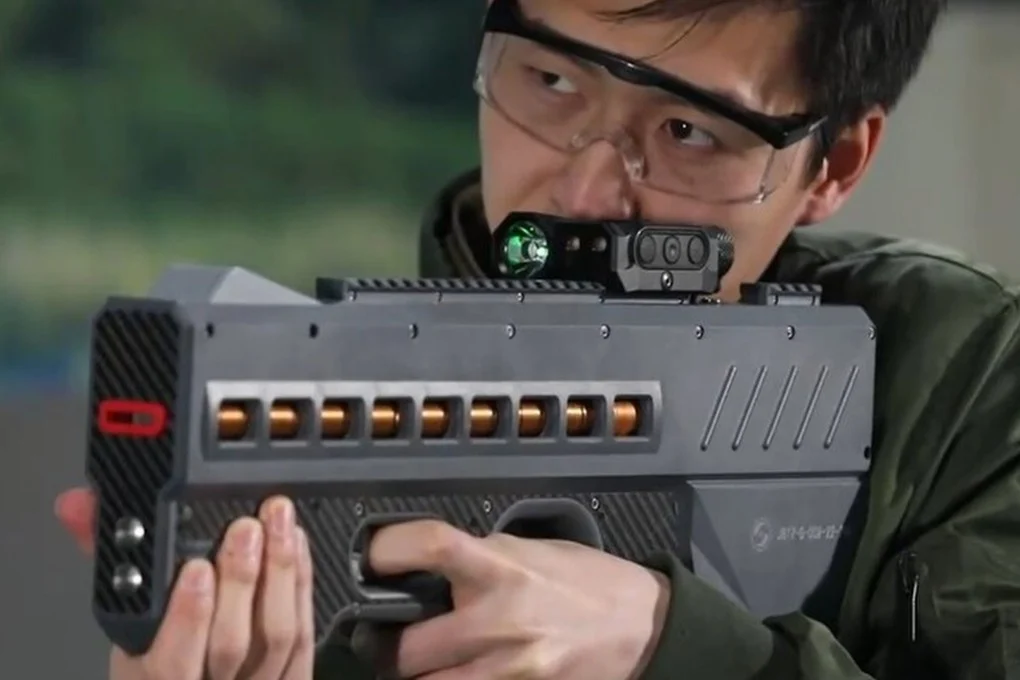
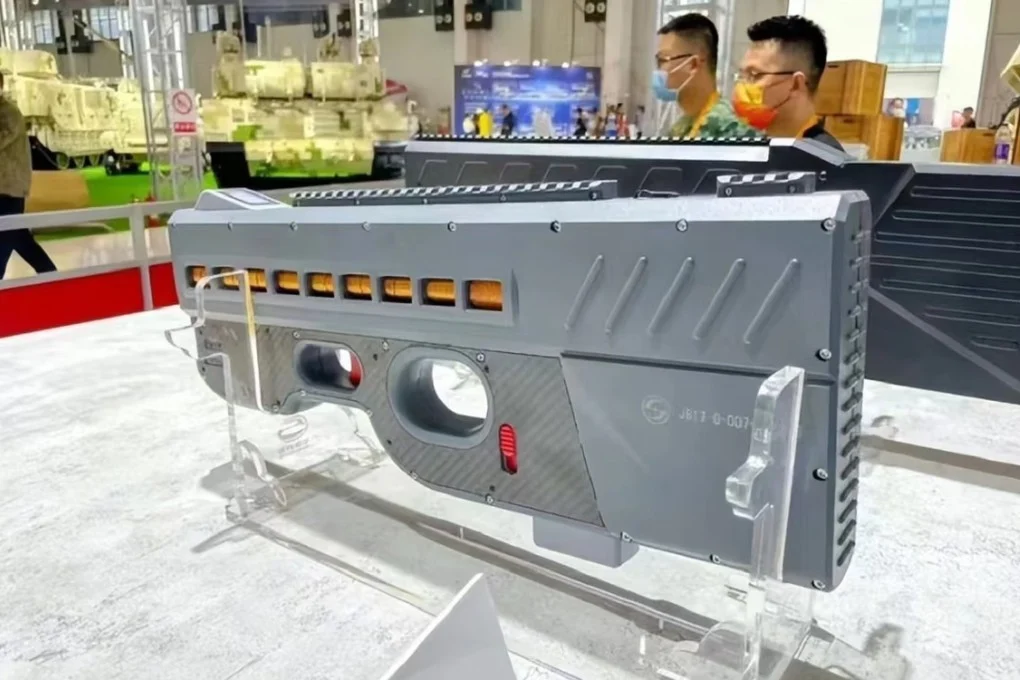
China’s electromagnetic coilgun represents a technological leap that isn’t simply about raw firepower. The system’s high efficiency and ability to sustain continuous fire are what set it apart from existing electromagnetic weapons. The weapon’s 3D-printed prototype has already demonstrated impressive results, and subsequent refinements have pushed the firing rate even higher.
The engineering advances don’t stop there. The system employs a sophisticated timing algorithm that ensures optimal energy transfer to the projectiles, striking a delicate balance between propulsion and minimizing reverse drag. Moreover, the design includes battery safety fuses and heat dissipation systems to manage the intense thermal loads generated by such high-speed firing. With currents peaking at 750 amps, these thermal and power management systems are crucial for maintaining the weapon’s performance during prolonged use.
From Riot Control to Military Application: The Versatility of the Coilgun
Although initially developed for riot control, China’s coilgun demonstrates capabilities that far exceed its non-lethal applications. With its high rate of fire, silent operation, and adjustable lethality, this weapon could be adapted for a wide range of military and law enforcement scenarios. In testing, the coilgun has been shown to shatter car windows and penetrate doors in a matter of seconds—tasks that would typically require more destructive means.
In riot control scenarios, the coilgun’s ability to fire rapidly and silently allows law enforcement to take swift action without resorting to more dangerous or destructive measures. The velocity of the projectiles, around 86 meters per second, allows officers to disable vehicles or disperse crowds without causing fatal harm. This unique combination of precision, speed, and control makes the coilgun a highly versatile tool for both tactical and crowd management situations.
However, the coilgun’s military applications are perhaps where it could truly shine. With its rapid firing rate and silent discharge, the weapon could provide an advantage in covert operations, special forces engagements, and other tactical scenarios requiring stealth and speed. Unlike traditional firearms, the coilgun generates no visible muzzle flash and produces little noise, making it ideal for operations where discretion is critical. This adaptability could provide a significant edge in operations that require rapid suppression of enemy positions or the neutralization of threats before they can react.
The Race Between East and West: How China’s Coilgun Outpaces Western Developments
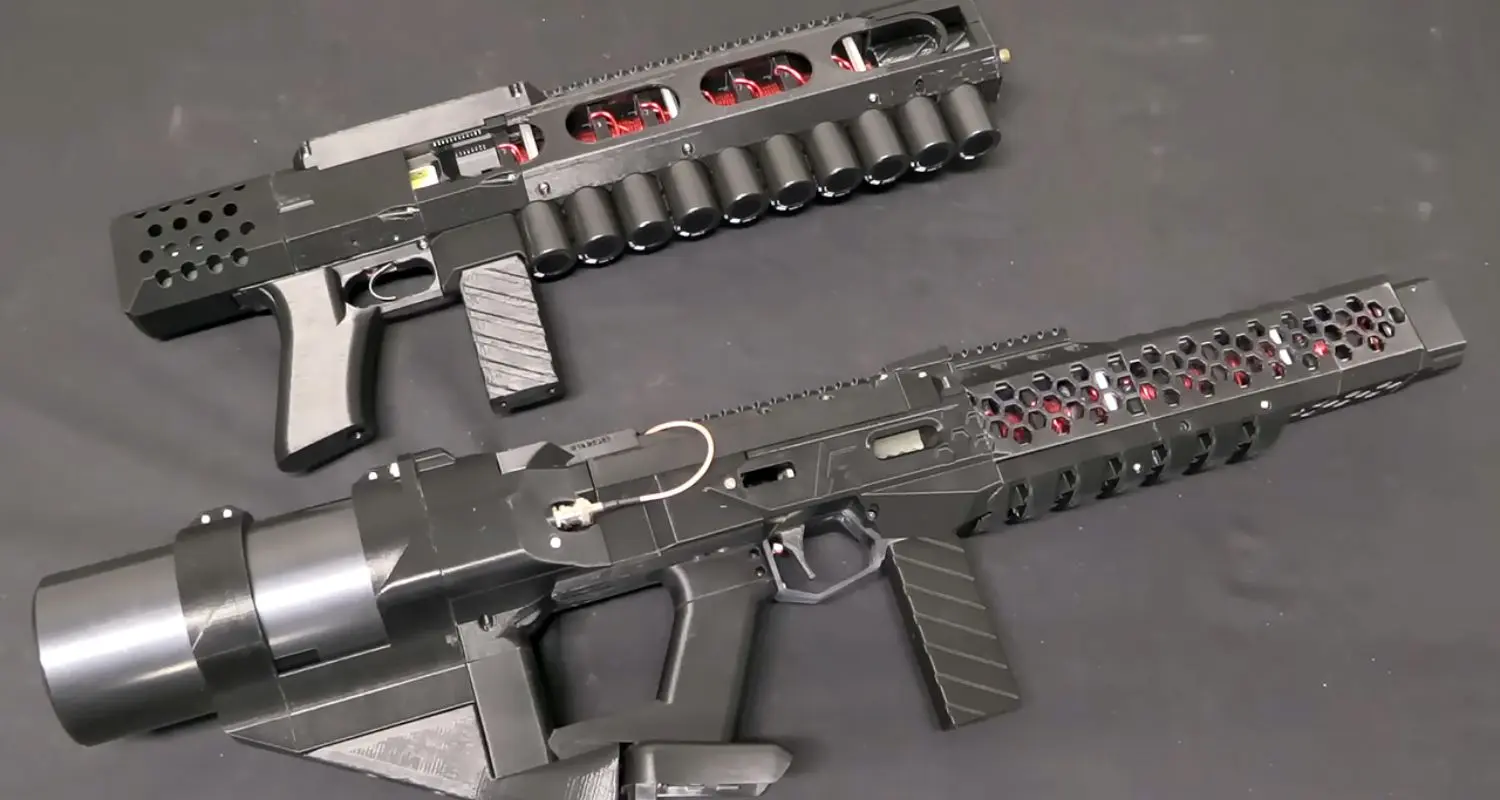
While the United States and other Western nations have invested heavily in electromagnetic weaponry, particularly railguns, China’s coilgun appears to have surpassed these efforts in terms of performance. The GR-1 “Anvil,” an electromagnetic coilgun developed by Arcflash Labs in the U.S., was hailed as a breakthrough when it debuted in 2021. However, the GR-1’s maximum firing rate of around 100 rounds per minute and its relatively low projectile velocity place it far behind China’s model, which is capable of firing 30 times that rate.
China’s success in eliminating the capacitor bottleneck by switching to lithium-ion batteries gives its coilgun a clear advantage over Western models. The GR-1 and similar systems still face limitations in terms of recharge times and efficiency. By using lithium batteries, China’s coilgun avoids these constraints, offering sustained fire without the need for long recharge cycles. This makes the Chinese model not only faster but also more reliable in field operations.
Additionally, China’s military-industrial complex benefits from state-backed coordination, with advancements in semiconductor technology, battery thermal regulation, and heat dissipation helping to address the challenges of high-power electromagnetic systems. In contrast, Western efforts, while ambitious, are still struggling to integrate these technologies effectively.
A Strategic Inflection Point: China’s Military Innovation
China’s coilgun represents more than just a technical achievement—it signals a strategic shift in military innovation. The country’s ability to rapidly advance electromagnetic weaponry without the same constraints that have slowed Western progress highlights the growing influence of China’s state-backed research and development efforts. Unlike the United States, where electromagnetic weapon systems like railguns have largely been confined to naval applications, China has already demonstrated the potential for electromagnetic weapons to be used in a variety of scenarios, from urban riot control to covert military operations.
This shift underscores the importance of focused, long-term investment in next-generation weapons technology. While the U.S. has made significant strides in directed-energy and electromagnetic weaponry, China’s ability to deploy functional, high-performance coilguns in a relatively short time frame puts it at the forefront of this emerging field.
Overcoming the Challenges: Battery Life and Accuracy
Despite the impressive capabilities of China’s electromagnetic coilgun, several challenges remain. One of the most pressing issues is accuracy. While the weapon’s rate of fire is exceptional, coilguns still face challenges with projectile stability and trajectory control. Unlike traditional firearms, which rely on rifled barrels to impart spin to projectiles, coilguns accelerate projectiles magnetically. Maintaining consistent alignment and ensuring accurate targeting over distance remains a significant hurdle.
Battery life is another concern. While lithium-ion batteries offer high efficiency, they still require about an hour to fully recharge, limiting the weapon’s operational time in the field. Despite these challenges, however, the weapon’s advantages in terms of fire rate, stealth, and adaptability make it a promising technology for future military and law enforcement use.
The Future of Electromagnetic Weapons: A New Era
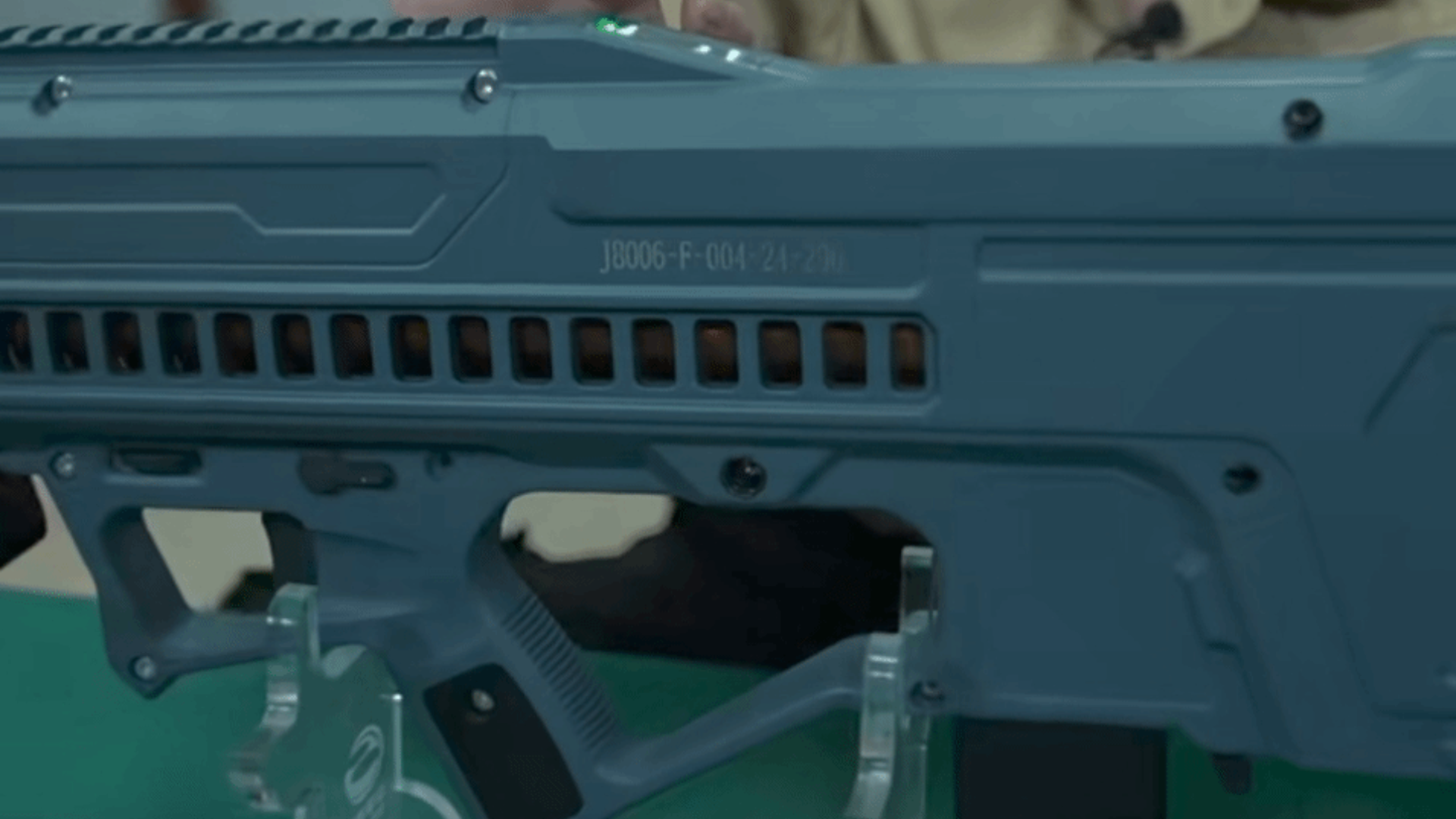
The unveiling of China’s lithium-powered coilgun is a clear indication that the future of small arms technology may be moving away from traditional mechanical systems and towards directed-energy solutions. By eliminating the capacitor bottleneck and leveraging advanced battery technology, China has demonstrated that electromagnetic weapons can achieve sustained fire rates and high efficiency, opening up new possibilities for both lethal and non-lethal applications.
As this technology continues to develop, it could lead to a transformation in how militaries and law enforcement agencies approach weaponry. The coilgun’s versatility, coupled with its potential for silent, high-speed fire, could redefine the future of tactical combat and crowd control. Whether it’s used for rapid suppression in urban environments or as a covert weapon on the battlefield, the coilgun is poised to become a key player in the next era of military innovation.
The Global Impact of China’s Coilgun
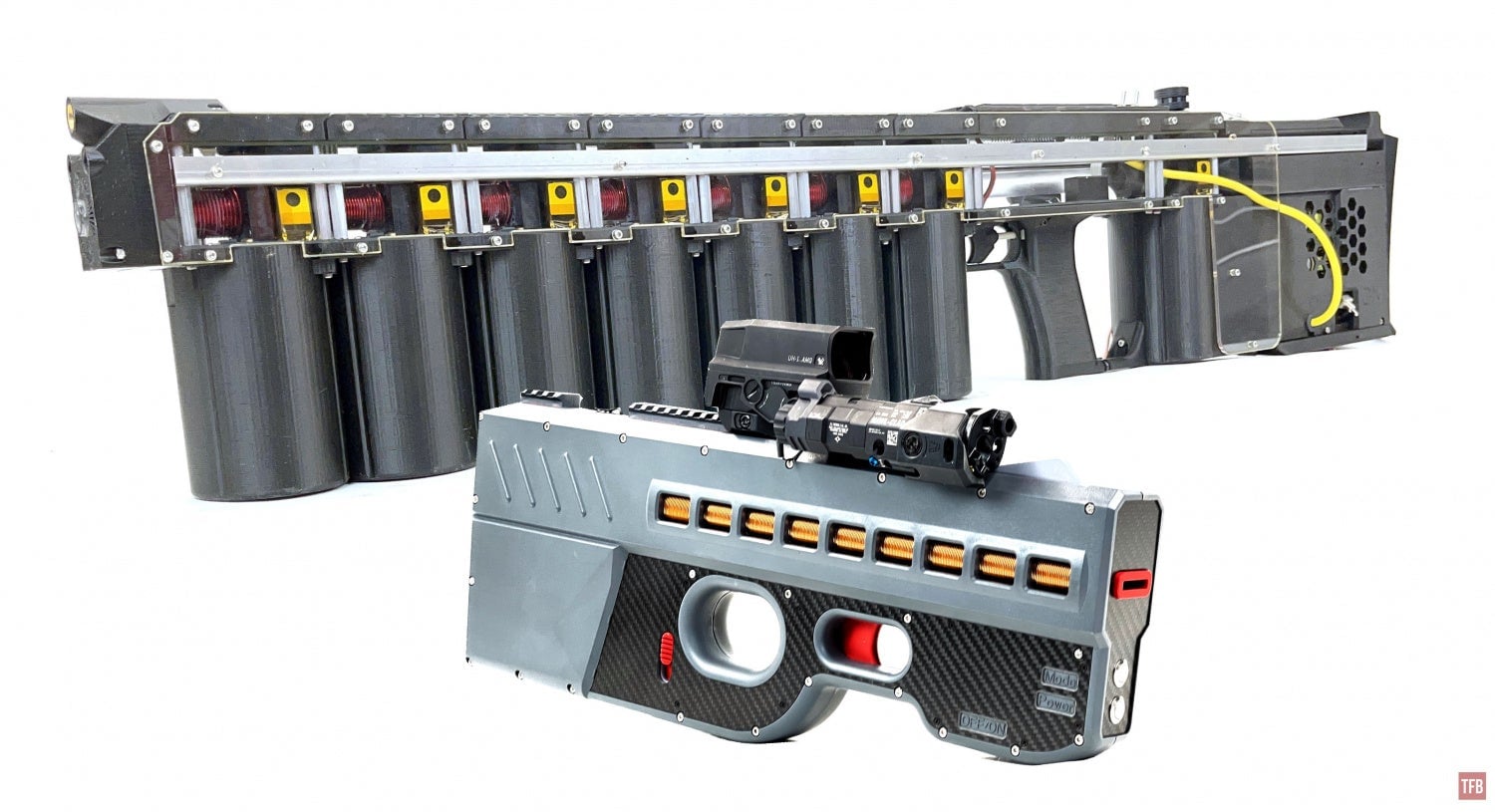
China’s electromagnetic coilgun represents a monumental leap in weapon technology, one that could have far-reaching implications for both military and law enforcement applications. By overcoming the limitations of traditional electromagnetic weapons and leveraging cutting-edge battery technology, China has set the stage for a new wave of directed-energy weapons that could reshape the landscape of modern warfare. However, as this technology matures, it will be critical to address challenges such as accuracy, battery life, and ethical concerns to ensure responsible deployment on the global stage.